Nature Knows and Psionic Success
God provides
Some Useful Facts about Phosphatidylserine Supplement
It is a fatty substance that is found in the human body and mostly in the brain. It is produced in the body, which covers and safeguards every cell in the body. This plays a vital role in maintaining the integrity and fluidity of cell membranes, most importantly functioning of nerve cells within the brain, helping to transmit messages between them. As you get older, your memory starts getting vanished, so here phosphatidylserine (PS) will preserve and sharpen your memory. In addition, it promotes healthy sleep, improves mood, and enhances exercise performance.
PS is a phospholipid, a type of substance that the body needs to make cell membranes. These are thin sheets having dynamic structures that power most of the life processes in all living beings. It not only sharpens your memory but also, promotes key cell activities like: Omega 3 Phosphatidylserine facilitates energy generation by the membranes of the mitochondria located within all these cells.
It transfers information at the synapses with the help of neurotransmitters.
Packaging of these neurotransmitters within the cells, and their release at the synapses.
Sensitivity to a nerve growth factor that supports the renewal of nerve cells and maintenance of the brain.
According to a study, it has been found that PS improves learning and attention in children who are facing such difficulties. It has improved attention, impulsive actions, learning of numbers, and school behavior in 4–14 years aged children.
What Foods contain Phosphatidylserine?
PS is mostly found in the yolk of the eggs, muscle meats, other organ foods including chicken liver and beef liver or kidney, and is also obtained from a few plants such as soy, white beans, sunflowers, etc. in small amounts. White beans contain 107 mg per 100 g weight, milk contains 1 mg, brown rice contains 3mg, and carrots contain 2mg approximately, which are very small. However, the chicken leg contains 134, and the chicken heart contains 414 per 100 g weight approximately. With an intake of PS supplements from such foods, you can easily improve your brain function within weeks.
If you check the review of the year 2015, it is noted that around 300mg to 800 mg of PS is consumed by a human in a single day. And, according to the Natural Medicine Comprehensive Database, a therapeutic dose for a failing memory is 100 mg taken two to three times per day.
How to Boost Brain Power with it?
As it is discussed above that PS sharpens the memory, improves attention, and behavior of children, similarly, it also helps athletes to blunt the cortisol. Cortisol is a stress hormone, which is produced during strenuous physical exercise and can break down muscle tissue. And, as they started taking PS, after 10 days, lots of improvement was seen in those athletes. In a study, it was also observed that when 27 children were given 200 or 300 mg per day of PS, at the end of the study, there was a great improvement in children’s academic performance.
Consider the above-written facts and add DHA Phosphatidylserine in your daily diet so that you can quickly boost the brain function and sharpen your memory like others.
How to Choose a Quality Brain Supplement & Why We Recommend Mind Lab Pro
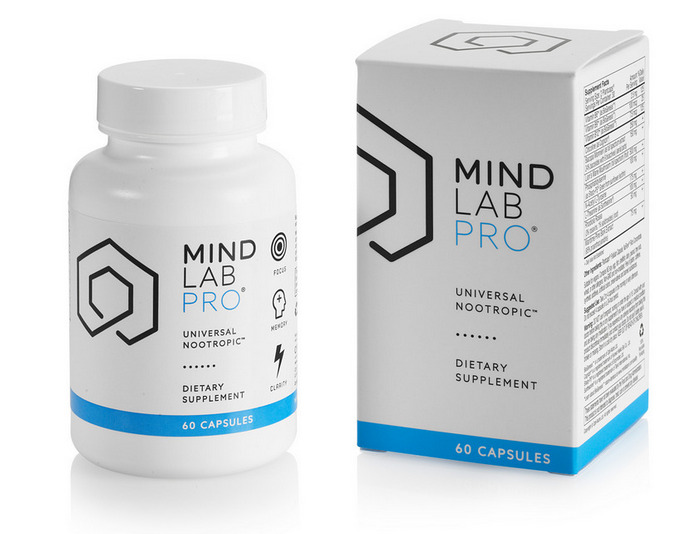
One of the most common questions we get from our visitors and subscribers is:
“ What’s the best brain supplement?”
We talk a lot about brain supplements on Be Brain Fit.
Why?
Because finding the right one can make a big difference in your life.
✓ The right supplement can help you learn faster, remember more, and think more clearly.
✓ It can improve your mood, give you more mental energy, and help you deal with stress.
But there’s an overwhelming number of supplements to choose from.
Yes, finding the right brain supplement is hard .
But we have years of experience researching the brain supplement industry.
And if there’s one secret we’ve learned about choosing the right supplement, it’s that …
Quality Matters .
To truly boost your brain health and fitness, only the best is good enough.
Below, we discuss the 12 most important requirements to look for when buying a brain supplement.
Along the way, we’ll tell you how Mind Lab Pro® — the Universal Nootropic™ — and the brain supplement we recommend, meets these stringent demands. 1. Certifications of Quality
A quality brain supplement will meet Good Manufacturing Practices (GMP) guidelines.
A GMP facility must comply with the same strict standards mandated for pharmaceutical manufacturers.
GMP certification assures that a supplement is pure, potent, and effective.
There should also be a Certificate of Analysis for each ingredient in a brain supplement.
This means that the raw materials have been tested by an independent lab and deemed to be contaminant-free.
Other indications of a high-quality supplement are Orthodox Union Kosher certification, Halal certification, and USDA Organic certification. Mind Lab Pro has all these quality certifications, and many more.
2. Purity
There’s no place for unnecessary and potentially harmful additives such as sucrose and artificial flavors, preservatives, and colors in a high-quality brain supplement.
Also, it’s wise to avoid supplements that contain common allergens. Mind Lab Pro contains no artificial colors, preservatives, or additives.
All ingredients are organic and non-GMO.
Mind Lab Pro is free of the most common allergens, meaning NO soy, egg, fish, shellfish, dairy, peanut, tree nuts, wheat, or gluten. 3. Safety Just because a brain supplement’s ingredients are natural doesn’t mean they’re safe.Some have side effects as bad as, or even worse than, prescription drugs.Some ingredients, like St. John’s wort, 5-HTP, and SAM-e, are known to interact badly not just with medications but with other supplements. Mind Lab Pro contains only those ingredients with a long history of being safe and well tolerated, and those that work well with each other. 4. Caffeine-Free Between coffee, tea, soda, energy drinks, and chocolate, most of us get plenty of caffeine.So taking a brain supplement that contains more caffeine is a bad idea. Mind Lab Pro is caffeine-free, important if you are mindful of your caffeine intake (and you should be). 5. The Best Ingredients Look for a brain supplement that contains ingredients proven to work, that do what they claim to do.That seems obvious, but to do that, these ingredients must also be in the right chemical configurations to be their most effective. Mind Lab Pro contains 11 proven brain optimizers in their most potent forms. It contains patented, clinically proven ingredients that are easier for the body to absorb and utilize such as Cognizin® (citicoline), Suntheanine® (l-theanine), and Sharp-PS® Green (phosphatidylserine). Mind Lab Pro’s herbal ingredients are full-spectrum, standardized extracts to ensure maximum potency. 6. Therapeutic (Clinically Effective) Dosages Many brain supplements contain “proprietary blends” of individual ingredients.This may sound good to you but, in fact, it’s a big red flag.“Proprietary” means that you don’t know the amount of each ingredient in the supplement.This almost always means that there is not enough of any ingredient to do you much good. Mind Lab Pro contains ingredients in dosages that are therapeutic. Its product label explains exactly how much of each ingredient is in each capsule. 7. Synergy = Better Results Single-ingredient supplements are limited in the benefits they can deliver.But when the right ingredients are combined in a multi-ingredient brain supplement, they work synergistically to multiply the potential benefits.The nootropics industry uses the term “stacks” to describe supplements known to deliver better results when taken together. Mind Lab Pro contains several well-regarded stacks including: Citicoline + Rhodiola rosea for greater mental energy L-Theanine + B Vitamins for inner calm and mood stabilization Rhodiola rosea + Phosphatidylserine for resilience to stress Pine Bark Extract + Lion’s Mane for enhanced brain health and neuroprotection 8. Created by Experts Many brain supplements are made by private label manufacturers.These brands have no expertise in brain health products — they create generic supplements that they think will sell. The company behind Mind Lab Pro is Opti-Nutra™ Advanced Nutraceuticals. Opti-Nutra’s neuroscientists perform their own in-house research and development, driving the creation of innovative, effective supplements. 9. High Value Every year, the public spends billions of dollars on brain supplements and, according to experts, much of this money is wasted.Most brain supplements are overhyped and overpriced.You shouldn’t be price-gouged to get the results you’re looking for.You shouldn’t have to swallow handfuls of pills either. Mind Lab Pro’s dosage is 2 capsules per day, costing about $1.65. (with purchase of 3 months supply which includes 1 month free, plus free shipping) You may already spend more than that each day trying to kick your brain into gear with coffee, soda, or energy drinks. And if you were to take all of Mind Lab Pro’s ingredients separately, it would cost you much, much more. 10. Made in the USA If a brain supplement doesn’t clearly state where it’s manufactured, then there’s a very good chance that it’s made in China to less-than-exacting standards. Mind Lab Pro is manufactured in a state-of-the-art, FDA-registered, and GMP-certified facility in the United States. Opti-Nutra fast-ships to the US and worldwide. 11. Satisfaction Guarantee Even the best brain supplements don’t work the same (or well) for everyone.The best companies have confidence in […]
Eating leafy greens delays cognitive decline by at least 11 YEARS, finds study

( Natural News ) As if there weren’t enough reasons to eat leafy greens, researchers from Rush University in Chicago have added one more. A study published in the peer-reviewed journal Neurology showed that eating green leafy vegetables — such as spinach, broccoli, kale, arugula and Brussels sprouts — can help protect the brain and slow down people’s cognitive decline by 11 years.
The study, undertaken by Dr. Martha Claire Morris and her colleagues from the Tufts Human Nutrition Research Center, took a look at 960 participants who had enrolled in the Rush Memory and Aging Project . These participants, who averaged 81 years and were dementia-free at the beginning of the study, were observed over a five-year period to see how their intake of food, particularly leafy vegetables, affected their cognitive health.
“With baby boomers approaching old age, there is huge public demand for lifestyle behaviors that can ward off loss of memory and other cognitive abilities with age,” stated Dr. Morris. “Our study provides evidence that eating green leafy vegetables and other foods rich in vitamin K, lutein and beta-carotene can help to keep the brain healthy to preserve functioning.”
All participants were subjected to annual battery tests, which assessed their cognition over an average of five years. In addition, the participants answered food frequency questionnaires to figure out how often they consumed certain food items for the last 12 months. The researchers then estimated the daily dietary intakes of these foods based on the responses. Among these items were a number of green leafy vegetables, namely spinach , kale , collard greens and lettuce salad.
When compared with the average global cognition scores, the rate of cognitive decline among those participants who consumed green leafy vegetables was equivalent to being 11 years younger . Additionally, no evidence was found to indicate that the results were affected by outside factors such as existing cardiovascular conditions, depressive symptoms, low weight or obesity.
Looking further into the matter, Dr. Morris’ team looked into nutrients associated with green leafy vegetables such as folate, vitamin K , nitrate, a -tocopherol, kaempferol and lutein related to cognition. The team was able to significantly and positively associate these nutrients with the lowered rates of cognitive decline among the participants. In particular, further testing pointed to vitamin K, lutein and folate as the main nutrients slowing down cognitive decline. Increase your intake of green leafy vegetables
Despite the health benefits that they provide, getting people to eat their green leafy vegetables isn’t always easy. Not everybody enjoys eating vegetables for various reasons.
Some people dislike eating vegetables raw. Meanwhile, others suffer from oral allergy syndrome that can leave them with an uncomfortable tingling sensation when eating raw vegetables. For these people, simply cooking vegetables can solve the problem. Additionally, cooking vegetables with healthy fats like extra virgin olive oil or grass-fed butter can make them taste better while helping the body absorb fat-soluble nutrients like vitamin K. (Related: Olive oil, green leafy vegetables prevent heart disease .)
Other options for serving green leafy vegetables include serving them as salads or soups. In addition to this, vegetables can also be turned into smoothies , mixing them in with fruits to help with the flavor. These should provide those who wouldn’t normally consume green leafy vegetables ways to do so and experience their benefits.
“Losing one’s memory or cognitive abilities is one of the biggest fears for people as they get older,” says Dr. Morris. “Since declining cognitive ability is central to Alzheimer’s disease and dementias, increasing consumption of green leafy vegetables could offer a very simple, affordable and non-invasive way of potentially protecting your brain from Alzheimer’s disease and dementia.”
Sources include:
Newswise.com
NaturalHealth365.com
Shocker: The Western World’s Diet Is Making Everyone Scientifically Brain-Dumber
A “Western diet” (or the “Western pattern diet”) is exactly what you think: Fatty, sugary, salty, and lousy with red meat and processed products — in stark contrast to diets comprised mostly of whole grains, or plants, or legumes, or natural fats.
As you also might guess, the Western diet is regularly linked to historical upticks in obesity, diabetes, high blood pressure, cardiovascular disease, cancer, and so on. But now, thanks to new research coming out of Sydney, Australia’s Macquarie University, we can finally add “making us stupider” to the mix of risks run by abiding a contemporary eating philosophy best summed up by the value system colloquially understood to be NOM NOM NOM .
The research was titled “Hippocampal-dependent appetitive control is impaired by experimental exposure to a Western-style diet” and published in the richly-titled, possibly gout-diseased Royal Society Open Science .
Per The Guardian , the scientists behind the paper pulled together about 110 healthy people, and fed half a healthy diet, and the other half the crap most of us eat every day (including fast food, and for whatever reason, Belgian waffles).
Then they gave them tests, in two parts:
1. A word memory test
2. A test asking how much they enjoyed and wanted more of the foods they were eating
You probably already know where this is going:
“The more desirable people find the palatable food when full, following the western-style diet, the more impaired they were on the test of hippocampal function ,” Stevenson said. The finding suggests that disruption of the hippocampus may underpin both, he added.
In other words, the bad food made subjects want more bad food — and also dumbed them.
Again, none of this is surprising. As The Guardian also points out, obesity and diabetes have been linked to lower cognitive functions, and per NPR, we also know that healthier diets have been linked to lower instances of depression in testing groups. The irony here is that the particularly dumb and cliche adage that “you are what you eat” is becoming less folk wisdom and more smart science every day: An unhealthy — ergo, stupid — diet will, in fact, make you dumber.
The upshot here is that science has finally explained the otherwise irreducible mystery of Guy Fieri.
MORE ON OUR BRAIN-MELTINGLY DUMB DIETS: RESEARCHERS FIND A WESTERN-STYLE DIET CAN IMPAIR BRAIN FUNCTION [ THE GUARDIAN ]
Let there be ‘circadian’ light
Researchers said the wavelengths at sunrise and sunset have the biggest impact to brain centers that regulate our circadian clock and our mood and alertness.
Their study, “A color vision circuit for non-image-forming vision in the primate retina,” published in Current Biology Feb. 20, identifies a cell in the retina, which plays an important role in signaling our brain centers that regulate circadian rhythms, boost alertness, help memory and cognitive function, and elevate mood.
These effects have been attributed to a pigment in the eye called melanopsin, which is sensitive to blue light, but researchers say cone photoreceptors are a thousand times more sensitive to light than melanopsin. The cone photoreceptor inputs to the circadian circuity respond to short wavelength blue light, but they also respond strongly to long wavelength oranges and yellows and contrasting light — the colors at sunrise and sunset. What makes good lighting, researchers discovered, is lighting capable of stimulating the cone photoreceptor inputs to specific neurons in the eye that regulate circadian rhythms.
Lead author Sara Patterson, a graduate student in neuroscience at the University of Washington School of Medicine, said how we set our internal clocks to the external light-dark cycle has been studied a lot. But how the changes in the color of light affect our brain has not.
“Color vision used for something other than color perception was the most exciting part for me,” she said.
In the study, Patterson and colleagues identified a cell known as an inhibitory interneuron or amacrine cell in the retina, which signals to photosensitive ganglion cells that affect our circadian brain centers. The researchers said these amacrine cells provide “the missing component of an evolutionary ancient color vision circuit capable of setting the circadian clock by encoding the spectral content of light.”
Patterson said so little is known about rare retinal circuitry that it was possible to find a new blue cone cell. She said there is a lot more to be discovered about how blue cone cells are projecting to other areas of the brain.
While sunrise lights, blue lights and seasonal affective disorder (SAD) lights have all tried to capture benefits of natural light, they haven’t been that effective because they are missing key science data, said corresponding author Jay Neitz, professor of ophthalmology at the UW School of Medicine, a scientist at the UW Medicine Eye Institute, and a well-known color vision researcher. He said the science behind SAD lights, for example, is to make lights hundreds of times brighter than normal lights to stimulate melanopsin.
“This research all started because of our interest in the health benefits of having natural light that occurs at the right time of day that helps regulate our circadian clock and our mood and alertness,” Neitz said.
The University of Washington has licensed technology based on this discovery to TUO, a lighting technology company that will be selling white LED lightbulbs that will incorporate undetectable sunrise and sunset wavelengths for commercial use.
The work was supported by the National Eye Institute and Research to Prevent Blindness. Other collaborators include James A. Kuchenbecker, research scientist/biomedical engineer with the Department of Ophthalmology at the University of Washington School of Medicine; James R. Anderson, research scientist/software architect with the John A. Moran Eye Center at the University of Utah School of Medicine, and Maureen Neitz, professor of ophthalmology at the University of Washington School of Medicine.
Is Apple Cider Vinegar Good for Alzheimer’s Disease?

In addition to its use as an ingredient in cooking, apple cider vinegar is a popular “natural remedy” for a number of health concerns.
But can it help with Alzheimer’s disease ? In short, the answer is no.
“Apple cider vinegar has been around for thousands of years as a food additive,” says Vanessa Rissetto, RD , a nutritionist based in Hoboken, New Jersey. “But there’s no evidence this supplement helps adults with Alzheimer’s.”
Indeed, as Ashok K. Shetty, PhD , the associate director of the Institute for Regenerative Medicine at Texas A&M University in College Station, Texas, notes, a search on PubMed, a database of published, peer-reviewed medical and scientific studies, using the keywords “apple cider vinegar” and “Alzheimer’s disease” yields zero results.
“What that means is, the scientific evidence is not there in support of apple cider vinegar,” Dr. Shetty says. What Is Apple Cider Vinegar?
Apple cider vinegar is made from apples that have been crushed and fermented, and it can be consumed in small quantities or taken as a supplement.
The high levels of acetic acid in apple cider vinegar may be what gives the product its health benefits — although in many instances, those benefits are unclear or unproven.
Alzheimer’s disease is a progressive and devastating neurodegenerative disorder that causes memory loss and confusion. According to the Mayo Clinic , recent research has linked the condition with type 2 diabetes , a form of diabetes in which the body doesn’t process the hormone insulin properly, resulting in hyperglycemia , or high blood sugar.
Although the relationship between Alzheimer’s and type 2 diabetes isn’t fully understood, it’s thought that type 2 diabetes affects the ability of the brain and other body tissues to use sugar and process insulin.
RELATED: Why Some Researchers Are Calling Alzheimer’s Disease a ‘Type 3 Diabetes’ Does Apple Cider Vinegar Lower Blood Sugar?
A few studies have suggested that consuming small amounts of vinegar may have beneficial effects on blood sugar levels.
For example, in a study published in the journal Diabetes Care , participants with insulin resistance but not type 2 diabetes who consumed 20 grams (roughly 5 teaspoons) of apple cider vinegar right before a high-carbohydrate meal improved their insulin sensitivity in the hour after the meal. The vinegar only slightly improved one-hour insulin sensitivity in subjects diagnosed with type 2 diabetes. It’s worth noting that the study was very small, including only 11 subjects with insulin resistance and 10 with type 2 diabetes, and each subject consumed the vinegar and then the meal only once.
Similarly, in another study published in Diabetes Care , four men and seven women with well-controlled type 2 diabetes consumed either 2 tablespoons of apple cider vinegar or water at bedtime, along with 1 ounce of cheese. Both groups saw slightly lowered fasting glucose levels in the morning, with the vinegar group seeing a 4 percent reduction, compared with 2 percent in the water group.
And a meta-analysis published in May 2017 in the journal Diabetes Research and Clinical Practice found that in the studies included in the analysis, vinegar did reduce postprandial (after-meal) blood sugar levels. But the authors noted that they found few eligible studies to include in their analysis, and most had very few participants.
Ultimately, while the possibility that a common and inexpensive ingredient like apple cider vinegar could improve type 2 diabetes control is intriguing, it is far from proven that it does. What to Know Before You Try Apple Cider Vinegar
“High blood sugar can be a problem in people who don’t have diabetes, and it’s believed to be a major cause of various chronic diseases such as Alzheimer’s,” Rissetto explains. “Pretty much everyone can benefit from keeping their blood sugar levels in the normal range , and the most effective and healthiest way to do that is to avoid refined carbs and sugar.”
If you wish to flavor your food with apple cider vinegar, that’s fine, but don’t expect it to have any significant effect on your blood sugar.
As always, before making any major changes to your diet or starting nutritional supplements, including apple cider vinegar, Rissetto emphasizes that you should talk to your doctor — whatever your reason for making the change.
“It’s always a good idea to speak to your physician, because we need to make sure there are no drug and nutrient interactions with whatever you might be taking,” she says.
Empty nutrition, empty noggin: Western-style diet can impair brain function, warn researchers

( Natural News ) The Western diet is notorious for containing sinful amounts of fat, sugar and little to no nutrients. This unhealthy diet is also linked to a greater risk of developing serious health problems, such as diabetes and high blood pressure.
Yet despite the many reasons to forego this type of diet, many Americans continue to binge on greasy, fatty food.
Now, a study published in Royal Society Open Science warns that if you’re an avid consumer of the Western diet, it’s time to reevaluate your eating habits. On top of the many health risks it already poses, the Western diet can also negatively affect brain function .
The Western diet , also known as the Western pattern diet (WPD) or Standard American Diet, includes foods that are high in fat, salt and sugar. Unlike healthy diets full of fruits, vegetables, legumes, natural fats and whole grains, the Western diet is made up primarily of red meat and processed food products.
Since the diet includes nutrient-deficient foods, it is often associated with a greater risk of health problems like cancer, cardiovascular disease, diabetes , high blood pressure and obesity. Put the greasy burger down
For the study, researchers from Macquarie University observed 110 healthy participants. The lean students were between the ages 20 and 23, and they generally followed a balanced diet.
Half of the volunteers were randomly assigned to a control group that was instructed to follow their normal diet for one week. The rest of the volunteers were put on a high-energy WPD, which included fast food and Belgian waffles.
At the beginning and end of the week, the participants ate breakfast in the lab.
Before and after the meal, they were asked to take word memory tests. The volunteers also rated different kinds of high-sugar foods, like sugary cereals, based on how much they wanted and and how much they liked the foods after eating them.
Richard Stevenson, a professor of Psychology at Macquarie University , explained that the more people on the WPD group who, when full, considered the palatable food desirable, “ the more impaired they were on the test of hippocampal function .”
Stevenson noted that governments will eventually be forced to set restrictions on processed food, like they did to discourage people from smoking . He added that the study findings should alarm everyone since processed foods can negatively impact cognitive function that affects appetite. The Western diet also promotes overeating in otherwise young and healthy individuals.
Following the Western diet long-term can lead to obesity and diabetes, two health conditions that are associated with declining brain performance and risk of developing dementia .
Rachel Batterham, professor of Obesity, Diabetes and Endocrinology at University College London , who wasn’t involved in the study, noted that it was one of the first to assess whether the Western diet negatively affects memory and appetite control in humans.
Batterham said that the unhealthy diet’s effect on brain function is a serious matter, especially considering the current food climate.
The study provides data that supports the Western diet’s adverse effects on both memory and appetite control after only one week of an energy-dense diet. The findings also point to a possible link between poor diet and impairment of the hippocampus , an important region of the brain that’s associated with both memory and appetite. (Related: The Western diet can impair memory function .)
Continued study will help researchers to better understand the mechanisms at work via more sophisticated neuroimaging methods.
Don’t think twice about improving your eating habits. Start limiting your consumption of junk food and following a balanced diet, as well as exercise regularly to improve both your physical and mental health.
Sources include:
Suppliers offer holistic approach to cognitive health
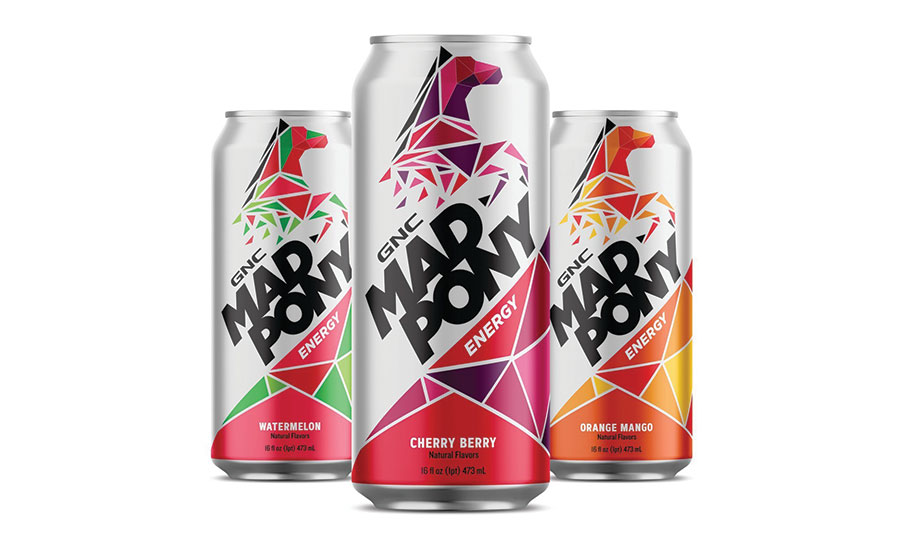
GNC Holdings Inc. released MAD PONY ENERGY, which is fortified with nature-based extract NeuroFactor. (Image courtesy of GNC Holdings Inc.) National Geographic kicked off 2020 with a new iteration of its TV show “Brain Games.” With host Keegan-Michael Key, mentalist Lior Suchard and field correspondent and neuroscientist Cara Santa Maria, the reimagined season challenges A-list celebrities to exercise their brain power. Although the average consumer will not see their own cognitive skills put to the test on cable TV, consumers across every age demographic are noticing the increasing importance of brain health .
“A few years ago, the cognitive health market was dominated by anti-aging supplements marketed toward a select group of consumers,” says Andrew Wheeler, vice president of corporate marketing for FutureCeuticals, Momence, Ill. “Now, people from every stage of life are interested in products with cognitive benefits. And, according to Mintel, each segment has unique needs and goals defined by the demands they face.”
For seniors, those needs include maintaining and improving cognitive function, Wheeler notes.
Katie Ferren, vice president of sales and marketing for Blue California, Rancho Santa Margarita, Calif., adds that as the baby boomer generation is closer to passing age 65, cognitive impairment related issues are expected to greatly increase. “An estimated 16 million Americans have [mild cognitive impairment] (MCI) and 5.1 million Americans aged 65 years or older may currently have Alzheimer’s disease, the most well-known form of cognitive impairment,” she says. “This number may rise to 13.2 million by 2050. As a result, baby boomers are seeking solutions to help fight mild cognitive decline.”
Along with Alzheimer’s, another cognitive issue is gaining attention: anxiety and stress. “Nearly two-thirds of U.S. adults experienced a cognitive health issue, according to the 2018 Segmentation of the Market for Cognitive Health Supplements report,” Ferren says. “Over half (55 percent) of consumers feel stressed throughout the day, 45 percent worried, and 22 percent angry — the highest level in the past 10 years, according to Gallup’s 2019 Global Emotions Report.”
Steve Fink, vice president of marketing for PLT Health Solutions, notes this is among factors that motivated the Morristown, N.J.-based ingredient supplier to help reach underserved consumers when it comes to cognitive health.
“At PLT Health Solutions, recently we have been focusing on what we consider to be an underserved demographic — the 18-54 age range,” he says. “Within this group, we see intense interest in issues such as ‘peak performance,’ ‘well-being’ and ‘quality of life.’ The market opportunity with this group is massive. Peak performers, including knowledge workers and students, make up 40 percent of the U.S. population and are growing.
“Stress affects 75 million people in this group and the effect of stress on other aspects of cognitive function is significant,” Fink continues. “Similarly, the impact of cognitive performance on other aspects of life is becoming better understood by this demographic — as evidenced by the introduction of ingredients to improve mental performance in exercise via sports nutrition products and as a means of easier weight management.” Wholesome solutions
Although the need for cognitive health support spans all age demographics, research shows that consumers are seeking solutions from natural sources. Designed with ingredients like green tea extract, B vitamins, choline, and 95 mg of caffeine to help support increased focus, reaction time and mental stamina, RESPAWN was developed from the ground up for gamers and by gamers, according to the company. (Image courtesy of Respawn Pte. Ltd.) “There has been a greater focus on holistic support to help improve cognitive health issues such as mild cognitive impairment,” Blue California’s Ferren says. “For example, regular physical exercise has known benefits to help prevent or slow cognitive decline. A diet rich in fruits and vegetables is another heart-healthy choice that also may help protect cognitive health. Intellectual stimulation may prevent cognitive decline. Studies have shown that computer use, playing games, reading books and other intellectual activities may help preserve function and prevent cognitive decline. Social engagement may make life more satisfying, help preserve mental function and slow mental decline.”
This holistic approach also is benefiting the supplements industry.
“Holistic wellness trends have shaped every part of the supplement market,” FutureCeuticals’ Wheeler says. “Lines have been blurred between categories as consumers have shifted their focus to achieving overall health.
“For example, the sports nutrition and cognitive health categories have melded together as consumers recognize that improving cognitive performance is equally important as improving physical performance,” he continues. “Rising interest in supplements that help consumers relax and optimize their mental performance shapes new product development into a daily regimen focused on multiple areas of mental health solutions.”
Wheeler adds that clean-label trends have helped advance the evolution of the cognitive health market. “The trends favor whole foods and natural ingredients over unfamiliar and ‘unnatural’ sounding alternatives,” he explains. “As consumers continue to find whole food-inspired remedies and alternative medicines, expect to see more ancient herbal and botanical remedies hit the market.
“Consumer interest in botanical ingredients and ancient herbal remedies has prompted more product launches containing rediscovered botanicals,” Wheeler continues. “The product benefits range from stress relief to improved mood, focus and overall cognitive support.”
To support consumer interest in botanicals and the like, FutureCeuticals offers NeuroFactor, a botanical derived from whole coffee fruit that has been clinically shown to increase levels of brain derived neurotrophic factor (BDNF), a key neuroprotein known to be vital for learning, memory and higher thinking, Wheeler adds.
PLT Health’s Fink also highlights the influence that natural trends have had on the market, pinpointing the use of origin stories when it comes to marketing to consumers.
“People want to know that an ingredient is natural, traceable, sustainable and is produced via Fair Trade,” Fink says. “For example, all raw plant material used in the production of Zembrin Sceletium tortuosum, cultivated from a proprietary selection of non-GMO Sceletium sp. Sceletium sp., is a protected species and wild harvesting is not sustainable for commercial products. Zembrin is produced only from cultivated plant material to avoid depleting threatened wild plant stocks, and to ensure consistent product quality.”
Zembrin is PLT Health’s studied extract […]
How to Eliminate Stress and Anxiety with Exercise and CBD

The stress is found at every stage of your life.
You have cutoff time pressures busy working.
Or then again, your child is having issues at school.
Or on the other hand, a wellbeing concern is bothering you. Abruptly, nervousness has assumed control over your life.
Uneasiness is something we as a whole vibe, eventually, somehow or another or another. It might look and feel somewhat changed for everybody, which is the reason a few people who endure tension willingly volunteer to look at an online pet shop, with expectations of having the option to deal with the side effects adequately. It’s a characteristic response to a ‘danger’ that occurs at one point in our body’s pressure reaction. In these circumstances, your thoughtful sensory system and the hypothalamic-pituitary-adrenal (HPA) pivot change into high gear. Hypothesis about exercise and anxiety
At the point when we raise our pulse and our taking with regards to work out, we discover that these physical signs don’t really prompt a nervousness assault. We become increasingly alright with our bodies being stirred, and we don’t consequently expect that the excitement is poisonous.
We use exercise to battle the side effects of nervousness, and in this way treat the state. While your degree of wellness improves, you work on the nervousness characteristic. After some time, you show the cerebrum that the indications don’t generally spell fate and that you can endure. You’re reconstructing the psychological distortion. How does practice help ease nervousness? Engaging in practice redirects you from the very thing you are restless about.
Moving your body diminishes muscle pressure, bringing down the body’s commitment to feeling restless.
Getting your pulse up changes cerebrum science, expanding the accessibility of significant enemy of uneasiness neurochemicals, including serotonin, gamma-aminobutyric corrosive (GABA), mind inferred neurotrophic factor (BDNF), and cannabinoids.
Exercise enacts frontal districts of the cerebrum liable for official capacity, which helps control the amygdala, our responding framework to genuine or envisioned dangers to our endurance.
Exercising consistently develops assets that reinforce strength against stormy feelings.
Unwind by relaxing
At the point when you’re feeling on edge, you may see that your pulse and breathing get somewhat quicker. You may likewise start to perspire and feel woozy or tipsy. At the point when you’re restless, getting your breathing leveled out can loosen up both your body and psyche.
To get your breathing leveled out when you’re restless, follow these means:
> Sit in a tranquil and agreeable spot. Put one hand on your left side of the chest and the other on your stomach. Your stomach should move more than your chest when you take in profoundly.
Take a moderate and customary breath in through your nose. Watch and sense your hands as you take in. The hand on your chest ought to stay still while the hand on your stomach will move marginally.
Breathe out through your mouth gradually.
Repeat this procedure, at any rate, multiple times or until you start to feel your uneasiness diminish.
Indeed, even short explosions of activity — only 10 to 15 minutes one after another — can improve your wellness and your state of mind. Connolly suggests that her patients get a sum of 30 at least six or seven days per week. The activity impact
Practicing begins a natural course of occasions those outcomes in numerous medical advantages, for example, securing against coronary illness and diabetes, improving rest, and bringing down circulatory strain.
High-power practice discharges the body’s vibe acceptable synthetic compounds called endorphins, coming about in the “sprinter’s high” that joggers report. Yet, for a large portion of us, the genuine worth is in low-force practice continued after some time. That sort of action spikes the arrival of proteins called neurotrophic or development factors, which cause nerve cells to develop and make new associations. The improvement in cerebrum work causes you to feel better. How anxiety becomes chronic
These days people suffering from anxiety have become commonplace, and this is no exaggeration. We often hear people having bouts of anxiety where feelings of imminent danger, unpreparedness, and dread recur now and then, resulting in physical reactions and racing thoughts. Where do these feelings originate? Here genetics plays a significant role. Small differences in the neurotransmitters or hormones can largely impact the way people respond to stress.
Yet another piece of the puzzle comprises lifestyle and environmental toxins that affect one’s neurochemistry. Probably the largest source is stress, to more precise chronic stress that trains the brain in feeling anxious. People may initially suffer from small bursts of anxiety, which, if left untreated, can wreak havoc everywhere having consequences such as fatigue, weakened immune system, digestive problems, heart disease, and depression, among others. The good news is, for people that are always stressed, can now count on CBD to help improve their symptoms.
That it’s conceivable to be apparently dynamic however inside topsy-turvy can veil exactly how basic melancholy and uneasiness are. In any one year, around 10 percent of the U.S. populace would meet the demonstrative criteria for misery, and around 20 percent for nervousness. How does CBD work? Herbs and plants are known for their different relaxing and calming properties, yet cannabis plants have proven immensely helpful to curb anxiety symptoms and other stress-related disorders. CBD works via interacting with the body’s endocannabinoid system that has receptors in the nervous system, brain, and throughout the body, which are accountable for immune function, behavior, sleep, memory, and mood. The human body produces cannabinoids naturally, such as anandamide that is a cannabinoid related to runner’s high. Happy and blissful feeling one gets to do the physical exercise.
A similar response is elicited artificially by CBD that anandamide does that explains as to why this can promptly aid with feelings of depression and anxiety. CBD can also assist with anxiety’s long-term effects owing to its ability to interact with the serotonin receptors present in the brain, the lack of which leads to negative thoughts, low energy, and a depressed mood.
Time and again, CBD has proved effective in treating anxiety-based […]
Nootropics 101: Are ‘Smart Drugs’ Right for Your Brain?

In the never-ending quest to maximize brainpower, a growing number of seekers are entering the world of nootropics. At the very least, it’s a fun word to pronounce: “new-tropics” is correct, but call them “no-o-tropics” if you like. What exactly are nootropics? More importantly, should you add them to your diet?
Many factors contribute to brain fog and mental decline. Memory loss is a natural byproduct of aging, but the issue can be accelerated as a result of modern living. Screen time, the perpetual lack of sleep that seems to plague most working adults, and poor diet all contribute to less than optimal cognitive performance.
While screen time may lead to mental decline, it’s also one of the main reasons people are interested in boosting brain function. They simply want to keep pace with life’s increasing speed. Performance Enhancement
Nootropics are also being used to improve brainpower in the workforce. A recent article cites the imminent rise of artificial intelligence as a need for cognitive assistance. If workers are expected to go brain-to-brain with computers, we may need more than a good night’s sleep and a cup of coffee.
The market demand for brain enhancement is on the uptick. Credit the aging brains of Baby Boomers and success-seeking Millennials. The global nootropics market value is expected to surpass $5 billion by 2024, according to recent data by Zion Market Research.
According to Archie Marks, creator of Nootropic supplement Nitrovit, “We can already see how artificial intelligence is automating so many processes, turning jobs into software. The new required skills will be those AI lacks—ingenuity, morality, confidence and rapport building skills, big picture thinking and creativity among others—and I believe Nootropics can help with that.” What Are Nootropics?
“Nootropics is a general term used for ‘smart drugs,’ supplements or other substances that can serve as cognitive enhancers. The primary benefit of consuming nootropics is that they can improve executive functioning, memory, creativity, focus, and motivation. They can also significantly improve accuracy and help individuals feel that they can accomplish tasks that are at hand,” Dr. Nicole Avena, Ph.D. and assistant professor of neuroscience at Mount Sinai School of Medicine in New York told Vogue India . Natural Nootropics
1. Caffeine
If you had a cup (or three) of coffee this morning, you’re a nootropic user. Caffeine, the main stimulant in coffee, tea, and cola, is known for its ability to foster mental alertness. It’s the reason these are the most commonly consumed beverages around the world.
Caffeine is a drug, though, and an addictive one at that. Consuming too much (like in energy drinks) can create negative side effects. It may also not be suitable for women when pregnant or nursing. 2. Adaptogens
The botanical world is filled with brain food (specifically ginseng and Rhodiola), which may help boost cognitive performance. Ginseng has been widely used for thousands of years. It mimics caffeine in its ability to provide an energy boost. But as an adaptogen (which means it can respond to the body’s stasis), it can also level off too much energy. For someone prone to frantic mental states, this may help overall cognitive focus and performance.
Like ginseng, Rhodiola is an adaptogen that can also be used for its neuroprotective benefits. One study found it beneficial in fighting neurodegenerative diseases. Another linked it to enhanced mood. 3. L-theanine
If you drink tea for the caffeine buzz, you’re also exposing yourself to another nootropic: L-theanine. This amino acid is found in green and black tea or supplement form. It’s been studied for its benefits on the brain. One review linked it to increased alpha wave production, which can decrease anxiety and create a relaxed mental state while also enhancing alertness. Further research points to the benefits of consuming caffeine and L-theanine together. This is no surprise, considering they both naturally occur in the tea plant. 4. Omega-3 fatty acids
The buzz about Omega-3 fatty acids is warranted. Our bodies need them all over, from skin and joints to heart and brain health. Foods high in healthy omega fats (there are a number of omegas that play key roles in our health) range from seeds like hemp, flax, and chia to walnuts and even vegetables like spinach and brussels sprouts. Fish are known for their omega fatty acid content, too, but can also contain high levels of heavy metals such as mercury, which is not recommended during pregnancy or nursing. 5. Ginkgo biloba
Another botanical that gets a lot of brain buzz is the Ginkgo Biloba leaf. A 2016 study concluded that the herb appears to be “potentially beneficial” for brain function, including reducing dementia symptoms. Synthetic Nootropics
You’ll need to see a doctor for prescription nootropics, which for some people may be the best option. These can be particularly beneficial for people that already have a brain disorder diagnosis (such as ADHD).
Synthetics can include Modafinil, Adrafinil, and Noopept. The Racetams family of compounds includes piracetam, pramiracetam, phenylpiracetam, and aniracetam.
Like natural nootropics, prescription drugs can alter neurotransmitters in the brain and lead to enhanced focus and clarity. The racetam family specifically may also have neuroprotective effects that delay or prevent cognitive decline over time. Nootropic Side Effects
Possible side effects always depend on what you’re taking. They can also contraindicate with other medications or supplements.
“Prescription drugs [like Adderall] can cause insomnia, headaches and weight loss in some individuals,” warns Dr. Avena. “Even caffeine, which is probably the most commonly used nootropic, can have side effects of agitation, shakiness and insomnia in some individuals, depending on their tolerance to it.”
Avena also says not all nootropics are addictive or dangerous, like omega-3s. As with any changes to diet or supplement regimen, it’s always a good idea to chat with your doctor first.
What are the unknown health benefits of Honey ?

As we all know, Honey is one of the oldest sweeteners on earth since ancient times . Honey has been used as both a food and medicine. It is very high in beneficial plant compounds and offers several health benefits here are some amazing benefits of honey which will change your life for good.
First benefit of honey is that it clears your skin. Even if you have probably heard that sweet things make your skin look and feel unhealthy opening the pores and making it dirtier, it doesn’t refer to honey. If you don’t eat a tablespoon full of honey every day, that is in fact reason for your poor skin health .
In reasonable quantities, honey can be very beneficial . It is a rich source of antioxidants that means its regular consumption will result in getting rid of toxins. Also, its antibacterial properties will considerably improve the condition of your skin . You may not only enjoy a spoonful of honey once a day to make your skin glow but also try to apply honey externally.
You can use it as a moisturizer, light scrub, pore cleanser and even treatment of acne.
To make a moisturizing mask you will need to take one teaspoon of honey only raw and spread it on your dry and clear skin. Let it stay this way for about 15 minutes. After 15 minutes, wash it with some warm water. The thing is honey has a quality that allows it to absorb moisture from the air and transfer it to the skin and your face receives the hydration that lasts longer and stays in the layers of skin where it is most needed.
This is one of the main health benefits of consuming honey . Especially if you are concerned about extra weight.
Do you know Why your weight doctors recommend excluding all sugar-based sweets from your diet but not honey ? That’s because the sugar present in honey has a different composition from that found in other sweeteners. It actually boosts your metabolism which ultimately results in weight loss. How can you lose weight eating a sweet substance ?
Well, it is a reasonable question you see unlike its refined white colleague (sugar) honey also contains minerals and vitamins beneficial for your body. What is more, you will find in this product lots of such nutrients as fiber, protein, and water so it is not just empty calories
Lowered cholesterol is extremely important for some functions of our body at the same time it leads to the cause of death. There are two types of cholesterol. All the problems root from the bad cholesterol.
Honey has no bad cholesterol at all rather its constituent components and vitamins contribute to decreasing levels of the bad cholesterol. Daily consumption of honey has a beneficial effect on the level of antioxidant compounds of the body that can fight excess cholesterol. Consumption of honey also adds to the good cholestrol.
It is scientifically proven that due to antioxidants present in honey, it prevents arteries from narrowing that can also result in heart failure, memory related problems and head aches. Having honey with the warm water is enough to prevent that.
A study has been conducted that involved 25 men from 18 to 70 years old they were given a big glass of water with four tablespoons of honey in it. After taking this drink for some period of time it was noted that the men had raised levels of antioxidants in their blood.
Have you noticed that you have lost the ability to concentrate ? Do you catch yourself being absent-minded ?
Don’t worry because it is also proven in many studies that honey can fight stress, restore the cellular antioxidant defense system and as a consequence improve memory .
The calcium contained in honey is easily ingested by the brain which is very beneficial for its functioning. In another long-lasting study which was conducted from 2003 to 2008 and involved about 3,000 elderly people, it was proved that honey significantly lowers the chances of developing such a terrible condition as dementia .
To make your own honey cough syrup simply dissolve 3 tablespoons of raw honey in a quarter cup of warm water and the juice of half a lemon. Have this drink during cold and cough. It is extremely soothing you can even add 2 teaspoons of ginger juice for added benefits.
This benefit of honey is unknown to many people. If you can’t control yourself in parties while drinking then this benefit is meant for you. A few tablespoons of honey which is packed with fructose will help speed up your body’s metabolism so as to restore sleep. Raw honey promotes restorative sleep . Adding a tablespoon of honey in the warm milk is best for ideal sleep. This will increase Melatonin and help you sleep better.
The next unknown health benefit of honey is it helps to boost the metabolism and digestion. There’s nothing simpler than eating one or two spoons of honey just before you go to bed, in this case, it will also boost your metabolism that tends to slow down at night.
For 30 minutes before you have breakfast, in this case, it will also help with any stomach disease you might have. It is always recommended to have it while the stomach is empty . It helps to prevent various diseases related to the digestion. When honey passes through stomach, it kills germs and heals many small wounds of the mucous membrane .
Because of the sugar contained in honey, it increases the level of insulin in the blood which then releases serotonin. Serotonin is further transformed into melatonin (a hormone that promotes quality sleep).
By taking just one spoonful of honey before going to bed people are amazed by it’s results. They call it as “ golden medicine ” and claim that they have the best and most restful sleep ever.
Honey is a fantastic moisturizer especially on dry patches like your […]
Pure Cannaleaf CBD Oil & Gummies
Pure Cannaleaf CBD Oil And Gummy Reviews & Facts — It brings you all the health benefits. These are drops designed to provide many health benefits such as eliminating pain and discomfort, it has been scientifically designed to be the best product against diseases, such as osteoarthritis, inflammation among other. We know that thousands of people want to get rid of the pains that certain diseases cause and it promises pain relief and healing of any kind.
This hemp oil content comes from medically grown cannabis plants. It is important to note that cannabidiol oils used for medicinal purposes are usually extracted from hemp with unusually high CBD levels and low THC levels. Pure Cannaleaf CBD Oil goes through the use of hemp extract, which contains only full spectrum CBD cannabidiol.
It is a multi-healing medical supplement that has been formulated to combat various human diseases that people encounter on a daily basis. In the modern world, where life has become so hectic that many people are victims of various diseases due to poor nutrition, lack of sleep and exercise, we need the right treatment.
Although these physical and mental conditions are sometimes not very serious, they can harm people if they do not care for them in time. The use of CBD as part of the diet can cause common ailments to disappear, as well as pain, inflammation, anxiety, insomnia, etc. Buyers who want to purchase the Pure Cannaleaf CBD Oil and want to know more about the product can find useful information below.
This CBD oil is a multiple curing supplement to help you improve your mental and physical health. When you use Pure Cannaleaf CBD Hemp Oil , the compound works in your immunity system. Don’t worry if you haven’t heard anything about the overall health system. It was discovered only in the eighties. Imagine the endocannabinoid system as a machine in your brain and throughout the nervous system helping to mediate various physiological processes: pain, mood, appetite, memory, sleep, etc. A well-rounded health care system means a healthy body.
But does it work, too?Pure Cannaleaf CBD Oil & Gummies are a natural health care solution that primarily repairs the body’s ECS (endocannabinoid system). It regulates everything from relaxation, eating, sleeping, inflammation to cognitive functions. In short, the ECS is responsible for ensuring that the whole body functions optimally.
So what is it and how does it work? CBD oil contains many important ingredients. The body can’t do this on its own, but they’re vital to us. Of particular importance are the minerals and proteins contained. In this hemp oil, you can also find unsaturated vitamins, fiber and fatty acids that are added to a healthy body. However, the oil is particularly valuable to our health for the cannabinoids contained.
The CBD extract in this natural oil comes from hemp plants. Full spectrum means that the Pure Cannaleaf CBD Oil does not isolate any particular cannabinoid, but extracts all the cannabinoids available in the plant.
The following ingredients can be found in the oil composition: Cannabinoids.
Omega-3 and omega-6 fatty acids.
Gamma-linolenic acid.
Vitamins.
Minerals and trace elements.
Chlorophyll.
Carotenoids
Cannabinol composition has been shown to significantly relieve pain, especially chronic inflammatory pain and neuropathic pain. Pain is usually treated with a combination of therapy and medication. However, Pure Cannaleaf CBD Oil has proven to be an effective alternative for many patients. It has stopped the progression of arthritis and has effectively protected the joints in at least one study.
Here are the benefits you can expect from Pure Cannaleaf CBD Oil:
Physical action: It stimulates an anti-inflammatory response that helps relieve all forms of chronic pain. Regular use also supports joint health, mobility and flexibility.
Psychological effect: It helps in the positive regulation of mood patterns that help reduce anxiety and stress. It also promotes better sleep cycles and in some cases can be a safe remedy for depression and bipolar disorder.
Neurological effect: the positive effects on the neural system contribute to the reduction of age-related cognitive decline. It also helps improve focus, alertness and memory while minimizing the frequency of migraines and headaches.
Reduces the level of anxiety: The product can Pure Cannaleaf Hemp Oil , forum to help reduce anxiety and feeling uncomfortable. This is possible because oil acts on neurotransmitters in the brain to relax the mind.
Osteoporosis can be cured: osteoporosis is when bones become brittle and weak. This problem can be counteracted by CBD oil, which strengthens testing, evaluation, experiences bones and improves bone health.
Fight Depression: When you’re battling depression, oil can help you test this serious mental problem for you, evaluating and fighting. This is possible because the product affects the chemical structure of the brain, improves mood and combats depression.
Reduces nausea: This oil can also help reduce nausea. This is done by supporting digestive and stomach functions.
Neuroprotective agent: This is a neuroprotective agent, meaning it can protect its neurological function from degradation and decreased. It also improves memory storage.
Glaucoma can be cured: It is known as vasorelaxans and a possible cure for glaucoma. This prevents eye disorders and the risk of blindness, which comes from reduced blood flow to the optic nerve.
Anti-inflammatory properties: It also acts as a powerful anti-inflammatory, which can combat pain and pain. It may also be effective in treating arthritis and other similar disorders. Against Myocardial Ischemia: Thisproduct can also combat myocardial ischemia by improving the flow of oxygenated blood to the heart. Prevent Plaque Buildup: When using this supplement, you can expect better arterial function. This is possible because CBD can help prevent plaque from accumulating and blocking the arteries, causing atherosclerosis. Better appetite control: It contains CBD, which has been shown to help suppress eating disorders and control appetite. Anti-prokinetic attributes: This oil can help counteract acid reflux problems by improving gastrointestinal motility. This, in turn, can help improve gut health and nutrient absorption capacity. Protects against free radicals from damage: It can be used cheaply as an antioxidant that protects brain cells from free […]
Let there be ‘circadian’ light

Researchers at UW Medicine have decoded what makes good lighting – lighting capable of stimulating the cone photoreceptor inputs to specific neurons in the eye that regulate circadian rhythms.
Their study, “A color vision circuit for non-image-forming vision in the primate retina,” published in Current Biology Feb. 20, identifies a cell in the retina, which plays an important role in signaling our brain centers that regulate circadian rhythms, boost alertness, help memory and cognitive function, and elevate mood.
These effects have been attributed to a pigment in the eye called melanopsin, which is sensitive to blue light, but researchers say cone photoreceptors are a thousand times more sensitive to light than melanopsin. The cone photoreceptor inputs to the circadian circuity respond to short wavelength blue light, but they also respond strongly to long wavelength oranges and yellows and contrasting light – the colors at sunrise and sunset.
Lead author Sara Patterson, a graduate student in neuroscience at the University of Washington School of Medicine, said how we set our internal clocks to the external light-dark cycle has been studied a lot. But how the changes in the color of light affect our brain has not.
“Color vision used for something other than color perception was the most exciting part for me,” she said.
In the study, Patterson and colleagues identified a cell known as an inhibitory interneuron or amacrine cell in the retina, which signals to photosensitive ganglion cells that affect our circadian brain centers. The researchers said these amacrine cells provide “the missing component of an evolutionary ancient color vision circuit capable of setting the circadian clock by encoding the spectral content of light.”
Patterson said so little is known about rare retinal circuitry that it was possible to find a new blue cone cell. She said there is a lot more to be discovered about how blue cone cells are projecting to other areas of the brain.
While sunrise lights, blue lights and seasonal affective disorder (SAD) lights have all tried to capture benefits of natural light, they haven’t been that effective because they are missing key science data, said corresponding author Jay Neitz, professor of ophthalmology at the UW School of Medicine, a scientist at the UW Medicine Eye Institute, and a well-known color vision researcher. He said the science behind SAD lights, for example, is to make lights hundreds of times brighter than normal lights to stimulate melanopsin.
“This research all started because of our interest in the health benefits of having natural light that occurs at the right time of day that helps regulate our circadian clock and our mood and alertness,” Neitz said.
The University of Washington has licensed technology based on this discovery to TUO , a lighting technology company that will be selling white LED lightbulbs that will incorporate undetectable sunrise and sunset wavelengths for commercial use.
###
The work was supported by the National Eye Institute and Research to Prevent Blindness. Other collaborators include James A. Kuchenbecker, research scientist/biomedical engineer with the Department of Ophthalmology at the University of Washington School of Medicine; James R. Anderson, research scientist/software architect with the John A. Moran Eye Center at the University of Utah School of Medicine, and Maureen Neitz, professor of ophthalmology at the University of Washington School of Medicine.
Disclaimer: AAAS and EurekAlert! are not responsible for the accuracy of news releases posted to EurekAlert! by contributing institutions or for the use of any information through the EurekAlert system.
Researchers decode the science behind good lighting
Researchers at UW Medicine have decoded what makes good lighting – lighting capable of stimulating the cone photoreceptor inputs to specific neurons in the eye that regulate circadian rhythms. Their study, “A color vision circuit for non-image-forming vision in the primate retina,” published in Current Biology Feb. 20, identifies a cell in the retina, which plays an important role in signaling our brain centers that regulate circadian rhythms, boost alertness, help memory and cognitive function, and elevate mood.
These effects have been attributed to a pigment in the eye called melanopsin, which is sensitive to blue light, but researchers say cone photoreceptors are a thousand times more sensitive to light than melanopsin. The cone photoreceptor inputs to the circadian circuity respond to short wavelength blue light, but they also respond strongly to long wavelength oranges and yellows and contrasting light – the colors at sunrise and sunset.
Lead author Sara Patterson, a graduate student in neuroscience at the University of Washington School of Medicine, said how we set our internal clocks to the external light-dark cycle has been studied a lot. But how the changes in the color of light affect our brain has not.
“Color vision used for something other than color perception was the most exciting part for me,” she said.
In the study, Patterson and colleagues identified a cell known as an inhibitory interneuron or amacrine cell in the retina, which signals to photosensitive ganglion cells that affect our circadian brain centers. The researchers said these amacrine cells provide “the missing component of an evolutionary ancient color vision circuit capable of setting the circadian clock by encoding the spectral content of light.”
Patterson said so little is known about rare retinal circuitry that it was possible to find a new blue cone cell. She said there is a lot more to be discovered about how blue cone cells are projecting to other areas of the brain.
While sunrise lights, blue lights and seasonal affective disorder (SAD) lights have all tried to capture benefits of natural light, they haven’t been that effective because they are missing key science data, said corresponding author Jay Neitz, professor of ophthalmology at the UW School of Medicine, a scientist at the UW Medicine Eye Institute, and a well-known color vision researcher. He said the science behind SAD lights, for example, is to make lights hundreds of times brighter than normal lights to stimulate melanopsin. This research all started because of our interest in the health benefits of having natural light that occurs at the right time of day that helps regulate our circadian clock and our mood and alertness.” Jay Neitz, professor of ophthalmology, UW School of Medicine The University of Washington has licensed technology based on this discovery to TUO, a lighting technology company that will be selling white LED lightbulbs that will incorporate undetectable sunrise and sunset wavelengths for commercial use.
How sunrise, sunset impact our circadian rhythms

It’s no wonder Alaskans keep track of the sunrise and sunset — it helps keep our rhythms in check.
Researchers at the University of Washington say that wavelengths during sunrise and sunset have the greatest influence on our brains when it comes to regulating our circadian rhythms.
According the National Sleep Foundation, your circadian rhythm is a “24-hour internal clock that is running in the background of your brain and cycles between sleepiness and alertness at regular intervals. It’s also known as your sleep/wake cycle.”
The university’s findings were published in “Current Biology” and identifies a cell in the retina, which the university says helps signal the part of our brains that regulates circadian rhythms, boost alertness, help memory and cognitive function, and elevate mood.
“These effects have been attributed to a pigment in the eye called melanopsin, which is sensitive to blue light, but researchers say cone photoreceptors are a thousand times more sensitive to light than melanopsin,” a release from the university stated . “The cone photoreceptor inputs to the circadian circuity respond to short wavelength blue light, but they also respond strongly to long wavelength oranges and yellows and contrasting light – the colors at sunrise and sunset.” Lead author Sara Patterson, a graduate student in neuroscience at the University of Washington School of Medicine, said how changes in the color of light affect our brain has not been studied a lot.
“In the process we found that there’s a few other cells that are also receiving this blue cone input and potentially more uses for color vision, not for color perception, but for other purposes,” she said. “These cells are projecting to other areas in the brain doing unknown functions and we’re very excited to figure out what those cells are doing and how it’s relevant for our vision.”
So what about those mood lights that are common in Alaska during winter? They’re hundreds of times brighter than normal lights commonly used — and they help.
“But we’re thinking about the fact that maybe just the regular lights that people have in their office or their room or get up in their bathroom in the morning and get some good light that’s going to be healthy for you,” said Jay Neitz, a professor of ophthalmology at the University of Washington School of Medicine.
The research was born out of their interest in the health benefits of natural light.
MORE HEALTH NEWS:
More than just static

Pink noise helps improve memory and promote deep sleep
We’re college students. That means we all have a few things in common. We overload our schedules with extracurricular activities, have piles of work for classes, and are stressed trying to figure out our futures.
The one time we can escape from all of these external pressures that are weighing down on us is at night, when we can finally fall asleep at an ungodly hour after we finish everything.
But if you’re a naturally anxious and stressed person like me, falling asleep can be a challenge. I have a hard time turning my brain off at night. It’s hard for me to relax and fall asleep. No amount of melatonin or a heavy weighted blanket helped me fall asleep earlier.
Then I discovered a natural remedy that actually helped me fall asleep.
Pink noise.
Now I know what you’re thinking. What is pink noise? And is it actually effective?
The short answer is that pink noise is a combination of high and low frequencies. Because it is a mix of high and low sounds, pink noise is more balanced and natural than the more famous white noise. Pink noise consists of all the frequencies we can hear, but it is more intense at lower frequencies which makes it a deeper sound. There are lots of sounds in nature that pink noise are similar to like rain and wind and heartbeats.
Research conducted at Northwestern University has proven that playing pink noise while you sleep actually helps improve memory. The studies also found that playing more natural music or sounds helps improve sleep, and sleep consequently improves your brain and body.
A 2017 study discovered a positive correlation between listening to pink noise and deep sleep, which is a sleep that supports memory and makes you feel more refreshed in the morning. A different 2012 study found that a steady pink noise helps slow down brain waves which increase a sound sleep.
I never Googled or researched pink noise before I started listening to it before bed. There was just a period of a few days when I wouldn’t be able to fall asleep at night so I would still be awake at 2:30 in the morning.
After a few nights of this, I just typed “sleep” into the search bar of Spotify. I found some meditation playlists and acoustic guitar albums. But the playlist that caught my attention the most was one simply called “Pink Noise.”
If I’m being honest with you, I didn’t really expect it to work. I turned my volume up and played the first song “Soft Pink Noise – Mid Boost” and I was very abrasive. It was very rough and jarring. It was a very granular sounding and was a very harsh frequency. I almost turned it right off and moved on to something else. But I gave it another try. And I’m so glad I did.
I skipped to the third song “Pink Noise (LPF4k6dB) 5 min” and turned the volume down to half-way. Instead of using headphones, I put my phone on my bedside table. I laid down and closed my eyes.
I fell instantly to sleep. And when I woke up to my alarm in the morning, I felt very rejuvenated. I was the most energized in the morning that I had been in ages. I didn’t feel groggy or muddled. I felt revamped and refreshed.
I was surprised, but I wasn’t about to jump on the bandwagon just yet. I hadn’t gotten a lot of sleep the previous days and it was late when I turned it on. But I tested it out the next night and it had the exact same effect.
Pink noise is hard to describe itself because it is just sustained frequencies. But it is easy to explain and describe how it makes me feel.
Pink noise is very soothing. It feels reassuring. For someone who is very anxious, pink noise makes me feel comforted. Knowing the sound is constant, stable, and doesn’t change much is soothing and tranquil.
Pink noise is sleep-inducing because it makes me feel calm and relieved. It is a comforting sound to have playing in the background when trying to sleep because it is enough noise to make you feel secure and drown out unnerving silence. Even though it can seem harsh and shrilly at first, if you find the volume that works for you personally, it can seriously help you fall into a deep, restorative sleep.
People will find different volumes and frequencies of pink noise more relaxing. Everyone’s ears hear slightly different and find certain frequencies more relaxing. If you find the right combination for you, pink noise can truly change your sleeping habits for the better.
As an anxious person who has trouble sleeping, I now live by pink noise. I have played it every night for the past two months and will continue to play it for the foreseeable future. I never realized that something seemingly so straightforward, effortless, and arbitrary could impact me in such a beneficial way.
Now, instead of taking multiple doses of melatonin or going though restless nights where sleep eludes me, I turn on pink noise and fall asleep in the blink of an eye.
~Emma Dixon, CNUTV Director~
Prevent heart disease, preserve brain health, shed unwanted weight: Things to add to your daily diet
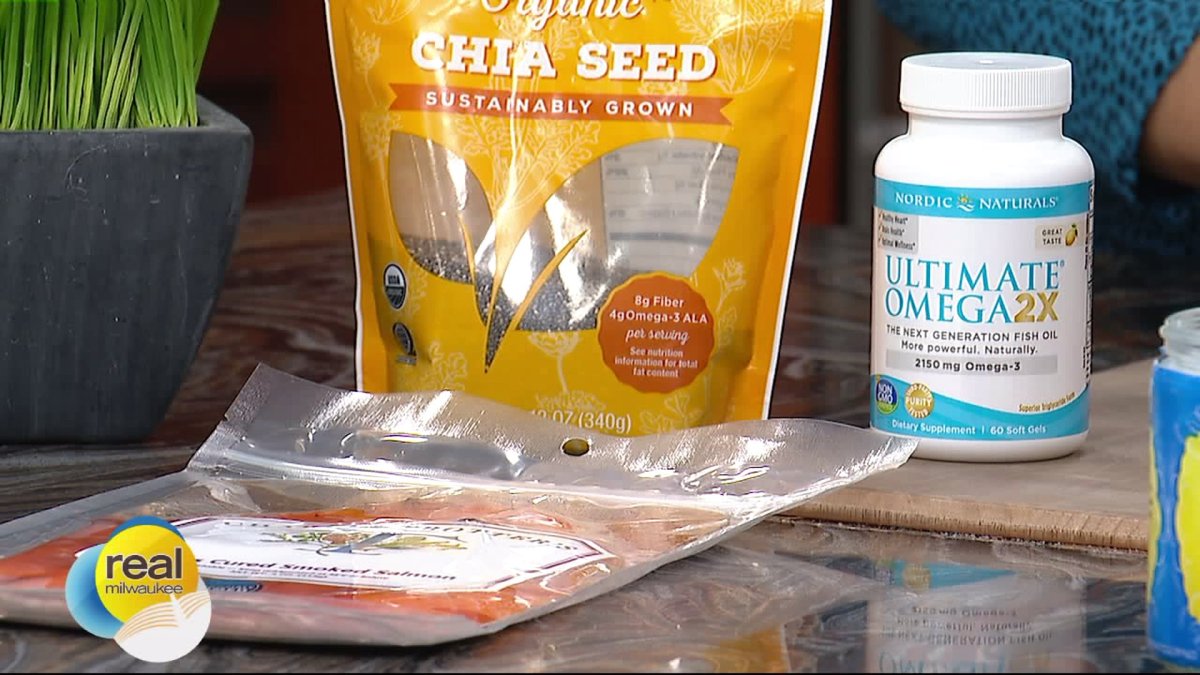
MILWAUKEE — Just like all calories are not created equal — neither are all fats! Health coach Heather Ferber joins Real Milwaukee with five fats that are actually good for us.
For the past few decades, Americans have been told that if we eat a low-fat, non-fat diet we would lose weight and live our healthiest lives. But it turns out the science really wasn`t there to support recommendations for living this type of lifestyle.
Turns out our ancestors were right all along! Healthy fats can be good for us. Health Coach Heather Ferber is here today, during American Heart Health Month, to talk about five healthy fats for our bodies.
1. Extra Virgin Olive Oil (EVOO) has profound benefits on heart health, high levels of antioxidants improve memory and cognitive function and work as an anti-inflammatory. But it`s important to purchase quality olive oil!
Be aware of cheap brands (less than $10/liter), check the harvesting date, opt for dark bottles and avoid ‘light,’ ‘pure,’ or a ‘blend’ as this is not top extra virgin quality. EVOO is best for low to medium heat cooking, making salad dressings and drizzling over cooked foods or bread.
2. Coconut Oil – rich in medium-chain fatty acids that are easy for the body to digest, saturated fats that promote heart health and brain function and antioxidants which give coconut oil an anti-inflammatory effect. Like olive oil, look for extra virgin varieties, which preserve the natural state of the oil.
Coconut oil is easy to incorporate into your diet. Use it for cooking or baking, or throw a tablespoon of MCT oil in your coffee or tea.
3. Butter – real organic butter preferably from grass-fed cows is the winner. SKIP all butter like substances, margarine and vegetable oil spreads. Butter contains a blend of omega 3 and omega 6 essential fatty acids that our body needs for proper brain and skin function.
Because of its low burning point (around 250 degrees F), butter is not great for cooking at high temperatures. Enjoy adding it to baked goods or putting on your sprouted toast or roasted vegetables after cooking.
Ghee is an Indian version of ‘clarified butter’ that has grown in popularity over the past few years. It`s lactose and casein free so if you suffer from lactose intolerance it`s a great alternative to butter. Ghee can be used for higher heat cooking and remains fresh for several weeks at room temperature.
4. Avocados – one of the healthiest fruits you can eat! Rich in monounsaturated fats which raise good cholesterol while lowering the bad, packed with Vitamin E to prevent free radical damage, and loaded with protein.
Look for medium ripe avocados that feel firm. Also comes in oil form which can be used for higher heat cooking, frying or grilling or you can drizzle it on your salad, sandwiches or veggies.
Avocado oil is good for higher heat cooking, frying and grilling./]5. Omega 3`s – essential fatty acids required by our bodies because we don`t make them. There are actually 3 different types of omega 3`s – ALA (alpha-linolenic acid), DHA (docosahexaenoic acid), and EPA (eicosapentaenoic acid) which the preferred sources being DHA and EPA.
Walnuts, chia seeds, flax seeds, and salmon are the best sources of omega-3`s. Many people choose to supplement here because it`s difficult to consume the recommended daily amounts of omega 3`s. I like to do my best to eat them and then add in omega-3 fish oil like that made from wild-caught Pacific salmon.
What Science Says About the Potential Healing Effects of Essential Oils
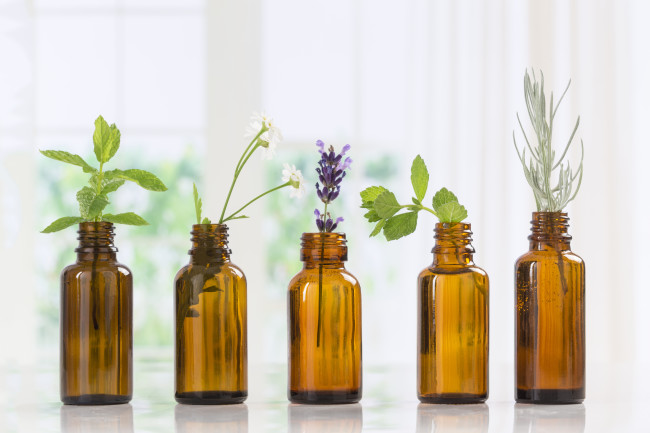
Are essential oils rooted in science, or are they snake oil? (Image: Shutterstock) Since the dawn of civilization, people have turned to the power of plants for healing purposes. But one folk medicine in particular seems more popular than ever: essential oils.
Today, there’s renewed interest in using essentials oils to improve physical or psychological well-being. One poll found that a third of Americans believe in the health benefits of essential oils and aromatherapy. No longer niche, these little vials of plant essence are a billion-dollar industry, favored by Gwyneth Paltrow and grandmas alike.
With around 90 essential oils on the market — each with their own purported healing qualities — there’s a so-called “cure” for practically everything. Lavender, sandalwood and Bergamot are popular essential oils for stress relief. Varieties like Ylang-Ylang and Jasmine are reputed to boost libido. Some, like lemon oil, are believed to address a laundry list of conditions: morning sickness, pain relief and acne, to name a few. But there’s a problem with essential oil claims: Science hasn’t caught up to their popularity.There simply haven’t been enough large-scale, peer-reviewed studies in humans to prove whether essential oils really can improve health or mood.
With this in mind, let’s clear up what essential oils are, how they are thought to work, and what research says about them. What’s in Your Oils
Essential oils are highly concentrated extracts of plant material — such as seeds, flowers, stems or roots.
But it can often be tough for consumers to know what they’re really buying. The market isn’t regulated, so there tends to be a lot of variation between essential oils — even among those that originate from the same brand.
“The constituent make-up of essential oils will vary from batch to batch, as they are drawn from plants that vary from country to country, field to field and even within the same plant from morning to evening,” says Mark Moss, a psychologist who studies essential oils at Northumbria University in the United Kingdom, in an email to Discover . “The major components will always be there but the relative concentration will vary.”
Another important thing to keep in mind is that essential oils haven’t been put through rigorous FDA testing and approval like the over-the-counter drugs available at your neighborhood pharmacy. So, what essential oils do for health, if anything, is still pretty murky.
“Essential oils are neither medicines nor drugs because the effects have not been fully assessed yet in terms of science,” says Hideki Kashiwadani, a physiology researcher at Kagoshima University in Japan, in an email to Discover.
Despite this, essential oils have wide appeal, particularly among people who have grown dissatisfied with modern Western medicine . And, this alternative therapy is showing no signs of slowing down. How Essential Oils Are Used
Most essential oils are inhaled via diffusion or applied topically to the skin after being mixed with a carrier oil. Other essential oils are supposed to be ingested, but medical professionals and health authorities generally warn against the safety of this method.
When essential oils are inhaled via aromatherapy, compounds are absorbed through receptors in our noses , which send messages to our olfactory system, the part of the brain responsible for our sense of smell. Eventually, these messages reach other areas of the brain, such as the limbic system, which plays a role in our emotions.
When essential oils are applied topically for cosmetic reasons or to treat aches and pains, the compounds are absorbed into the skin and eventually enter the bloodstream before they’re metabolized by the liver.
But beyond that, even scientists have a tough time figuring out what variousessential oils really do. Since there are no accepted standards for essential oils, Kashiwadani explains that scientists often find it challenging to replicate another scientist’s experiment.
“One of the problems with essential oils and the lack of standardization is that you can’t tell if two researchers are actually testing the same essential oil,” Moss says.
But other issues — which are surprisingly commonplace in scientific research — further complicate matters. For instance, human studies on essential oils are few and far between. Of the research that has been conducted on humans, many studies involved small numbers of participants, which can skew results. As a rule of thumb, reviews or meta-reviews, which draw conclusions from large numbers of similar studies, tend to be the most reliable and comprehensive.
We also must remember that correlation does not equal causation. In other words, a mere association between two things isn’t enough to prove a direct cause-and-effect relationship. So, even if a study found people who smelled lavender aroma felt less anxious, something else may be responsible for the effect (such as controlled breathing).
On top of that, the results from scientific studies can sometime be misinterpreted or blown out of proportion. When scientists study treatments, they’re looking for changes that are “statistically significant.” All this means is that the results cannot be explained by random chance alone. So, the impact of an essential oil might be scientifically significant, but fall far short of what we might view as meaningful.
In light of the shortcomings of essential oil studies, a lot of the information concerning their benefits tends to be anecdotal or rooted in folklore. And their safety hasn’t been fully vetted. So, it’s important for people to remember that natural or organic doesn’t directly translate to being “safe” or “beneficial.” Plant compounds — especially in high doses — can be toxic, irritating or may cause allergic reactions or drug interactions. Essential Oils as ‘Medicine’
But essential oils may not be totally worthless. Based on his own work, Moss said rosemary, sage and peppermint oils might improve memory and cognition to a degree. He also says lavender has been linked with improved sleep. Just don’t expect essential oils to be magical elixirs. They’re a far cry from being medication, and shouldn’t replace standard medical care.
“The effects of essential oils are small. They are not a panacea. They can provide small benefits for individuals and should, in my opinion, be […]
Kemin BetaVia: Immune Support

As a global ingredient manufacturer that strives to sustainably transform the quality of life every day for 80% of the world with its products and services, Kemin Industries is committed to creating a healthy future for people, animals, plants and the planet.
As seasonal illnesses arise – combined with active and mobile lifestyles – health concerns are dominating global headlines. Kemin Human Nutrition and Health offers natural, plant-based dietary ingredients to help nourish and strengthen healthy immune systems.
Products like nutrient-rich ingredient BetaVia™ from a proprietary microalga provide immune-modulating beta glucan. Such products can be especially useful for travelers looking to support their immune health.
“BetaVia reinforces optimal immune function with a proprietary, natural ingredient full of potent microalgae beta glucan,” said José Piccolotto, President, Kemin Human Nutrition and Health. “Now is a good time to add an immune supplement to your daily health routine.”
The immune-boosting beta glucan is easily absorbed by the intestine, and BetaVia’s potent nutrients, including protein, essential vitamins and minerals, strengthen the body’s natural immune system.
In a clinical study, healthy participants taking BetaVia compared to those taking a placebo reported:
• 3.3 fewer sick days
• 70 percent fewer upper respiratory tract infection symptoms
• 10 fewer upper respiratory tract infection symptom days
The BetaVia line of products includes BetaVia™ Complete, a nutrient-rich algae fermentate that is over 50% beta glucan and more than 20% protein, along with many essential vitamins and minerals.
BetaVia™ Pure is over 95% algae beta glucan, making it a pure immune beta glucan. Rather than using algae grown outdoors, subject to external factors and changes, Kemin uses a patented process involving sterile vessels to produce its algae in a controlled, indoor environment.
In addition to boosting immune health, Kemin Human Nutrition and Health offers ingredients to benefit eyes, brain, skin and weight management. FloraGLO® and ZeaONE® support vision, cognition and healthy skin. Neumentix™ promotes improved cognitive and physical performance, specifically working memory, focus and choice reaction time. Slendesta® is sourced from potato protein to help control hunger and increase satiety between meals.
Access a clinical study on the effectiveness of BetaVia .
About Kemin Industries
Kemin Industries ( www.kemin.com ) is a global ingredient manufacturer that strives to sustainably transform the quality of life every day for 80 percent of the world with its products and services. The company supplies over 500 specialty ingredients for human and animal health and nutrition, pet food, aquaculture, nutraceutical, food technologies, crop technologies and textile industries.
For over half a century, Kemin has been dedicated to using applied science to address industry challenges and offer product solutions to customers in more than 120 countries. Kemin provides ingredients to feed a growing population with its commitment to the quality, safety and efficacy of food, feed and health-related products.
Established in 1961, Kemin is a privately held, family-owned-and-operated company with more than 2,800 global employees and operations in 90 countries, including manufacturing facilities in Belgium, Brazil, China, India, Italy, Russia, San Marino, Singapore, South Africa and the United States.

The Power Within by Corey Daniels book available for only $2.99
Mind has both conscious and subconscious halves. These are likened to a driver and the truck he drives. The driver plans the destination and observes road conditions, while the truck provides motive power. Your subconscious mind is like the truck and it only goes in the direction in which is a steered. This can be the road or off a cliff. Likewise, the consciousness paints a picture of what the world is and what your goals are and the subconscious acts on them through emotion, physical response and energy, whether these are correct, rational images or false negative ones. The subconscious is also like an emotional reservoir which your body and mind draw responses from to external stimuli.
The Power Within lays out a method of programming your subconscious and tapping into the Holy Spirit, God voice or what the Greeks called the daimon (godman).