Nature Knows and Psionic Success
God provides
How Singing in a Choir Helps My Chronic Pain

Choir singers holding music. I have fibromyalgia , endometriosis , myalgic encephalomyelitis , generalized anxiety disorder and an endocrine disorder. I am sore, tired and anxious for many days at a time. I also sing in a choir. According to Charlotte Price Persson , “It may be that enjoyable music can trigger the release of opioids in the brain. Opioids are the body’s own ‘morphine’, which may explain why music can reduce the feeling of pain and the reduced need for pain medication.”
If listening to music can relieve pain, then what might singing do?
I have discovered how to truly benefit from singing in a choir. First there are the benefits of music as mentioned above. Second is the distraction. And third, I have learned that being in a group of people with a common goal can be a way to gain control over my life and over the way I view my body.
Singing in a choir has allowed me to be part of a community, to feel like I belong, and to channel my physical pain into learning and performing music. Being able to take a couple of hours out of my week to blend harmonies with others takes me away from my physical pain and into a place of creativity, beauty and connection. Chronic illness and chronic pain can be extremely isolating . Having a place to go every week where I know I will have fun, work hard and be removed from the physical pain keeps me going when flares are wearing me down.
In 2004, I joined an LGBTQ+ community choir in Toronto, Ontario called Singing Out. The 40-member choir became my home away from home. As of 2020, we are now 120+ members putting on shows, going out into the community to perform and creating a space to belong. “The research has often drawn on theories around how nerve impulses in the central nervous system are affected by our thought processes and emotions. Anything that distracts us from pain may reduce the extent to which we focus on it, and music may be particularly powerful in this regard. The beauty is that once we understand how music relates to pain, we have the potential to treat ourselves. Music attracts and holds our attention and is emotionally engaging, particularly if our relationship with the piece is strong. Our favorite music is likely to have stronger positive effects than tracks we don’t like or know. Researchers have demonstrated that the music we prefer has greater positive effects on pain tolerance and perception, reduces anxiety and increases feelings of control over pain.” Singing in a choir using mindfulness techniques is what shifted my experience of chronic pain and fatigue. Mindfulness means focusing your attention on the present and engaging fully in what you are doing, whether that be washing dishes, drawing, knitting, walking, swimming or singing. Any activity in which you are focused on the moment is mindful. Instead of focusing on how much it hurt to be at rehearsal for 2.5 hours, I began to focus solely on the music and on blending my voice with the people around me. I mindfully participated and gave the music my full attention.
Chronic pain is associated with an over-active amygdala (the part of the brain responsible for the initial emotional response to stimuli). When under stress, the amygdala sends signals to your “reptilian” brain triggering the fight, flight or freeze response . The emotions related to experiencing chronic pain can increase the sensation of pain because of this primitive response.
When not under stress, you can think logically, have better memory, and you are able to regulate your emotions.
In her book “ Unlimited Energy Now ,” Catherine Carrigan explores how “being stuck operating out of your amygdalae — as opposed to out of the frontal lobes of your brain — is a major cause not only of chronic pain but also chronic exhaustion.” When I am singing mindfully, I am able to reduce the brain fog and reduce my experience of pain by activating other parts of my brain. I am also sending messages to my amygdala that I am safe and happy. According to Carrigan, “If you feel safe, the amygdalae send the signals to your frontal lobes, where you can think logically, produce your own natural antidepressants and anti-anxiety neurotransmitters.”
For these reasons, I have found singing in a choir reduces my pain, increases my concentration skills, creates a sense of belonging, and allows me to feel safe and secure.
Winter blues? Try adding these 5 mood-boosting foods to your daily diet
Janu-dreary.
It is cold, it is wet, it is still dark in the mornings, and honestly; who isn’t feeling just a little bit blah right about now? I mean, it doesn’t help that we are all broke after Christmas and that this month feels like the longest there is and seriously; can we just get a break now with all this miserable weather?
Anyway, winter has that effect on many of us. Things just feel pretty bleak once Christmas has come and gone, and January stretches out ahead of us, all dull and long and grim.
The good news?
It is a lot easier to snap out of a funk if you are eating the right foods. It’s true. So before you pour yourself another coffee and tear the wrapping off a Snickers bar, know this: The food you eat when you are feeling sad, anxious, moody and stressed can end up doing two things: Either help pick you up – or keep on dragging you down.
So choose wisely.
These five foods are all known to have a positive effect on our mood and our feelings, and will do great things for your overall health too:
1. Green tea
Instead of your usual latte in the morning, try making yourself a cup of green tea. Sipping on something hot in general is soothing, and the perfect thing to be doing if you are feeling either stressed or anxious. And there are more benefits too. Studies, like this one published in American Journal of Clinical Nutrition , shows that green tea contains many mood-boosting nutrients including the amino acid L-theanine, which has been linked to reducing symptoms of depression and anxiety.
2. Greek, full-fat yoghurt
Eating a good and wholesome breakfast is always a good idea if you are looking to boost your mood and feel better. Greek yoghurt is an excellent choice as it has a healthy serving of protein to keep you full for longer (limiting any blood sugar crashes) and also, from a mood point of view, because it contains calcium. Calcium can have a major effect on mood regulation, as it plays a major role in releasing feel-good chemicals from your brain.
Eating calcium-rich foods is also advised if you suffer from PMS, as research has shown that calcium actually can help you cope with some of the symptoms related with the condition. A study of women taking 500 milligrams (mg) of calcium carbonate twice a day for 3 months found they had less fatigue, fewer changes in appetite, and less depression than women with PMS who did not take the supplement.
3. Wild salmon
Omega-3s are good for you in so many ways, also because these nutrients alter brain chemicals linked with mood —specifically dopamine and serotonin. To load up on these natural feel-good boosters, try eating a piece of wild salmon for dinner several times a week. Alternatively, flaxseeds are another great option to load up on plant-based Omega-3s. Try to add some to a smoothie, sprinkle on your cereal or just stir a handful into a soup or stew.
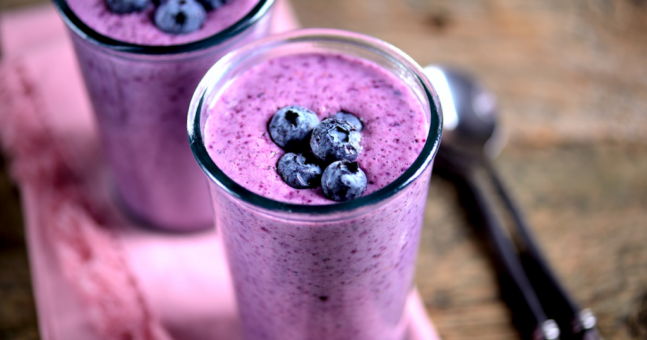
4. Blueberries
Berries, in general, are great, but none more so than blueberries when it comes to a type of antioxidant called flavonoids, which are known to help regulate mood, improve memory, and even help protect the brain from ageing.
According to research , blueberries help activate brain pathways associated with better cognition and cellular regulation, and researchers argue this anti-inflammatory superfood may also be helpful in treating PTSD and other serious mental health issues .
5. Spinach
Feeling down? You need to uptake your intake of magnesium now, experts agree . Not only because this mineral is essential for increasing your energy, relax the muscles and support brain function, but magnesium is also well-known for its mood-boosting properties.
Some of the best dietary sources of magnesium are dark leafy greens, such as spinach, kale and Swiss Chard. As well as these, try including more beans and lentils, pumpkin seeds and almonds into your diet too, and you’ll soon notice a difference.
Blue Monday sorted – 5 proven ways to boost your mood through food
Feeling blue this Blue Monday? What you eat can make an enormous difference to your mood and even your risk of depression – your happiness diet starts here Annoyingly, it isn’t just low mood we have to worry about at this time of year, but also a lack of motivation, concentration and not to mention stress.
It’s no wonder January has a specific day that recognises how miserable we all feel – Blue Monday .
No one is quite certain about the scientific validity of Blue Monday as a concept.
In 2005 a social scientist was tasked by a travel company to come up with the most depressing day of the year. So he crunched some numbers based on the fact that we’re all at our most in debt, tired, lacking motivation and feeling guilty about falling off the wagon in our New Year’s Resolutions (already!) on the third Monday in January each year.
It was probably the most successful publicity stunt of all time because here we are 15 years later talking about it.
Now, even if you don’t believe the validity of Blue Monday, most of us don’t need a scientist to tell us our moods are pretty low at this time of year.
There’s the obvious mood boosters of course: exercise (boosts endorphins), getting outdoors (sun exposure on skin will boost your vitamin D levels and time in nature improves your wellbeing ) and meditation (lowers stress, and increases dopamine levels).
But when these all seem like too much of an effort – instead of wallowing in self pity and left over Christmas snacks, you can opt for certain foods that can boost your mood.
The food we eat can alter the levels of brain chemicals that contribute to mood such as dopamine and serotonin, that can result in changes in our emotions.
‘What you eat is not only critical for your body, but also for your mental and emotional health,’ says Nutritional Therapist Jenny Bodenham. ‘The food you consume supplies your brain with vital nutrients for optimum mental health’.
The saying ‘you are what you eat’ comes to mind here.
So, what are the brain chemicals (also known as neurotransmitters) that affect our mood and mental well-being and what can we do (or eat) to boost them? To find out which foods could help or hinder your mood, keep reading… #1 Boost serotonin levels with turkey (it’s not just for Christmas)
Do you often find yourself suffering a low mood on a daily basis? This is likely due to the fact that your everyday mood is governed by hormones and neurotransmitters which can have both a beneficial or negative effect on how you feel. Turkey can be a great mood booster, plus it might bring back some memories of Christmas – bonus ‘There are several different brain chemicals, and the one we hear most about is serotonin which is often termed the ‘feel good’ neurotransmitter,’ Bodenham explains.
If you do find yourself struggling with low mood more often than you would like, you need to look into boosting your serotonin levels. ‘Serotonin and its pre-cursor 5-HTP (a form of amino acid l-tryptophan) supports and balances our mood, lifts our spirits and boosts our positivity,’ adds Bodenham.
When serotonin is released in the body it not only boosts your mood, it also provides you with a feeling of calm, resulting in reduced stress and anxiety. What’s more, serotonin regulates our ability to learn, improves memory and promotes sleep.
Serotonin also plays a part in influencing our sleep wake cycle by helping the body make the hormone melatonin. Both serotonin and melatonin are critical for sleep and having a well-functioning body clock.
So how do we boost our serotonin levels? Brain chemicals like serotonin need certain amino acids in order to be produced. Our bodies can make some of these, however we need to get most of them from our diets.
‘For serotonin production, we require l-tryptophan, which is an essential amino acid that our body cannot produce by itself but it can be obtained from the food we eat,’ Bodenham explains.
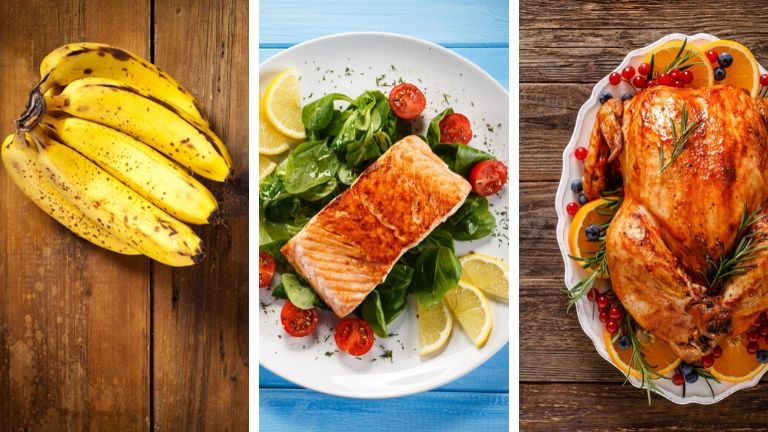
There are many foods rich in L- tryptophan, and these include: poultry, especially turkey and chicken
seeds and nuts
beans
dairy products, especially cottage cheese
avocados
celery
bananas
fish/crab seaweed spinach dates eggs oats tofu L-trytophan is also high in nutrients that will help to improve mood such as; vitamin C, which supports nervous system function, magnesium to help boost your mood and vitamin B for hormonal regulation and nervous system support. #2 Stimulate dopamine levels with ripe bananas If you have lost your get up and go it may be that your dopamine (a brain chemical involved in increasing motivation and concentration), adrenaline and noradrenaline aren’t at optimum levels.‘Dopamine, adrenaline and noradrenaline are neurotransmitters that are made from the amino acid tyrosine, which helps boost motivation and drive as well as alertness,’ says Bodenham.Lack of concentration, general slowness, lack of motivation and energy are often found in those who also suffer from low mood or depression, all of which are also symptoms of low dopamine levels. Ripe bananas are the ultimate source of tyrosine, and by ripe we mean those that have the brown spots on their skin Indeed, one study in JAMA Psychiatry reported lower brain levels of dopamine in people who were suffering from clinical depression. Plus, another study has shown that supplementing with dopamine may be helpful in stress resistance.The amino acid tyrosine forms DOPA (dopaminergic cells), which is then converted into dopamine, and this, in turn, forms noradrenaline which produces adrenaline.Adrenaline is the hormone released when we are stressed and acts as a neurotransmitter in the brain. When well-regulated, adrenaline is a positive messenger that makes your brain sharper and improves focus.However, when we are chronically stressed, the body will constantly pump out adrenaline and cortisol. Therefore too much adrenaline can lead to lowered adrenal function.So as well as upping your serotonin levels, you’ll need to stimulate your dopamine levels too by eating foods rich in amino acid tyrosine, such as: almonds banana chicken turkey cottage cheese […]
Shaking in your (workout) shoes: Here’s why your muscles shake when you’re working out

( Natural News ) It can’t be stressed enough that physical activity, be it mundane walking or an intense workout session, is vital for improving overall health. Regular exercise can bring a wide variety of health benefits, including improved mood, reduced risk of heart disease, increased energy levels and weight loss. But as you exercise, you may notice that your muscles start shaking every now and then, especially after a long, strenuous workout. What exactly is this muscle shaking and should this be a cause for alarm ? Shake, rattle and roll
Exercise-related muscle shaking can happen to almost anyone, regardless of your fitness level, age or even gender. This shaking can be caused by a variety of factors, so taking note of how your body responds to a particular exercise, especially if you’re new to working out, can help you stay in tune with your physical fitness and make adjustments whenever you can.
One of the main culprits of this exercise-related shaking is fatigue . According to Lauren Kanski, a personal trainer certified by the National Academy of Sports Medicine, this shaking indicates that your muscles are tired or are low on blood glucose. (Related: Achieving muscle fatigue, not lifting heavy weights, key to building healthy muscle .)
“This is the same concept as the blood and muscle glucose availability,” said Kanski. “Working out fed versus fasted can make a huge difference in glycogen depletion. With regard to muscle fatigue, some muscle fibers fatigue faster than others, which cause irregular contractions, or shaking.” Discover how to prevent and reverse heart disease (and other cardio related events) with this free ebook : Written by popular Natural News writer Vicki Batt, this book includes everything you need to know about preventing heart disease, reversing hypertension, and nurturing your cardiac health without medication. Learn More. When muscles start shaking, they are challenged more, so they start a process of contracting and releasing at an intensified pace. This process is normal and should not be a cause for alarm, as long as you practice moderation and won’t push your body too far. Once you start hitting the shaking threshold, that is a good sign to call it a day before things get worse.
Muscle endurance also plays a part in this muscle-shaking phenomenon. If your muscles have not recuperated from a previous workout, they will be forced to work much harder than usual to keep up with your routine. Muscle shaking can also signify dehydration – when body fluids get low, the connective tissue has trouble doing its job. This can disrupt transmitting signals from the brain to the muscle fibers and cause rapid shaking.
All in all, exercise-related muscle shakiness is not exactly a bad thing. Kanski noted that the idea behind any form of strength training is damaging your own tissues so that your body regenerates new, stronger and more durable tissue. For some people, this muscle shaking can be considered a badge of honor for successfully performing an intense workout. However, there is currently no solid evidence that supports the idea that you should power through this shaking and keep working out. Again, once the shaking starts, it is wise to listen to your body and end the workout before any serious damage happens. Improving muscle health
The road to a fit body and optimal muscular health isn’t restricted to just working out. Supplement your exercise sessions with a diet consisting of these muscle-boosting superfoods :
> Quinoa. This grain crop is one of the healthiest protein sources around, boasting all nine essential amino acids. People with gluten intolerance may enjoy quinoa a lot more as it is naturally gluten-free. Quinoa is also easily digestible and high in fiber, which can both contribute to improving gut health.
Fish. Eating fatty fish like tuna and salmon, can help you build up your muscles. Not only are they a rich source of protein and low in fat, but they are also chock-full of healthy omega-3 fatty acids, which are known to assist in fat loss and aid in proper bodily function.
Chicken breasts. This staple food is a fantastic source of lean protein, which is an important nutrient for muscle health. Lean protein is needed for muscle maintenance and repair, bone health and even weight maintenance.
Learn more about the effects of exercise to your body at Slender.news .
Sources include:
Eleuthero (Siberian Ginseng) Root Dosage & Side Effects
Eleuthero is an eastern adaptogen that helps your body fight off a cold. It’s also packed with bioactive compounds. Unsure about its safety and the dosage you should use? Read on for our evidence-based guide. What is Eleuthero?
Also known as Siberian ginseng , eleuthero is an herb with the scientific names Eleutherococcus senticosus or Acanthopanax senticosus . Around the world, it may also be called Ciwujia, Shigoka, Goka, Ezoukogi, or Kan Jang (when combined with green chiretta). It is a staple of traditional medicine in the Far East, especially in China, Korea, and eastern Russia [ 1 , 2 , 3 , 4 , 5 , 6 ].
According to these traditions, eleuthero is an adaptogen: a substance that keeps the body functioning normally under stress [ 7 ].
Eleuthero belongs to the same plant family as Asian and American ginseng ( Araliaceae ). However, Asian and American ginseng both belong to a different genus further up the botanical tree called Panax , while eleuthero belongs to Eleutherococcus . Being a distant cousin of these other ginsengs, eleuthero contains a different set of bioactive compounds [ 8 ].
Eleuthero is a flowering shrub. Its root, bark, leaves, and berries all contain bioactive compounds that may have positive health effects [ 9 , 10 ].
Eleuthero or Siberian ginseng is an East Asian herb with a history of use as an adaptogen. It shouldn’t be confused with American and Asian ginseng, which are entirely different plants. Components
The roots, berries, and leaves of eleuthero each contain multiple bioactive compounds . The specific compounds in each part of the plant may be different, and so their health benefits may also vary. Most studies on the health benefits of eleuthero focus on the root and bark [ 10 ].
Eleuthero berries contain high levels of antioxidants and potential cancer-fighting compounds ; they are also high in important minerals like potassium , calcium , and magnesium . These berries have long been added to fermented wines in China and Russia [ 9 ]. Eleutherosides
The most important bioactive compounds in eleuthero belong to a chemical family called eleutherosides; these are eleutherosides A through E. Of these, the ones with the greatest effect are eleutherosides B (syringin) and E [ 11 ].
These two compounds are being investigated for anticancer and anti-diabetic effects [ 11 ]. Sesamin
Sesamin is an active compound that was first discovered in sesame seeds. Sesamin from eleuthero may help protect nerve and brain cells from damage . Sesamin may also improve liver function and reduce cholesterol [ 12 , 13 ]. Isofraxidin
Researchers isolated isofraxidin from eleuthero bark and consider it may have the potential to fight liver cancer [ 14 ]. Oleanolic Acid
Oleanolic acid is a common compound that is found in many plants, including eleuthero. This compound is a strong antioxidant that may also fight inflammation and improve liver function [ 15 , 16 ]. Ursolic Acid
Ursolic acid is found in many different plants, including eleuthero. It can be taken as a supplement and is reported to decrease inflammation , fight cancer , prevent diabetes , protect the heart , and lower cholesterol . Researchers are currently investigating their anticancer effects [ 17 , 18 , 19 ].
Eleuthero is packed with bioactive compounds like eleutherosides in the roots and antioxidants and minerals in the berries. Possible Mechanisms of Eleuthero
Eleuthero’s mechanism of action is complex because it contains an abundance of active compounds. Each compound may have unique effects, and these effects may add up or counteract each other. AMPK Activation
Eleutherosides may activate AMPK , an important “switch” in energy metabolism. AMPK reduces fat storage and increases insulin sensitivity . Through AMPK, eleutherosides may be able to restore insulin signaling in people with diabetes [ 20 , 6 , 21 , 22 ]. Heat Shock Protein Activation
Eleuthero may increase heat shock proteins like HSP70 and HSP72. This could help explain its ability to reverse the effects of stress: heat shock proteins protect cells and keep them alive in conditions that would otherwise damage or kill them [ 23 , 24 ]. Neurotransmitters
Eleuthero extract increases catecholamines (especially dopamine and norepinephrine ) in the parts of the brain responsible for managing stress. The exact way it influences their levels and activity is unknown, but this mechanism may underlie eleuthero’s mental health benefits [ 25 , 26 , 27 ]. BDNF Activation
Brain-derived neurotrophic factor, or BDNF , is a protein active in the hippocampus of the brain. It helps nervous tissue grow and reorganize itself , and it protects the brain from damage . Low BDNF is linked to depression and anxiety . Eleuthero increases BDNF in the hippocampus, which could explain its reputation as a brain-boosting supplement [ 28 , 29 ].
Research connecting eleuthero and BDNF is extremely new . Only two studies have ever tested these effects – one cell study in 2013 and one rat study in 2018 – and while both have shown promising benefits, we cannot yet say that eleuthero will activate BDNF in humans [ 28 , 29 ]. Sirtuin 3 Activation
Sesamin activates a protein called sirtuin 3, or SIRT3 , which regulates energy metabolism and prevents cell death. Through SIRT3, sesamin may protect tissues from inflammation and death after an injury [ 30 , 31 , 32 ].
Scientists hypothesize that eleuthero may activate brain-protective BDNF and energy-boosting AMPK and SIRT3, but this hasn’t been proven. Eleuthero Safety & Side Effects
Overall, eleuthero is generally regarded as safe .
In mice, it takes an extremely high dose to cause death (over 25 g per kg of body weight). If translated to humans, an average adult would have to eat more than 1.5 kg of dry root for it to be dangerous [ 33 ].
Eleuthero has few side effects. Rarely, people taking eleuthero in combination with other herbal supplements may experience sleepiness , cold extremities , increased blood pressure […]
14 Factors that May Reduce Lipopolysaccharides (LPS)

Lipopolysaccharides or LPS are bacterial toxins that can health issues if they reach the bloodstream. Normally housed safely in the gut, lipopolysaccharides can enter the blood if you have an infection, “leaky gut”, or eat too many fatty foods.
Read on to learn about the potential health risks of lipopolysaccharides and which factors may help reduce them. Potential Health Risks of High LPS Levels
The conditions we discuss here are commonly associated with high LPS levels, but this single symptom is not enough for a diagnosis.
Because they have been studied in cohort studies, we cannot conclude for certain that high LPS levels caused these conditions.
Work with your doctor to discover what underlying condition might be causing your high LPS levels and to develop an appropriate plan to improve your health. 1) Fatigue
Fatigue is reliably caused in humans by the administration of LPS , as part of LPS-induced “sickness behavior” [ 1 ].
LPS increased fatigue and inflammation (TNF-a, IL-6) in a small trial with 11 healthy participants. Pre-treatment with citalopram (SSRI) prevented the increase in fatigue [ 2 ].
In studies of 168 patients, LPS levels were greater in those with chronic fatigue syndrome and were associated with symptom severity, including fatigue, concentration problems, and failing memory [ 3 , 4 ]. 2) Poor Memory
In a small trial on 20 healthy men, intravenous LPS impaired verbal and nonverbal memory and increased anxiety and depression . Inflammatory cytokine secretion was associated with a decrease in memory performance [ 5 ].
Administration of LPS increased anxiety, depression, cortisol , and blood norepinephrine in another trial on 34 men. Low-dose LPS impaired long-term memory, while high-dose LPS increased reaction time. The authors stated that inflammation may increase short-term alertness, although this is speculative on their part [ 6 ]. 3) Anxiety and Low Empathy
In a clinical trial on115 healthy people, LPS decreased participants’ ability to accurately understand the emotional state of a person by looking at their eyes [ 7 ].
In a small trial on 18 men, LPS administration worsened mood and increased anxiety. LPS also increased the activation of the right inferior orbitofrontal cortex in response to emotional visual stimuli. This brain region is associated with fear and anger recognition, so increased activity may have increased negative emotions towards the stimuli [ 8 ].
Scientists can experimentally induce fatigue, impaired memory, and anxiety with LPS, but more research is needed. 4) Depression and Social Disconnection
LPS administration consistently increased depression in numerous studies [ 9 ].
Injection of LPS increased feelings of social disconnection, depression , and inflammation (IL-6, TNF-a) in a trial of 39 participants [ 10 ].
TNF-alpha production is increased in the hippocampus of animals after LPS injection. This activation of immune cells in the brain is believed to contribute significantly to the selective brain cell injury associated with depression [ 11 ].
In a study of 9 participants, glucose metabolism (energy use) was increased in the insula and decreased in the cingulate cortex due to LPS-induced inflammation [ 12 ].
The insula is associated with negative emotions, while the cingulate is associated with positive mood. Thus, increased energy use by the insula and reduced energy use by the cingulate may both promote negative feelings.
LPS increased fatigue and decreased vigor and social interest in a trial on 10 healthy people [ 13 ]. 5) Inability to Experience Pleasure
Injection of LPS increased depressed mood and lowered the brain response to monetary reward cues (decreased ventral striatum activity) in a clinical trial on 39 people [ 14 ].
In animals, LPS consistently lowered preference for palatable foods, stimulation-seeking behavior, and exploration of new environments [ 9 ].
In small human experiments, LPS seems to impair mood, social behavior, and the ability to feel pleasure; large-scale data are lacking. 6) Disturbed Sleep
LPS disrupted sleep and lowered REM sleep in healthy humans [ 15 , 16 ].
LPS also lowered non-REM sleep and increased sleepiness during the day in a study of 10 men [ 17 ]. 7) Fever
Fever is a sign of elevated LPS levels . LPS stimulates the release of prostaglandins (PGE2), which bind to their receptors in the hypothalamus to raise body temperature [ 18 ]. 8) Poor Reproductive Health in Women
In a study of 45 women undergoing in vitro fertilization treatment, LPS levels were associated with ovarian inflammation and reduced progesterone production . Ovarian inflammation and progesterone deficiency indicate impaired reproductive health and are associated with infertility [ 19 , 20 ]. 9) Reduced Appetite In humans, low-dose LPS reduced food intake in the first 4 hours. Reductions in food intake were associated with blood levels of TNF and IL-6 [ 5 , 21 ].LPS is hypothesized to disturb sleep, reproductive health, and appetite, but only preliminary findings are available. 10) Low Pain Tolerance In a study of 11 healthy men, LPS administration increased sensitivity to rectal pain and lowered pain tolerance [ 22 ]. LPS also decreased tolerance to pressure, mechanical pain, and cold , in a clinical trial of 59 healthy men [ 23 ]. 11) Diabetes Elevated LPS is associated with an increased risk of developing diabetes [ 24 ].Individuals with type 1 diabetes have 235.7% higher LPS levels than those without diabetes. Similarly, people with type 2 diabetes have 66.4% higher LPS levels than non-diabetic controls [ 25 ].Impaired lipoprotein metabolism in type 2 diabetes patients reduces LPS breakdown and may increase LPS-related inflammation [ 26 ].In a study of 477 people with type 1 diabetes, high LPS activity was associated with the development of diabetic kidney disease [ 27 ]. 12) Obesity LPS activity and LPS binding protein were associated with obesity in a study on over 3,500 adults [ 28 , 29 ].LPS given to mice for 4 weeks caused a weight gain comparable to that induced by a high-fat diet [ 30 ]. 13) Metabolic Syndrome Metabolic syndrome is a group of factors that increase the risk of heart disease. These […]
What is Rhodiola Rosea Root Extract? + Side Effects
Rhodiola rosea is an adaptogen with a long history of traditional use against stress, fatigue, and more. How does it work, and what are the potential side effects? Read on to find out. What Is Rhodiola rosea ?
Rhodiola rosea is a flowering plant that grows in very cold climates and at high altitudes. Its root has been used in traditional medicine in the Caucasus Mountains, Scandinavia, China, and Russia, where practitioners believe that it can improve focus and endurance in both body and mind [ 1 , 2 ].
Other species closely related to R. rosea are also used in traditional medicine. These include Rhodiola imbricata, Rhodiola algida, and Rhodiola crenulata . Together, these herbs are best known as adaptogens: substances that help combat stress. However, Rhodiola roots and extracts are also being investigated for other potential cognitive and physical benefits [ 3 , 4 , 5 ].
For more about the potential benefits of rhodiola
Rhodiola has many other names: in China, it is called hóng jǐng tiān. Elsewhere, it may be called rosenroot, rose root, Arctic root, golden root, or king’s crown. In French, it is l’orpin rose [ 6 , 7 , 8 , 9 , 10 ].
Rhodiola rosea is a high-altitude plant whose root has been used to combat stress in traditional medicine for many generations. Active Components
Salidroside
Salidroside, also known as rhodioloside, is considered to be the most important bioactive molecule in Rhodiola rosea . It is likely responsible for Rhodiola’s effects on the brain [ 11 , 12 ]. Rosavin
Rosavin has many of the same properties and mechanisms as salidroside, but seems to require a higher dose to produce the same effect [ 13 ]. Tyrosol
Tyrosol is present in standardized Rhodiola rosea extracts, but it often goes unlabeled on commercial supplements. Tyrosol is an antioxidant and may also contribute to Rhodiola ’s beneficial properties [ 14 ].
The active components of rhodiola include salidroside, rosavin, and tyrosol, with salidroside believed to be the most important. Mechanisms of Action
Rhodiola is an important herb in traditional medicine in parts of Europe and Asia. According to practitioners, it helps people with stress, anxiety , fatigue, depression , brain fog , burnout, and heart problems. It’s also used to boost the immune system and increase lifespan [ 15 , 2 ].
That’s an awfully long list – does the research back it up? You might not be surprised to hear that it’s complicated [ 15 , 2 ].
In cell studies, rhodiola activates AMPK , boosts Nrf2 , and blocks the JAK2 – STAT3 pathway. Let’s take a deep dive into these important mechanisms. AMPK Activation
Many of Rhodiola’s reported effects could be attributed to a protein called AMPK . AMPK is important for energy balance and for preventing oxidative stress. It prevents insulin resistance , keeps blood sugar down , and stops fat buildup in the liver . When free radicals build up , AMPK increases the production of antioxidant proteins [ 16 , 17 , 18 ].
Nuclear factor-κB (NF-kB) controls many genes that cause inflammation, and it is very active in inflammatory diseases like arthritis, Crohn’s disease, and atherosclerosis. AMPK reduces inflammation by decreasing the activity of NF-κB [ 19 , 20 ].
AMPK may also increase the activity of PI3K , an important protein for insulin signaling [ 17 , 21 ].
Rhodiola extracts and pure salidroside both activated AMPK in cell studies [ 22 , 23 , 24 ].
In cell studies, rhodiola activates a protein called AMPK, which acts as a kind of metabolic “switch,” increasing insulin sensitivity, reducing blood sugar, and preventing fat buildup in the liver. Nrf2 Activation
Nrf2 is a protein that activates numerous important antioxidant proteins and protects against oxidative stress. In cells, rhodiola’s bioactive components increased the activity of Nrf2 and its antioxidant effects [ 25 , 26 ]. JAK2-STAT3 Inhibition
In combination, the JAK2 and STAT3 genes form a pathway that increases inflammation. Salidroside from Rhodiola blocked this pathway and thereby reduced inflammation in cell studies [ 27 , 28 ]. Safety & Potential Risks
Because of some disagreement in the scientific community about the various effects and mechanisms of rhodiola, the FDA has classified it as a poisonous plant . Furthermore, the ingredients and active compounds in commercial Rhodiola supplements may not be accurately labeled . We recommend caution when choosing to supplement [ 15 , 29 ].
Taken alone, Rhodiola is generally safe and well-tolerated in therapeutic dosages, with only mild to moderate side effects. The most common side effects in people taking this herb for anxiety were dizziness and dry mouth [ 30 ].
No studies have been conducted to determine rhodiola’s effect on pregnant or breastfeeding women ; nonetheless, this herb is given to pregnant women in traditional Georgian medicine. Until clinical studies look into these effects, we recommend strongly against supplementing with Rhodiola while pregnant or breastfeeding [ 31 , 32 , 33 , 34 ].
At a dose of 660 mg/day, combined with vitamin C , it decreased mental fatigue, increased exam scores and language-learning ability in teenagers. Rhodiola’s effects on children have not been formally studied . Rhodiola tea is traditionally given to children in the Caucasus Mountains, but we recommend against giving rhodiola supplements to children [ 35 , 1 ].
Rhodiola is classified as a poisonous plant by the FDA despite being generally well-tolerated in clinical studies. Commercial supplements may be inaccurately labeled, and the safety profile of rhodiola is incomplete in pregnant and breastfeeding women. Drug Interactions Salidroside and rosavin are highly active molecules with diverse effects in the body. As such, anyone taking prescription medication should be careful when supplementing with Rhodiola. Talk to your doctor before supplementing to avoid adverse effects and unexpected interactions Antidepressants MAOIs : Monoamine oxidase inhibitors should not be combined with any substance that increases dopamine or norepinephrine, except by a doctor’s instruction [ 36 ]. SSRIs : Selective serotonin reuptake inhibitors like escitalopram […]
Myelin Sheath Definition, Function & Demyelinating Diseases
The myelin sheath helps insulate the nervous system and is vital for optimal cognitive function and brain health. Read on to learn more about its purpose and diseases associated with its loss or dysmyelination . What Is the Myelin Sheath?
The myelin sheath is a cover made out of fats and proteins that wraps around the axons (projection) of nerve cells. It insulates neurons so they can send electrical signals faster and more efficiently. This supports brain health and nervous system function [ 1 , 2 ].
Here are some quick facts about myelin: About 80% fats/cholesterol and 20% proteins.
Considered an outgrowth or extension of a type of glial cell (oligodendrocyte – CNS, Schwann cell – PNS).
Continues to grow throughout adolescence and even into our early 20s.
Myelinated axons are white in appearance, hence the term “white matter” of the brain.
Function
Myelin improves the conduction of action potentials, which are needed to send information down the axon to other neurons [ 3 ].
The myelin sheath increases the speed of impulses in neurons. It facilitates conduction in nerves while saving space and energy [ 1 ].
Myelin helps prevent the electrical current from leaving the axon. It allows for larger body sizes by maintaining efficient communication at long distances.
When babies are born, many of their nerves lack mature myelin sheaths. As a result, their movements are jerky, uncoordinated, and awkward. Scientists think that, as myelin sheaths develop, movements become smoother, more purposeful, and more coordinated [ 4 , 5 ].
Research suggests that myelination might improve children’s cognitive performance improves as they grow and develop [ 6 ].
Additionally, when a peripheral fiber is severed, the myelin sheath provides a track along which regrowth can occur [ 7 ].
The myelin sheath enables neurons to conduct action potentials, increasing the speed of their transmission. When Does Myelination Stop?
Researchers think that myelination occurs most significantly during childhood, but some brain imaging studies suggest it may continue until 55 years of age and possibly even throughout life [ 8 ]. Oligodendrocytes vs. Schwann Cells
Oligodendrocytes and Schwann cells are types of cells that produce, maintain, and repair myelin [ 9 ].
Schwann cells normally produce myelin in peripheral nerves (outside the brain), but can enter the brain when needed [ 9 ].
On the other hand, oligodendrocytes are found solely in the brain. They are responsible for the formation of new myelin in both the injured and healthy adult brains [ 9 ]. Symptoms and Conditions Linked With Myelin Loss or Damage
Demyelination refers to myelin damage or loss. It disrupts signals between neurons and may result in a diverse range of neurological symptoms. These depend on whether peripheral (outside the brain) or central (in the brain and spinal cord) neurons are affected, and to what extent [ 10 ].
Symptoms differ from patient to patient and have different presentations, depending on the specific demyelinating disorder. The most common demyelinating disorder affecting the central nervous system is Multiple Sclerosis [ 10 ].
Thus, symptoms shown here are commonly associated with demyelinating disorders. This list is not exhaustive. The most important step is to see your doctor or other health care professional to get an accurate diagnosis and treatment [ 11 ]. Blurred vision that may affect only one eye
Double vision
Loss of vision/hearing
Odd sensation in legs, arms, chest, or face, such as tingling or numbness (neuropathy)
Muscle weakness
Cognitive dysfunction, including speech impairment and memory loss Heat sensitivity Loss of dexterity Difficulty coordinating movement and/or balance Difficulty controlling bowel movements and/or urination Fatigue Tinnitus Symptoms of demyelinating disorders include complex visual and sensory changes that vary from person to person depending on the underlying cause.Multiple sclerosis is the most common demyelinating disorder. The cause of multiple sclerosis is unknown, though many contributing factors have been proposed [ 10 ].The following are more rare types of demyelinating disorders [ 10 , 12 ]: Acute disseminated encephalomyelitis Acute hemorrhagic leukoencephalitis Neuromyelitis optica Chronic inflammatory demyelinating polyneuropathy Central pontine myelinosis Inherited demyelinating diseases such as leukodystrophy Charcot-Marie-Tooth disease Adrenoleukodystrophy and adrenomyeloneuropathy Leber hereditary optic neuropathy Progressive multifocal leukoencephalopathy The exact cause of many demyelinating disorders is often an enigma. Science suggests that certain primary demyelinating disorders develop after a viral infection or vaccination against viral infection [ 10 ].Some researchers hypothesize that this might be because a virus or another substance somehow triggers the immune system to attack the body’s own tissues (autoimmune reaction). The autoimmune reaction results in inflammation, which damages the myelin sheath and the nerve fiber under it [ 10 , 12 ].However, this hypothesis holds only for specific, rare demyelinating disorders [ 10 , 12 ].HIV infection can also cause white matter abnormalities, including myelin damage [ 10 ].Multiple sclerosis is the most common demyelinating disorder. It causes progressive loss of the myelin sheath.The following are some genetic disorders of myelin [ 13 , 14 ] Adrenoleukodystrophy Tay-Sachs disease Niemann-Pick disease Gaucher disease Hurler syndrome Canavan disease Charcot-Marie-Tooth disease Krabbe’s leukodystrophy Phenylketonuria Aside from demyelinating disorders, limited studies have linked the following disorders to white matter or myelin loss or damage: Nutritional deficiencies (such as B12 deficiency) [ 22 ] According to some theories, reduced white matter in the brain is a contributing factor to some brain-related conditions. Also, scientists think that certain conditions are caused by white matter reductions. At other times, science suggests that specific conditions themselves may cause white matter reduction [ 27 ].However, many of these links are purely investigational and lack large-scale human data as support.Additionally, the majority of studies that focused on these conditions dealt with associations only, which means that a cause-and-effect relationship hasn’t been established.For example, just because depression has been linked with altered white matter (made up of myelin) in certain brain areas doesn’t mean that depression is caused by myelin damage. Data are lacking to make such claims.Also, even if a study did find that poor myelination contributes to depression, myelin is highly unlikely to be the only causative […]
7 Ways Sex Makes You Smarter
You’re probably wondering why this is even a thing: Can sex really improve brain function? Turns out, it can. One possible clue is why a mindblowing session feels like exactly that.
Sex, like any other physical activity , triggers different parts of the brain and the brain, in turn, sends signals to the body telling it whether to slow down or not. More importantly, studies in the past decades on both humans and animals point to an increasing number of ways in which sex benefits the brain.
Read on to understand how: 1. Dopamine, the ‘feel-good’ hormone.
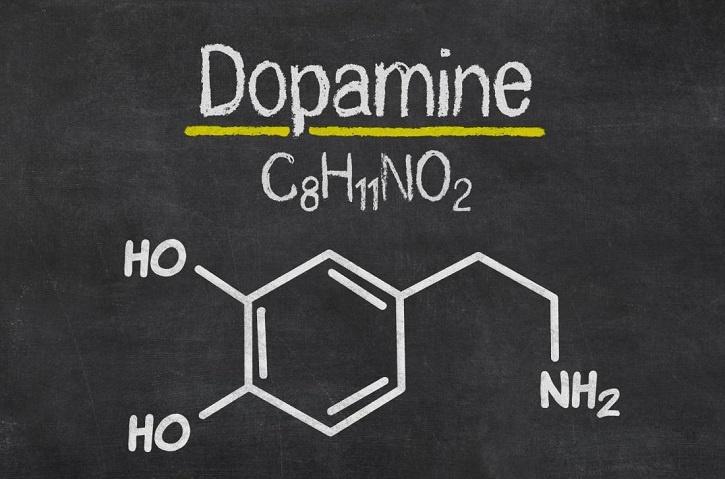
Medical News Today Dopamine is a neurotransmitter, a ‘messenger’ that the brain uses to control the body’s movements and its emotional responses. Dopamine has been often termed the ‘feel-good’ hormone. And, rightly so, because of the role it plays in pleasure. According to Enzolifesciences.com, ‘ Dopaminergic signaling is associated with reward-motivated behaviour.’ This explains why we feel so good when we do things we like, and that includes sex. 2. Oxytocin, the ‘love hormone’ gives your post-sack session a little extra.
Quick Tips ‘Savdhaan India’ Actress Among Three Girls Rescued From A High-Profile Sex Racket In Mumbai
Bollywood Casting Director Gets Arrested For Running A Prostitution Racket In Mumbai
Man Hospitalised With ‘3-Day Erection’ After Taking Sexual Stimulant Meant For Breeding Bulls! 4.7K SHARES
Childbirth, breastfeeding and sex are three activities that trigger the production of oxytocin (also called the ‘cuddle hormone’) in the hypothalamus. It helps with social bonding and adds a little extra to your post-sack session. According to one study, as read on livescience.com, an increase in the dosage of oxytocin could mean more intense orgasms. 3. It is literally good for the brain.
ncbi.nlm.nih.gov A study by researchers at Rutgers University Newark that was published in The Journal of Sexual Medicine found ‘heightened’ activity in different parts of the female brain during an orgasm. The fMRIs (functional magnetic resonance imaging) that were studied, clearly established that the brain too, in fact, ‘enjoyed’ sex.
Another study published www.ncbi.nlm.nih.gov , shows different parts of the brain lighting up when a particular organ receives stimulation (photo above). 4. It helps you calm down.
Unsplash Sex may be the last thing on your mind any time you’re stressed or anxious but it’s just the remedy that your body needs. And given our hectic lifestyles, it’s easy to feel stressed out more and more often. Sex, incidentally, is a natural stress reliever. According to a study published on sciencedirect.com, having intercourse automatically lowered blood pressure thereby making you feel more relaxed. 5. Sex enhances your memory.
Unsplash A study titled ‘Sexual Activity and Cognitive Decline in Older Adults’ studied 6016 adults over the age of 50 in order to arrive at the conclusion that frequent sexual activity and emotional intimacy enhanced memory performance. This was more apparent in older subjects. 6. Cognitive function improves too.
Unsplash Cognitive function or mental processes like decision-making, thinking, processing and storing information also get a boost from sexual intercourse. Reportedly, in some studies, subjects were able to recall things better. Researchers at McGill University in Canada who studied this noticed a spike nervous tissue growth in the brain. 7. But then there’s postcoital dysphoria…
Unsplash Some people love the post-coital sesh and the euphoria that comes with it. But there are those who feel the exact opposite and there’s a term for it: Postcoital dysphoria. This is when a person feels sad, even slightly on edge despite having had a good time. While there’s no one pill for this, it’s recommended that you speak to an expert in case you’ve been diagnosed with PCD.
50 ways you can live healthily this year, from eating breakfast to increasing your vitamin D intake, and even having a bath

The start of the year is a time when so many of us turn our attention to getting fitter and healthier – so here are 50 different ways to do that without paying for gym classes you’ll never attend (or at least not for long).
There are hundreds of simple ways to shape up, feel better and look younger. We’ve compiled a list of 50 taken from either official health advice and guidance, or academic research. So with a few simple updates to your daily routine, you can feel fitter in almost no time at all.
1 — Stretch it out every morning. Take just a few minutes each morning to stretch the major muscle groups – stretching is the body’s way of waking up by getting circulation going and encouraging flexibility.
2 — Stay on top of your doctor’s appointments. The NHS loses more than £200m a year to missed GP appointments – not only is it bad for doctors but it’s bad for you. Too many missed appointments may see you removed from your surgery’s list. A 2017 study found that risk for each disease and death – other than cancer – was reduced with each 200g a day increase in fruit and vegetables (Photo: Sean Gallup/Getty)
3 — Up your vitamin D. You can do this by simply enjoying a healthy amount of sunshine. Just 15 minutes of exposure to natural sunlight daily is important for nutrition and mental health, bone density, vitamin D production, and other health benefits, experts say. Ask your doctor to check your vitamin D level and take a vitamin D3 supplement in winter.
4 — Eat breakfast. Make the first meal of the day your biggest. Not only will eating something healthy first thing help keep energy levels up throughout the day, but a 2014 study published in Nutrition Journal found it also keeps snack cravings in check. 5 — Repair your gut. Gut health plays a big role in overall physical and mental health. Some digestive disease specialists are recommending probiotic supplements or drinks for disorders that frustrate conventional medicine, such as irritable bowel syndrome.
6 — Take a cold shower. Cold showers have lots of health benefits, including improved circulation, faster muscle recovery, enhanced skin and hair and increased energy. Try it for one to two minutes.
Read More:
7 — Learn a new skill. Our brain needs to be stimulated to keep all the synapses firing. Like a muscle, it needs a work-out. Studies have shown that learning a foreign language helps improve memory.
8 — Eat your fruits and veg. A 2017 study found that risk for each disease and death – other than cancer – was reduced with each 200g a day increase in fruit and vegetables, up to 800g a day.
9 — Take vitamins. As you age, it can be harder to get all the vitamins and nutrients you need from your diet alone. A daily multivitamin. could help keep bones strong and your energy levels up. 10 — Eat spices that boost circulation. Cayenne pepper, turmeric and cinnamon help promote better blood flow, increasing mobility.
11 — Check your bones. As you age, you begin to lose bone mass and density, so it’s important to get your status checked. Calcium and vitamin D3 are great for bone and immune support if a blood or saliva test indicates a supplement is necessary.
‘Keeping active reduces your risk of having a heart attack or stroke and cuts your chances of an early death. As the old mantra goes, if exercise were a pill it would be hailed as a wonder drug’ (Photo: MARTIN BUREAU/AFP/Getty)
12 — Get off the couch. A sedentary lifestyle is not only ageing, but it could decrease your life-span by more than a decade. Inactivity has become a major public health issue as it increases risk of heart disease, diabetes, certain types of cancer and more.
13 — Drink water. When dehydrated, your skin can look dry and dull, making you look older. Health authorities commonly recommend eight eight-ounce glasses a day (equal to about 2 litres).
14 — Adrenaline rush. Doing something that thrills you will instantly give you a jolt of energy that makes you feel half your age, whether you’re finally checking skydiving off your bucket list, watching a horror movie or going to an escape room. 15 — Eat healthy fats. Like carbs, some fats are better than others. The fat in pizza? Bad. The fat in an avocado? Good. The main fatty acid in an avocado is a monounsaturated fat called oleic acid. This is also the predominant fatty acid in olive oil, associated with health benefits.
Avocado among the foods more popular with children than their parents (Photo: Getty)
16 — Eat fibre. Fibre helps you to maintain healthy digestion and it also helps keep your cholesterol levels healthy. Eating fibre-boosting foods – such as whole grains like brown rice, plant proteins like beans and edamame and vegetables such as spinach and asparagus – can help prevent constipation. 17 — Go outdoors. According to Harvard Medical School, getting outside dramatically alters your mental health for the better. By changing scenery, you can change your perspective and banish pent-up stress.
18 — Karaoke kick. Simple acts such as singing and dancing to your favourite music can keep you young. Singing also strengthens muscles in the airway, which improves lung function and mental alertness by delivering more oxygen to the brain. Plus, it’s just fun.
19 — Relieve adrenal fatigue. A lot of people who are over-stressed, constantly fatigued, and experiencing problems such as insulin resistance, difficulty losing weight, and hormonal imbalance experience adrenal fatigue – when your adrenal glands are working too hard due to chronic periods of elevated and imbalanced cortisol levels. Try to find more time to relax each day, even for just a few minutes. Stress has many negative effects on physical and mental health, from headaches and chest pain to anxiety (Photo: Lauren Hurley/PA Wire)
20 — Exhale your stress. Stress has many negative effects on physical and mental health, from headaches […]
Eight Health Benefits Of Matcha Tea
Matcha tea is becoming more and more popular with people today. Many coffee shops and restaurants have now started serving this healthy green-powdered tea. But what makes this green colored tea so popular and what are the health benefits of Matcha tea? In this article, I will show you eight health benefits of Matcha tea and why you should start to drink this wonderful drink. 1. It boosts your memory
Half a teaspoon of Matcha tea contains 35mg of caffeine, which is significantly more than any other tea. Many studies have linked caffeine consumption with improvements in brain function. Citing increased attention, faster reaction times and improved memory. The L-theanine contained in Matcha tea helps to prevent the energy crash people often experience after consuming caffeine. This amino acid also slows down the absorption of caffeine, resulting in a longer-lasting energy boost.
A study compared the performance of people consuming green tea with people who took a placebo and found that the people who consumed green tea achieved better results. There were significant improvements in tasks measuring basic attention abilities and psychomotor speed in response to stimuli over a defined period of time. Another study also found that the memory of elderly people improved significantly when given a daily dose of green tea. 2. It is good for your heart
Green tea has been proven to reduce the risk of heart disease and strokes. Matcha has a similar nutrient profile and is also associated with reducing the levels of the so-called “bad” LDL cholesterol and triglycerides. Triglycerides are fats that are stored in your blood. When you don’t immediately use the calories you consume, they are stored in your fat cells and used when you need an energy boost. Too many triglycerides can clog your arteries. Since Matcha tea reduces levels of Triglycerides, the chances of clogged arteries and cardiovascular disease are reduced. 3. Matcha is good for your liver
Multiple studies have proven the effects of Matcha tea on the organs of both humans and rats. In one of these studies, people with non-alcoholic fatty liver disease were given green tea extract daily for 90 days. Afterwards, liver enzymes were reduced significantly. Another fifteen studies found a correlation between drinking green tea and a decreased risk of liver disease. 4. It is high in antioxidants
Matcha tea contains 137 times more Catechins than regular green tea. These Catechins are a part of plants that act as natural antioxidants. Antioxidants are an essential factor in our daily diets as they protect us from cell damage and chronic diseases. Antioxidants are the body’s defense agents. They are chemical compounds that prevent aging and chronic diseases. To put it simply, the more antioxidants that you have, the better equipped your body is in the fight against infections and disease. 5. Matcha may prevent cancer
While this has not been tested on humans, it was very successful when tested with rats in multiple studies. Matcha tea is high in epigallocatechin-3-gallate (EGCG). This is also a type of Catechin which helps protect against cancer cells. Multiple studies have found that EGCG is very effective against prostate, skin, lung, and liver cancer. Another study found that green tea extracts decreased tumor size and slowed the growth of breast cancer cells in rats. Matcha tea contains a high level of green tea extracts, as it is a more concentrated type of tea. 6. It helps you to lose weight
Many weight loss supplements contain some sort of green tea extract. This is because green tea speeds up the metabolism and helps your digestive tract function properly.
A study found that consuming green tea extracts with moderate exercise helped to increase fat burning by 17%. Another eleven studies have show that green tea has been proven to reduce body weight and maintain weight loss. You should always have a healthy diet, but by adding Matcha tea to your daily routine, you can significantly improve your weight loss journey. 7. It contains many essential nutrients
Matcha tea is a wonderful low-calorie source of many vitamins. Matcha powder contains vitamin A, vitamin C, potassium and fibers. Vitamin A is a fat-soluble vitamin which also boosts your vision, immune system, and promotes a healthy reproductive system. Vitamin C helps to repair body tissue, including the maintenance of bones and cartilage. Potassium decreases your blood pressure and stops the accumulation of too many fluids. Lastly, fibers are essential for your digestive tract as they improve your stool and help to collect crucial nutrients from your digested foods. All of these properties make Matcha tea a very healthy drink to consume. 8. Matcha is very versatile
The traditional way of making Matcha tea is by adding two grams of powder to a cup. Then add 2 to 4 ounces of hot water (depending on how strong you want the flavor to be) and then stir it with a special bamboo whisk. I actually use an Nespresso Aeroccino to heat up and whisk a foamy Matcha tea in the morning. It is such a versatile and healthy ingredient. You can also add Matcha to a latte, make it into a pudding, pancakes, or add some Matcha powder to your morning smoothie for an extra healthy boost.
Matcha tea is an excellent source of nutrients, has many health benefits and it also tastes great! Its versatility also makes it easy to combine it to recipes and helps to energize you before starting your day. Make sure that when you buy Matcha powder, it is of a high quality so that you will reap all of the benefits.
You Can Defy Aging With Turmeric In 2020
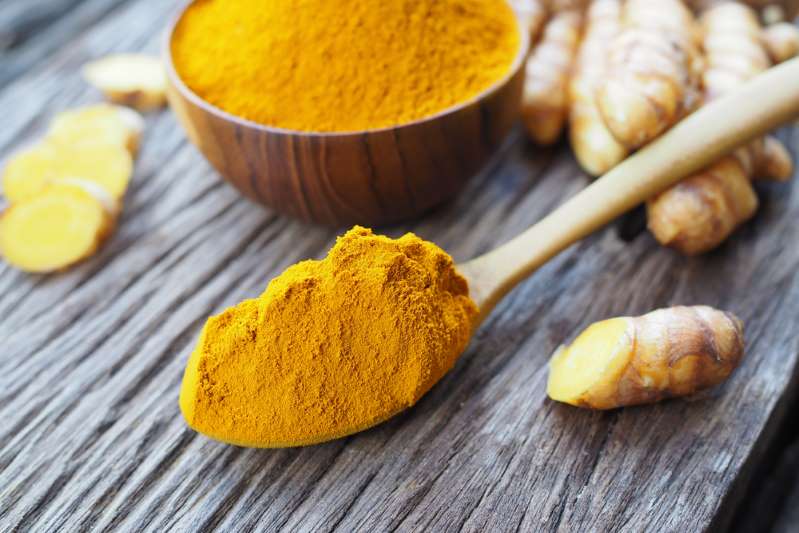
Used in India for thousands of years as both a spice and medicinal herb, part of Ayurvedic medicine, turmeric has grown in popularity over the years. It is a well-researched herb known to be an effective natural method to help improve the way we age.
Sometimes called Indian saffron or the golden spice, turmeric is a tall plant from Asia and Central America. Its bright yellow color is regularly used across the world as a dye. The turmeric available on shopping shelves is made of the ground roots of the plant. The ground turmeric can also be found in curry powder, as well as some teas as well as powders. Among its various nutrients, turmeric also contains compounds with medicinal properties, the most notable curcuminoids. Of these compounds, the most important is curcumin. Curcumin is the active ingredient found in turmeric that will help provide a healthy and productive 2020.
Yes, inflammation is important. This is because it will help to protect your body as well as repair any damage throughout the year. Short-term inflammation is beneficial, yet anything longer is a problem.
Chronic inflammation has now been credited as playing a major role in the development of chronic diseases such as heart disease, cancer, as well as metabolic syndrome. This is why it’s important to find various ways to naturally reduce chronic levels of inflammation.
According to research published in the Alternative Medicine Review journal, scientists found that curcumin’s anti-inflammatory properties match the effectiveness of common anti-inflammatory drugs, yet without the risk of side effects. As such, curcumin may help to reduce the risk, as well as treat a number of conditions. 2. It’ll protect your brain health
Brain-derived neurotrophic factor (BDNF) is a brain protein that helps to maintain brain health by increasing neurons as well as forming new connections in the brain. In fact, according to studies, high levels of BDNF have been linked to improved memory as well as a reduced risk of Alzheimer’s disease (1, 2).
Luckily, according to an animal study published in the Behavioural Brain Research journal, curcumin was found to help boost the levels of BDNF in a group of rats. Additionally, a separate animal study published in the Journal of Alzheimer’s Disease found that curcumin may be able to clear away plaques in the brain associated with Alzheimer’s disease. 3. You’ll face a reduced risk of heart disease
It may be a new year but heart disease is still the number 1 cause of death in the world. That said, it’s important to take precautionary measures to protect your cardiovascular health throughout the year. One way to do this would be through the use of turmeric.
The endothelium is the lining of your blood vessels and any impairment associated with it results in a heightened risk of heart disease. This is because it helps to regulate blood pressure. Therefore, it’s important to maintain the functionality of the endothelial and it appears that curcumin can help to do so.
According to a study published in the journal Nutrition Research, curcumin was found to be just as effective as exercise at improving endothelial function.
Related Slideshow: Health benefits of turmeric (Provided by Photo Services) 1/13 SLIDES © Akepong Srichaichana/EyeEm/Getty Images
Ad ProstaGenix
Ad ProstaGenix Supplement
4. You may reduce your risk of cancer
Over the years, curcumin has been studied as a potential tool to both reduce as well as possibly treat different forms of cancer.
Various research has found that curcumin can help to kill tumor cells as well as inhibit tumor growth in a test tube and animal studies ( 3 , 4 ).
Additionally, a study published in the journal Carcinogenesis found that curcumin helped to boost tumor sensitivity to chemotherapy in pancreatic cancer. 5. If you have arthritis, you’ll improve your symptoms
Arthritis involves inflammation in the joints and given curcumin’s anti-inflammatory properties, it makes sense that it may help address arthritis symptoms.
A study published in the journal Phytotherapy Research gave people with rheumatoid arthritis either 500 mg of curcumin, 50 mg of diclofenac sodium (a prescription nonsteroidal anti-inflammatory drug), or two in combination. After eight weeks, the researchers noted that the curcumin-only group noted significant improvements in their symptoms when compared with the other two groups. 6. You’ll help manage your depression
As mentioned, curcumin can help to boost BDNF levels. In fact, depression has been linked to reduced levels of BDNF.
That said, a study published in the journal Phytotherapy Research attempted to analyze the effect of curcumin on depressed individuals. The study randomly assigned 60 patients with a major depressive disorder to one of three groups: one group received daily 20 mg of Prozac, another received 1,000 mg of curcumin, and a third received a combination of the two. After a period of six weeks, the researchers saw that the group that took both Prozac and curcumin experienced the best improvements.
Additionally, research found in the journal Psychopharmacology also suggested that curcumin can help to boost the levels of both serotonin and dopamine – brain chemicals that help to regulate your mood. 7. You may prevent diabetes
Research has found that curcumin may help to manage as well as prevent diabetes.
For instance, an animal study done on obese mice with type 2 diabetes and published in the Nutrition & Metabolism journal, found that curcumin supplements helped to lower their blood insulin levels.
Also, a study published in the journal Diabetes Care found that pre-diabetic participants who took curcumin extract for 9 months did not go on to develop diabetes. Furthermore, 16% of the participants who took a placebo instead did go on to develop diabetes after the 9-month period. 8. You’ll have healthier skin
If your goal is to have healthier, younger-looking skin in 2020, then the secret to perfect skin lies with turmeric.As a result of its anti-inflammatory, antimicrobial, as well as antioxidant properties, turmeric can help to address a number of skin conditions that include eczema, acne as well as psoriasis.What’s more, turmeric also contains anti-aging properties. This is because […]
Seven Ways to Help Teens Manage Stress

Teen stress and anxiety is a growing epidemic. One-third of adolescents report feeling anxious to a significant degree, according to the National Institute of Mental Health, and 62 percent of college students said that they feel “overwhelming anxiety.”
What is stress?
Stress is the body’s reaction to a challenge, which could be anything from outright physical danger to asking someone on a date or trying out for a sports team. The human body responds to stressors by activating the nervous system and specific hormones . The hypothalamus signals the pituitary gland which signals the adrenal glands to produce more of the hormones adrenaline and cortisol and release them into the bloodstream. The hormones speed up heart rate, respiratory rate, blood pressure, and metabolism. This physical response to stress kicks in much more quickly in teens than adults, partly because the part of the brain that can calmly assess and react to danger, the pre-frontal cortex, is not yet fully developed in adolescence .
What causes teen stress?
Causes of teen stress can range from normal social and emotional challenges unique to puberty, family or friendship problems, to social media, or to gun violence and other environmental stressors – but it typically starts in school. And there’s more to school-related stress than just classwork. Teens are dealing with anxiety around their relationships and social pressures, which are often exacerbated by social media. They are thinking about how they fit in, peer pressure , bullying , and their attachment to their phones – missing a call or text translates to a real or imagined fear that if they don’t respond immediately, the person may move on to someone else.
We don’t give as much attention to stress because all of us experience both “good stress” and “bad stress.” Good stress is that optimal amount of stress that results in our feeling energized and motivated to do our best work. It can help teens be on their toes and rise to a challenge. But when it rises to a level where it interferes with daily functioning, it becomes a problem. Bad stress occurs when our coping mechanisms are overwhelmed by the stress and we do not function at our best.
Feeling stressed is a natural part of life at any age. For teens, parents are the best teachers and guides. They will learn from your behaviors and may adopt them when they experience their own stress. Teaching your teens the tools they need to develop resilience and appropriately manage their own emotions is life-changing. Here are seven tips on how to help your teen thrive when they feel overwhelmed and stressed during challenging situations. Source: Photo by Milan Popovic on Unsplash Manage your mind. Your mindset is one of the most critical factors in determining our reaction to life stressors. Your thoughts create your reality; meaning, your thoughts create your feelings which lead to behaviors that ultimately create consequences. Automatic thoughts create additional – optional – suffering. Shifting automatic thoughts will create new possibilities. For instance, if your teen has academic challenges, begin helping them manage this stress by asking how they would like to feel. Maybe they say hopeful? Confident? Ask them what they need to think or believe those feelings instead. Perhaps they realize “I know I can ask my teacher for extra help which would increase my understanding of the topic.” When your teen sees they can use their resources to help themselves, they will gain confidence which leads to actions, therefore decreasing the stress they feel about their challenge. This can be applied to emotional stress as well. If your teen has the automatic thought of “someone doesn’t like me,” ask them how they would rather feel when rejected. (It’s important to note we will all be rejected at some point in life. As such, we should control the controllables and only manage our own thoughts, or what we actually can control.) Your teen will obviously not want to be excluded, but perhaps you can help them feel more neutral when they experience exclusion. Remind your teen that they don’t like everyone and not everyone will like them. That’s okay. They are enough just as they are.
Listen . Teens need to feel seen and understood in order to create a foundation for a solid connection. Be curious, open, accepting, and loving when your teen expresses feeling stressed or overwhelmed. Many of our teens feel a pervasive sense of being “less than” and not good enough. Let them know their self-worth does not depend solely on their accomplishments. They should know they are loved for who they are rather than what they do. Validate their emotions and experience by saying, “I get it,” “I hear you,” “Tell me more.” When they have finished, ask them if they just need a safe space to share their emotions, or if they want your help with problem solving without first jumping in for the rescue.
Yoga. Encourage your teen to try yoga. Many studies are showing that the practice of yoga (both physical movements and mindful breathing) help reduce teenage anxiety. Yoga helps people relax and provides a space away from both social and school pressures. It creates an awareness, allowing your teen to accept and appreciate their body, helping form a more positive body image and increase confidence. Stretching and deep breathing helps your body de-stress and provides an overall sense of calmness. Your teen can try a class in a studio or look on YouTube for videos to get started.
Meditation . In conjunction with yoga and mind management , strengthening the awareness of your teen’s mind will help them build the ability to notice and interrupt negative thinking and to manage stress. Meditation improves focus and concentration so teens can focus on homework and perform better on exams. It also helps with self-esteem and memory , reduces blood pressure and heart rate, and helps balance the immune system. Teaching our teens to witness their thoughts without getting attached to them […]
12 Proven Health Benefits of Elderberry Supplements
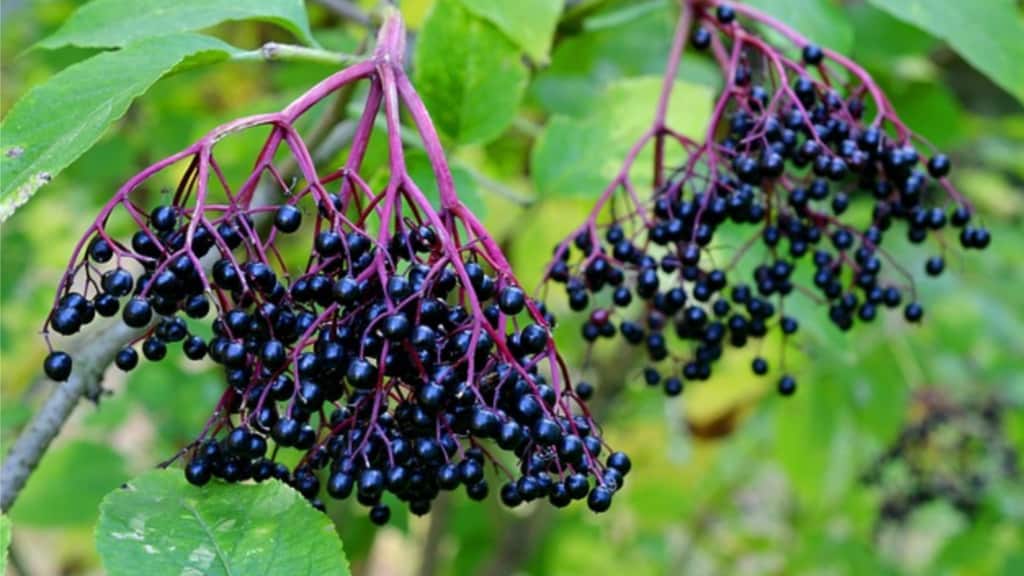
The elderberry is a blue-black berry from trees or shrubs belonging to the genus Sambucus .
Medicinal elderberries usually come from the species Sambucus nigra, which is native to both Europe and parts of North America.
While raw elderberries are mildly poisonous, they can be made into a variety of supplements that have health benefits. People can make these berries into syrups, lozenges, teas, wines, and capsules, and syrup for smoothies or yogurt. 12 Health Benefits of the Elderberry
1. Elderberries Are Nutritious
A cup of elderberries, or the equivalent, contains 106 calories. It also contains the following nutrients: 26.7 grams of carbohydrates
870 milligrams (mg) of Vitamin A
9 mg of Vitamin B9 (folate)
52.2 mg of Vitamin C
55 mg of calcium
2.32 mg of iron
406 mg of potassium
2. Elderberries Are A Good Source of Fiber
The same cup of elderberries also contains 10.2 grams of fibers – which is about a third of the recommended daily amount, according to the “ 2015-2020 Dietary Guidelines for Americans .” It recommends 28 grams of fiber for women and 34 grams of fiber for men.
Getting the recommended daily amount of fiber provides health benefits that include the following: Reduction of cholesterol
Prevention of constipation
Improvement of bowel function
Reduction of blood pressure
Protection from cardiovascular disease
Protection from colorectal cancer
3. Elderberry Supplements Can Treat Colds and Strep Throat
Elderberries contain antioxidants like Vitamin C. They also reduce inflammation and boost the immune system. Their anti-inflammatory properties mean that they might soothe a sore throat. Elderberries also have anti-depressant properties, so they can improve a patient’s mood while they are recovering. 4. Supplements Can Relieve Influenza Symptoms
In 2004, the “Journal of International Medical Research” described a study conducted during Norway’s 1999-2000 flu season. Researchers worked with 60 patients between 18 and 54 years old who had flu symptoms. They gave some patients a placebo and others a syrup made from elderberries. Both sets of patients were given syrup four times a day over a five-day period. The patients who got the elderberry syrup experienced relief of their symptoms by an average of four days earlier than the patients who were given the placebo. They also needed to take less medication than the patients who were given the placebo.
Extracts from elderberries can inhibit the Streptococcus bacteria that cause strep throat . They can also fight influenza B and A viruses . 5. Elderberries Can Treat Acne
Elderberries contain lots of flavonoids, which are nutrients found in plants. They have anti-inflammatory and antioxidant properties and can thus protect the skin from free radicals that can cause conditions like acne. A face wash made from elderberries is also an antiseptic and can be used to treat acne. 6. This Supplement Strengthens the Immune System
Elderberries can reduce the chances of contracting flu and colds. In 2016, the science journal “Nutrients” described a study involving volunteers who traveled by plane, which often puts stress on the respiratory system. The researchers worked with 312 volunteers who were taking a plane to Australia.
They gave a placebo to some of the volunteers and an extract made from elderberries to the others. The travelers had to take the capsules ten days before and five days after their flight. Both groups had to fill out surveys describing any upper respiratory systems before and after the trip.Seventeen of the travelers who got the placebo got sick compared to twelve of the travelers who were given the extract. The travelers, given the placebo, also stayed sick for a longer time.In fact, the travelers who were given capsules made from elderberries recovered from their infections two days earlier than the people given the placebos. They also experienced milder symptoms. Elderberries contain lots of antioxidants, including Vitamin C, and those antioxidants help strengthen the immune system and prevent some types of illnesses. Elderberries can be made into gummies, capsules, or syrup. 7. Elderberries Help the Heart Elderberries contain a lot of potassium and thus help control blood pressure. A diet that is high in potassium benefits the heart and reduces the risk of fatal ischemic heart disease. Elderberries also contain anthocyanins, which are compounds that protect the inner wall of the blood vessels. That protection reduces the risk of heart disease by improving circulation, so the blood flows more easily.In 2013, the “British Journal of Nutrition” described a study conducted by German researchers who worked with 42 obese and overweight women who had not yet passed through menopause. During an eight-week period, the scientists gave some of the women capsules containing powdered elderberries and gave the others capsules containing a placebo. They also had the women exercise on treadmills. By the end of the eight weeks, the women who had been given powdered elderberries showed greater improvements in their circulation than the women who had gotten the placebo. They also showed a greater reduction in their ox-LDL (oxidized low-density lipoproteins) levels, which meant their atherosclerosis had declined.A 2010 study found that berries, in general, are good for the heart. Researchers published a paper in the science journal “Nutrition Reviews,” in which they examined the health benefits of eating different types of berries or taking extracts made from berries. Those benefits include the prevention of heart disease, and the researchers thus recommend that berries be part of a “heart-healthy diet.” 8. Elderberries Can Help Prevent Cancer Elderberries contain a flavonoid called quercetin that has anti-inflammatory and antioxidant qualities. It also stimulates the immune system and may aid cancer treatments. A study conducted at the University of Missouri’s College of Agriculture, Food & Natural Resources indicated that elderberries could both prevent and treat prostate cancer. The researchers found that high concentrations of elderberry can inhibit a biochemical process called hedgehog signaling, which has been implicated as a cause of prostate cancer. 9. These berries Keep Skin and Hair Healthy Elderberries owe their color to anthocyanins, which also help protect the skin. An extract from the fruit can reduce bruising and inflammation. The […]
Slow down: How to calm your mind and unlock your potential

Mindfulness meditation can help combat stress in the workplace There is a misconception that a calm mind means an empty mind, a kind of Zen flatline.
In fact, it’s the opposite; a calm mind is a productive mind, one where ideas and thoughts linger and percolate long enough to become productive, where creative thinking is favoured and decisions are taken out of an instinctual understanding of what you need.
A calm mind is a pleasant place to dwell, and is resilient when faced with life’s inevitable shocks.
So how to achieve this desirable state of being? Here are some strategies for slowing down, for changing the pace at which you live – perhaps not permanently, but often enough to remind yourself why calming the mind is something to aim for.
These are aimed at the many of us who understand that by being busy all the time we have lost something valuable, are risking our fundamental health and happiness, and who wish to arrive at a state of greater serenity.
Some are short-term strategies, to deploy in a moment of agitation (breathing, for example), others are medium and long-term – physical and psychological changes to incorporate into our daily lives that will bring good results.
1. Pause
Consultant psychologist Dr Jane Louise Clarke, owner and director of The Consulting Clinic (www.theconsultingclinic.ie), recommends as a first step that we “stop, pause and check in with yourself. In the rush of life we often feel we don’t have time to stop and gather our thoughts, but doing so can calm the mind and reduce reactivity.”
So take a moment, and ask yourself the following questions: “What am I feeling right now? Am I reacting rather than responding? Am I getting things out of proportion? Am I predicting the worst? Am I jumping to conclusions? What advice would I give to a friend in this situation?”
All these questions “help us to stand back and get a wide perspective, which then helps to calm the mind”.
2. Breathe
After that, breathe. “Take a few moments to stop and connect with your breath. The breath helps to increase focus, regulate emotions and anchor back into the present moment,” says Dr Clarke.
There are various formulae for breathing yourself calm, but one of the simplest and most effective is the 7-11 breath: Breathe in for seven counts, breathe out for 11. Repeat.
3. Take stock
Dr Clarke also suggests we take stock of our “areas of nourishment and depletion. When we feel stressed we tend to neglect the nourishing activities and get lost within the depleting activities that exhaust us. Nourishing activities lift mood, increase energy and help you feel calm.”
Such activities might be exercise, healthy eating, meditation and connecting with your values. Areas of depletion are too much screen time, working long hours, avoiding socialising and exercise. Make your own personal list of nourishing and depleting activities, with the aim to reduce the depletion activities and increase your nourishing list.”
4. Exercise
Linda Hamilton, cognitive behavioural therapist at Kinsale CBT (www.kinsalecbt.com), says: “Exercise is hugely important for mental as well as physical health, and one of the most effective ways of reducing anxiety or depression (around five minutes of aerobic exercise can stimulate anti-anxiety effects, while as little as one hour of exercise a week reduces the risk of future depression).
“It releases endorphins, which can significantly boost mood and is one of the quickest ways of reducing stress. It reduces fatigue and tension, improves alertness and concentration, and the ability to sleep. Joining a gym or going hill-walking is great, but more modest steps – just getting out and moving when you can – will also help.”
5. Get outdoors
If that exercise can take place in nature, the proven benefits are increased: “A growing body of research confirms nature has the power to rejuvenate,” Hamilton says. “Recent research has found that people who spent at least two hours in contact with nature over the previous week were much more likely to report a greater sense of well-being than people who spent no time outdoors. It didn’t matter how the 120 minutes was achieved (for example, one long visit versus several shorter ones).
“Spending more than five hours was not associated with additional benefits.
“Correlation is not causation, but it’s fair to assume that most of us feel the benefits from accessing green space, whether it be in a leafy park or a walk by the sea. People at risk of anxiety or depression are especially likely to benefit – being near water and trees and birds and animals is a positive distraction that takes you out of your head, calming the mind and bringing you back to the moment.”
6. Do new things
Hamilton also advocates spending time doing whatever it is that your enjoy – “whether it be reading, baking, listening to music” – but equally, highlights the power of the new: “The more novelty in your life, the longer it seems. It’s easy to fall into familiar routines as we get older; as a result, one day can blur into the next.
“That’s why a week holidaying in an unfamiliar location seems longer than a normal week. In novel situations, we pay more attention, taking in the different smells and sights. We can’t be on holidays all the time, but we can shake things up by varying where we walk, drive, cycle, what we eat, and so on. Small injections of newness keep life fresh.” 7. Work out your NATs and tackle them “Life can be stressful,” Hamilton says, “but stress can also be self-generated, with unhelpful thinking patterns making a difficult situation seem like an intolerable one. We often forget that our thoughts are not facts.”This is especially the case when we are stressed or anxious. It’s a good idea to jot down the NATs – Negative Automatic Thoughts – that pop into your head in times of stress and take a look at them later on, when things are calmer. You’ll see that these thoughts can be harsh and […]
The Biggest Supplement Trends Of 2020, According To Nutritionists
It’s hard to think there was ever a time when people weren’t spiking their morning cup of coffee with MCT oil or adding a scoop of whey protein into a smoothie — and that’s above and beyond all the things included in your daily multivitamin. Basically, supplements are everywhere these days and, every year, it seems like there’s a buzzy new one that the wellness community is getting behind. And when it comes to the biggest supplement trends of 2020 , while some might already be a part of your current regimen, others offering benefits like reducing inflammation or boosting your mood might be totally new to your vocabulary.
It’s safe to say that 2019 was all about CBD tinctures and gummies for reducing anxiety , collagen powder for beauty benefits, and turmeric — especially those trendy golden milk lattes as a way to wind down. And if the experts are correct, this year’s most popular supplements will bring even more to the table. Nutritionist Lisa Richards, who penned The Candida Diet is especially well-versed on the subject, and she’s made a few predictions for what people are going to be trying in 2020. Looking for pain reduction? Improved cognitive function? Increased energy? There might be something among her five suggestions that’s right for your lifestyle — but it’s always advised that you check with your regular doctor first. Bone Marrow
“Bone marrow supplements are rising in popularity and provide benefits from from skin health to reduced pain,” says Richards. “This naturally occurring compound is nutrient dense which gives bone marrow its health benefits. The collagen and glucosamine content make it ideal for skin elasticity and inflammation. It’s a more natural, holistic solution than isolated collagen or glucosamine.” Berberine
“Berberine is a compound that occurs naturally and is extracted from a variety of plants within the alkaloid family,” explains the nutritionist and author. “It has been used in Chinese medicine for centuries to treat ailments and health conditions [and] works the same way pharmaceutical drugs work by changing the function of cells once inside. Specifically, berberine promotes heart health, is anti-inflammatory, and promotes a healthy balance of good bacteria in the digestive tract.” Saffron
Move over turmeric, another vibrant yellow plant is going to be huge in 2020, according to Richards. “Saffron is sourced from the beautiful and exotic Crocus sativus flower,” she says. “The use of saffron for medicinal purposes includes a wide variety of uses such as for mood enhancement, increased energy, and a boosted metabolism.” Nootropics
According to the expert, nootropics (otherwise known as “smart drugs” or cognitive enhancers) is a term you’ll be hearing a lot more this year, especially with supplements like citicoline and Alpha GPC gaining popularity. “In its natural form, [citicoline] it is a chemical that occurs naturally in the body and produced by the brain. It is primarily used to improve and prevent cognitive decline, like memory,” Richards says. “It has also been found to be useful in glaucoma and aid in stroke recovery. Alpha GPC [is another] chemical that is naturally occurring. [It is] found in plants, primarily soy, and is a fatty acid byproduct when the plant breaks down. It has been shown most effective in treating a range of cognitive disorders from memory and learning to dementia and Alzheimer’s. Like Citicoline, it is also helpful in stroke recovery.” Peptides
Richards describes this anti-aging supplement as category of supplements as having wide range of health benefits for the body. “The most common of their functions include reducing inflammation, improving immune function, lowering blood pressure, and helping prevent blood clots — and they’re naturally antimicrobial and act as antioxidants,” she says. “The most common peptide supplement is collagen, but 2020 may bring more variety in supplement form.”
New product development addresses numerous functional beverage trends
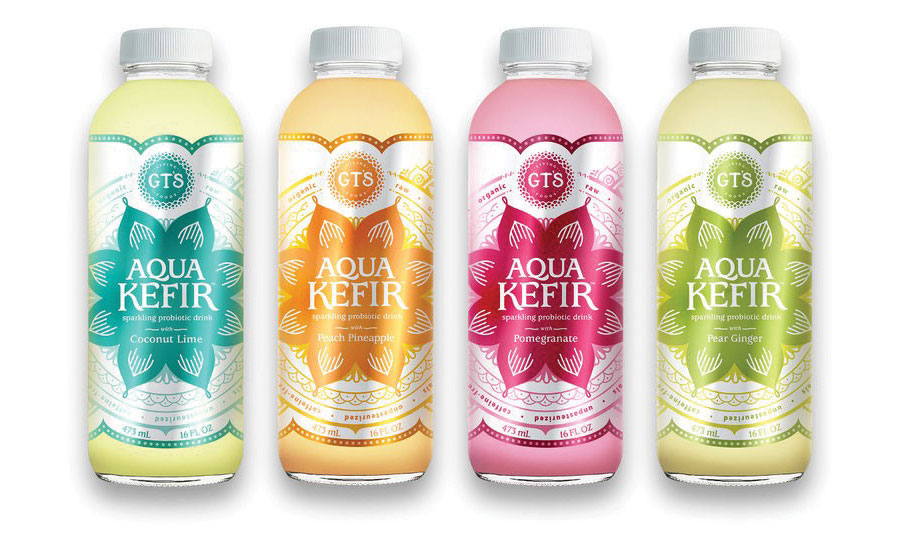
Mintel data found that 24 percent of consumers report consuming probiotic foods and beverages. AQUA KEFIR is a line of sparkling probiotic beverages that have been fermented with non-dairy kefir cultures. (Image courtesy of GT’s Living Foods) Oliva Newton John might have sung “let’s get physical, physical,” but if asked to remake the song to reflect today’s beverage market, the more apt lyrics might be, “let’s get functional, functional.” With beverage-makers increasingly seeking ingredients that deliver a specific function, the functional beverage market is addressing a wide range of product attributes, experts note.
“Health and wellness, hyper-personalization, premiumization and experience culture are driving beverage innovation,” says Holly McHugh, marketing associate for Niles, Ill.-based Imbibe. “Consumers have easy access to information online and can gather personal health data through technologies like FitBit and at-home wellness tests. As a result, consumers are frequently adapting their diets and choosing products that help them achieve personal lifestyle goals.
“Additionally, consumer purchases are more spontaneous than ever, but they are willing to pay more for products that taste good and fulfill a need in-the-moment,” she continues. “Premiumization has played an important role in communicating value and justifying a higher price tag.”
McHugh notes that when it comes to the type of functionality, the beverage market is flush with a diverse set of trends.
“Beverages that deliver key nutrients, energy drinks and digestive health products continue to be popular with consumers,” she says. “Mood-boosting and relaxation beverages are expected to experience significant growth as well in the next few years.”
Caleb Bryant, associate director of food and drink reports for Chicago-based Mintel, also highlights which functionalities are on the rise and what’s declining.
“According to Mintel’s Global New Products Database, functional brain health is the fastest-growing claim in all U.S. beverages, comparing 2015 to 2019,” he says. “Stress/Sleep claims also experienced significant growth. Conversely, bone health claims have declined.”
With so many functional claims on the rise, this has helped further the maturation of the hybrid beverage market.
“The next generation of functional beverages will include ingredient combinations that address multiple need states or several harmonizing ingredients that help consumers fulfill a specific goal,” Imbibe’s McHugh says. “Energy drinks are a popular channel for incorporating functional ingredients beyond caffeine to address multiple needs in one beverage. Over the last year, energy drinks enhanced with popular sports nutrition ingredients like creatine, electrolytes, and branch-chained amino acids (BCAAs) have gained ample shelf space at specialty, convenience and grocery stores.”
Through a variety of ingredient sources, McHugh anticipates that the functional beverage market will only continue to grow in the year ahead.
“In order to fulfill varying consumer demands, brands will offer more options than ever through functional beverages that address specific need states like energy, cognitive performance, gut health and beauty,” she says. “Additionally, beverage brands have been trying to stay on top of industry trends by incorporating novel ingredients like adaptogens, cannabidiol (CBD) and collagen into products. While these types of ingredients will continue to be popular in functional beverages, expect an abundance of products that go ‘back to the basics’ with familiar and essential vitamins and minerals. Brands will aim to incorporate key nutrients that improve overall health via superfoods and fortification.”
Yet, prognosticating the next trend that evolves from a fad to a staple beverage segment still remains a challenge. Recognizing the complexity of new product development, McHugh details that streamlining this process is not just about understanding consumers’ needs but also how a company wants to approach the development process.
“Consumer needs are a moving target, which has made it very hard for brands to pinpoint what will be successful and experience growth for years to come,” she says. “Rapid product development can be a challenge, especially for larger brands whose innovation pipeline often takes longer than smaller brands. We see a lot of larger brands investing in smaller brands or creating their own beverage incubators but having a partner that can speed up the product development process can be less expensive and still get products to the market faster.”
“In order to fulfill varying consumer demands, brands will offer more options than ever through functional beverages that address specific need states like energy, cognitive performance, gut health and beauty. Additionally, beverage brands have been trying to stay on top of industry trends by incorporating novel ingredients like adaptogens, cannabidiol and collagen into products. While these types of ingredients will continue to be popular in functional beverages, expect an abundance of products that go ‘back to the basics’ with familiar and essential vitamins and minerals.” — Holly McHugh, marketing associate for Imbibe Ingredients of choice
As beverage-makers turn to trusted sources to help them formulate the next great innovation, the list from which these formulators can choose only continues to grow.
An emerging market 20-plus years ago, the energy-enhancing beverage category has not only matured but also has evolved in terms of the types of ingredients that are in today’s energy drinks.
“Caffeine is still king when it comes to energy claims but many companies are calling out their use of L-theanine due to the amino acid’s sustained energy benefits and purpose cognitive benefits,” Mintel’s Bryant says. “Consumers want the boost from energy drinks but not the associated crash, which is why there has been an uptick in the use of L-theanine in beverages.” Cognitive health beverages have evolved beyond alertness to also support mood and vitality, experts note. Clear/Cut Phocus is a naturally caffeinated sparkling water that contains caffeine derived from green tea, as well as L-theanine, the company says. (Image courtesy of Clear/Cut Phocus) Energy functionality also has been an attribute association for cognitive health; however, cognitive health is more than just alertness. Consumers seeking attributes such as memory, mood and even processing speed have resulted in beverage-makers turning to an emerging set of ingredients to fulfill these demands.
“There are a wide range of ingredients — often referred to as nootropics — that are suggested to improve memory, creativity, motivation and clarity,” Imbibe’s McHugh explains. “Antioxidant-rich botanicals like green tea and yerba mate, and adaptogenic herbs […]
Seasonal Affective Disorder (SAD): 11 proven ways to tackle this surprisingly common condition
Now that we’re in the middle of January, many of us will be struggling with the dark evenings and the cold weather thanks to the condition that is Seasonal Affective Disorder (or SAD).
Officially known as SAD (Seasonal Affective Disorder), this winter depression is thought to be caused by reduced exposure to sunlight during the autumn and winter months. This can cause a sudden drop in mood , leading sufferers to feel less active, have a lack of interest in life and a desire to sleep more . But when spring arrives, those symptoms virtually disappear.
Whether you’re struggling to get out of bed even more than usual, not feeling motivated to work, or only feel interested in eating a jacket potato in front of the television, you’re certainly not alone. The colder months leave many people feeling sluggish or gloomy – both of which could be signs of winter depression (another term for SAD).
So as we languish in the middle of the winter period, we take a look at the best ways to overcome SAD. From switching your morning coffee for light exposure, to snacking on popcorn, these tips can easily help to brighten your day.
Instead of buying your regular morning coffee, why not save up for a SAD lamp for your desk at work?
Caffeine in coffee and energy drinks further suppresses the levels of serotonin, the chemical that regulates brain functions such as mood, appetite, sleep, and memory, which can already be low due to a reduced exposure to sunlight.
You can counter this drop by using full spectrum light bulbs, supposedly developed for residents of arctic regions who have extremely long, winter nights. These special lamps emit white light emulating the sun’s spectrum of wavelengths. Researchers at more than 15 medical centers and clinics around the world noticed that an exposure to white light showed a marked improvement on SAD sufferers within a week. An individual’s mood can be boosted with 30 minutes of light.
Scandinavian countries offer light cafes where guests can sit in white armchairs and soak up artificial sunlight to fight off the winter blues. And while the phenomenon hasn’t quite taken off in the UK yet, the Sun Meadow at the K West Spa, London, offers gentle light therapy to help banish the symptoms of SAD.
Optimum dosing of light is crucial, since if not done properly it can produce no improvement, partial improvement or even worsening of symptoms. Visit sad.org.uk to find the best SAD light for you.
It might be a cold, grey morning, but the worst thing you can do is stay in bed. The human body uses light cues , such as those provided by the sun, to time certain functions. When your body clock doesn’t get the right light signals, you can feel tired, moody and sluggish. But when it does get the right type of light, your body produces active, energetic hormones and suppresses the negative, withdrawal ones.
The optimum time to wake up is between 6am and 8am (the hours just after dawn) when there are added benefits of the sun’s natural ultraviolet light for mental health.
Meanwhile, oversleeping and fluctuation in the time you wake up increases levels of the hormone melatonin during sleep, which can contribute to feelings of depression.
So when you open your eyes, pull open those curtains, sit by a window or go for a walk outside. 3. Use dawn simulators
Because (as mentioned above) the body uses light cues to function, waking up in a dark room is not the most effective start to the day, especially when it’s still dark outside and natural light is out of the question.
Dawn simulators like the Lumie Bodyclock Spark 100 (£74.99) work by gently brightening 30 minutes before your alarm is due to go off, meaning your body wakes up more naturally with the light around you. Besides triggering your body to produce active, energetic hormones and get you ready for the day, waking up to a well-lit room can help to boost your mood. 4. Exercise outside even if the weather is bad
Aerobic exercise is proven to help alleviate SAD symptoms because it raises serotonin levels (our feel-good brain chemical) and reduces stress. Exercising outside can yield even greater benefits due to the added bonus of natural light exposure.
A study by Bates College Health Center showed that an hour of aerobic exercise outside (even with cloudy skies overhead) had equivalent benefits to 2.5 hours of light treatment indoors. Take a longer route on your walk to work, go for a run or have a snowball fight (if it gets that cold) to beat the blues. 5. Snack on popcorn
If you’re suffering from SAD you may be craving carbohydrates, thanks to decreased serotonin activity. Snacking on the right kinds of carbohydrates can relieve some of the symptoms of SAD, according to Dr Judith Wurtman, co-author of The Serotonin Power Diet, and her husband, MIT professor Richard J. Wurtman.
The pair have long researched carbohydrates and their link to depression, and found in a landmark study that around 30g of carbs — or about 120 calories — per day was enough to produce the serotonin you need. However, not all carbs are created equal. Eating sweets and simple carbohydrates like doughnuts, white rice and white bread, quickly raises blood sugar levels and can lead to a sugar crash causing fatigue, headaches and irritability. Good snacking choices include popcorn, pretzels, shredded wheat squares or low-fat biscotti. 6. Wear a bright colour
Therapy using colour, such as Phototherapy (utilising full-spectrum white light for healing) and chromotherapy (using specific colours to influence health), has been around since 2000 BC in Ancient Egypt and Greece. In the hermetic traditions, coloured stones, minerals, and crystals were used to cure various diseases, while treatment sanctuaries painted in specific colours were also recognised for their healing qualities. 7. Make fish your go-to meat
Research has suggested that SAD is less common in those who consume more omega-3 fatty acids.
A 2010 study in the Journal […]
You Can Defy Aging With Turmeric In 2020
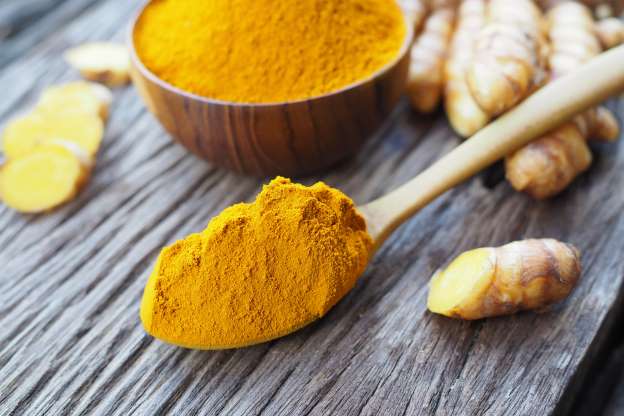
Used in India for thousands of years as both a spice and medicinal herb, part of Ayurvedic medicine, turmeric has grown in popularity over the years. It is a well-researched herb known to be an effective natural method to help improve the way we age.
Sometimes called Indian saffron or the golden spice, turmeric is a tall plant from Asia and Central America. Its bright yellow color is regularly used across the world as a dye. The turmeric available on shopping shelves is made of the ground roots of the plant. The ground turmeric can also be found in curry powder, as well as some teas as well as powders. Among its various nutrients, turmeric also contains compounds with medicinal properties, the most notable curcuminoids. Of these compounds, the most important is curcumin. Curcumin is the active ingredient found in turmeric that will help provide a healthy and productive 2020.
Yes, inflammation is important. This is because it will help to protect your body as well as repair any damage throughout the year. Short-term inflammation is beneficial, yet anything longer is a problem.
Chronic inflammation has now been credited as playing a major role in the development of chronic diseases such as heart disease, cancer, as well as metabolic syndrome. This is why it’s important to find various ways to naturally reduce chronic levels of inflammation.
According to research published in the Alternative Medicine Review journal, scientists found that curcumin’s anti-inflammatory properties match the effectiveness of common anti-inflammatory drugs, yet without the risk of side effects. As such, curcumin may help to reduce the risk, as well as treat a number of conditions. 2. It’ll protect your brain health
Brain-derived neurotrophic factor (BDNF) is a brain protein that helps to maintain brain health by increasing neurons as well as forming new connections in the brain. In fact, according to studies, high levels of BDNF have been linked to improved memory as well as a reduced risk of Alzheimer’s disease (1, 2).
Luckily, according to an animal study published in the Behavioural Brain Research journal, curcumin was found to help boost the levels of BDNF in a group of rats. Additionally, a separate animal study published in the Journal of Alzheimer’s Disease found that curcumin may be able to clear away plaques in the brain associated with Alzheimer’s disease. 3. You’ll face a reduced risk of heart disease
It may be a new year but heart disease is still the number 1 cause of death in the world. That said, it’s important to take precautionary measures to protect your cardiovascular health throughout the year. One way to do this would be through the use of turmeric.
The endothelium is the lining of your blood vessels and any impairment associated with it results in a heightened risk of heart disease. This is because it helps to regulate blood pressure. Therefore, it’s important to maintain the functionality of the endothelial and it appears that curcumin can help to do so.
According to a study published in the journal Nutrition Research, curcumin was found to be just as effective as exercise at improving endothelial function.
Related Slideshow: Health benefits of turmeric (Provided by Photo Services) Turmeric on table – Akepong Srichaichana/EyeEm/Getty Images
4. You may reduce your risk of cancer
Over the years, curcumin has been studied as a potential tool to both reduce as well as possibly treat different forms of cancer.
Various research has found that curcumin can help to kill tumor cells as well as inhibit tumor growth in a test tube and animal studies ( 3 , 4 ).
Additionally, a study published in the journal Carcinogenesis found that curcumin helped to boost tumor sensitivity to chemotherapy in pancreatic cancer. 5. If you have arthritis, you’ll improve your symptoms
Arthritis involves inflammation in the joints and given curcumin’s anti-inflammatory properties, it makes sense that it may help address arthritis symptoms.
A study published in the journal Phytotherapy Research gave people with rheumatoid arthritis either 500 mg of curcumin, 50 mg of diclofenac sodium (a prescription nonsteroidal anti-inflammatory drug), or two in combination. After eight weeks, the researchers noted that the curcumin-only group noted significant improvements in their symptoms when compared with the other two groups. 6. You’ll help manage your depression
As mentioned, curcumin can help to boost BDNF levels. In fact, depression has been linked to reduced levels of BDNF.
That said, a study published in the journal Phytotherapy Research attempted to analyze the effect of curcumin on depressed individuals. The study randomly assigned 60 patients with a major depressive disorder to one of three groups: one group received daily 20 mg of Prozac, another received 1,000 mg of curcumin, and a third received a combination of the two. After a period of six weeks, the researchers saw that the group that took both Prozac and curcumin experienced the best improvements.
Additionally, research found in the journal Psychopharmacology also suggested that curcumin can help to boost the levels of both serotonin and dopamine – brain chemicals that help to regulate your mood. 7. You may prevent diabetes
Research has found that curcumin may help to manage as well as prevent diabetes.
For instance, an animal study done on obese mice with type 2 diabetes and published in the Nutrition & Metabolism journal, found that curcumin supplements helped to lower their blood insulin levels.
Also, a study published in the journal Diabetes Care found that pre-diabetic participants who took curcumin extract for 9 months did not go on to develop diabetes. Furthermore, 16% of the participants who took a placebo instead did go on to develop diabetes after the 9-month period. 8. You’ll have healthier skin
If your goal is to have healthier, younger-looking skin in 2020, then the secret to perfect skin lies with turmeric.
As a result of its anti-inflammatory, antimicrobial, as well as antioxidant properties, turmeric can help to address a number of skin conditions that include eczema, acne as well as psoriasis.
What’s more, turmeric also contains anti-aging properties. This is because turmeric is able to counter the […]
Walking Is The Healthiest Way To Augment Memory, Says Study

Health Walking can give you many benefits like help in weight loss and achieving healthy metabolism. Not just that, walking helps in boosting memory as well. Read more
According to Better Homes and Gardens , there are countless reasons why exercise is good for you. Exercise is a natural mood booster. It is always great to work out your muscles, joints and get the blood flowing.
Exercise is not only known to reduce the risks of various diseases but potentially extend your life as well. Recent studies, however, show that going for a walk or even a sprint will improve your memory, too. Is walking the healthiest way to boost memory?
An American study has found that walking could enhance your memory. In July 2018, the study published its findings in the journal Psychological Reports, where it clarified that there were four experimental sessions attended by 24 people aged 18 to 35.
In the first session, they had to try to memorize as many words from two lists of fifteen words as possible while walking on a treadmill. They walked at a moderate intensity on a treadmill for 15 minutes before, during, and after memorizing the word lists. Researchers found the participants were better able to remember the words when they walked before memorising the words.
Read: Pooja Makhija, The Star Nutritionist & Her Excellent Work In Keeping THESE Stars Healthy
According to Lifehacker , another study was conducted on 60 sedentary adults aged between 60 to 80. They started a three-week brisk 40-minute walking program every day. After a year, MRIs showed that the participant’s hippocampus area had increased by around 2%. The walkers also had improved memory test results compared with their scores at the beginning of the research, an increase correlated with the larger hippocampus.
Read: Here Are Various Health Benefits Of Including Kiwi In Your Diet
Additionally, a study conducted by the University of British Columbia showed that daily aerobic exercise (the kind that pumps the heart and sweat glands) tends to increase the size of the hippocampus. The hippocampus is a part of the brain involved in learning and verbal memory.
Read: Orange And Ginger Detox Drink Recipe That You Must Drink For Good Health
Read: Cristiano Ronaldo Has A Secret Regime That Keeps Him Fit And Healthy
DISCLAIMER: The content provided above is for information purposes. This is no way intended to be a substitute for professional medical advice, diagnosis, or treatment. Always seek the advice of your physician or other qualified health providers with any questions you may have regarding your health and wellness. Promo Image Credit: Shutterstock

The Power Within by Corey Daniels book available for only $2.99
Mind has both conscious and subconscious halves. These are likened to a driver and the truck he drives. The driver plans the destination and observes road conditions, while the truck provides motive power. Your subconscious mind is like the truck and it only goes in the direction in which is a steered. This can be the road or off a cliff. Likewise, the consciousness paints a picture of what the world is and what your goals are and the subconscious acts on them through emotion, physical response and energy, whether these are correct, rational images or false negative ones. The subconscious is also like an emotional reservoir which your body and mind draw responses from to external stimuli.
The Power Within lays out a method of programming your subconscious and tapping into the Holy Spirit, God voice or what the Greeks called the daimon (godman).