Nature Knows and Psionic Success
God provides
Here’s what you need to know about ayahuasca, the natural (and psychedelic) antidepressant

( Natural News ) Perhaps you’ve heard tales of people visiting South America and trying ayahuasca. This psychoactive brew is said to be very enlightening, but what exactly is it – and is it safe? Ayahuasca is a tea made with the leaves of a plant called Psychotria viridis and the stalks from a vine known as Banisteriopsis caapi . Sometimes other ingredients and plants may be added. The psychedelic substance in P. viridis is called DMT, and it is responsible for much of the effect the tea has. It’s combined with the B. caapi to enhance its effects and boost its bioavailability. Although the sudden buzz it’s been getting might make you think it’s new, it is actually centuries old. It was used by ancient tribes in the Amazon for religious and spiritual purposes, and some religious communities in places like Brazil still use it as a sacred beverage. There’s also a ceremonial component, with a shaman or “curandero” responsible for preparing the brew and leading the ceremony. The vine is cleaned and then smashed up prior to boiling to facilitate the extraction of its medicinal compounds. After boiling and reducing the concoction, the water is set aside, and the process is repeated using the remaining plant material to create a highly concentrated liquid. What happens when you take ayahuasca? The tea affects your central nervous system and brings you to an altered state of consciousness. This typically includes hallucinations, euphoria, and even out-of-body experiences. Some people will also experience paranoia and fear. It generally kicks in within 20 to 60 minutes of consuming it, and the trip it induces can last for as long as six hours. Many people experience vomiting and diarrhea along with the psychological effects, and this is said to be part of the […]
What does it mean to have a happy gut? For starters, a healthier body

( Natural News ) The gut microbiota has been a topic of numerous research over the past few decades. The word “microbiota” refers to a collection of microorganisms that live in an established environment. Your gut contains billions of microorganisms like bacteria, viruses, and even fungi. Many studies have observed how microbiota interacts with aspects of human life and linked these gastrointestinal bacteria to the onset, incidence, and treatment of a number of diseases, including inflammatory bowel disease and cancer . A study published in the journal Gastroenterology and Hepatology claimed that having a wide variety of healthy bacteria in the gut can give various health benefits , including enhancing the immune system, improving depression symptoms , as well as fighting obesity. Keeping your gut and microbiota healthy is key to keeping your bodiy in tip-top shape. Inversely, you can also keep the gut microbiota happy by leading a healthier lifestyle. Trust your gut with these health tips A healthy gut is a happy gut and there’s no better way to keep the microbiota blooming and healthy than striving toward a healthier lifestyle. Here are a few ways to improve your gut bacteria: Change up your diet A normal, healthy microbiota contains several different species of bacteria. Each of these bacteria plays a specific role in improving your health and requires different nutrients to flourish and grow. Studies have shown that a diverse microbiota is a healthy one. The more kinds of bacteria you have in your microbiome, the more health benefits you can reap from keeping them healthy. Discover how to prevent and reverse heart disease (and other cardio related events) with this free ebook : Written by popular Natural News writer Vicki Batt, this book includes everything you need to know about preventing heart disease, reversing hypertension, […]
Stressed out? Manage your stress with these 10 tips

( Natural News ) Having healthy lifestyle habits is essential for your overall health and well-being. This includes managing your stress levels . Stress, mood, and your health High stress levels can negatively affect your diet and workout. Adriane Kozlovsky, a clinical dietitian at Levindale Hebrew Geriatric Center & Hospital , explained that wellness goes beyond having a balanced diet. It also involves other crucial factors like regular physical activity and effective stress reduction. Your stress level can affect your health, just like eating junk food or staying in bed or on the couch the whole day. If you’re having a stressful day (or week), follow these 10 tips to manage your stress and boost your mood. 1. Get enough sleep You need seven to eight hours of quality sleep every night. If there are factors that prevent you from getting an adequate amount of sleep, set aside an hour or at least 30 minutes during the day for a refreshing power nap. 2. Exercise regularly According to the American Heart Association , adults need about 150 minutes of moderate-intensity aerobic activity per week, 75 minutes of vigorous aerobic activity per week, or a combination of both. Meanwhile, children aged six to 17 must have at least 60 minutes of moderate- to vigorous-intensity physical activity per day. Experts recommend mostly aerobic exercises for kids. If your schedule is packed, develop an exercise routine that fits into your spare time. This ensures that you have enough time to get the exercise that you need without sacrificing your other tasks. Discover how to prevent and reverse heart disease (and other cardio related events) with this free ebook : Written by popular Natural News writer Vicki Batt, this book includes everything you need to know about preventing heart disease, reversing hypertension, and […]
BIPRI is Optimizing Nutrition to Help Improve Adults’ Memory

BIPRI introduces Brain & Memory Fuel, a pharmacist-formulated blend of natural ingredients for supporting memory, focus and circulation FRANKLIN, Tenn., Oct. 17, 2019 /PRNewswire/ — Four in ten adults in the U.S. age 65 or older have some form of age-associated memory loss, according to findings published in The British Medical Journal . "About 10% of people aged 65 years or older have mild cognitive impairment, and nearly 15% of them develop Alzheimer’s disease each year," the study continues. Pharmacists and brain science experts at BIPRI Wellness are helping adults of all ages and health backgrounds optimize their nutrition in order to promote improved brain health and support for cognitive function. Real Life Improvements: Memory & Cognitive Function One of the company’s latest pharmacist-formulated nootropics, Brain & Memory Fuel , is already making an impact among users looking to improve their memory and ability to focus. According to one customer, "Just like most people, when I turned 50, I felt my memory was not nearly as good as it used to be. My ability to quickly recall facts and figures was noticeably slowing down and it worried me. I started taking the supplement from BIPRI, and now I feel my memory has not been this good in 30 years." Research Behind Brain & Memory Fuel A blend of nutrients and botanical extracts, Brain & Memory Fuel contains powerful nootropics, such as acetyl-l-carnitine, bacopa, Sharp-PS (phosphatidylserine) and huperzine A. According to a 2016 study , " Bacopa monnieri has also been shown to improve specific domains of cognition, sensitive to age associated cognitive decline (particularly processing speed and memory)." A 2014 study reports , "Improvement of some memory functions has been observed in cognitively impaired subjects as a result of PS supplementation […]" " HupA treatment significantly attenuated markers of […]
You may solve a problem better if you “sleep on it”

You may solve a problem better if you sleep on it In a new study, researchers found people actually might solve a problem better if they “sleep on it.” In fact, the researchers were able to improve problem-solving upon waking by manipulating a critical process during sleep. The study provides important information about information processing during sleep, as well as incubation for problem-solving—why we sometimes solve a problem better after a break. The research was conducted by a team from Northwestern University. It is known that people rehearse or ‘consolidate’ memories during sleep, strengthening and reorganizing them. It’s also known that this natural process can be boosted by playing sounds associated with the information being rehearsed. Because many tricky problems are solved by thinking of them in a new way, the team hypothesized that rehearsing unsolved problems during sleep would help people refine their memories of the problems, and improve their chance to solve them the next day. In the study, people attempted several puzzles in the evening while listening to specific sound cues. While they slept, a program presented sounds associated with half the puzzles they had failed in the evening. The following morning participants solved the puzzles that had the associated sound cues played overnight better, compared to the puzzles that got no cues. This shows the evidence that brain processing during sleep is helpful to daytime cognition The team says if people want to solve problems or make the best decisions, better to sleep on it than to be on Twitter at 3 a.m. The research is the first demonstration of actually improving problem-solving by targeting memories for unsolved problems for extra processing during sleep. It strengthens the suggesting sleep reorganizes memory, and suggests that problem-solving may benefit from sleep due to rehearsal and consolidation of […]
Swisse Wellness Launches Two New Product Ranges to Support Beauty, Focus, and Immunity
SAN DIEGO: Swisse Wellness, a global premium wellness brand today announces the launch of two new product lines in the U.S., including the Jelly range and Australian clay masks. Formulated using premium quality botanicals, antioxidants, vitamins and naturally sourced ingredients, Swisse is thrilled to introduce a range of products that will appeal to wellness enthusiasts and on-the-go consumers. The brand-new Jelly line is the first innovation from Swisse that was developed uniquely for the U.S. market. The Jelly line offers a portable alternative to tablets and gummies that fits easily into busy lifestyles. The Jellies provide a completely new supplement format that makes getting your daily nutritional boost feel like a good-for-you treat. All three products in the range are plant-based and gelatin-free, using premium and effective ingredients including Yerba Mate, Green Tea, Manuka Honey, Elderberry, Goji Berry, and Aloe Vera. We’re thrilled to offer our consumers a new and convenient way to get a nutrient boost for the body, brain, and beauty needs, that truly fits into their on-the-go lifestyles, says North America Vice President Kimberly Weld. While the range looks and feels different than Swisse’s heritage products, they are still formulas based in science, made with premium ingredients, in alignment with the brand’s commitment to quality and efficacy. Available in three versions – Focus Boost Jelly, Immune Support Jelly, and Beauty Boost Jelly – all are sold in a package containing ten individual jellies. The Jelly range is free from gelatin, gluten, soy, dairy and artificial colors, flavors or sweeteners. The full product line, listed below, is available on Amazon and other health and wellness e-commerce sites serving the U.S. market and beyond. Focus Boost Jelly – supports brain function, memory and concentration, containing Cera-Q, a silk protein hydrolysate which can support cognitive functions, and traditionally prized […]
Facing a problem? Sleep on it

People may actually solve a problem better if they ‘sleep on it’, according to a study which suggests that brain processing during sleep is helpful to daytime cognition. The study, published in the journal Psychological Science, sheds light on information processing during sleep, as well as incubation for problem solving – why we sometimes solve a problem better after a break. "We know that people rehearse or ‘consolidate’ memories during sleep, strengthening and reorganising them," said Kristin Sanders, first author of the study and a doctoral student at Northwestern University in the US. "It’s also known that this natural process can be boosted by playing sounds associated with the information being rehearsed," Sanders said. The researchers hypothesised that rehearsing unsolved problems during sleep would help people refine their memories of the problems, and improve their chance to solve them the next day. In the study, people attempted several puzzles in the evening while listening to specific sound cues. While they slept, a programme presented sounds associated with half the puzzles they had failed in the evening. The following morning participants solved the puzzles that had the associated sound cues played overnight better, compared to the puzzles that got no cues. "This study provides yet more evidence that brain processing during sleep is helpful to daytime cognition," said Mark Beeman, professor of psychology and a senior author of the study. "In this case, if you want to solve problems or make the best decisions, better to sleep on it than to be on Twitter at 3 am," Beeman said. ADVERTISEMENT The research is the first demonstration of actually improving problem solving by targeting memories for unsolved problems for extra processing during sleep. It strengthens the literature suggesting sleep reorganises memory, and suggests that problem solving may benefit from sleep due […]
Take a break, solve a problem snooze-style: Sleeping helps organise thoughts

Problem solving may benefit from sleep due to rehearsal and consolidation of problem memory. WASHINGTON: People may actually solve a problem better if they ‘sleep on it’, according to a study which suggests that brain processing during sleep is helpful to daytime cognition. The study, published in the journal Psychological Science, sheds light on information processing during sleep, as well as incubation for problem solving — why we sometimes solve a problem better after a break. "We know that people rehearse or ‘consolidate’ memories during sleep, strengthening and reorganising them," said Kristin Sanders, first author of the study and a doctoral student at Northwestern University in the US. "It’s also known that this natural process can be boosted by playing sounds associated with the information being rehearsed," Sanders said. The researchers hypothesised that rehearsing unsolved problems during sleep would help people refine their memories of the problems, and improve their chance to solve them the next day. In the study, people attempted several puzzles in the evening while listening to specific sound cues. While they slept, a programme presented sounds associated with half the puzzles they had failed in the evening. The following morning participants solved the puzzles that had the associated sound cues played overnight better, compared to the puzzles that got no cues. "This study provides yet more evidence that brain processing during sleep is helpful to daytime cognition," said Mark Beeman, professor of psychology and a senior author of the study. "In this case, if you want to solve problems or make the best decisions, better to sleep on it than to be on Twitter at 3 am," Beeman said. The research is the first demonstration of actually improving problem solving by targeting memories for unsolved problems for extra processing during sleep. It strengthens the literature […]
Did you know that losing only 16 minutes of sleep every night can significantly lower your productivity?

( Natural News ) Are you getting enough sleep every night? If not, it’s high time that you prioritize getting more hours catching those Z’s. American researchers found that losing even 16 minutes of sleep can have negative effects on a person’s daily activities , including increased stress levels and poorer work performance. They published their findings in Sleep Health (Journal of the National Sleep Foundation) . What happens while sleeping? Sleeping is comprised of two parts: NREM (non-rapid eye movement) and REM (rapid eye movement). People have three to five dreams every night, but only remember those during the REM cycle. On the other hand, it is mostly during the NREM cycle that the body performs self-maintenance . Here are some reasons why sleep is important to have a healthy body : The brain processes all the information it has gathered throughout the day. All short-term memories are filed away for future use during sleeping. The body is flooded with hormones, each with its own purpose. One example is the growth hormones released by the pituitary gland, which helps the body grow new tissue and repair itself. The immune system releases proteins called cytokines. These proteins help fight against inflammation and prevent the development of conditions such as obesity and diabetes . How losing sleep can affect your day Despite the many benefits of sleeping, unfortunately, not everyone getz the needed amount of sleep each day (six to eight hours). A study in the Centers for Disease Control and Prevention ‘s (CDC) Morbidity and Mortality Weekly report showed that more than 30 percent of American adults do not get enough sleep each night . If the body is not given enough time to repair itself, it can bode problems for a person’s health in the future. Discover how […]
New Silverado Memory Care Community Now Serving Orange County

New Silverado Memory Care Community Now Serving Orange County BREA, Calif.–(BUSINESS WIRE)–Oct 16, 2019– Silverado has opened a new memory care community in Orange County designed specifically to maximize quality of life for as many as 70 people with dementia, Alzheimer’s disease and other memory-impairing conditions. The new community in Brea is Silverado’s fourth in Orange County, California other communities include Tustin, Newport Mesa and San Juan Capistrano. This press release features multimedia. View the full release here: https://www.businesswire.com/news/home/20191016005846/en/ New Silverado Memory Care Community Now Serving Orange County (Photo: Business Wire) According to the Orange County Strategic Plan for Aging , adults aged 65 and older account for 14.3% of Orange County’s population, a number that is expected to increase to 17.3% by 2045. Silverado’s new Brea community is located in North Orange County at 149 W. Lambert Road, and already helping to meet the needs and challenges of this growing population. Under the expert leadership of Maria Kauten, a veteran Silverado community administrator and her experienced team of professionals, Brea is now open and accepting new residents. The two-story community features indoor space purposefully built to meet the unique needs of adults with memory-impaired conditions and features outdoor space thoughtfully designed to give residents the freedom to enjoy their natural surroundings. The overall design brings the first-in-class Silverado experience to residents and their families and provides the individuals we serve with dignity, respect and the best quality of life possible. “There has been intense interest for over a decade in building a Silverado community in North Orange County, and we’re thrilled to add Brea to our family,” said Silverado Founder and CEO Loren Shook. “It’s an exciting time for Silverado because we’re changing the lives of residents and families with innovative offerings like our internationally-recognized Nexus® brain health […]
What Kids Learn from Horses

When people think of teachers they rarely think of horses when, in fact, horses are first-rate educators who can teach young children and teens a variety of useful skills that promote lifelong learning, success, and fulfillment. In 2017, a study conducted by the Tokyo University of Agriculture reported that children had positive physical and mental effects from horseback riding. The report stated that “the act of horse-riding could improve cognitive abilities in children. These are brain-based skills of which an improvement can lead to enhanced learning, memory, and problem-solving.” Many studies of children involved in horse programs show that they generally get better grades because riding increases their ability to focus and ignore distractions. This directly translates to learning, studying, and concentrating on a task. By interacting with horses, children can learn and subsequently apply these important skills to a variety of situations throughout their lives. Although Chris Brown’s son started riding a pony at 6 years old, he didn’t show much interest in horses. He rarely rode until his late teen years when he appeared to have an amazing “natural” ability to train horses. When Chris started receiving cancer treatments, his son took over, riding the horses on their ranch. Chris thinks his son’s riding helped him develop responsibility, independence, and confidence. His son is now in his 20’s and manages a cattle and horse ranch in Nevada of over one thousand acres. Horses teach kids perseverance and courage. One of the first lessons youths learn when working with horses is the importance of safety for themselves, horses, and others. This is critical because horses typically outweigh young riders by a factor of ten. Being conscious of safety procedures around horses teaches youths awareness of their actions and reactions, horses’ behaviors, consideration of others, and awareness of the […]
The 15 Best Health Podcasts
Share on Pinterest Podcasts accompany people during long commutes, workouts at the gym, and downtime in the bathtub, among other places. If you’re wondering if that’s a good thing, it may help you to know that podcasts interact with your brain in the same way stories do. A 2016 study found that listening to podcasts stimulates multiple areas of both the left and right hemispheres of the brain. Accessing information via the human voice can generate activity in parts of the brain responsible for memory , sensory activity, and emotion. If that’s not enough to get you listening to podcasts, we’ve compiled a list of some great ones. These health podcasts were chosen for accuracy of information, originality, and listenability. Podcasts are a modern, efficient way to increase your knowledge base about virtually any topic, including those that affect the health and well-being of your body, brain, and spirit. If you’ve got 15 minutes or more to spare, check them out. The Model Health Show Creator and host Shawn Stevenson does solo shows and interviews with experts about a wide range of health-related issues, including metabolism , financial health, stress, weight loss, self-empowerment, and brain health. No topic about the human body, brain, or the pursuit of achieving your best life is off-limits in this weekly podcast series. Stevenson’s easy-going style makes the information understandable and accessible — even if you’re multitasking. TedTalks Health The TedTalks Health podcast series features renowned, innovative experts discussing the latest medical breakthroughs, plus new takes on old topics you thought you already knew everything about. Each podcast was originally an onstage presentation at a TED conference, TEDx event, or TED partner event. Podcasts range in length from small-bite to full-length, so you can choose between those best listened to on long plane flights […]
What your pupils can reveal about your genetic risk for Alzheimer’s
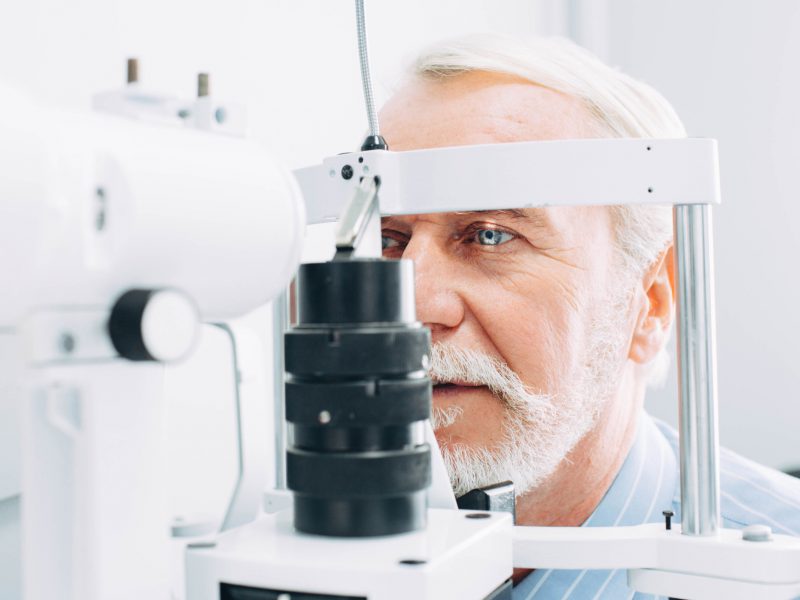
My husband has always been extremely worried about the possibility of ending up with Alzheimer’s. And, who could blame him? As a teenager, he watched as the disease slowly stole his grandfather’s memories until the man he had always looked up to could no longer recognize my husband, his own grandson, his wife of over 50 years, or anyone else in the family. I think one of the things that worries him most is the idea that the same thing could happen to him without him even realizing it since testing for Alzheimer’s is currently non-existent, extremely expensive, or incredibly invasive. Since Alzheimer’s begins to alter and damage the brains of victims’ years or even decades before the first symptoms begin, this lack of knowledge means that the critical window when early treatment could actually make a difference is lost. But, thanks to a new study by researchers at the University of California San Diego School of Medicine that may no longer be true… Screening for people at increased genetic risk In fact, the study, published in the journal Neurobiology of Aging , was able to demonstrate that simply by watching the pupils of someone who is at higher genetic risk of Alzheimer’s while they’re taking cognitive tests is a viable and completely non-invasive way to screen for the disease. Here’s why… In recent years, researchers investigating how Alzheimer’s disease begins and the path it takes have keyed in on two primary causes: the accumulation of protein plaques in the brain called amyloid -beta and tangles of a protein called tau. They’ve been able to show that both of these factors are linked to damage and death of neurons in the brains of Alzheimer’s patients, resulting in progressive cognitive issues and memory loss. However, one of those factors is […]
Introduce Seaweed Into Your Diet For Optimal Health

Introduce seaweed into your diet for optimal health for two very good reasons. Eating more seaweed, a sea vegetable, is a quick way to supercharge your health on so many levels. Better yet, if you introduce seaweed to your diet you might even be able to help regenerate the ocean. Sounds like a win-win, right? Did you know that the ocean makes up 70 percent of our planet? Ultimately the world is a massive bowl of water. Therefore, it makes sense that there are many hidden treasures and gems deep down. In fact, when you introduce seaweed to your diet, your body automatically absorbs all the nutrients it contains from the seabed. This marine vegetable is loaded with more nutrients and vitamins than most mainland-grown fruits and vegetables. That’s why there are more products flooding the stores containing seaweed. Ever heard of spirulina? Well, that’s straight out of the ocean! You can find seaweed in your drinks, meals and even your skincare. People introduce seaweed into their diets, by snacking on salty seaweed snacks. It is especially popular with plant-based eaters because it is a unique vegan source of essential amino acids. So if you haven’t thought about eating seaweed yet, you might want to start now. Introduce Seaweed To Transform Your Health According to marine experts, seaweed is abundant in carbon-negative nutrients which means it doesn’t require water or fertilizer to harvest. Therefore it’s ideal for eco-conscious consumers. Still not convinced? Read carefully, because in a bit you’re going to want to introduce seaweed to your meals. It’s not only good for sushi! There are some astonishingly potent health benefits that are surprisingly easy to incorporate into your everyday routine. So, What Is Seaweed Anyway? We know you have been asking for this. You will want to introduce […]
Body, Mind, & Spirit: The Role of Kinesiology, Epigenetics, and Law of Attraction for Your Health
The body, mind and spirit may appear to be separate but they are tightly connected and actually rely on one another heavily. You only need to look at the power that stress has on your mental health and physical body to see how strong the interconnections between the three are. Maybe you’ve experienced this phenomenon before. Have you ever had a nagging health condition that you tried to solve by diet alone? For example, maybe you’ve experienced gut health issues perhaps in the past. And then even though you cut out the foods that supposedly weren’t good for you and you increase the foods that are good for you, you still experienced your symptoms. Ultimate health takes a holistic approach. You can’t just improve one piece to live your healthiest and most vibrant life. You have to look at your health as a combination of when your body, mind, and spirit are in balance and alignment. Although there are different elements at play in the mind, body and spirit like proper nutrition for your body and epigenetics in your mind, these things all play a role in your overall health. Despite working in varying ways, they connect intimately and affect you massively. When it comes to the body, mind and spirit, each term works both individually and together. The body is the physical structure that everyone has. It holds the brain, muscles, organs, fat and packed with trillions of cells. Whereas the mind is what governs thoughts, emotion and the mental aspects of life. The mind gives you the power to be aware of the world and think and feel. The final piece of the puzzle is the spirit. The spirit can be viewed in a religious context, but it can also be looked at as the energy that […]
Performance beverage-makers tailor offerings to everyday consumers
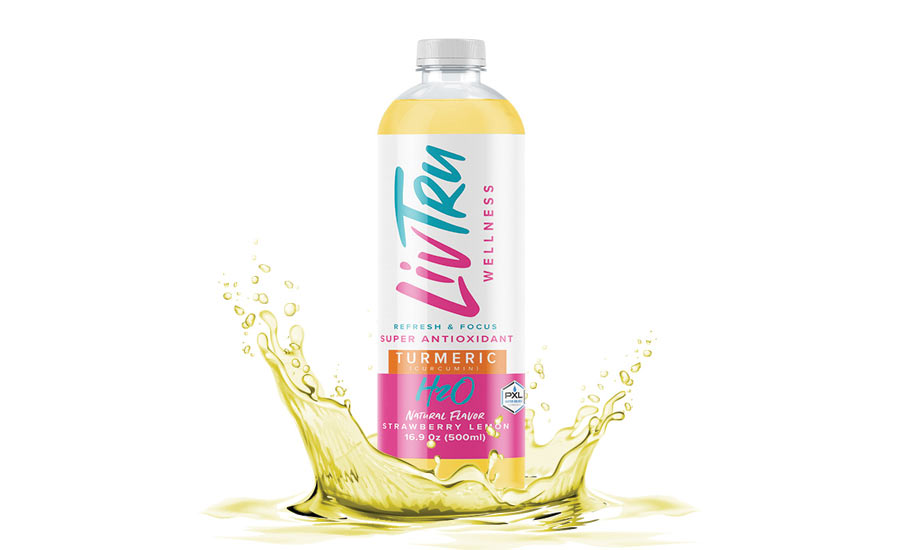
Beverage brands continue to blur the lines between categories which has fostered hybridization and cross-category experimentation, Glanbia’s Max Maxwell says. (Image courtesy of Liv Tru) Between working, exercising, cooking healthy meals and maintaining a social life, consumers have a lot on their plates when it comes to living a healthy and balanced life. As a result, many are turning to sports and performance beverages to help them keep up with the demand of their everyday lives. To fulfill this need state, beverage-makers are developing new products in the name of sports and performance. For instance, 269 new sports and performance beverages were launched in 2018, states New York-based Nielsen in a December 2018 Insights titled “Tops of 2018: Non-Alcoholic Beverage Innovation.” According to a Nielsen Innovation Measurement Profiler survey, 1,163 of respondents said they were trying new beverages as a way to more actively manage their health and wellness. The performance beverage category is helping consumers manage their health and consume cleaner products. “Similar to other [consumer packaged goods] CPG categories, the performance beverage category has been impacted consumers’ increased preference for transparency,” says Max Maxwell, manager of market intelligence at Glanbia Nutritionals LLC, Chicago. “This demand for transparency has taken various forms, with some consumers preferring a reduced number of ingredients on the label while others want to know where each ingredient comes from or how it’s made,” he continues. Greg Robertson, head of natural performance ingredients at Döehler North America, Cartersville, Ga., also highlights how transparency is impacting the performance beverage category. “Part of the wellness trend includes the use of more authentic and ‘real’ ingredients versus the synthetic and/or overly processed compounds often found in traditional energy and performance beverages today,” he explains. “This [can] include the use of botanical extracts that contain ‘naturally occurring caffeine’ […]
Don’t calm down! Exam stress may not be fun but it can help you get better marks

Two-thirds of young people experience levels of exam stress that mental health organisation ReachOut describes as “worrying”. Research shows high levels of exam stress can interfere with attention and reduce working memory , leading to lower performance. Early experiences of anxiety and stress can also set a precedent for mental-health problems in adulthood. But how we see stress can actually make a difference to the way it affects us. Research shows if we believe stress is a helpful response that will increase our performance in a challenging event, it can be a tool that works to our advantage. From good stress to bad stress Stress is a normal experience when we have a challenging event. We can experience stress when learning something new, starting a new job or being in a race. Our experience of “stress” is actually our body getting us ready to take on the challenge. A stress response is helpful as it can increase oxygen to the brain and improve attention, focus, energy and determination. The runner in a race needs to be “stressed” to compete successfully. The young person sitting in an exam room needs it too. Studies show people who are clear about their feelings are more likely to thrive on anxiety and stress and possibly use these to achieve their goals and find satisfaction at work. The runner needs stress to succeed, and so does the student doing an exam. Stress and anxiety can work for you. But they become bad when we evaluate events as a threat rather than a challenge and when we believe we don’t have enough resources to cope. Exams are often treated as a threat because there is potential harm or loss related to our self-worth, identity, and commitments, goals and dreams . If we fail, we think […]
10 Proven Health Benefits of Sweet Potato

Whether you bake them to eat whole or make them into a pie, sweet potatoes offer a host of health benefits. These tasty tubers help everything from your belly to your heart. While many associate the health benefits of sweet potato to those of the regular white potato, the two really can’t be compared. Sweet potatoes contain nearly ten times the amount of vitamin A found in a white potato, and they’re known to help battle inflammation and fight cancer. Health Benefits of Sweet Potato Sweet potatoes contain a ton of nutrients. While the name sounds deceiving, these root veggies won’t cause your blood sugar to go haywire. Sweet potatoes are loaded with fiber, and contain plenty of vitamin A, C, and manganese. They’re also a great source of vitamin B6, potassium, copper, niacin, pantothenic acid and magnesium. Here are 10 reasons you should start including more of these brightly-colored bulbs into your diet. 1. They Help You Manage Type 2 Diabetes According to the Centers for Disease Control (CDC), more than 100 million Americans currently suffer from diabetes or prediabetes [ 1 ]. This is when your body becomes resistant to the effects of insulin. It can also occur when your body doesn’t produce enough of the substance. Insulin is a hormone that governs how your body metabolizes glucose, a form of sugar it uses as fuel. Symptoms of Type 2 diabetes include: Frequent urination: When your body stops using sugar correctly, it tries to expel the excess through urine [ 2 ]. Increased thirst: When you go to the restroom frequently, you grow thirsty as your body tries to replace lost fluids. Hunger: Because your body needs to metabolize sugar properly for fuel — but can’t — you feel famished. You don’t often lack calories, but rather […]
Food combos that boost your nutrition at every meal

There’s a strong argument for getting your basic nutrition from whole foods rather than taking a fistful of supplements each day. One reason for this is because whole foods contain blends of vitamins and minerals that enhance their potency. Single nutrient supplements like vitamin D, vitamin C, iron, and the like are less powerful without their “helper” nutrients. For example, you’ve probably heard that the yellow Indian spice turmeric is an antioxidant. It’s excellent for reducing inflammation, boosting brain health, and soothing arthritis. But did you know that adding some black pepper to turmeric dramatically increases your body’s absorption rate? (Meaning your body uses more of it.) If you add a little fat to this combination, like avocados or salmon, you can increase absorption even more. Below are a few more nutrient combos that can help transform your meals into powerful health boosters. Calcium and Vitamin D For your body to absorb calcium — which is important for strong bones and healthy nerves — it needs a dose of vitamin D. If you’re vitamin D deficient then there’s a good chance your body is not getting enough calcium, even if you’re supplementing. Calcium is found in milk and dairy, of course. And it’s also in green vegetables, leafy greens, fatty fish (like salmon, tuna, and sardines) and beans. Vitamin D is plentiful in seafood like oysters and shrimp, mushrooms, egg yolks, and foods fortified with vitamin D. Some examples of tasty food combinations that provide both nutrients are: Fatty fish and broccoli Eggs with a bit of cheese Leafy greens and beef liver Almond trout Sodium and Potassium In small amounts, sodium chloride (table salt) is beneficial. Unfortunately, there’s so much salt hidden in processed and packaged foods — even those we think are healthy — that we consume […]
Getting back to nature for better mental health

A walk in the park could do wonders to your mental health. Photo: CNSA Many people in Hong Kong are feeling depressed. According to a study published in July by the Li Ka Shing Faculty of Medicine at the University of Hong Kong, 9.1 percent of the respondents were suspected to be suffering from depression, a level never seen before. Professor Gabriel Leung Cheuk-wai, dean of the faculty, said the current mental health problem in Hong Kong can be described as an “epidemic”. There are agencies providing emotional support services in the community. One is fortunate to have professional support, but everyone should also know how to save oneself. The medical community continues to study depression, its relationship with the environment and individuals. Studies from various universities and research institutions – Harvard University and Stanford University of the United States; Central Institute of Mental Health in Mannheim, Germany; University of Tampere, Finland, etc. – have consistently seen a strong connection between time spent in nature and reduced stress. One study says that being close to nature could help improve mental health. A walk in a natural setting – the countryside, a park or even an outdoor sports field – could do wonders. It can be as short as 15 minutes, although it is recommended that it be done regularly, say, a few days a week. You can walk alone or together with friends. Another large-scale emotional health study that tracked 10,000 people in the past 20 years indicates that proximity to nature not only improves memory and concentration but also enhances one’s mood. In another study, researchers recruited about 100 white-collar workers in “knowledge-intensive and emotionally demanding” jobs, including media, education, finance, public administration, and healthcare. The subjects were required to alter their habits a bit. Instead of taking […]

The Power Within by Corey Daniels book available for only $2.99
Mind has both conscious and subconscious halves. These are likened to a driver and the truck he drives. The driver plans the destination and observes road conditions, while the truck provides motive power. Your subconscious mind is like the truck and it only goes in the direction in which is a steered. This can be the road or off a cliff. Likewise, the consciousness paints a picture of what the world is and what your goals are and the subconscious acts on them through emotion, physical response and energy, whether these are correct, rational images or false negative ones. The subconscious is also like an emotional reservoir which your body and mind draw responses from to external stimuli.
The Power Within lays out a method of programming your subconscious and tapping into the Holy Spirit, God voice or what the Greeks called the daimon (godman).