Nature Knows and Psionic Success
God provides
The 9 Key Nutrients Every Vegetarian Needs to be Healthy
Many people choose a vegetarian or vegan diet for ethical reasons such as preventing cruelty towards animals. Some people become vegetarians because the production of animal products for food is bad for the environment. Others choose the vegetarian diet for health reasons. Whatever the reason… About 10% of the population in the western world are some form of vegetarian or vegan and that number is climbing. A vegetarian diet can provide all the nutrients that the body needs to be healthy, but there are certain nutrients that need extra attention to ensure that you are getting the amounts that your body requires. Generally, vegetarians and vegans cut out the consumption of animal proteins from their diets, however, there are different variations of vegetarians and vegans who define their eating preferences. For example: Pescatarian – a vegetarian who eats fish Lacto-vegetarian – a vegan who eats dairy Ovo-vegetarian – excludes all animal products except eggs Lacto-Ovo vegetarian – both eggs and dairy are permitted Pollotarian – only poultry is allowed Fruitarians – eat only fruits, nuts and seeds Vegan –won’t eat any animal product (including honey). Flexitarians – people who rarely eat fish and meat The type of vegetarian a person is will determine which nutrients they have to focus on to ensure they are meeting their body’s daily needs. This article will walk you through a number of essential nutrients that vegetarians need to be mindful of in order to maintain a balanced and healthy diet. The 9 Key Nutrients Every Vegetarian Needs to be Healthy #1. Protein There are many plant-based sources of protein. If you are a Lacto-Ovo vegetarian (who eats eggs and dairy) it is easy to get enough protein in your diet. But if you don’t eat eggs or dairy it is simple to swap […]
Is Drinking Tea Good For The Brain?

It has long been recognized that the plant polyphenols, antioxidants, catechins and other phytochemicals in tea are beneficial for the brain and, therefore, our cognitive health. Caffeine (a brain booster) and the amino acid L-Theanine (which calms you down) — both of which are found together only in tea — have been found to help reduce mental fatigue. Both also increase reaction time and working memory. When taken for at least 16 weeks, this combination has also been linked to improvements in memory and cognitive alertness. There’s even some evidence that suggests drinking tea can decrease the risk of dementia. A new study by the National University of Singapore shows drinking tea over time has a positive effect on the brain’s function, structure and organization, including greater functional connectivity. This study involved 36 healthy old individuals that drank tea for 25 years or more. From the MRIs conducted on the participants, researchers found tea does have a positive effect on brain structure, function and organization. The scans also showed those who drank the most tea — at least four times a week for some 25 years — also had greater functional connectivity strength. Connectivity strength is very important, according to Feng Lei, an assistant professor from the National University of Singapore. "Take the analogy of road traffic as an example — consider brain regions as destinations, while the connections between brain regions are roads. When a road system is better organised, the movement of vehicles and passengers is more efficient and uses less resources. Similarly, when the connections between brain regions are more structured, information processing can be performed more efficiently," Prof. Feng explained. Previous studies from the same team revealed tea drinkers have better cognitive function compared to non-tea drinkers. "Our current results relating to brain network indirectly […]
Let’s hack the happy chemicals – Dopamine, Serotonin and Endorphins
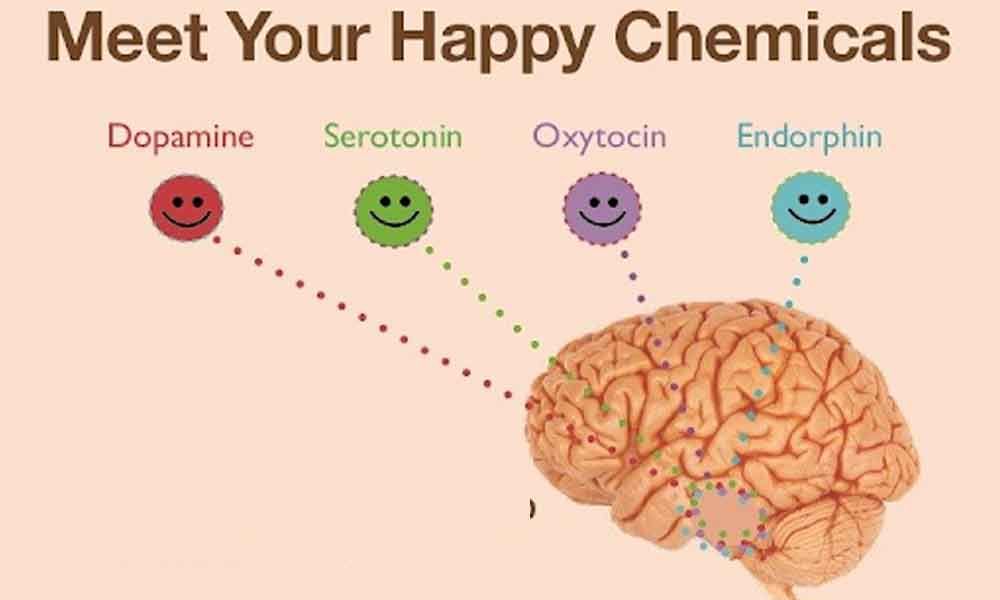
How many books, courses, and seminars have been held every year with the ultimate objective being to help you become happier and more fulfilled? How many books, courses, and seminars have been held every year with the ultimate objective being to help you become happier and more fulfilled? What if implementing these mindset strategies isn’t enough? What if there is a much more foundational issue starting in our brain? Your brain is the house your mind lives and issues in the brain manifest themselves with symptoms in our mood, feelings, thoughts, and even behaviours. When it comes to happiness and your brain, we can’t go any further without talking about Serotonin. Serotonin is your "Happy Neurotransmitter," allowing you to feel happy, calm, and fulfilled. Neurotransmitters are what your brain uses to communicate from brain cell to brain cell. Without the proper levels of neurotransmitters, our brain is trying to operate with limited resources. Can we hack our own happiness, or at least increase our likelihood of achieving happiness, by increasing our levels of serotonin naturally? Hormones are chemicals produced by different glands across your body. They travel through the bloodstream, acting as messengers and playing a part in many bodily processes. One of these important functions? Helping regulate your mood. Certain hormones are known to help promote positive feelings, including happiness and pleasure. These "happy hormones" include: Dopamine: Also known as the "feel-good" hormone, dopamine is a hormone and neurotransmitter that’s an important part of your brain’s reward system. Dopamine is associated with pleasurable sensations, along with learning, memory, motor system function, and more. Serotonin: This hormone (and neurotransmitter) helps regulate your mood as well as your sleep, appetite, digestion, learning ability, and memory. Oxytocin: Often called the "love hormone," oxytocin is essential for childbirth, breastfeeding, and strong parent-child […]
Should You Take That Cat Nap? The Sleep Link To Mental Health

This is a modal window. No compatible source was found for this media. Sleep is important for us in many ways. We suffer mentally and physically when we do not get enough. It is the time our body repairs itself, releasing hormones for the benefit of damaged cells. Other hormones influence how our bodies use energy from food. Generally, we know that getting enough sleep is helpful. But that does not mean more sleep is better. Sleeping more than 11 hours can be a sign of poor mental health. For students, it can be linked to poor grades. Andrew Fuligni, a psychologist at the University of California, Los Angeles, wanted to find out what amount of sleep was perfect for mental health and learning. He and his team got to work with 421 Mexican-American kids in ninth and tenth grades to find out. They found that students with the best GPAs got 7.5 hours of sleep each night. However, students felt best when they averaged 8.75 hours of sleep per night. They were less riddled by anxiety and stress and instead felt more confident. They also found that having much more or less sleep resulted in poorer mental health. Cats can sleep up to 20 hours a day. “High-achieving kids make sacrifices in sleep,” Fuligni says. To get those high GPAs, many skimp on sleep. But, he adds, “There’s not necessarily a huge payoff.” That lost hour of sleep may be tied to a slight increase in GPA. But, he notes, it can come at a cost to mental health. Many of us try to repay the sleep debt we incurred during the week and usually in one of two ways: sleeping in on weekends or napping. Sometimes even both. The team found that teens that slept in suffered […]
Immobile childhoods

Mobile phone addiction deprives a growing child of all the other wonderful things on earth. My son broke down one day as he was neglected in peer talk even by his best friends. He is an outcast for not possessing a mobile phone and hence he is not able to discuss the latest mobile games. A child who is not digitally active is a misfit in this generation. The pocket-sized tool deprives a growing child of all the other wonderful things on earth. Children particularly in the age group of four to 16 are in their fully blooming stage both mentally and physically. They are in a phase of rapid brain development. During this vital years, they have to imbibe moral values from family, school and society; improve their knowledge of nature and earth; develop love, care and compassion towards all living beings; and start reading and loving books. I am not against latest technological advances and its benefits. I support the view that in this digital age, children should be updated about technological advances, but I suggest it should be kept to the essential requirement. It is not the technology or the digital hubs that have to be blamed for addiction to mobile phones. It is the parents who should take blame for presenting expensive gadgets to their young children, assuming it to be the most precious gifts. They are under the impression that their children are brilliant enough to handle this tool, but they do not understand that it is not their child’s brilliance but the manufacturer’s skill that excel in each mobile game or app. I just can’t digest why people are so ignorant about all the ill-effects of mobile addiction. Continuous use of mobile phones causes over-excitement, hyperactivity, anxiety and hypertension. It affects concentration, memory […]
Can you juice up your gray matter? Study finds mild electrical stimulation improves brain function in the elderly
( Natural News ) Aging is inevitable – and with it, comes memory loss. But a recent study in Nature Neuroscience presents a novel therapy to improve cognition in older adults. In their report, researchers from Boston University noted how 25 minutes of non-invasive electrical stimulation led to improvements in working memory in older adults. “These findings are important because they not only give us new insights into the brain basis for age-related working-memory decline, but they also show us that the negative age-related changes are not unchangeable,” explained lead author Robert Reinhart, a professor at BU. Giving your brain an “electric” boost Working memory refers to the brain’s ability to hold and manipulate information over brief intervals . People use working memory all the time, even if they don’t know it – to recall a phone number, a conversation, and even a set of instructions. This ability, researchers say, is central to many brain functions, including a person’s intelligence and even basic sensory processes. Psychologists and neuroscientists are interested in studying working memory, albeit for different things. While the former’s goal is to map the functions of the system, the latter wants to understand its neural underpinnings. It’s worth noting that working memory is different from long-term memory, which involves the storage of information in a more stable and durable form. But researchers have long thought that working memory is a gateway into long-term memory — repeat working memory enough, and it becomes permanent. Discover how to prevent and reverse heart disease (and other cardio related events) with this free ebook : Written by popular Natural News writer Vicki Batt, this book includes everything you need to know about preventing heart disease, reversing hypertension, and nurturing your cardiac health without medication. Learn More. While this function is very […]
Have you heard of the MIND diet? Here’s how eating can help boost brain health

( Natural News ) One of the many natural ways to boost brain health is to eat the right kinds of food. And there’s a specific diet that can help keep your brain sharp and healthy – the aptly named “MIND” diet. The MIND diet, which stands for Mediterranean-DASH Intervention for Neurodegenerative Delay , was developed by a team of researchers from Rush University Medical Center in Chicago. It is a combination of the Mediterranean and DASH (Dietary Approaches to Stop Hypertension) diets with a goal to fight dementia and cognitive decline that typically occurs with age. The Mediterranean diet centers around eating fruits, vegetables, fish, olive oil and red wine, while the DASH diet also focuses on fruits, vegetables, and whole grains but is low in sodium. (Related: Eating for your MIND: Scientists combine the Mediterranean and DASH diets to prevent cognitive decline .) The food groups that the MIND diet focuses on are: Beans or legumes Berries Fish Leafy greens Nuts Olive oil Other vegetables Poultry Whole grains Wine Since the MIND diet is mainly a plant-based diet, it is loaded with nutrients that maintain brain health and prevent cognitive decline. The MIND diet provides vitamins E and C which are antioxidants that protect the brain from free radical damage. A combination of these two vitamins can prevent memory loss and reduce the risk of Alzheimer’s disease and dementia by 60 percent, according to a large study published in the journal Archives of Neurology . In addition, leafy greens are rich in vitamins B6, B12, and folic acid, which work together to prevent brain degeneration and improve brain function. Vitamin K , which is also found in green vegetables, also contributes to the prevention of Alzheimer’s. Discover how to prevent and reverse heart disease (and other cardio […]
Brainwave Patterns During Sleep Impact on Ability to Learn New Tasks
Researchers at the University of California, San Francisco (UCSF), have shown how the balance between two types of electrical activity in the sleeping brain can influence whether animals remember or forget tasks that were learned the previous day. The scientists found that by using a technique known as optogenetics to dampen the activity of specific neurons in sleeping rats, they could influence how well the animals were able to learn a new skill. The findings hint at the potential to boost human memory, or help the brain to forget traumatic experiences. “We were astonished to find that we could make learning better or worse by dampening these distinct types of brain waves during sleep,” said research lead Karunesh Ganguly, MD, PhD, an associate professor of neurology and member of the UCSF Weill Institute for Neurosciences. “… We believe these two types of slow waves compete during sleep to determine whether new information is consolidated and stored, or else forgotten.” The authors report on their studies in Cell , in a paper titled, “ Competing Roles of Slow Oscillations and Delta Waves in Memory Consolidation versus Forgetting .” Sleep is known to be important for selective memory consolidation, and also for forgetting experiences, the authors explained. Animal studies have shown that the same neurons involved in forming the initial memory of a new task or experience are reactivated during sleep to consolidate these memory traces in the brain. It’s commonly thought that our ability to forget is also an important function of sleep. However, what scientists don’t yet know is what governs the balance between the two. “This question is of fundamental importance,” they suggested, “as the nervous system constantly faces the challenge of whether and how to selectively preserve the neural correlates of new experiences through memory consolidation, while […]
7 Ways a Happy Heart Can Heal Your Mind and Body”.
You are brokenhearted and your spirit is crushed. You are depressed, you failed. The world seems to fall down on you. Your head feels its bursting and your body is collapsing too. Everything is going down. You fell down into the pit covered with darkness. You are gasping for air to breathe. And you want to end your life. Don’t do it! There’s a way out. A happy heart can bring health to your soul. When you have sadness and your heartaches it crushes your spirit first and then your body. A happy heart can lift your inner soul. How can you have a happy heart in the midst of turmoil inside? Seek the Truth and the Knowledge of Jesus Christ. He loves you. Accept His love for He cares! Philippians 4:6–7 And the peace of God, which transcends all understanding , will guard your hearts and your minds in Christ. A joyful heart can make your life easy. When you are oppressed by sadness it’s like carrying a heavy stone while you are climbing a steep spiked wall.And walking on hot coals. A joyful heart can make you “climb any mountain” or “dive into the deepest ocean”. It will reflect the joy that makes your life easy. Jesus in your heart can give you joy He alone can give. Nehemiah 8:10 “Do not grieve, for the joy of the Lord is your strength” A happy heart is good medicine. Your sadness drains your overall strength. A happy heart can make you feel good and brings health and wellbeing.Natural medicine with no side effects. Laughter creates internal jogging. It strengthens your heart, nervous system and rejuvenates your body from inside and out…Science tells us: “Laughter is good medicine” Truth is when your laughter subsides the problem still exists. Jesus […]
All About Having Lemons While Pregnant
Share on Pinterest Pucker up, mama-to-be. Because we know you want to find out the sweet (and maybe slightly sour) things about whether lemon is OK during pregnancy — and how it could work to your advantage if so. You might have heard lemon water can boost hydration or that lemon may be an effective nausea remedy, but should you jump in with zest? Let’s squeeze the truth out of the science to help you determine if this citrus favorite is for you. In general, lemons — and other citrus fruits — can be safe and healthy to consume during pregnancy. In fact, lemons pack many essential vitamins, minerals, and nutrients that help support maternal health and baby’s development. There’s little research on the safety of lemons specifically during pregnancy. That said, having a lemon water or adding some lemon juice to your salad likely falls into the safe (and even beneficial) zone. But always talk to your OB-GYN or midwife about consuming large amounts of lemon, lemon-flavored additives, supplements, or other things that haven’t been heavily studied for safety among pregnant women. But what about lemon essential oils? Are they safe? Although essential oils are on-trend, ingesting them always falls into the questionable category. But don’t pack them away quite yet — we’ll tell you how you may benefit from diffusing lemon essential oils in just a bit. 1. Immunity boost and fetal development There aren’t studies to show that lemons themselves boost immunity and benefit fetal development, but some of the top-ranking nutrients in lemons do. In fact, a half cup (106 grams) of lemon (without the peel) can deliver 56.2 milligrams (mg) of vitamin C — a critical nutrient for both mom and baby. One 2012 animal study concluded that even a small deficiency in maternal […]
Why this doctor is telling people it’s time to get ‘unfocused’ and start daydreaming and napping

Focus! Concentrate! Pay attention! And whatever you do, don’t daydream. Sound familiar? From the day we start school we’re told, time and time again, that in order to succeed, we need to focus. But according to psychiatrist and brain researcher Dr Srini Pillay, author of Tinker, Dabble, Doodle, Try: Unlock the Power of the Unfocused Mind, ‘focus’ is not the be all and end all of success. In fact, Dr Pillay believes it’s essential to build regular, deliberate ‘unfocus’ time into your day, saying that it promotes brain calmness, increases productivity, improves long-term memory and sparks creativity. And it all comes down to the way the brain works. When we’re focused, we use a part of the brain called the fronto-parietal cortex. Dr Pillay describes this part as a flashlight with a strong, powerful but narrow beam that allows you to focus on the task at hand . What it doesn’t allow you to do is see the big picture – the information on the periphery that’s more easily brought to the brain’s attention during periods of ‘unfocus’. To continue with the flashlight analogy, the beam that allows you to reach far and wide is the default mode network (DMN) or what Dr Pillay calls the "unfocused network". The DMN is a collection of brain regions that are active during rest and usually de-activate during focused tasks. These networks come alive when you daydream, tinker with a hobby, dabble in a field different to your area of expertise and even when you doodle. Spending time in each of these ‘unfocused’ states often leads to those eureka moments that can fail to come during times of intense focus. Building time into your day to incorporate some of these unfocused activities is essential for the brain to function at its best, […]
Best Ginkgo Biloba
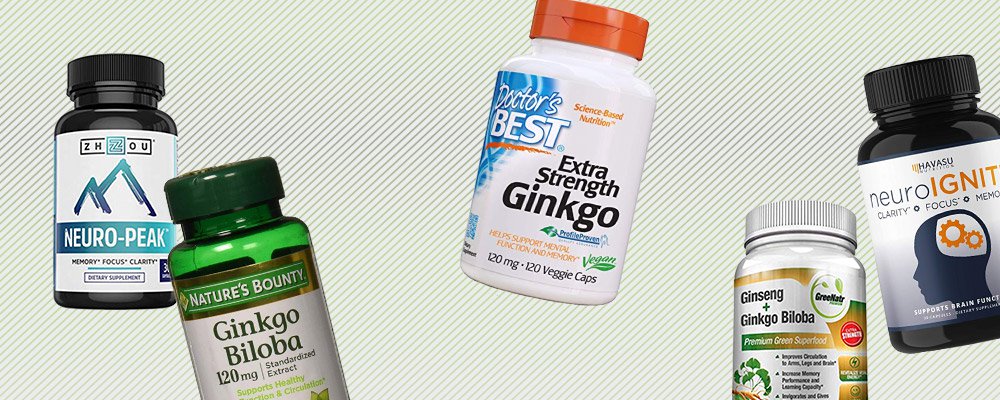
The leaves and seeds of the Ginkgo Biloba tree have been used in traditional Chinese medicine for centuries. Today, the extract taken from ginkgo biloba leaves is a very common herbal supplement. Though claims of ginkgo biloba’s ability to treat a wide number of ailments have been wildly exaggerated, there is evidence that it may have some antioxidant and anti-inflammatory properties ( 1 ) ( 2 ). Additionally, there is some proof that ginkgo can increase blood flow ( 3 ). Though there’s some hope that it may prevent memory decline or improve brain health, there is no strong evidence to support that claim ( 4 ) ( 5 ). There are a lot of rather outlandish claims associated with ginkgo biloba supplements. Some products will claim it can improve memory, improve mood, and even treat anxiety symptoms. While we do have some evidence that ginkgo biloba’s antioxidative and anti-inflammatory qualities exist, much more research is needed to ascertain their efficacy in treating a wide variety of ailments. If you decide to try ginkgo biloba, however, there are a ton of options on the market. It’s important to know how to distinguish between the various choices. Editors’ Choice: Doctor’s Best Extra Strength Ginkgo Pros: Each Doctor’s Best veggie cap contains 120mg of ginkgo biloba. These caps are non-GMO and vegan-friendly, as well as being gluten and soy free. The manufacturer notes that each batch is 3rd party tested. On a per serving basis, Doctor’s Best ginkgo biloba veggie caps are very reasonably priced. Cons: Though these caps are very straightforward, some may prefer to check out options that combine ginkgo biloba with other ingredients intended to promote brain health. Doctor’s Best Extra Strength Ginkgo Checking in with a very competitively priced offering, Doctor’s Best Extra Strength Ginkgo is a […]
Let’s hack the happy chemicals – Dopamine, Serotonin and Endorphins
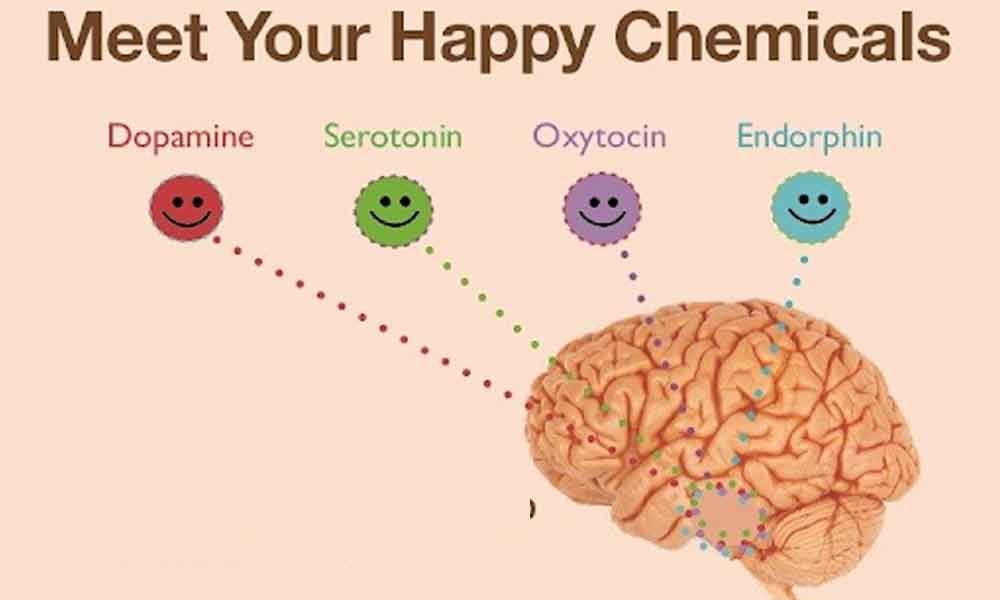
How many books, courses, and seminars have been held every year with the ultimate objective being to help you become happier and more fulfilled? How many books, courses, and seminars have been held every year with the ultimate objective being to help you become happier and more fulfilled? What if implementing these mindset strategies isn’t enough? What if there is a much more foundational issue starting in our brain? Your brain is the house your mind lives and issues in the brain manifest themselves with symptoms in our mood, feelings, thoughts, and even behaviours. When it comes to happiness and your brain, we can’t go any further without talking about Serotonin. Serotonin is your "Happy Neurotransmitter," allowing you to feel happy, calm, and fulfilled. Neurotransmitters are what your brain uses to communicate from brain cell to brain cell. Without the proper levels of neurotransmitters, our brain is trying to operate with limited resources. Can we hack our own happiness, or at least increase our likelihood of achieving happiness, by increasing our levels of serotonin naturally? Hormones are chemicals produced by different glands across your body. They travel through the bloodstream, acting as messengers and playing a part in many bodily processes. One of these important functions? Helping regulate your mood. Certain hormones are known to help promote positive feelings, including happiness and pleasure. These "happy hormones" include: Dopamine: Also known as the "feel-good" hormone, dopamine is a hormone and neurotransmitter that’s an important part of your brain’s reward system. Dopamine is associated with pleasurable sensations, along with learning, memory, motor system function, and more. Serotonin: This hormone (and neurotransmitter) helps regulate your mood as well as your sleep, appetite, digestion, learning ability, and memory. Oxytocin: Often called the "love hormone," oxytocin is essential for childbirth, breastfeeding, and strong parent-child […]
Brain power: Easy ways to boost your brain power today
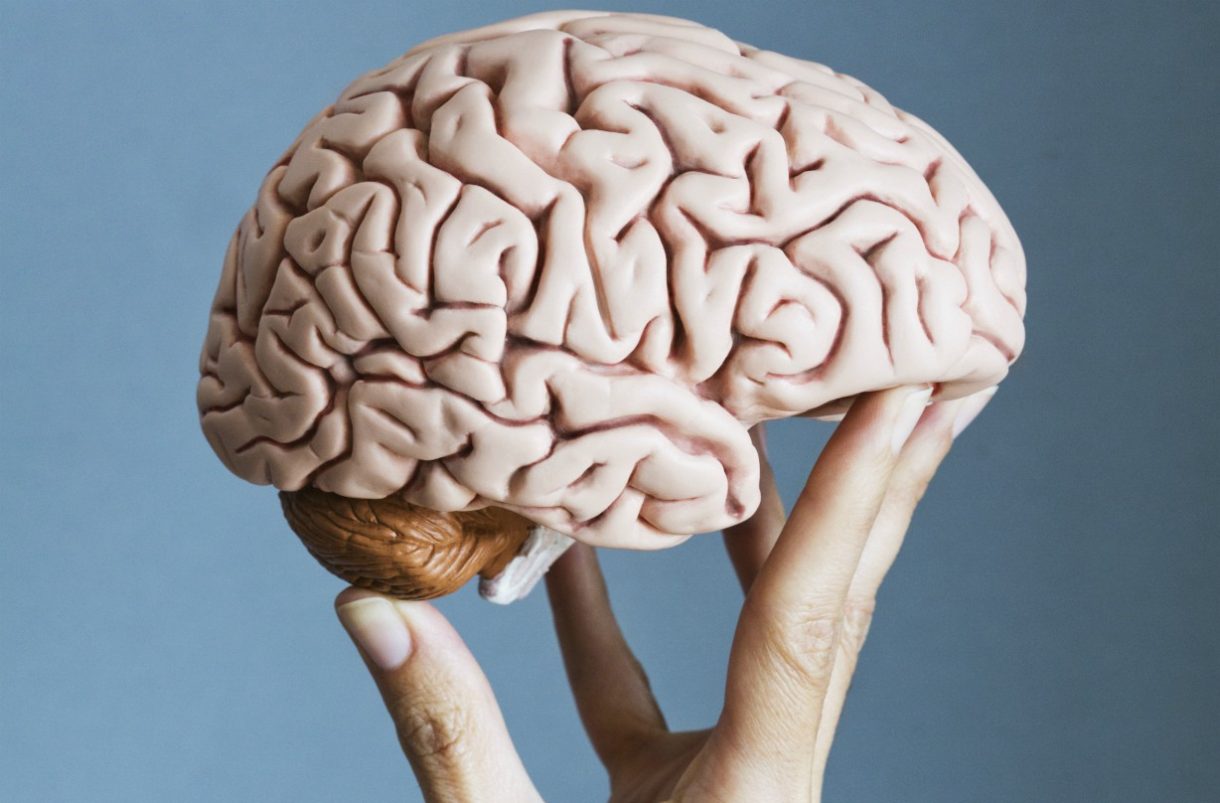
You don’t need expensive gadgets or computer games to help keep your brain healthy and ticking over. Try these simple and easy to follow tips to today to boost your brain power! Feeling forgetful? Don’t worry. According to research carried out by charity Love to Learn, frequent memory lapses are common with 37% of Brits over 50 years old say they often can’t recall the names of friends. ‘Many people find their memory becomes slower as they age because the hippocampus, [the part of the brain] which is responsible for memory, shrinks as part of the ageing process,’ says consultant neuroradiologist Dr Emer MacSweeney from Re:Cognition Health. ‘But the brain is a muscle and, like any muscle, regular exercise can keep it performing.’ How much forgetfulness is normal? Can’t remember your PIN? ‘Forgetting a number you’ve known for years is really common,’ says Dr MacSweeney. It may just be down to how busy you are. ‘Stress can influence memory processes,’ adds Dr Bond. ‘But repeatedly asking the same questions, getting lost in a familiar environment and issues with speech are some of the early symptoms of dementia,’ says Dr MacSweeney. ‘Worried? Seek prompt medical advice – an early diagnosis can dramatically help someone with dementia.’ Why the menopause can make it worse Mild memory problems can also be worse at this age due to the fluctuation of the hormone oestrogen, which helps repair neurons in the brain. ‘It’s one of the lesser known symptoms of menopause ,’ says chemist and natural health expert Dr Tim Bond (teaadvisorypanel.com). ‘It’s called ‘brain fog’ – where you lose concentration, and everything seems to be moving faster than you.’ Thankfully, it will eventually pass. Try our top tips for boosting your brain power today If you’re worried you’re slowing down, there are lots […]
Eat healthily today and enjoy its brain-boosting benefits later
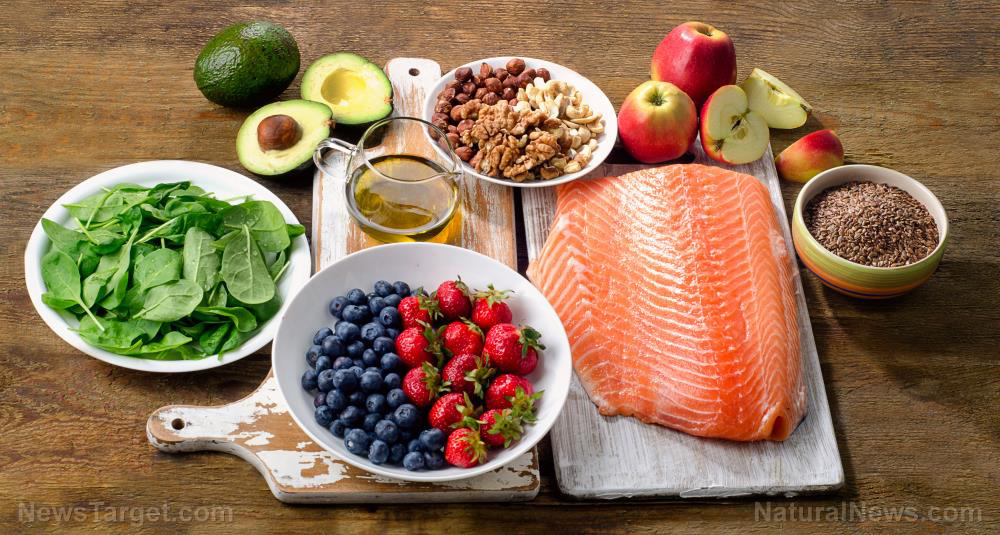
( Natural News ) The food you’re putting in your body can influence your health today and even later in life. A study in Neurology revealed that adhering to a heart-healthy diet – one that’s rich in fruits and vegetables; moderate in nuts, fish, and alcohol; and low in meat and full-fat dairy – is associated with better cognitive performance , including thinking and memory skills, later in life. For the study, researchers from Queen’s University Belfast in Northern Ireland examined 2,621 people who were 25 years old, on average, at the start of the study. They followed the participants for 30 years. They asked the participants about their diet at the beginning of the study, after seven years, and again after 20 years. They also examined the participants’ cognitive performance twice – when they were about 50 and 55 years old. The researchers also assessed the participants’ dietary patterns to see how closely they adhered to three heart-healthy diets : the Dietary Approaches to Stop Hypertension (DASH) diet, the Mediterranean diet, and the A Priori Diet Quality Score (APDQS). The DASH diet emphasizes grains, fruits, vegetables, low-fat dairy, legumes , and nuts, and limits meat, fish, poultry, total fat, saturated fat, sodium, and sweets. The Mediterranean diet includes plenty of whole grains, fruits, vegetables, healthy fats, legumes, fish, and nuts , and limits full-fat dairy, red meat, and poultry. Lastly, the APDQS diet includes plenty of fruits, vegetables, fish, legumes, low-fat dairy, moderate alcohol, and restricts fried foods, high-fat dairy, salty snacks, sweets, and sugar-sweetened beverages. For every diet, the researchers divided the participants into one of three groups – low, medium, or high – based on their adherence to the diet. Discover how to prevent and reverse heart disease (and other cardio related events) with this free […]
Chinese skullcap protects against brain disorders by preventing neuronal death

( Natural News ) Scutellaria baicalensis , also known as Chinese skullcap, is a flowering plant that belongs to the mint family (Lamiaceae). It has been used in traditional Chinese medicine (TCM) for over 2,000 years. TCM practitioners value S. baicalensis for its ability to treat conditions caused by inflammation. Researchers, on the other hand, have studied this plant extensively due to its abundance in beneficial phytochemicals, such as flavonoids, glycosides, and glucuronides. In a recent study published in The American Journal of Chinese Medicine , researchers from different universities in Taiwan investigated the bioactivity of one of the main active components of S. baicalensis , baicalein. They found that baicalein can be used to treat brain disorders caused by glutamate excitotoxicity. Their study is the first to demonstrate this activity of baicalein in the brain. Baicalein can inhibit glutamate release and protect neurons from excitotoxicity For their study, the researchers used rats to evaluate the effects of baicalein on glutamate release and glutamate neurotoxicity in the hippocampus. The hippocampus is the part of the brain involved in the formation of new memories . It is also associated with learning and emotions. Cell degeneration in the hippocampus is linked to the aging process and the onset of neurodegenerative diseases like Alzheimer’s . Hence this small but crucial part of the brain is the focus of many studies. Recently, interest in the health benefits of flavonoids — bioactive compounds that are present in plants — has increased, particularly in their beneficial effects against neurodegenerative diseases. Baicalein, the compound used in this study, is a flavonoid that can be isolated from S. baicalensis. The researchers found that baicalein inhibits depolarization-induced glutamate release in the rat hippocampal nerve terminals (synaptosomes). On the other hand, chelating the extracellular Ca2+ ions and blocking presynaptic […]
How to Do Transcendental Meditation (Step-by-Step Guide)
Maybe you already know how to meditate but do you know how to do transcendental meditation? Meditation was first developed in India many years ago (around 5000-3500 BCE). It took quite some time to become popular in the western world, but today it is celebrated as a therapeutic tool to ease stress, anxiety, [1] depression, [2] and addictions. [3] In the past years, it has also become recognized to improve mental performance, and it consequently became a multi-billion dollar business. When we think about meditation, we usually think about what’s called “mindfulness meditation,” but there are seven different kinds of meditation that are being practiced all over the world: Loving-kindness meditation Body scan or progressive relaxation Mindfulness meditation Breath awareness meditation Kundalini yoga Zen meditation Transcendental meditation Over the past decade, Transcendental Meditation® (aka TM® or T.M. Meditation®) has become extremely popular, scoring a staggering 5 million followers that practice it every day. You may have heard about the benefits of T.M. and wondered what it was all about. T.M. is a type of mantra meditation that has been introduced to the Western world in 1950 by Maharishi Mahesh Yogi. [4] He taught the practice all over the world for 40 years to spread its movement, touching anyone from politicians to The Beatles. Today, many celebrities such as Jerry Seinfeld, Hugh Jackman, Ellen Degeneres, and Howard Stern publicly stated that T.M. changed their lives. [5] The popular movie director David Lynch even created a foundation to help spread transcendental meditation around the world. These big names certainly contributed to the success of this practice (together with the large body of studies proving its benefits), [6] but the main reason for the popularity of T.M. is its simplicity. If you’ve tried to meditate in the past, but you couldn’t stick […]
8 Supplements and Vitamins for Memory—What Works and What Doesn’t
Should you be taking vitamin B12 to keep your mind sharp? What about ginseng? Learn the truth behind memory supplements and which ones are worth the money. Omega-3 fatty acids The omega-3 fatty acids in fish oil have shown promising brain-building effects. Some studies have suggested that older people who consume higher amounts of omega-3 fatty acids have better memory. The thing is, the benefits haven’t held up in large, controlled experiments, says Arjun Masurkar , MD, PhD, a neurologist at NYU Langone’s Center for Cognitive Neurology. For instance, an NIH-backed study of more than 3,500 older adults found that taking omega-3 fatty acids for five years had no effect on cognitive function. Still, there likely isn’t harm in trying. “Omega-3s may have other health benefits that might be indirectly related to the brain, like on the heart. The heart and brain are connected,” says Dr. Masurkar. No need to stop them if you and your doctor have already decided they might be beneficial, just don’t expect a memory miracle. And don’t forget that omega 3s are plentiful in whole foods like fish but also many plant-based sources like nuts, chia seeds and some beans. Find out the unexpected ways fish oil benefits your health . Vitamin B12 Vitamin B12 comes mostly from animal products, so vegetarians and vegans might be low, while other people—especially as they age—have trouble absorbing it. (Many omnivores are also low in B12.) Your brain requires B12 to function correctly, so a deficiency is one of the first things doctors look at for memory problems. If a blood test indicates you’re low, you’ll likely have a hard time getting your daily needs from food, so you’ll need to take either a B12 shot or at-home supplements to bring your levels back up. A normal […]
The Amazing Results Are In on Virtual Social Learning

Take a walk down the hall of any typical middle or high school, and you will see the dynamic complexity of social interaction. Peers gather around lockers and classrooms looking to connect between classes. Conversations start about after-school activities, popular video games, and yes—relationships. Students feel a sense of inclusion, community, and social support as their brains produce little doses of dopamine that serve as a reward for being social, motivating kids to continue engaging socially. For Aiden, a teenager who is trying to discover his social self, the story is a little different: “I don’t really put effort into making and keeping friends…but I do want to know how to show others that I am interested in getting to know them.” Like many other young people with high-functioning Asperger’s syndrome, being social doesn’t feel natural for Aiden. Being part of a group takes quite a lot of skill and savvy. During one particularly difficult year in a traditional public school, Aiden’s parents noticed he began struggling academically, isolating himself, feeling less confident, and he was bullied. They elected to move Aiden to a private school that specializes in students on the autism spectrum with the goal to return to public high school in the future, once he had the skills and tools to be successful. “Many of the kids who go here say that they had really bad middle school years too, but I plan on going back to public high school when I can,” Aiden shared. “First, I need to understand what the teachers and other kids are thinking and feeling, so I know what to do.” Aiden’s parents didn’t stop there. They sought extra-curricular activities to help him develop his social skills. They tried social skill groups and acting classes for teens on the spectrum, but […]
Stroke recovery 101: Regaining function as quickly as possible

After a stroke, you might experience paralysis, numbness, depression and problems with memory, speech, understanding and attention. But it is possible to recover with hard work and dedication. Every 40 seconds, someone in the U.S. has a stroke. According to the Centers for Disease Control and Prevention, stroke is the leading cause of long-term disability. But only 10% of survivors fully recover. So, how can you maximize your recovery? Start as soon as possible. Rehabilitation can start 24 to 48 hours after a stroke. Dr. S. Tom Carmichael says to focus on the hard parts. "If you’re having trouble with reach and grasp of the arm, the key is to not let that dangle and open the peanut butter jar just with your good hand but to actively engage and try to use your hand in meaningful tasks," he said. A strict physical and occupational therapy schedule should show results in the first four months, and many patients continue therapy up to two years after their stroke. But be careful; there are things that can slow recovery. "There are a certain few things that may make things worse, and that’s if you strengthen some of the muscles that are preserved," Carmichael said. "I’ve had patients who will do a lot of arm curls, and that’s actually the wrong thing to strengthen, because there’s a natural mismatch." Stroke recovery apps like Medisafe, Constant Therapy and Elevate help with workouts, reminders, speech and cognitive therapy. Researchers at the Ohio State University College of Medicine have developed a novel stroke therapy that works better than the standard of care when tested in mice and dogs. Phase 1 clinical trials are the next step. RESEARCH SUMMARY STROKE RECOVERY 101 REPORT #2678 BACKGROUND: A stroke, sometimes called a brain attack, occurs when something blocks […]

The Power Within by Corey Daniels book available for only $2.99
Mind has both conscious and subconscious halves. These are likened to a driver and the truck he drives. The driver plans the destination and observes road conditions, while the truck provides motive power. Your subconscious mind is like the truck and it only goes in the direction in which is a steered. This can be the road or off a cliff. Likewise, the consciousness paints a picture of what the world is and what your goals are and the subconscious acts on them through emotion, physical response and energy, whether these are correct, rational images or false negative ones. The subconscious is also like an emotional reservoir which your body and mind draw responses from to external stimuli.
The Power Within lays out a method of programming your subconscious and tapping into the Holy Spirit, God voice or what the Greeks called the daimon (godman).