Nature Knows and Psionic Success
God provides
What Are the Pros and Cons of Creatine?

Creatine is a natural compound produced in your body from amino acids, the building blocks of protein. You can also consume creatine from a couple of different sources. It’s found naturally in animal proteins, especially beef and fish. It’s also sold as a dietary supplement, offering a convenient and relatively inexpensive way to increase your intake. As one of the most studied supplements, creatine has been shown to provide several benefits for sports performance and health. However, its use has generated several concerns. This article discusses the benefits and potential drawbacks of taking a creatine supplement and explains how to take it safely. Share on Pinterest Creatine is one of the most popular and effective supplements for enhancing exercise performance. It has also been studied for its other potential health benefits , such as healthy aging and improved brain function. May increase muscle size and strength Taking a creatine supplement provides your muscles with extra fuel, allowing you to exercise harder for longer. This extra energy has been shown to increase muscle size , strength, and power. It may also reduce muscle fatigue and enhance recovery ( 1 , 2 ). For example, taking this supplement has been shown to increase strength, power, and sprint performance by 5–15% ( 3 ). Creatine is most effective for high-intensity and repetitive sports and activities, such as bodybuilding, combat sports, powerlifting, track and field events, soccer, football, hockey, and track or swim sprints ( 4 , 5 ). May fight muscle loss in older adults Creatine may help slow sarcopenia , the progressive loss of muscle strength and function that often occurs naturally with aging. The condition is estimated to affect 5–13% of community-dwelling adults age 60 years and older. It has been linked to physical disability, poor quality of life, and […]

The forest therapy trend is infiltrating our beauty regime, so can it improve our mental wellbeing?

These are the facts – a UK wide survey last year found that 74% of people reported feeling so stressed that they felt overwhelmed or unable to cope. A study from YouGov across 16 countries found that those working desk jobs regularly spend as little as 15 minutes outside each day. A survey from mental health charity, Mind, discovered that 94% of people who take part in outdoor activities (like walking or gardening), said it improved their mental wellbeing. Forest therapy is a term we’re re-familiarising ourselves with here in the UK (Google Trends shows a colossal spike in the search term, since May this year). But shinrin-yoku, or “forest bathing” is a concept that’s been appreciated in Japan for generations. There, immersing yourself in nature and taking time to soak in the therapeutic and revitalising atmosphere of the forest, for the benefit of your physical and mental health, is a priority. Likewise, time spent outdoors is a cherished part of Scandinavian culture, where they even have a word – friluftsliv – dedicated to the act of getting outdoors in the open air. So much so, in some cases, the time is built in to the working week by employers. Of course, here, we know that time spent in nature is salve for the soul. But, seldom do we make it a priority. And yet, it seems attitudes are changing. “Mother Nature is at last getting her moment in the sun-dappled spotlight,” Sarah Ivens, author of Forest Therapy, told GLAMOUR UK . “Research published in the Journal of Environmental Psychology shows that being exposed to restorative environments such as a forest, lake or beach restores mental energy, and that natural beauty inspires feelings of awe which gives a secondary brain boost. Studies even prove how simply looking at pictures […]
The bush apple tree found to have neuroprotective properties that could be used as an intervention against neurodegenerative diseases

( Natural News ) A person’s brain health declines as he ages. In particular, neurons — building blocks of the nervous system — die or become damaged. As a result, his risk of developing neurodegenerative diseases such as Alzheimer’s and Parkinson’s disease increases. Fortunately, he can protect himself from neurodegenerative diseases with the help of natural medicines like the bush apple tree ( Heinsia crinite ), according to a study published in the journal Food Science and Human Wellness . The leaves of the bush apple tree are consumed as a vegetable or as a component of concoctions for treating bacterial infections, diabetes, hypertension, and infertility. Their effect on neurodegenerative disease, however, is something that has not yet been fully understood. In the study, researchers from the Federal University of Technology and the Federal Institute of Industrial Research Oshodi in Nigeria and the Federal University of Santa Maria in Brazil investigated the potential neuroprotective effect of the leaves of the bush apple tree. Aqueous and methanol extracts of the leaves were used to see their effects on oxidative stress in rat brains. Oxidative stress plays a role in the development of Alzheimer’s disease and Parkinson’s disease . They also determined the total phenol and flavonoid contents of the extracts. The researchers discovered that the bush apple leaf contains high levels of phenolic compounds , such as quercetin , ellagic, chlorogenic, and caffeic acids. In addition, they found that the aqueous bush apple leaf extract had higher total phenol and flavonoid contents than the methanol extract. Discover how to prevent and reverse heart disease (and other cardio related events) with this free ebook : Written by popular Natural News writer Vicki Batt, this book includes everything you need to know about preventing heart disease, reversing hypertension, and nurturing your cardiac […]
What is the Carnivore Diet?

The carnivore diet, also called zero carb, is exactly what it sounds like: eat only meat . Some people are more strict than others about what counts as meat; animal products like milk, cheese, and eggs are a topic of debate. Some people salt their food which can provide some minerals, while others claim not to need it. People are most commonly following a carnivore diet to alleviate autoimmune or inflammatory issues . Critics of the carnivore diet say that it destroys the intestines and can’t provide all the nutrients the human body requires. On the other hand, people like the Maasai and Inuit eat traditional diets of almost exclusively meat [ 1 , 2 ]. But are these people true carnivores? A strict carnivore diet includes only meat, while some people eat other animal products too. Opinions on this diet are split. Generally speaking, the colder the environment, the less plant life grows there. This means that people who traditionally live in cold climates tend to eat more meat and fewer plants. The Chukotka people of Siberia and the Inuit and Eeyouch of Canada are great examples of such cultures [ 3 , 4 , 5 ]. However, none of these cultures completely cut plants out of their diets; in fact, they travel great lengths to gather and eat fruits, roots, and medicinal herbs during the warmer seasons [ 3 , 4 , 5 ]. The vast majority of a traditional Eeyouch (northern Quebec) diet is made up of wild game like moose and caribou, goose, and fish. However, during the summer months, they gather huge quantities of wild blueberries and Labrador tea. They also make tea with white spruce needles and gather a variety of medicinal plants and mosses [ 5 , 6 , 7 ]. Even […]
Prenatal Pesticide Exposure Linked to Changes in Teens’ Brain Activity
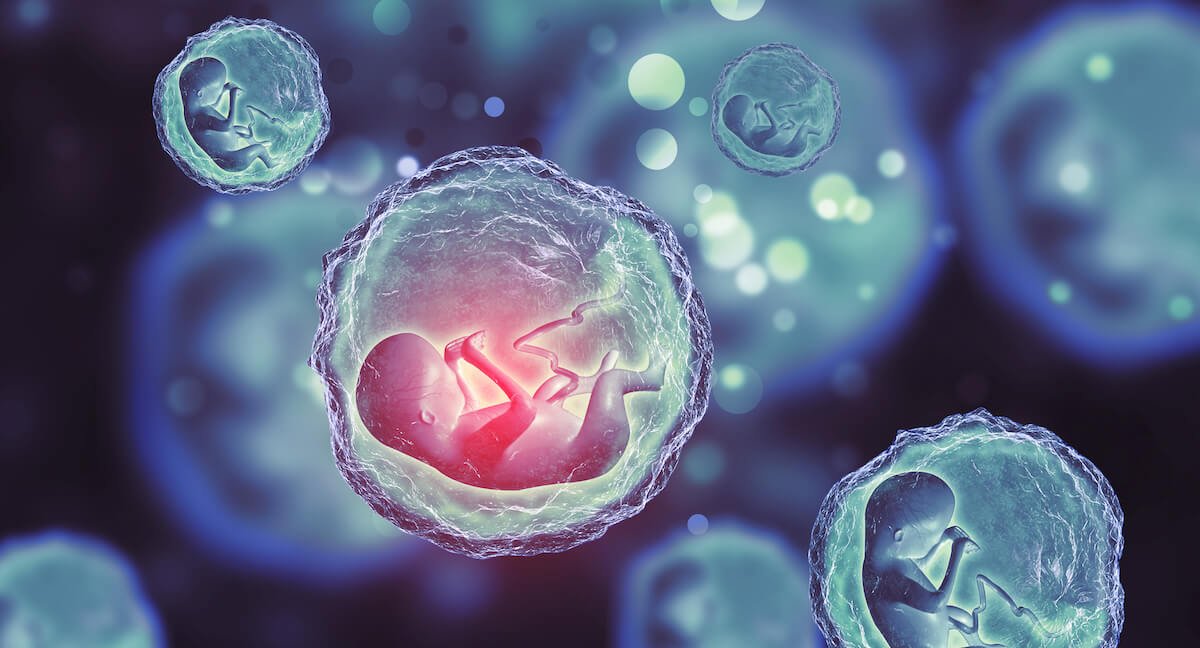
The more scientists study the effects of pesticides on human health and the natural world, the clearer it becomes that we’ve looked before we’ve leaped. Some of the changes are subtle, and others may take years to manifest. However, we’re slowly cataloging the types and magnitudes of harm chemical pesticides may be bringing to our doorsteps. Suffice it to say, the now well-publicized plight of bee species around the world is the tip of the iceberg [ 1 ]. The human population can expect increasing hardships as this assault on biodiversity continues. And scientists have been hard at work increasing our understanding of the much more direct impact pesticides have had, and continue to have, on the human population. Scientists have known for some time that exposure to pesticides appears to severely raise one’s chances of developing chronic illnesses and diseases. Examples include lymphoma, leukemia and multiple types of cancer — including prostate, ovarian, brain and breast cancer [ 2 ]. In addition, birth defects and a range of other types of reproductive harm, including sterility and spontaneous abortions, have also been noted. Further studies have linked the use of pesticides with higher rates of Alzheimer’s disease, Parkinson’s disease, asthma, diabetes and other serious conditions [ 3 ]. Although we’ve been fairly confident in our observed link between pesticide use and reproductive harm for some time, knowledge about the longer-term health impact on children has been harder-won. In particular, scientists want to know more about the effects of exposing children to pesticides before birth, and whether doing so results in learning and developmental problems that last well into their teen years. Just as the negative physical influence of pesticides may take years to manifest in tests, so can the influence on the development of human cognition and brain health. […]
6 ways in which sugary, fizzy drinks are ruining your health

We all know that sugary cold drinks are bad news, but what do they actually do to our bodies? Vogue lists out the physical consequences of your soda addiction Are carbonated drinks quite the death knell they seem to be? Nutritionist Harpreet Pasricha and health coach Payal Kothari are of the stance that they in fact are. Studies have shown that sodas (even the diet and low sugar versions), to be a reason behind poor dental health and gut health , and in extreme cases, correlated with cancer and heart disease. Needed a reason to kick the one-can-a-day habit? We’re giving you six, along with details on what each type of carbonated drink does to your body. The different kinds of carbonated drinks (and how they affect you) “Carbonated water or sparkling water is water in which carbon dioxide is dissolved artificially. Sparkling waters generally do not contain any artificial flavouring, though some flavoured options may have citric acid or natural sweeteners added in, along with caffeine and sodium. These are generally enjoyed by themselves, and are a very common alternative to water,” explains Pasricha. Compared to other forms of soda, the health risk of increased consumption of sparkling water are minimum. There are few researches that point out the correlation of sparkling water with poor gut health (acidic reflux, gas or flatulence) due to the processes of dissolving carbon dioxide in water. “Some people may observe bloating and water retention after consuming sparkling water. This happens because sparkling water has a lower PH and is acidic in nature,” she warns. Club soda is artificially produced by passing pressurised carbon dioxide through water. “To enhance taste, club soda generally contains additives such as table salt, sodium bicarbonate, or potassium bicarbonate to add a slightly salty flavour. This is most […]
Responding to the Stress of Practicing Law, 35-Year Attorney Creates Comprehensive Meditation App Targeted to the Legal Profession
CINCINNATI, Oct. 1, 2019 /PRNewswire/ — A new meditation app targeted toward attorneys and other professionals in high-stress careers is now available in the Apple App and Google Play Stores. Legally Mindful ® aims to help professionals focus on a regular meditation practice to improve overall health and well-being and to help professionals become more creative and successful in their work. Gary Powell, founder of Legally Mindful, is currently general counsel for a global, natural-based chemical company in Cincinnati and has been in private litigation practice for 35 years. After starting a regular meditation practice, he noticed an appreciable difference in his overall well-being and outlook and decided to share his method with others in the legal profession and other high-stress work environments. "Legally Mindful is a passion of mine," said Powell. "After practicing meditation for about 15 years and trying different methods, I felt like it was time to share what has worked for me and help others in the legal profession. With sound-assisted meditation, I discovered that I can use the tools I’ve learned and developed over the years to make my work more efficient and productive, and I can carry a more focused and creative mental state into my daily life, which allows me to listen better, think creatively, and respond more effectively. And I am confident that Legally Mindful can do the same for others." Drawing on his own meditation experiences and after reading countless professional research articles on meditation, Powell wrote his own guided meditation exercises to address specific areas of need in the legal profession. In the primary level, there are two exercises devoted specifically to relaxation and stress release, an exercise emphasizing gratitude and compassion which research shows can improve someone’s overall happiness and perspective on life, and a non-guided exercise that […]
Siegfried and Roy: What Happened the Night of the Tiger Attack?

At his lavish 59th birthday party in the Mirage Hotel theater that bears the duo’s name, Roy Horn, the dark-haired half of the team, ushered in the early hours of the morning with 500 friends and fellow entertainers. He had spent the evening table-hopping and dancing, and at midnight raised a glass to his partner, Siegfried Fischbacher, in celebration of their 44 years together. “He was in great spirits,” remembers impersonator Frank Merino, an invited guest. “All of his friends were kidding around with him, and he was making jokes and being very playful.” One of the jibes was about his age and eventual retirement. “I’ll retire only when I can’t do it anymore,” Roy shot back in his heavy German accent, alluding to the physical strength necessary to swing on ropes 30 feet above the audience and handle the 600-pound tigers that were the centerpiece of the act. To a man so fit and lithe, that day seemed a long way off. “It is incredibly dangerous, and we took Roy, this superman, for granted all of these years,” says fellow Vegas magician Lance Burton. But less than 24 hours later, Roy lay near death in the trauma unit of University Medical Center. Even in a town famous for risky wagers, few were betting he would survive the night. In 30,000 perfectly timed shows with elephants, lions, tigers, cheetahs, and sharp-beaked macaws, Siegfried & Roy had never had a serious mishap. Their act, seen by some 400,000 people each year, was a pastiche of Vegas razzle-dazzle: daredevil theatrics, illusions and, of course, animals. The lions and tigers were Roy’s domain, and his ability to communicate with them was marvelous and mysterious at the same time. Roy didn’t so much train the animals as bond with them through a technique […]
Boost Brain Health
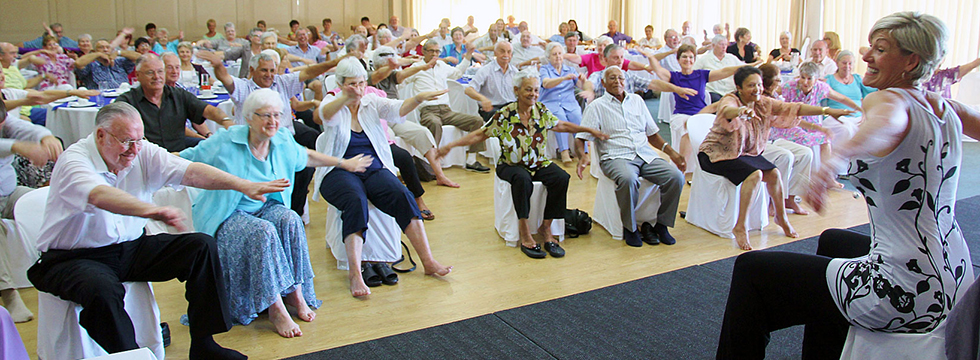
Brain health is the ability to remember, learn, play and maintain an active mind. According to the American Heart Association, failing brain health is a public health epidemic that could be more serious than we think. Consider these statistics: The brain begins showing signs of cognitive decline as a person enters their 20s. 3 out of 5 Americans will develop a brain disease in their lifetime. By 2030, the total cost of Alzheimer’s, dementia, and stroke is expected to exceed $1 trillion. The good news is, we can still develop and change our brains no matter how old we are! Start now It’s never too early to start doing what we can to boost brain health. Cognitive decline begins well before we ever see symptoms of it. Every 65 seconds, someone in the United States develops Alzheimer’s disease. The Alzheimer’s Association projects that by 2050 there will be 14 million Americans living with the disease. So, the earlier we begin taking steps to boost our brain health, the better chance we have of preventing cognitive decline. It’s about taking advantage of the strengths of our brain and reducing some of the risks to our brain as we age. Be a kid again … every day When is the last time you put everything aside to just have fun? As adults, we tend to focus so much on work and other responsibilities that we don’t make a conscious effort to do something that gives us pure enjoyment. Denise Medved, creator of Ageless Grace , a brain fitness program, says that physically “playing” for just 10 minutes a day can have a positive effect on long-term brain function. (Ageless Grace works by re-opening the neural pathways that were created from the time we were born until about the age of 21. […]
Nine everyday habits to boost your brain power

Photo Credit: Pixabay We all want to defy the aging process, whether it is combating wrinkles or keeping fit and trim, but what can you do to keep your brain health in peak condition as you age? Nutritionist Sarah Flower from TIANA Fairtrade Organics outlines small, manageable lifestyle and dietary changes you can make today to improve your memory and cognitive health: 1. Take some ‘me’ time – Our lives are so hectic. We are juggling multiple tasks as well as the constant draw of social media and phones. Dr Chatterjee, author of 4 Pillars of Health and The Stress Solution, has made it his mission to encourage people to make time for ourselves. Taking 5-20 minutes out per day doesn’t sound very much but it can have huge health benefits, including improving brain health, combating depression and anxiety, reducing stress, increasing your sense of wellbeing, helping you concentrate and cope better with workload and pressure. 2. Get a good night’s sleep – When we were young, we could burn the candle at both ends and still be bright and perky the following day. As we age, we begin to realise that sleep is not only essential for general wellbeing, but is also something we actively crave. Sleep is crucial for good health. It is a time when our body resets, rebalances and repairs. It balances hormones such as the stress hormone cortisol. It regulates our blood sugars making us less likely to crave food and overeat. We also know that long-term sleep deprivation can cause irreparable damage to brain cells, not to mention low mood, so it is important to ensure you get at least eight hours of sleep to ensure you experience a full sleep cycle. 3. Train your brain and body – I use TIANA Advanced […]
How to Fight Sleep Inertia
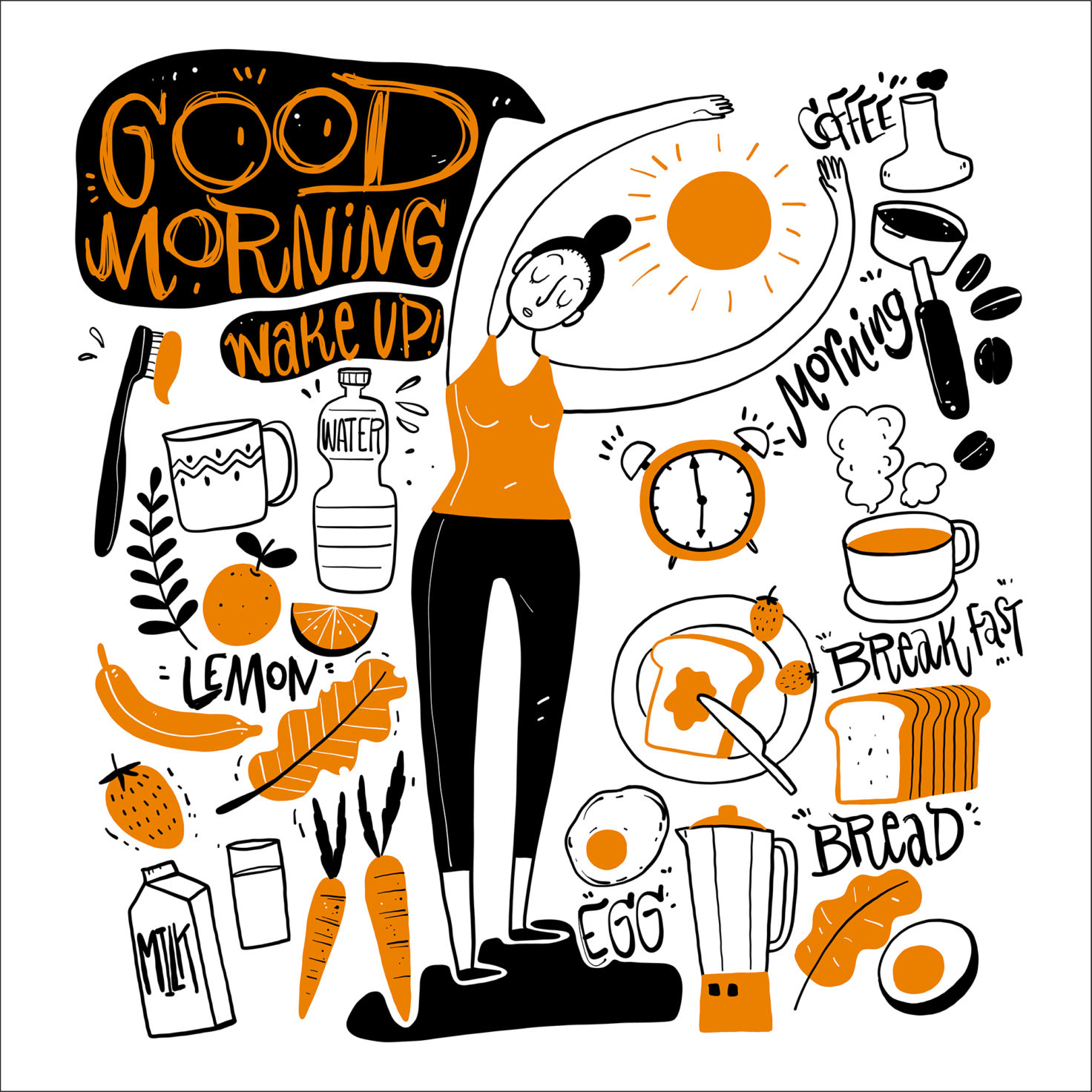
Good sleep hygiene. You likely know the drill — turn off all devices an hour before turning in, don’t eat a big meal just before bed, make sure the bedroom is dark and cool. But what if you follow the rules and get plenty of sleep, but still find it nearly impossible to get out of bed in the morning? Or even once you drag yourself out of bed, the mental fog continues? The problem might not be how you sleep, but how you wake up. Say hello to sleep inertia. Sleep inertia was first labeled as such in the 1950s, after Air Force pilots who were often stationed in the cockpits of their planes described the symptoms: an irresistible desire to go back to bed and mental grogginess that can last for hours, often leading to simple mistakes. Quite literally, the brain, once asleep, would prefer to remain in that inert state. It is possible to fight sleep inertia, but it is important to understand that both quality and quantity of sleep are vital. Most adults need between seven and nine hours of sleep each night to wake up feeling their best. Assuming one is getting enough good quality sleep, there are things you can do to ease the transition from sleep to alertness. Don’t Hit the Snooze Button No matter how tired you feel when the alarm goes off, an extra nine minutes of sleep will not help. More likely, you will feel worse. Why? Our natural body clock — our circadian clock — functions through 24-hour hormonal cycles that govern physical, mental and behavioral changes. By sleeping the requisite number of hours, we allow our bodies enough time in each stage of sleep. Our bodies cycle through each stage several times a night, with each cycle […]
Focus: How Can We Live a Healthier and More Productive Life?

It is never too late to find ways to live a healthier life. Sometimes we see suggestions from various books and magazines that give us new ways to enjoy a healthier lifestyle. I find many good suggestions from the Woman’s World magazine. The September 26 issue was full of great ideas on living healthier and having a more productive life. Some of the suggestions are easy to follow and some ideas are helpful in many ways. We all need to discover different ways to make us healthier, more beautiful and have a better attitude in today’s harried world. You can read these suggestions and try some if you wish to. September 26 has been called World Dream Day. Did you know that daydreaming can make you more creative according to a report from Psychological Science? Take a break from your daily routine and sit down or lie down and just daydream about whatever you wish to do. Daydreaming can free the mind to think of something productive that you might want to do and just never tried to do it. Never give up your dream of doing something special. Rejection can either deflate you or fuel your vision to become a reality says Melody Tsai, who was rejected by a culinary school because she was deaf. This positive story shows how this lady did not give up her dream and became the owner of a very popular pizzeria who serves everyone alike. The article by Michelle Abrams tells us there are three ways to overcome any obstacle. Visualize your roadblocks. Encourage yourself with small daily reminders and put a new spin on old goals. Here are a few health ideas for fall. Smooth wrinkles with blackberry cream. Combine 1 T. of mashed blackberries and 1 T. of plain yogurt. […]
10 Fascinating Parts Of The Day From Around The World

Across cultures and throughout history, many specific features of the day have obtained significant importance. We carve out certain hours of our day to provide us with satisfaction, entertainment, or general peace of mind. Sometimes, we base our entire day on certain groups of hours. Even exact times appearing on the clock developed value to many. Some of these aspects of our day originated centuries ago, and some are much more recent. This list takes a look at ten of the most impactful. 10 Spanish Siesta The Spanish Siesta found its way into the popular lexicon. Unfortunately, it is sometimes used derogatorily to imply laziness, when in fact, that could not be further from the truth. The term “siesta” comes from the Latin for “sexta,” meaning “sixth hour.” Romans began their day at dawn, and used the sixth hour of the day for eating and resting. From there, the tradition for midday rest eventually crossed into other cultures, most notably that of the Spanish. Their siestas came about after the Spanish Civil War (1936-1939). Most people worked two jobs, thus splitting their work day into two parts: 9:00 a.m. to 2:00 p.m. and 4:00 to 8:00 p.m. This gave many the opportunity to have a nice rest if they so desired. In today’s Spain, close to 60% of working age people have never taken a siesta. Yet, today’s Spaniards average only around 7 hours of sleep a night, a full hour below the recommended 8. It seems it is not just Americans that do not get enough sleep. We cannot all be like George Costanza and take a nap under our desk; we rely on coffee and energy drinks. Spaniards are one the last European countries to turn in for the night. Midnight is the average bedtime in Spain, […]
Boost Information Recall with Regular Quizzes

News Pupils struggling to recall yesterday’s lesson? Prompt them to retrieve information from memory by embedding regular quizzes into your curriculum design, says Jon Hutchinson… Products Cutting edge research from cognitive science is gifting teachers with an understanding of how the brain learns, and how we can adapt instruction, curriculum and assessment to be more effective. Much of this research has only taken place in the last few decades, meaning that it is taking some time to filter into the profession and challenge received wisdom. For example, teachers are commonly told that ‘weighing the pig does not make it any fatter’, which has led to calls in some quarters for less testing, especially in primary school. Though this advice is doubtless well intended, it appears to fly in the face of one of the most robust findings in psychological research: the testing effect. Empirical study into the manner in which memory operates began way back in the 1880s, when Hermann Ebbinghaus measured the rate that information is lost after initially learning it. The conclusions were clear, and have been repeated in multiple contexts and under a huge variety of conditions since: everybody forgets things unless they revisit that information regularly. In the classroom, this means that we should be entirely unsurprised (or cross) by our pupils struggling to recall yesterday’s lesson. Indeed, it is an inevitable and perfectly natural part of the learning process. Our job is to interrupt this forgetting, by prompting the children to retrieve information from memory. It is for this reason that, as part of our curriculum design at Reach Academy Feltham, we have embedded regular quizzes into our curriculum design. Memory measurements Aside from Ebbinghaus, our decisions have been influenced by more recent research into retrieval practice, spearheaded by professorial power couple Robert and […]
National Trust sites set to receive dementia-friendly makeovers

Dementia work is under way at the National Trust’s Wimpole Hall in conjunction with the Farming Memories Group Some of Britain’s best loved historic and countryside sites are to be given dementia-friendly makeovers – thanks to a pioneering collaboration between two charities, it was announced on Monday. Struggling to get into venues, being overwhelmed by exhibition texts and leaflets and having difficulty with payment methods are some of the challenges facing dementia sufferers at historic venues. Now, clearer signage and modified materials used on paths and car parks at 500 sites in England, Wales and Northern Ireland, are among the initiatives in the National Trust and the Alzheimer’s Society’s three-year project. Under plans, heritage will also be taken into local care homes, hospitals, day centres and community groups. It’s hoped that historic spaces, collections and stories will stimulate discussion and memories. Alzheimer’s is a degenerative disease of the brain that causes dementia, leading to a gradual loss of memory and the ability to function. Some 850,000 Britons are living with dementia – and numbers are expected to reach one million by 2025, according to a 2015 Alzheimer Society report. Improve wellbeing Tiger de Souza, volunteering and inclusion director at the National Trust, said: “We know that our natural and historic places can play a significant role in improving the wellbeing of people living with dementia. “A number of our sites already offer great experiences for people living with dementia, and through this landmark partnership we aim to extend those benefits to many more people.” Dementia work is under way at the National Trust’s Wimpole Hall in conjunction with the Farming Memories Group (Photo: National Trust) The Farming Memories Group, in Wimpole, Cambridge, and Back to Backs, a monthly meet-up where past eras are recreated at historic houses in Birmingham, […]
Regular exercise can keep dementia at bay – adding more hours reduces the brain’s aging process

( Natural News ) Dementia is one of the most common problems older adults encounter, but no matter how common it is, it can be preventable. One of the best ways to keep dementia at bay is to exercise regularly, according to a study published in the journal JAMA Network Open . This is good news for those who are trying to stay fit but aren’t exactly marathon runners or athletes. Researchers at Boston University looked at data from an ongoing heart health study in the U.S. to analyze the effects of exercise on dementia risk. They discovered people who do more physical activity tend to have a slower brain aging process and have a lower chance of developing dementia later in life. Moreover, every additional hour could remove another year off someone’s brain age. Therefore, someone doing three hours of exercise every week could, over time, maintain a brain three years younger than the average for their age. The researchers also found that doing any exercise, even if it is as light as walking, could be enough to build up and provide benefits — as long as it is done regularly. Low-intensity exercises that could get the heart, lungs, and muscles working harder are all beneficial. “Every additional hour of light-intensity physical activity was associated with higher brain volumes, even among individuals not meeting current physical activity guidelines,” explained Dr. Nicole Spartano, one of the researchers of the study. While it was not clear how much exercise should be done for optimal protection against dementia, the researchers suggested doing at least 250 minutes of physical activity every week. The researchers said that these findings are consistent with the notion that potential benefits of exercise on brain aging may build up at a lower, more achievable level of intensity. […]
What do the next 20 years hold for artificial intelligence

The year is 2031. An outbreak of a highly contagious mosquito-borne virus in the U.S. has spread quickly to major cities around the world. It’s all hands on deck to stop the disease from spreading–and that includes the deployment of artificial intelligence (AI) systems, which scour online news and social media for relevant data and patterns. Working with these results, and data gathered from numerous hospitals around the world, scientists discover an interesting link to a rare neurological condition and a treatment is developed. Within days, the disease is under control. It’s not hard to imagine this scenario*—but whether future AI systems will be competent enough to do the job depends in large part on how we tackle AI development today. That’s according to a new 20-year Artificial Intelligence Roadmap co-authored by Yolanda Gil, a USC computer science research professor and research director at the USC Viterbi Information Sciences Institute (ISI), with computer science experts from universities across the U.S. Recently published by the Computing Community Consortium, funded by the National Science Foundation, the roadmap aims to identify challenges and opportunities in the AI landscape, and to inform future decisions, policies and investments in this area. As president of the Association for the Advancement of Artificial Intelligence (AAAI), Gil co-chaired the roadmap with Bart Selman, a computer science professor at Cornell University. We spoke with Gil about what AI means today, what it will take to build more intelligent and competent AI in the future, and how to ensure AI operates safely as it approaches humans in its intelligence. The interview has been condensed and edited for clarity. Why did you undertake the AI Roadmap effort with the Computing Community Consortium? We really wanted to highlight what it will take for AI systems to become more intelligent in the […]
Successful Aging, Part Two:DIET

In Part 1, we discussed how exercise helps us to stay youthful and strong. Part 2 is about Feeding. The adage is “You are what you eat.” We now know that it is not only what you eat; the timing of meals plays significant roles in our health too. The foods we eat fall into one of 3 categories mainly, Carbohydrates, Proteins, and Fats. CARBOHYDRATES Fruits, Vegetables, Milk, and Grains provide the body with energy for our daily activities. When ingested and digested, carbohydrates enter the circulation in the form of Glucose, which is then used to produce ATP, the fuel molecule that drives most activities of the body. Carbohydrates consumption causes the Pancreas to release insulin. Insulin allows Glucose to enter Muscles and Fat cells, where they are used for Energy production. Unbalanced-High-carbohydrate Diet is Unhealthy Surplus glucose is stored in the Liver and Muscles as Glycogen and in Fat cells for Triglycerides production. When a diet is unbalanced and the Carbohydrates provide greater than 60% of calories, serum Triglyceride levels tends to rise. High levels of triglycerides impede blood circulation. It has, therefore, been recommended that Calories provided by Carbohydrate should form less than 50- 60% of the total daily calorie intake. Insulin enables sugars and the products of Fats digestion (Fatty Acid and monoglycerides) to leave the general circulation and enter the Fat cells. Fat cells are then able to produce more Triglycerides. The Triglycerides and Fatty acids are then stored as White Fat in the body and this leads to Weight gain and Obesity. Person with high Triglyceride and bad cholesterol levels should limit their carbohydrate intake to less than 50% of the total energy consumption per day. Many people have successfully lost weight by lowering the portions of carbohydrates in their diets. PROTEINS After […]
Coffee without the jitters: Here’s all you need to know about decaffeinated coffee

( Natural News ) Coffee is a much-loved drink, but not everyone likes the palpitations that come along with it. In the course of its long history, chemists have devised multiple methods to decaffeinate, or remove caffeine from, coffee beans, ensuring that coffee-lovers will still be able to get a good night’s sleep. The history of decaf coffee The story of decaffeinated coffee began with a visit between friends in Germany. On October 3, 1819, Friedlib Ferdinand Runge, a chemist, paid a visit to Johann Wolfgang von Goethe, the creator of Faust. The writer gave his friend a box of coffee beans he got from Greece and asked him to experiment on it. He wanted to find out why the coffee beans kept him awake at night. After two years, von Goethe got his answer – Runge had identified the culprit to be caffeine. It would be almost a century later that decaffeinated coffee was discovered. In 1905, Ludwig Roselius, a former coffee bean roaster, was believed to have received a cargo of coffee beans soaked in seawater. Instead of tossing them out as damaged goods, Roselius and his colleagues considered this as an opportunity. After a series of experiments, they discovered that using benzene – a chemical found in paint strippers and aftershave – as a solvent could remove the caffeine. They patented this process, and Roselius founded the Kaffee Handels-Aktiengesellschaft or Kaffee Hag, a company that exported decaffeinated coffee across Europe and then to the U.S. after World War I. However, with benzene being a toxic chemical, using it posed a number of health concerns . It was later replaced by ethyl acetate or methylene chloride. This was called the “direct method.” As ethyl acetate could be extracted from fruits and vegetables, people thought it was a […]

The Power Within by Corey Daniels book available for only $2.99
Mind has both conscious and subconscious halves. These are likened to a driver and the truck he drives. The driver plans the destination and observes road conditions, while the truck provides motive power. Your subconscious mind is like the truck and it only goes in the direction in which is a steered. This can be the road or off a cliff. Likewise, the consciousness paints a picture of what the world is and what your goals are and the subconscious acts on them through emotion, physical response and energy, whether these are correct, rational images or false negative ones. The subconscious is also like an emotional reservoir which your body and mind draw responses from to external stimuli.
The Power Within lays out a method of programming your subconscious and tapping into the Holy Spirit, God voice or what the Greeks called the daimon (godman).