Nature Knows and Psionic Success
God provides
Stress in middle age may increase women’s risk of dementia, say experts

Researchers say that if stress hormone levels increase and remain high, it isn’t good for the brain’s hippocampus, the seat of memory. © Shutterstock It is a known fact that stress is bad for health. Now a new research says that if a woman experiences stressful life events during middle age, it can negatively affect her memory. It may also increase her risk of dementia later in life. Researchers at Johns Hopkins University followed 337 men and 572 women between 1982 and 2004 from the long-running National Institute of Mental Health study. All the participants of the study had an average age of 47 years. They are asked to undergo several check-ups and interviews in this time period. In the final check-up, participants had to reveal if they had experienced a traumatic event in the past year like combat, rape, a mugging, any other type of physical attack, watching someone else attacked or killed, receiving a threat, or living through a natural disaster. They also had to say if they had experienced any stressful life experiences like marriage, divorce, death of a loved one, job loss, severe injury or sickness, a child moving out, retirement, or birth of a child. All participants had to complete a learning and memory test at the third and fourth visits. Researchers measured any decreases in performance on the tests. STRESS AFFECTS MEMORY MORE THAN TRAUMA: EXPERTS The findings, published in the International Journal of Geriatric Psychiatry , showed that for women, more stressful life experiences over the last year in midlife was linked to a greater decline in the memory test. The more stressful life experiences the women had, the more difficulty they had with the test. But they did not see the same association in women who experienced traumatic events. This could […]
Can’t sleep? You probably need to make these changes

Brain research has shown how relevant sleep is to health, so it’s more important than ever to get a good night’s sleep. In the bedroom, that means not just decorating in calming colours but also minimizing stressors and optimizing conditions for a restful night. We asked some experts for advice and products to achieve that. — Minimize noise A key obstacle to uninterrupted sleep is noise. To reduce it, Brooklyn-based architect and designer Adam Meshberg, founder of Meshberg Group, recommends soundproofing the walls — building an additional thin wall in front of the original, adding a layer of QuietRock sheetrock, or sealing any cracks or gaps within the walls. To a lesser extent, wallcoverings can also absorb sound, he says, though a padded wallcovering will do more than a simple wallpaper. Cracks and gaps are also a problem when it comes to windows. Restoring or replacing drafty windows won’t just improve your heating and cooling bills; doing so can make a huge difference in the amount of noise seeping in. If renovation isn’t an option, some companies will install a thin window behind your existing window for extra soundproofing. CitiQuiet in New York says it can eliminate 95 per cent of street noise. For a simpler fix, getting an upholstered headboard (or a bed that comes with one) helps with acoustics, says Florida-based designer Adriana Hoyos. Go for fabrics at least one millimetre thick; suede, velvet, leather and leatherette are stylish options for absorbing excess noise. Andrew Bowen, director of staging at ASH NYC, suggests a combination of loose items — a large area rug (he likes the Rug Company’s Deep Pile Merino Natural Rug, $137 per square foot), floor-to-ceiling window drapery and a fully upholstered bed (he recommends Cisco Brothers’ April Modern Classic White Linen Slipcovered Bed, $2,375-$3,000 […]
Napping 101: hacks for people who swear they can’t day-sleep
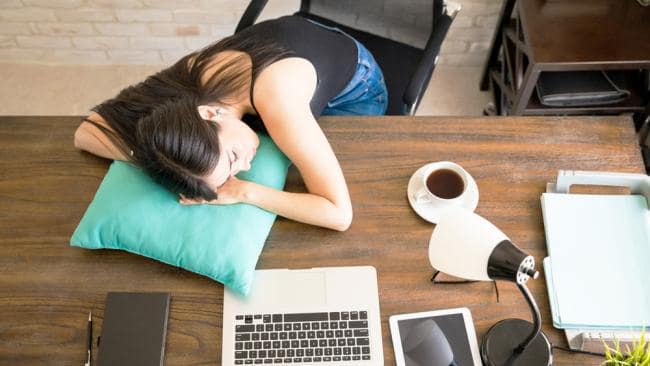
Napping is actually very healthy for you. Image: iStock. Source:BodyAndSoul If health experts could have their way, we’d all be napping on the regular. Studies show that there’s more good in napping than just reducing fatigue, with naps also proven to improve our mood, immune functioning and memory recall . In fact, people who nap at least three times a week may even live longer, thanks to a reduced risk of a heart attack . “Napping is a skill we can all be cultivating because it’s really good for us,” sleep scientist Dr Carmel Harrington , author of The Complete Guide to a Good Night’s Sleep , tells bodyandsoul. “The major issue is that people don’t understand the value of napping.” Sounds good in theory, but what if you just can’t sleep when the sun is up? Dr Harrington has some tips. 1. Know the productivity value Despite the fact Google, Mercedes Benz and NASA staff have access to EnergyPod chairs that are designed for sleeping on the job – many people still judge napping as a waste of valuable time. “When people say ‘I don’t nap’, it could be the perception that napping in the day is lazy,” Dr Harrington says. “We all have been brought up with the idea that we should be on the ball 24/7. We don’t even like sleeping at night half the time, let alone sleeping in the afternoon.” Napping is not lazy. Image: iStock. Source:BodyAndSoul But Dr Harrington says napping deserves a rebranding to make it our go-to energy booster, given it works similarly to caffeine without a subsequent crash. “If we started to see napping as a tool for productivity rather than something that takes away from our productivity, I think people would have a different attitude towards it,” she says. […]
Privacy Attacks on Machine Learning Models
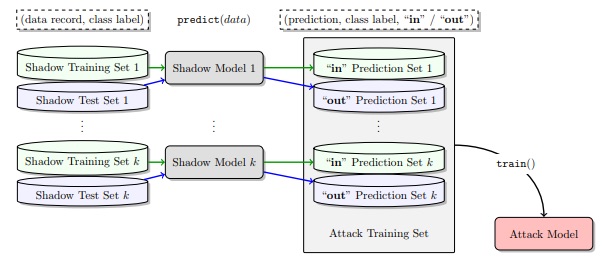
Machine Learning Models, just like most software, can be hacked Privacy attacks against machine learning systems, such as membership inference attacks and model inversion attacks, can expose personal or sensitive information Several attacks do not require direct access to the model but can be used versus the model API Personalized models, such as predictive text, can expose highly sensitive information Sensitive training data and their models should be secured Machine learning is an exciting field of new opportunities and applications; but like most technology, there are also dangers present as we expand the machine learning systems and reach within our organizations. The use of machine learning on sensitive information, such as financial data, shopping histories, conversations with friends and health-related data, has expanded in the past five years — and so has the research on vulnerabilities within those machine learning systems. In the news and commentary today, the most common example of hacking a machine learning system is adversarial input. Adversarial input, like the video shown below, are crafted examples which fool a machine learning system into making a false prediction. In this video, a group of researchers at MIT were able to show that they can 3D print an adversarial turtle which is misclassified as a rifle from multiple angles by a computer vision system. In general, adversarial examples are used to confuse the decision or outcome of a machine learning system in order to achieve some goal. This could be a simple misclassification of an example or a targeted account. This has been covered again and again in the press; does pose significant security threats to things like self-driving cars. However, an often overlooked danger within machine learning is the research on privacy attacks against machine learning systems. In this article, we’ll explore several privacy attacks which […]
3 Ways Your Diet Impacts Work Performance
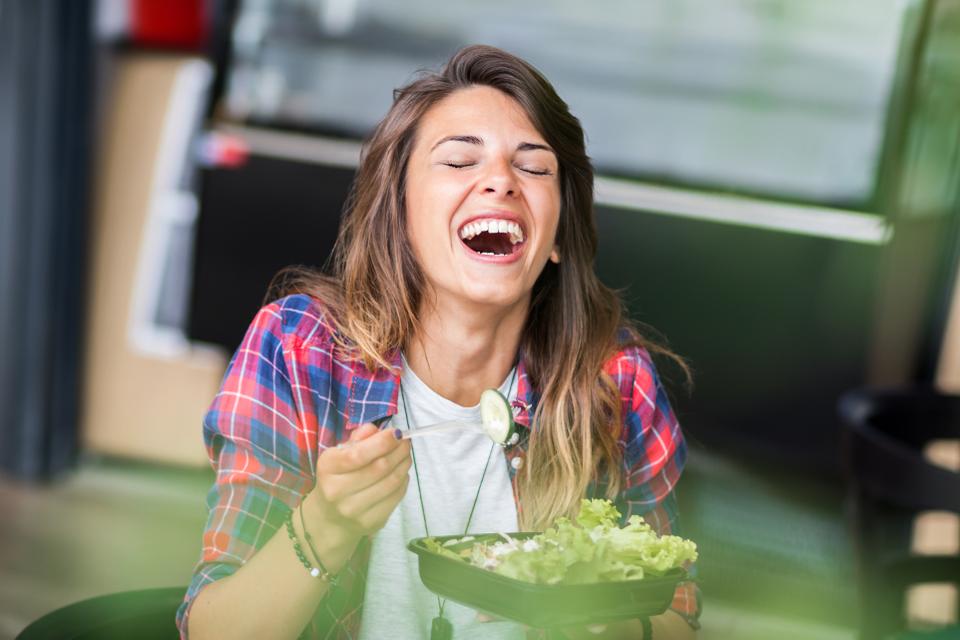
A major deadline is about to hit, you have been working all day and now into the night. With all this craziness you have only stopped to grab the next cup of coffee or a muffin from your local cafe before you get right back to the grind. This may feel exhilarating at first, but it isn’t going to create peak performance and help you stay productive. Consider this, your mind is a muscle, it is a professional athlete in the creative and business world. Like all pros, you need to take care of yourself, recover, and yes, be fueled properly. Yep, you heard me put that candy bar down right now. The next time you are tempted to neglect your nutrition consider these three ways it will impact your performance and how to combat it during times of stress. 1. Productivity will take a hit. A typical breakfast consists of cereal, toast, muffins, and fruit. But is all that early morning carbohydrate loading going to help you all day? Research shows that high carbohydrate breakfasts similar to those of a standard America diet cause substantial impact to brain tryptophan levels and serotonin synthesis. What this means is, when you eat a lot of carbohydrates in one sitting your productivity takes a major hit. Your mood and cognition are greatly impacted and lead to fluctuations and reduction in your ability to focus and complete tasks. That sounds like a recipe for disaster. But it can be fixed by having breakfast with varied nutrients if you spend a little time at the beginning of the week preparing. The more you can do upfront, the less you have to worry as the week rolls on. Hard boil some eggs and grab a few beneficial fruits from the store. Eggs contain choline […]
Science shining a light on “sundowning”

Emily German and her mother, Linda Larsen German. (Photo courtesy of Emily German) Growing up, Emily German looked up to her mother as a fierce role model who effortlessly juggled family, friends and a successful career. In the 1980s and ’90s, Linda Larsen German had worked her way up the corporate ladder in Manhattan, helping to grow the Liz Claiborne business into a Fortune 500 company before leaving to start her own ventures. She was a natural-born leader with a quick mind. "She was such a tough, powerful, strong woman. That is 100 percent how I viewed her my entire life," said Emily, 24, a software sales representative who lives in New Orleans. "It was really because of my mom’s bright personality that we caught on to her disease so quickly." In 2012, Emily and other family members noticed a shift in Linda’s behavior. At age 61, she began to show uncharacteristic signs of confusion, agitation and restlessness. Once Emily flew home to New York for a college winter break. She says she remembers her mother spending an hour searching for her parked car at the airport. They laughed it off at the time, but these "funny" instances became more frequent. A year or so later, she witnessed her mother get frustrated and confused at the grocery store, snapping rudely at the cashier — something she wouldn’t ordinarily do. The shock of seeing her erratic behavior was enough to lead Emily and her father to make a doctor’s appointment for Linda. In early 2014, at age 62, Linda was diagnosed with early-onset Alzheimer’s disease. Soon after, Emily began to notice an odd cyclical pattern to her mother’s behavior. As day turns to night, Linda becomes more disoriented, irritable and upset. "She’s more likely to repeat herself, have mood swings […]
Is Fidgeting at Your Desk Good for You? What the Research Says

WN Lifestyle Home – Money Originally posted on https://www.uncagedergonomics.com/blog/is-fidgeting-at-your-desk-good-for-you-what-the-research-says/ The average worker is productive for just 2 hours and 53 minutes of an eight-hour workday. … Originally posted on https://www.uncagedergonomics.com/blog/is-fidgeting-at-your-desk-good-for-you-what-the-research-says/ This lack of productivity may be due to stress, difficulty concentrating and focusing on the task at hand, or even other factors like chatty coworkers and uncomfortable office furniture. Looking for a surprising way to improve your creativity, your overall workflow, and your productivity as an employee or manager? If so, then you might be surprised to learn that fidgeting while you’re at your desk is the answer you’ve been looking for. Put down the energy drinks and the endless cups of coffee and read on to learn more about the mental and physical health benefits of fidgeting at the office. Recent research is abuzz about the fact that sitting for long periods of time has been linked to an early death , a higher potential for heart disease and diabetes, and even an increased risk of blood clots. However, when you’re at the office, it can be almost impossible to get up and away from your desk every 15-30 minutes (and your boss likely wouldn’t be too thrilled with it, either.) Fidgeting is a much more realistic — and, according to this study , just as effective — option as standing and walking when it comes to lowering your risk for early mortality, increasing blood flow in the legs, and even preventing arterial decline. Plus, those who fidget at their desks burned about 350 more calories throughout the day than those who didn’t. Fidgeting doesn’t just make you physically healthier — it also improves your mental health and concentration at work and elsewhere. This is because studies show that fidgeting increases your body’s production of dopamine and norepinephrine […]
8 Reasons You Should Incorporate Dance Into Your Fitness Routine

Don’t resist the urge to shake your booty: Dancing has some serious perks for your physical, mental and emotional health. Video of the Day If you’ve been dabbling with the idea of dance, here are eight reasons you should finally add a little rhythm to your fitness routine. Having a stressful day? Fitting in a dance class may be the last thing on your to-do list, but a little boogie session can be just the stress-reliever your mind and body need. When you dance, you’re not focusing on the stress in your personal life, says New York-based dance fitness instructor Delia Marmol , who adds that all your day-to-day worries practically disappear instantaneously. "Halfway through the warmup, people are already more relaxed and ready to let loose." There’s a scientific reason for this chilled-out effect. During exercise, the brain releases endorphins — your body’s natural painkillers — which can help alleviate anxiety and stress, says Selina Shah , dancer and sports medicine physician for the Diablo Ballet Dance Company and Axis Dance Company. That’s why you feel so calm and satisfied after a good workout. There’s just something about grooving to the radio that makes you feel carefree. In part, it’s the rush of feel-good endorphins that flood your system when you bounce to a beat. Plus, listening to music also triggers the release of the "happy chemical" dopamine in the brain, according to a January 2011 study published in Nature Neuroscience . That’s why hearing your favorite song puts you on cloud nine. But there’s even more to celebrate about dance: It can also make you feel better about yourself . One August 2010 study in Arts & Health found that cutting a rug could boost your self-esteem. Especially if you’re a little shy, dancing can help you […]
Is Fidgeting at Your Desk Good for You? What the Research Says

Originally posted on https://www.uncagedergonomics.com/blog/is-fidgeting-at-your-desk-good-for-you-what-the-research-says/ The average worker is productive for just 2 hours and 53 minutes of an eight-hour workday. This lack of productivity may be due to stress, difficulty concentrating and focusing on the task at hand, or even other factors like chatty coworkers and uncomfortable office furniture. Looking for a surprising way to improve your creativity, your overall workflow, and your productivity as an employee or manager? If so, then you might be surprised to learn that fidgeting while you’re at your desk is the answer you’ve been looking for. Put down the energy drinks and the endless cups of coffee and read on to learn more about the mental and physical health benefits of fidgeting at the office. Research-Backed Fidgeting Health Benefits Recent research is abuzz about the fact that sitting for long periods of time has been linked to an early death , a higher potential for heart disease and diabetes, and even an increased risk of blood clots. However, when you’re at the office, it can be almost impossible to get up and away from your desk every 15-30 minutes (and your boss likely wouldn’t be too thrilled with it, either.) Fidgeting is a much more realistic — and, according to this study , just as effective — option as standing and walking when it comes to lowering your risk for early mortality, increasing blood flow in the legs, and even preventing arterial decline. Plus, those who fidget at their desks burned about 350 more calories throughout the day than those who didn’t. Mental Fidgeting Advantages Fidgeting doesn’t just make you physically healthier — it also improves your mental health and concentration at work and elsewhere. This is because studies show that fidgeting increases your body’s production of dopamine and norepinephrine — two natural […]
This Device Can Hear the Voice Inside Your Head
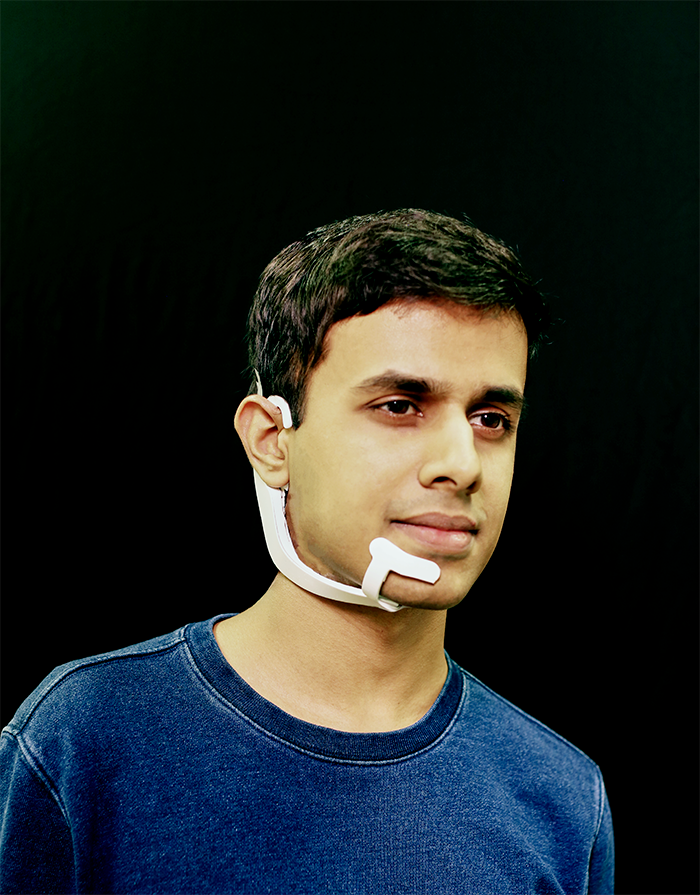
He’s worked on a lunar rover, invented a 3D printable drone, and developed an audio technology to narrate the world for the visually impaired . But 24-year-old Arnav Kapur’s newest invention can do something even more sci-fi: it can hear the voice inside your head. Yes, it’s true. AlterEgo , Kapur’s new wearable device system, can detect what you’re saying when you’re talking to yourself, even if you’re completely silent and not moving your mouth. The technology involves a system of sensors that detect the minuscule neuromuscular signals sent by the brain to the vocal cords and muscles of the throat and tongue. These signals are sent out whenever we even think about talking, even if we make no sounds. The device feeds the signals through an A.I., which “reads” them and turns them into words. The user hears the A.I.’s responses through a microphone that conducts sound through the bones of the skull and ear, making them silent to others. Users can also respond out loud using artificial voice technology. AlterEgo won the “Use it!” Lemelson-MIT Student Prize , awarded to technology-based inventions involving consumer devices. The award comes with a $15,000 cash prize. “A lot of people with all sorts of speech pathologies are deprived of the ability to communicate with other people,” says Kapur, a PhD candidate at MIT. “This could restore the ability to speak for people who can’t.” Kapur is currently testing the device on people with communication limitations through various hospitals and rehabilitation centers in the Boston area. These limitations could be caused by stroke, cerebral palsy or neurodegenerative diseases like ALS. In the case of ALS, the disease affects the nerves in the brain and spinal cord, progressively robbing people of their ability to use their muscles, including those that control speech. […]
How To Improve Concentration & Focus, According To Experts

The ability to concentrate for a long span of time can have a lot of benefits — if you’re absorbing large amounts of information, knocking an intensive work task out of the park, or pulling a four-hour stretch on a single project, chances are that you’re using your focusing skills to do just that. But what about those days where all the words on your screen seem to blur together, or you keep refreshing your social media tab, or you keep zoning out of that all-important staff meeting? If that’s the case more often than not, there are ways to train yourself to improve concentration and focus . "The brain is a programmable computer," Dr. William R. Klemm , Senior Professor of Neuroscience at Texas A&M University, tells Bustle. And that means that if you’re currently finding that your concentration level are faltering, you can train your brain to do better. Concentration isn’t just about maintaining tunnel vision on tasks. Focus, Dr. Klemm explains, helps the brain in two ways: it makes rigorous, sustained thinking easier, and it helps solidify memories. If you’ve ever had a long, difficult train of thought and needed to integrate many different ideas at once, your concentration has helped you keep on track without distractions. And when you learn something for the first time, explains Dr. Klemm, "you have to protect that information for a few minutes at least to give it a chance to set like cement. Any interruption that occurs during this set-up period, called consolidation, will erase the memory." Staying focused in that crucial period will keep your memory crisp and sharp. If you’ve noticed that you’re losing focus, experts tell Bustle that these hacks can help you keep your brain up to speed. 1. Notice Where You Lose Focus The […]
Introduce foreign language lessons at young age

Young children are like sponges when it comes to learning, no matter the subject. Because of their willingness to learn and retain new information, many elementary schools teach students additional languages. According to Rabbi Simcha Dessler, educational director at Hebrew Academy of Cleveland in Cleveland Heights, and Lucia Heddleson, world languages chair at Laurel School in Shaker Heights, there are many reasons for children to learn at least a second language. “In addition to augmenting various forms of capital, like social, cultural and identity, second language acquisition promotes awareness of global diversity and cultural sensitivity,” Heddleson noted. “Second-language acquisition promotes awareness of global diversity and cultural sensitivity.” She added that research points to increased brain plasticity, especially the positive effects on more authentic pronunciation when learning the language as a child. Dessler agreed, saying learning foreign languages at a young age has critical cognitive value in concentration and memory. “In addition, bilingual education promotes connectivity and deepens empathy, understanding and tolerance,” he said. “Children, especially, are quick to learn second languages. With their natural curiosities and innate abilities, language acquisition is easier for them to master than it is for adults.” Learning a foreign language is done best early on. Dessler said, “Children at Hebrew Academy are introduced to Hebrew words in early childhood, though foreign language can be incorporated at any age.” Even though young children are still learning the rules of their native language, also learning a foreign language can boost that process. “Learning a second language may enhance grammar rules of the student’s dominant language,” Heddleson stated. “A second language reinforce certain grammar rules introduced in the native language, like pronouns. Students learn that language practices, like informal and formal language patterns, are applicable in other areas outside of the classroom.” Each school approaches language studies […]
Mushrooms really are magic, especially when it comes to brain health

( Natural News ) In many countries, people use mushrooms for medicinal or culinary purposes. A new study published in the Journal of Alzheimer’s Disease suggests that eating mushrooms regularly can help prevent cognitive decline . The health benefits of mushrooms Mushrooms are used in various cuisines, and they are considered as nutrient-rich ingredients. Mushrooms contain large amounts of antioxidants that prevent cell damage caused by free radicals. Unhealthy habits like smoking and even something as vital as breathing can cause the body to produce free radicals that attack healthy cells. When healthy cells are damaged, the body becomes vulnerable to diseases and some types of cancer. Antioxidants (e.g., vitamins C and E and carotenoids) protect healthy cells from free radical damage . Some mushrooms are edible, and despite being classified as fungi, they can be found in the vegetable section in grocery stores. Both cultivated and wild species of edible mushrooms are rich in antioxidants, dietary fiber, and protein. Mushrooms also contain lots of vitamins and minerals. Mushrooms and mild cognitive impairment (MCI) An individual with mild cognitive impairment (MCI) may have symptoms characteristic of Alzheimer’s disease , like poor memory. However, these symptoms usually manifest in subtle ways that don’t significantly affect quality of life. Scientists from the National University of Singapore (NUS) hypothesized that consuming nutritious mushrooms may help preserve cognitive function in late adulthood and prevent MCI. (Related: Which mushrooms have the most brain-boosting benefits? ) Discover how to prevent and reverse heart disease (and other cardio related events) with this free ebook : Written by popular Natural News writer Vicki Batt, this book includes everything you need to know about preventing heart disease, reversing hypertension, and nurturing your cardiac health without medication. Learn More. To test their hypothesis, they investigated the effect of consuming […]
Best Hobbies Any Man Can Start in His 30s

Estimated Reading Time: 5 minutes With so many habits and interests left in the past, men in their 30s usually feel lost when it comes to their free time. It’s always a dilemma whether to revive an old hobby or start a new one appropriate to their age, their job or their partner. Pursuing a hobby will bring a sense of purpose, provide you with more opportunities to socialize, boost your self-confidence and help you release negativity from your life. Below we listed the top 5 activities every man in his 30s could consider turning it into his hobby. Playing games Like many guys out here, you were probably a passionate gamer once but gave up around your 25th birthday – the symbolic age of the definite end of the adolescent era and careless youth. Ditching your PS4 probably helped you be more productive and social, but video games aren’t necessarily evil, i.e. a waste of time. Gaming as a hobby will serve as an effective stress reliever and can incite creative process in your brain. Moreover, there are plenty of board games and mind exercises, such as Sudoku or chess, that can teach you valuable qualities of the mind and keep your brain sharp. Woodworking Woodworking is a fun and extremely useful hobby for men of all ages, especially over 30. There’s something so special and attractive about being able to say “I made that” instead of “I bought that.” It’s a wonderful hobby which will provide you with a healthy amount of physical activity and help you gain a skill useful for everyone around you. Moreover, it teaches you patience and allows you to enter a Zen-like state. If you want to become a woodworking hobbyist, there are many technical schools and woodcrafts stores offering classes on […]
Black pepper is the “king” of spices, thanks to these 11 health benefits
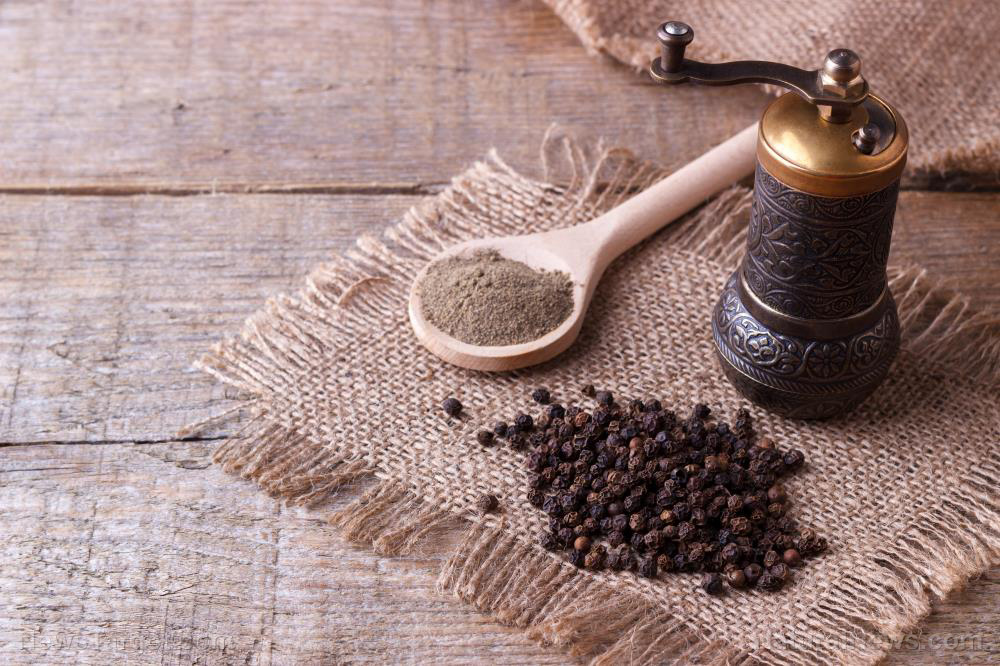
( Natural News ) Black pepper is a popular spice used in various cuisines around the globe. This aromatic spice offers numerous health benefits, including promoting both brain and gut health . Black pepper comes from ground peppercorns , which are dried berries from the vine Piper nigrum. The spice has a sharp and mildly spicy flavor that complements various dishes. Black pepper is known as the “king of spices.” It is used in Ayurvedic medicine and contains powerful and beneficial plant compounds. It’s a versatile spice. Since black pepper has a subtle heat and bold flavor, it is often used to enhance the flavor of many dishes , such as: Avocado toast Cooked vegetables Dipping sauces Fish Meat Pasta Poultry Salads Scrambled eggs Soups Stir-fries The spice also complements other healthy seasonings like cardamom, cumin , garlic, lemon zest, and turmeric. It’s rich in antioxidants. Free radicals are unstable molecules that cause cell damage. Your body naturally produces some free radicals when you digest food or work out. But excessive free radicals can also form when you’re exposed to cigarette smoke or pollution. Free radical damage can cause major health problems, such as some types of cancer , heart disease, inflammation, and premature aging. Piperine is the main active compound present in black pepper. Test-tube studies reveal that piperine has powerful antioxidant properties. Following a balanced diet full of antioxidant-rich foods can help prevent free radical damage. It has anti-inflammatory properties. Chronic inflammation is an underlying factor for several conditions, like arthritis, cancer, diabetes, and heart disease. Fortunately, several animal studies confirm that piperine can help fight inflammation. Discover how to prevent and reverse heart disease (and other cardio related events) with this free ebook : Written by popular Natural News writer Vicki Batt, this book includes everything […]
L-Theanine for Different Mental Health Problems

L-theanine is an amino acid that occurs naturally in tea leaves and is used in Asian medicine to treat many medical and mental health problems. In a previous blog post I briefly reviewed the evidence for l-theanine for stress and anxiety reduction. In this post I add to the discussion on l-theanine by reviewing important recent findings on l-theanine for a variety of mental health problems. Findings of animal and human research support that taking l-theanine on a regular basis improves cognitive performance, attention, sleep quality, and may enhance mood, and reduce symptoms of OCD, panic disorder and bipolar disorder . L-theanine also has important general health benefits including reduction of the risk of cardiovascular disease and fighting obesity ( Türközü 2017 ). Beneficial effects achieved through multiple mechanisms of action L-theanine increases brain levels of serotonin, GABA and dopamine , binds to excitatory neurotransmitter receptors (i.e., glutamate and NMDA), and may increase levels of brain-derived neurotrophic factor (BDNF). Taking l-theanine on a regular daily basis for 3 to 4 weeks may confer general neuroprotective benefits by increasing synthesis of brain-derived neurotrophic factor. The stress reducing and cognitive enhancing benefits of l-theanine are probably related to its role in oxidative damage caused by ‘ free radicals .’ Collectively, these effects are believed to result in anxiety reduction and the other beneficial effects of l-theanine on mental health. Promising findings for beneficial effects on memory , learning and cognitive function as well as for treatment of OCD, bipolar disorder, panic disorder and schizophrenia Findings of animal and human studies have established that l-theanine improves learning, memory and cognitive function, and enhances selective attention during challenging mental tasks. In addition to its well-known benefits for reducing stress, regular consumption of tea made from the leaves of Camellia sinensis, may have therapeutic […]
How to Improve Memory With Practical Tips

We’ve all done it: You’re at a gathering, someone calls out your name, and then runs over. She begins chatting about how good it is to see you. As you talk, you just stand there with a slack-jawed grin, while still trying to figure out who this excited stranger is. How embarrassing. What about the times where you’re in a rush to get somewhere and your cell phone vanishes, or your keys disappear from the place you knew they were. What about the myriad times you headed back to the car after shopping, only to discover you have no clue where you parked. All of these issues are the ordinary results of memory lapses and deficiencies in recall. Don’t worry, this really is a common occurrence, but you definitely can use some tips to improve your memory. Fortunately, there are very helpful actions that can be taken to improve working memory, in turn curbing those awful moments where your brain just seems to fail you entirely. Before committing to these techniques it’s beneficial that you understand a small bit of basic brain 101. This not only may curb your concerns, but it can help you to realize that you aren’t alone in the experience. Brain and Memory Function Stress Impacts Memory and Brain Health Dietary Effects on the Brain Grain-free and Paleo Diets Exercise Is Important for Your Brain Health Visualization Techniques for Memory Method of Loci Dates Back Millennia Study and General Memory Use Be Curious and Don’t Be Scared to Fail Sleep and Memory Three More Mnemonic Techniques 1. Brain and Memory Function Picture your brain like an organic hard drive. It places memories as files in differing folders that make storage less cluttered and easier to access. The hippocampus is the largest part of the brain […]
Matcha Tea: 5 Major health benefits of the Japanese drink
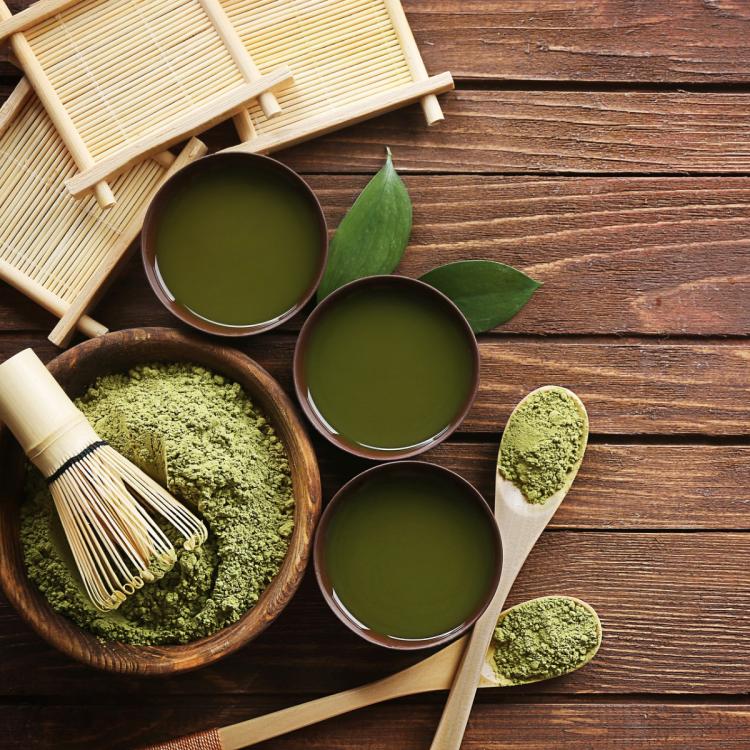
Matcha tea is gaining a lot of popularity among health circles. Right from reducing anxiety to aiding weight loss to helping in lowering BP, many studies have claimed that there several health benefits of this Japanese drink. What exactly is Matcha? The powder is made with the news leaves from shade-grown Camellia sinensis green tea bushes. They contain a number of antioxidants just like green tea. Farmers grow this particular type of tea by covering their plants 20–30 days before harvest. The process helps in chlorophyll production and it also increases the quantity of amino acid. Apart from tea, the powder is also used to make matcha shots, lattes and desserts among others. 1. Anxiety As per the Journal of Functional Foods, a study done on mice found that anxious behaviour in the rodents was relatively reduced when consumed Matcha powder. As per researchers, the tea has a calming effect as they activate dopamine D1 receptors and serotonin 5-HT1A receptors. The study’s lead author Yuki Kurauchi from Kumamoto University in Japan said, "Although further epidemiological research is necessary, the results of our study show that Matcha, which has been used as a medicinal agent for many years, maybe quite beneficial to the human body." 2. Promotes weight loss Drinking Matcha tea can help to boost metabolism and put your body in the fat-burning state. Weight watchers must be aware that high metabolism is directly proportional to weight loss. Most of us must have noticed that weight loss supplements often have green tea extracts, now you know why. 3. Promotes liver health Matcha is also known for promoting the health of the liver. For the unversed, if the enzymes in the liver increases then it could lead to liver damage and that’s when Matcha tea comes to rescue as it […]
7 Skills of highly effective preppers – do you have them?
( Natural News ) As a prepper, your work isn’t done after you fortified your home or stockpiled survival supplies. You also need to improve yourself and have healthy habits to increase your chances of survival when SHTF. Here are seven lifestyle changes that you can make if you want to become a more effective prepper. (h/t to Survivopedia.com ) 1. Be more organized. In a disaster scenario, being organized is crucial to your survival. Practice survival drills with your family so everyone knows what to do and where to go if the power goes out or if there’s a fire. Don’t stop at plan A; having plans B and C can guarantee your safety. Prepare a bug-out bag (BOB) with all the necessary gear and supplies, and tell each family member where you keep their BOBs so everyone can quickly evacuate when SHTF. Keep an inventory of your supplies, then use or consume them in rotation. Check your inventory and replace items that have already expired. (Related: Practice makes perfect: Soft skills for the well-rounded prepper .) 2. Know when to delegate. Self-sufficiency is a key trait of preppers, but you should also know when to ask for help. If you’re a newbie, don’t rush your preps. Being a prepper can be overwhelming, but having a plan for your home garden or survival stockpile will make your tasks more doable. Start your plan by sorting tasks based on importance, then make time to try and tackle each one. Eventually, you’ll get the hang of things. Some tasks that you should consider include: Getting certified for gun ownership. Setting up your survival stockpile. Saving up so you have an emergency fund. 3. Stay informed. Having survival skills isn’t enough to become a prepper. You also need to be observant, […]

The Power Within by Corey Daniels book available for only $2.99
Mind has both conscious and subconscious halves. These are likened to a driver and the truck he drives. The driver plans the destination and observes road conditions, while the truck provides motive power. Your subconscious mind is like the truck and it only goes in the direction in which is a steered. This can be the road or off a cliff. Likewise, the consciousness paints a picture of what the world is and what your goals are and the subconscious acts on them through emotion, physical response and energy, whether these are correct, rational images or false negative ones. The subconscious is also like an emotional reservoir which your body and mind draw responses from to external stimuli.
The Power Within lays out a method of programming your subconscious and tapping into the Holy Spirit, God voice or what the Greeks called the daimon (godman).