Nature Knows and Psionic Success
God provides
You may be missing out on the most Important Antioxidant…
By: Cat Ebeling, RN, MSN-PHN, co-author of the best-sellers: The Fat Burning Kitchen , The Top 101 Foods that Fight Aging & The Diabetes Fix
This antioxidant is so important it is considered the “Master Antioxidant” in the body .
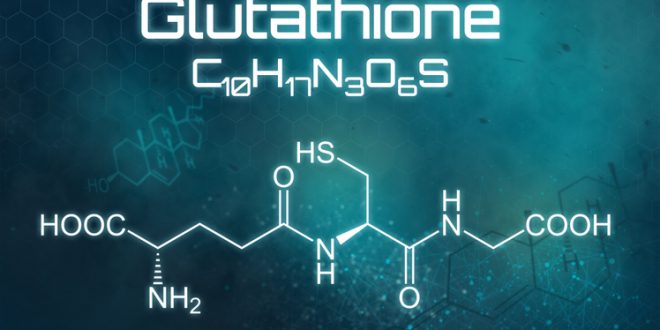
This “master” antioxidant protects the human body like few others. This antioxidant is called glutathione. If your levels of glutathione are low, you are at a much higher risk for strokes, diabetes, heart disease, Alzheimer’s diseases, cancer, dangerous infections and even severe complications of Covid19 .
Glutathione also boosts and recycles other antioxidants in the body including vitamin C , vitamin E, alpha lipoic acid and CoQ10. This antioxidant is made up these three amino acids: cysteine, glycine, glutamic acid (or glutamate).
When these three amino acids come together to form glutathione, they have the power to detoxify and get rid of dangerous free radicals, toxic drugs , and heavy metals such as lead and mercury. This mechanism is incredibly important to protect your entire body from dysfunction and disease .
Glutathione also protects the mitochondria in the cells—which is the power plant of the cell–ensuring your cells are able to make the energy your body needs. Each and every cell in the body contains mitochondria that convert glucose, amino acids, and fats from the foods you eat into energy. Our mitochondria need to be protected , and the primary protector is glutathione to guard our source of energy.
At first glance, glutathione is similar to other well-known antioxidants such as vitamin C and vitamin E. However, unlike most antioxidants like resveratrol and quercetin – your body can make its own glutathione . It just needs the right building blocks.
In fact, your body needs to make glutathione in order for you to live a healthy life. Scientists have even suggested its levels as a great predictor of one’s lifespan . Certain health conditions and lifestyle factors can lower one’s glutathione levels. People with diabetes, hepatitis, cancer, heavy alcohol consumption, HIV, Parkinson’s COPD, and cigarette smokers have low glutathione —although it is not known if low glutathione levels brought on the disease or if the disease actually depletes glutathione levels.
• Diets high in processed foods and preservatives including nitrates, artificial sweeteners, dyes, and preservatives
• Chlorinated water
• Strenuous exercise
• Aging—levels go down after the age of twenty
• Pollution from car exhaust, second-hand smoke and industrial pollutants
• Pesticides, herbicides, solvents, fuels and fuel byproducts
• Household products such as laundry soap, fabric softeners, air fresheners, bleach, lawn and garden supplies
• Certain medications, including Tylenol
• Chronic stress, anxiety, depression
• Physical trauma
• Too much sun exposure, X-rays and electromagnetic fields (EMF’s)
Even though glutathione is naturally created in your cells, your body’s levels of it still naturally decrease with age. And glutathione also does not act alone in your body — it needs coenzymes to perform its various enzymatic roles.
The role of glutathione in necessary bodily functions is of primary importance. Healthy levels of glutathione are a major factor to good health and fighting disease.
The following health benefits largely relate to glutathione’s role in these vital bodily processes: Powerful Antioxidant
Antioxidants are one of the body’s biggest protectors of aging and disease . They go after free radicals and oxidative damage. Free radicals are highly reactive forms of oxygen produced in the body. When free radicals come into contact with normal molecules, they steal an electron, damaging the healthy cell and its DNA.
Just ‘living’ produces free radicals, and exercise, toxins in the environment and even lack of sleep increase that load. In fact, some estimates show that the DNA in your cells take 10,000 oxidative hits daily. Antioxidants work to counteract that damage caused by free radicals.
Glutathione directly binds to oxidative compounds that damage the cells and energy production. It goes after a wide range of oxidants, including superoxide, nitric oxide, carbon radicals, hydroperoxides, peroxynitrites, and lipid peroxides. Glutathione offers all-around antioxidant defense better than any other antioxidant .
Glutathione is equally important to boost the power of antioxidants your body needs, such as vitamin C and E. It increases overall antioxidant levels, something that could not be accomplished just with one substance. Lowers Inflammation
High levels of inflammation are present in virtually every chronic illness including diabetes, heart disease, and cancer. However, inflammation can, and should be, a healthy and necessary reaction to fight infectious invaders . The problem comes when you cannot shut down an excessive inflammatory reaction.
Glutathione can block production of most inflammatory cytokines. Cytokines are a product of our immune system. If you suffer from chronic health issues, cytokines contribute to a state of constant low-grade inflammation. While cytokines can be very beneficial, people with high levels of inflammation can have harmful levels of cytokines.
A number of airway and lung diseases including COPD, tuberculosis, pneumonia and asthma result in excessive inflammation, but they can improve when healthy glutathione levels are increased.
The highly contagious virus, SARS-CoV-2, also incites an inflammatory reaction in the lungs of some people, which can become deadly. This is often a result of a ‘cytokine’ storm which causes an excessive amount of fluid and inflammation to build up in the lungs. Glutathione helps to modulat e the immune reaction and lower the inflammatory response in this viral illness.Injuries also create an inflammatory response. Whether you are talking about trauma, infection, toxins, or allergies, your immune system answers the same.When an injury occurs, blood and lymph vessels release fluids and this creates the physical manifestations of redness, pain, stiffness, and swelling. After the infection or injury is repaired the acute inflammatory response normally subsides and goes away. Unfortunately for many , environmental toxins, diet, chronic stress, and other lifestyle issues can cause inflammation that does not go away as it is meant to. As a result, many people suffer from chronic, systemic inflammation.Rebalancing glutathione levels reduces chronic inflammation and restores a balanced immune function. Immune Power Glutathione helps your immune system stay strong and always ready to […]
Music and Studying: It’s Complicated

Plenty of people swear by music as a helpful tool for studying and working. Others find it impossible to concentrate with any background noise at all.
Music does offer a lot of benefits , including:
With these in mind, it might seem fairly logical that music can improve your study sessions. But not everyone agrees. So what’s the deal — does it help or not?
Music doesn’t affect everyone in the same way, so the answer to this question is more complex than a straightforward “yes” or “no.”
That said, it’s certainly true that some types of music can boost concentration and memory as well as increase alertness.
Keep reading to learn more about the pros and cons of studying with music and get some tips for making the most out of your study playlist.
It would be fantastic if you could put on a playlist or song that could help you knock out a problem set or memorize all those dates for your history final, wouldn’t it?
Unfortunately, music isn’t quite that powerful. It mostly helps in indirect ways, but those benefits can still make a big difference. It can motivate you
If you’ve ever grappled with a long, exhausting night of homework, your resolve to keep studying may have started to flag long before you finished.
Perhaps you promised yourself a reward in order to get through the study session, such as the latest episode of a show you like or your favorite takeout meal.
Research from 2019 suggests music can activate the same reward centers in your brain as other things you enjoy. Rewarding yourself with your favorite music can provide the motivation you need to learn new information.
If you prefer music that doesn’t work well for studying (more on that below), listening to your favorite songs during study breaks could motivate you to study harder. It improves your mood
Music doesn’t just motivate you. It can also help reduce stress and promote a more positive mindset.
Research suggests that a good mood generally improves your learning outcomes. You’ll likely have more success with studying and learning new material when you’re feeling good.
Studying can be stressful , especially when you don’t entirely understand the subject material. If you feel overwhelmed or upset, putting on some music can help you relax and work more effectively. It can increase focus
According to a 2007 study from the Stanford University School of Medicine, music — classical music, specifically — can help your brain absorb and interpret new information more easily.
Your brain processes the abundance of information it receives from the world around you by separating it into smaller segments.
The researchers found evidence to suggest that music can engage your brain in such a way that it trains it to pay better attention to events and make predictions about what might happen.
How does this help you study? Well, if you struggle to make sense of new material, listening to music could make this process easier.
You can also link the ability to make better predictions about events to reasoning skills.
Improved reasoning abilities won’t help you pull answers out of thin air come exam time. But you could notice a difference in your ability to reason your way to these answers based on the information you do have.
Other research also supports music as a possible method of improving focus .
In a 2011 study of 41 boys diagnosed with ADHD , background music distracted some of the boys, but it appeared to lead to better performance in the classroom for others. It could help you memorize new information
According to a 2014 study , listening to classical music seemed to help older adults perform better on memory and processing tasks.
These findings suggest certain types of music can help boost memorization abilities and other cognitive functions.
Music helps stimulate your brain, similar to the way exercise helps stimulate your body.The more you exercise your muscles, the stronger they become, right? Giving your brain a cognitive workout could help strengthen it in a similar fashion.Not everyone finds music helpful for tasks that require concentration. It can distract you An important part of music’s impact lies in its power to distract.When you feel sad or stressed, distracting yourself with your favorite tunes can help lift your spirits.But distraction probably isn’t what you’re looking for when you need to hit the books.If you’re trying to argue your position in a term paper or solve a difficult calculus equation, music that’s too loud or fast might just interrupt your thoughts and hinder your process. It can have a negative impact on working memory Working memory refers to the information you use for problem-solving, learning, and other cognitive tasks.You use working memory when trying to remember: items on a list steps for solving a math problem a sequence of events Most people can work with a few pieces of information at a time. A high working memory capacity means you can handle more material. Research suggests, however, that listening to music can reduce working memory capacity.If you already have a hard time manipulating multiple pieces of information, listening to music could make this process even more challenging. It can lower reading comprehension Certain types of music, including fast music, loud music, and music with lyrics, can make it harder to understand and absorb reading material.Whether you’re looking at an evening of Victorian literature or some one-on-one time with your biology textbook, soft classical music with a slow tempo may be a better choice.Listening to music while you study or work doesn’t always make you less productive or efficient.If you prefer to study with music, there’s no need to give it up. Keeping these tips in mind can help you find the most helpful music for work and study: Avoid music with lyrics. Any music that has lyrics in a language you understand will probably prove more distracting than helpful. Choose slow, instrumental music. Existing research generally focuses on classical music, but if you don’t enjoy this genre, you could also consider soft electronic, space, or ambient — […]
Best CBD Oil For Dementia – Top 3 CBD Oil For Alzheimer’s

Dementia is defined as a group of conditions characterized by impairment of at least two brain functions which are usually memory and judgment. There’s no time table on how quickly a person with dementia will experience disintegration of their brains.
It is a syndrome during which there’s deterioration in cognitive function (i.e. the power to process thought) beyond what may well be expected from normal aging. It affects memory, thinking, orientation, comprehension, calculation, learning capability, language, and judgment. Consciousness isn’t affected. The impairment in cognitive function is often accompanied and sometimes preceded, by deterioration in emotional management, social behavior, or motivation.
Alzheimer’s disease accounts for 60-80% of cases. vascular dementia, which happens due to microscopic hemorrhage and blood vessel blockage within the brain, is the second most common explanation for dementia. However, there are several different conditions that may cause symptoms of dementia, as well as some that are reversible, like thyroid issues and vitamin deficiencies.
This is one of the major causes of disability and dependency among older people worldwide. It can be overwhelming, not only for the people who have it but also for their carers and families. There is usually an absence of awareness and understanding of dementia, leading to stigmatization and barriers to identification and care. The impact of dementia on carers, family, and society at large may be physical, psychological, social, and economic.
In some, the effects can happen as soon as two weeks. While for others the effects can take years to set in. But one thing is true about dementia it robs our loved ones of the happiest and finest memories of their lives.
Watching them slip away is heartbreaking especially knowing there’s not much that can be done to help them. Recent studies have been conducted that show a link between cannabis oil and dementia symptoms. We have the top CBD oil for dementia reviews for you to read! The Best CBD Oil For Alzheimer’s ([Month]. [Year])
Editor’s Choice Why is it better? Nanotechnology
Third-party lab approved
The Lineup At A Glance Best in the Market Best Variety What is Dementia?
Dementia causes issues with thinking, memory, and reasoning. It happens once the components of the brain used for learning, memory, deciding, and language are broken or diseased.
Also known as a serious neurocognitive disorder, it isn’t a sickness itself. Instead, it is a group of symptoms caused by different conditions.
The symptoms of dementia might improve with treatment. However, several of the diseases that cause dementedness are not curable. CBD Oil Benefits for Alzheimer’s and Dementia
Reducing Oxidative Stress Damage
The use of Cannabidiol as a technique to counteract the consequences of oxidative stress is shown as a reasonable therapeutic approach. The quality of the role of oxidative stress in pathological processes shows an excellent number of challenges to beat.
A possible choice for the mixing of cannabinoids as antioxidants is the consumption of CBD oils, rich in this cannabinoid, and of determined concentration in every intake. Among the key contributors to minimize the consequences of free radicals and oxidative stress, specialists and researchers suggest three levels of action: Decrease exposure to environmental contaminants;
Increase endogenous and exogenous levels of antioxidants;
Decreasing the generation of oxidative stress by stabilizing the assembly of mitochondrial energy.
Reducing Inflammation
While inflammation is necessary to defending defend the body because it heals, a state of ongoing or chronic inflammation is undesirable and could be a supply of significant pain and anxiety, and is usually connected with depression. CBD shows potential as a plant-derived anti-inflammatory without the side effects of medicines.
Research on CBD in animal models abounds and the cannabinoid appears to be ready to interact with the immune system, lessens inflammation, and lowers pain from a variety of conditions.
A 2015 review published in Bioorganic and Medicinal Chemistry mentioned the anti-inflammatory properties of CBD. The reviewers found that CBD reduces inflammation through different pathways within the body, and represents an efficient potential treatment for a variety of conditions characterized by inflammation. Promoting Brain Cell Growth (Neurogenesis)
Cannabidiol (CBD) not only protects brain cells – however it conjointly stimulates the development of new brain cells, a method referred to as “neurogenesis.” New neurons are regularly being created in 2 areas of the hippocampus: the subgranular zone of the rough gyrus and subventricular zone of lateral ventricles.
These brain regions are densely inhabited with cannabinoid (CB1) receptors. Activation of CB1 receptors stimulates the creation of the latest neurons, a method that underscores the central role of the endocannabinoid system in embryonic and adult neurogenesis, in line with a 2019 study by a team of Brazilian scientists. How can CBD help dementia patients
It is believed that by introducing cannabis oil to the body of someone suffering from dementia it will remove the toxic protein known as amyloid-beta that resides in the brain of those affected by Alzheimer’s. This toxin is associated with the inflammation of the brain.
By removing this toxin from the nerve cells in the brain it allows those cells to recover and survive. The CBD oil also acts as an antioxidant and a neuroprotective so thin the brain and the brain cells.
It will reduce nightmares, agitation, and aggression which can all be things that someone with Alzheimer’s begins to exhibit as they fall deeper into the grasps of the disease. Regimen for CBD usage In order to make sure that you get the maximum amount of results from cbd usage, it is recommended that you use it daily and multiple times a day. You should use it as a prevention tool to control symptoms and flare-ups before they happen. Daily maintenance To control symptoms associated with dementia it is recommended that you ingest either cannabis oil drops or capsules daily. The only difference between the two is one has to be measured before ingesting it sublingually meaning under the tongue and that is the drops.Whereas the pills are a consistent dose every time and all you have to do is swallow the pill. You should begin with 15 milligrams of cannabis oil and if […]
Boost Your Body

I have to prepare myself mentally The latest on supplements for fitness recovery, heart health and cognitive function
In an ideal wellness world, you would—no doubt—meet your every nutritional need by eating the proverbial rainbow, each color band a bottomless buffet of health-boosting whole foods. In real life, however, to-do lists don’t always allow for, say, “chopping and eating 30 different vegetables a week,” says Elizabeth Bradley, MD, medical director of the Center for Functional Medicine at the Cleveland Clinic. So even the most diet-dedicated among us— from impassioned vegans to accomplished athletes—can wind up with nutrient deficits. And that, say experts, is where over-the-counter supplements come in. Smiling meditating woman “There are actually cases when food alone won’t do the trick,” adds Dr. Bradley. For example, “some people have continually high homocysteine levels [a risk factor for heart disease] from a genetic defect in their enzymes, and need supplements like vitamin B12 and folate.”
Of course, you don’t have to be at risk for disease to want to optimize your heart health. Nor do you have to be struggling mightily in the areas of fitness recovery and cognitive function to want to improve both. In fact, these are some of the most common concerns that experts are addressing with supplements—or with a single super-supplement, as the case may be.
“All three areas are critically dependent on energy production,” explains Jacob Teitelbaum, MD, an internist, integrative medicine luminary and best-selling author. “If you have a mild energy crisis, you may simply have difficulty recovering after workouts. But heart problems can arise from a localized problem of energy production—and loss of cognitive function can come from decreased energy in brain cells.”
Ribose—which your body produces naturally but not always so easily—helps drive energy production, says Dr. Teitelbaum. And research has shown that supplementing this sugar can stimulate energy recovery, with one recent study finding an average increase of 45 percent over three weeks. (Thus, Dr. Teitelbaum’s new ribose-based Smart Energy System.)
Other supplements that may help on all three fronts? CoQ10 (also critical for energy production), magnesium (an enzyme building block), ginger (a circulation superstar)—and indirectly, fermented foods (“these improve your gut biome, which can then improve everything else,” notes Dr. Bradley).
But given the ever-expanding world of supplements, you may want to address these concerns individually. So read on for top picks in each category, then check in with your own naturopathic doctor—or another trusted provider who’s versed in natural medicine—before you embark on a new regimen. You want someone who can guide you toward meticulously formulated therapeutic doses (“subtherapeutic” doses abound, warn pros)—and away from anything that may be contraindicated. Ashwagandha superfood powder and root. TO IMPROVE COGNITIVE FUNCTION
B Vitamins
“These should be right at the top,” says Dr. Teitelbaum, noting that folate, in particular, can help prevent cognitive decline and depression.
Try: Frunutta B12, frunutta.com; NOW Foods Brain Attention, nowfoods.com; Solgar Folate, thevitaminshoppe.com
Lion’s Mane
A favorite of master herbalist and supplement formulator Paul Schulick, cofounder, For The Biome—among many other pros—this mushroom is also believed to fight cognitive decline, and possibly anxiety and depression as well.
Try: Four Sigmatic Lion’s Mane Elixir, us.foursigmatic.com; Gaia Herbs Mind Spring, gaiaherbs.com
Ashwagandha
This is another botanical that is reported to fight stress (for starters)—and “when we have a positive effect on stress, we have a positive effect on our ability to concentrate and focus,” says David Foreman RPh, the traditional pharmacist turned herbal pharmacist and supplement formulator. (Note that while Ashwagandha may have fallen from grace in certain circles because of reported overgrowing and lost potency, good formulations are still out there. “This is a case where brand really matters,” says Dr. Teitelbaum. “KSM-66 is the only one I’ll use.”)
Try: Bare Organics Ashwagandha Root Powder, bareorganics.com; Organic India Ashwagandha supplements, organicindiausa.com; Physician’s Choice KSM-66 Ashwagandha, physicianschoice.com
Curcumin
Though the active compound in turmeric is said to affect far more than your brain (your heart may be a beneficiary, too), the anti-inflammatory properties may be particularly good at preventing cognitive decline and bolstering memory, notes Dr. Bradley.
Try: Bare Organics Turmeric Root, bareorganics.com; Nordic Naturals Curcumin Gummies, nordicnaturals.com; Terry Naturally CuraMed Superior Absorption Curcumin, pharmaca.com
Citicoline
This naturally occurring brain chemical—another go-to supplement at Cleveland Clinic—helps shore up the structural components of the synapse, explains Dr. Bradley. Used to treat everything from mild impairment to stroke, citicoline also influences your neurotransmitters, adds Foreman.
Try: NOW Foods Brain Elevate, nowfoods.com; Metagenics Brain Vitale Capsules, shop.drhyman.com It’s wise to warm up your muscles TO BOOST WORKOUT RECOVERY
Whey Protein
These easy-to-absorb dairy proteins quickly hit your bloodstream— and in turn your muscles—where the amino acids go to work repairing tiny, exercise-induced fissures. “We combine whey protein with a high-quality carb to help replenish glycogen,” says Dr. Bradley.
Try: Garden of Life Grass Fed Organic Whey Protein, gardenoflife.com; tera’swhey Organic Whey Protein, simplyteras.com; Pharmaca Grass-Fed Whey Protein Powder, pharmaca.com
Vitamin DThe molecular biology gets a bit complex here (think nuclear receptors and gene transcription), but the bottom line is that vitamin D has short- and long-term muscle-repair and -building benefits. One caveat, as Dr. Teitelbaum notes, is that dosing can be especially confusing, and you may want to take a calcitriol test to find your own sweet spot.Try: Frunutta Vitamin D3, frunutta.com; Hum Nutrition Here Comes the Sun, humnutrition.comNicotinamide Adenine DinucleotideBetter known as NAD, this coenzyme is another post-workout muscle repair agent (and a key to your cells’ energy production). “Tru Niagen is a company we use that has a lot of research to support NAD,” says Dr. Bradley.Try: Tru Niagen supplements, truniagen.comElectrolytesSodium, chloride, magnesium and other essential elements— collectively known as electrolytes—serve as fluid regulators in your body, and if you lose enough of them through a sweaty workout, you’ll want to replenish them (and thereby help yourself rehydrate) with a supplemental version. Dr. Bradley likes LyteShow as much for what you won’t find (unnecessary additives) as what you will: magnesium, sodium, chloride and potassium.Try: Nuun Sport Tri-Berry Tablets, pharmaca.com; Garden of Life Organic Plant-Based Recovery, gardenoflife.com; LyteShow Electrolyte Concentration, lyteshow.com Herbal Lingzhi medicine in capsule next to sliced dried Reishi. It is medicinal mushroom […]
Not a Coffee Drinker? These 6 Delicious Drinks Will Energize You in the A.M.
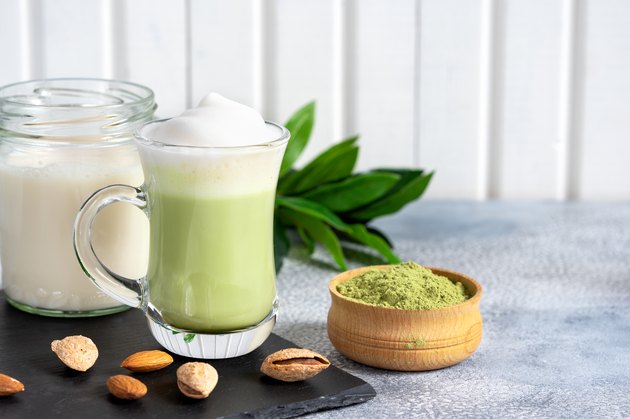
From a matcha latte to a sweet potato smoothie, try these energy-boosting drink recipes that put some pep in your step. It’s no wonder why coffee ranks at the top of many people’s morning menu: The buzzy caffeine rush instantly revitalizes your sapped energy stores and reboots your brain, which comes in handy on days when you’ve rolled out of bed still bushed.
But if you don’t have the taste buds for coffee or you’re displeased by the fidgety feelings it gives you, you might be searching for other energy-boosting drinks to amplify your a.m. Are You Eating Too Much Sugar? Track your daily nutrients by logging your meals on the MyPlate app . Download now to fine-tune your diet today! Whether you’re not a java fan or you’re trying to cut down your coffee habit, these six cup-of-joe alternatives will help sustain your energy levels throughout the day. Matcha powder and blueberries bring a bunch of antioxidants to this smoothie. Need an a.m. pick-me-up? The matcha powder in this blueberry smoothie is guaranteed to give you a caffeine boost.
“Since you are consuming the whole [ground tea] leaves [rather than simply steeping them in water], you get about three times the caffeine of a brewed cup of tea,” says Lauren Harris-Pincus, RDN and author of The Protein-Packed Breakfast Club .
Just be cautious if you have an arrhythmia. While studies show that moderate caffeine consumption is generally safe (and may even reduce your risk of heart rhythm disorders), your caffeine intake should be capped at 300 milligrams a day, according to the American College of Cardiology . For reference, an average cup of tea contains between 35 and 55 milligrams of caffeine.
With 10 grams of fiber (approximately 40 percent of the recommended daily value) from blueberries, kale and chia seeds, this refreshing, nutrient-packed smoothie will also keep you satisfied and contribute to a healthy gut, Harris-Pincus says.
To up the protein content, she recommends adding in a half scoop of protein powder , plain Greek yogurt or cottage cheese. The oatmeal in this smoothie offers long-lasting energy. This oatmeal smoothie will help you power through even the groggiest of mornings. That’s because oatmeal is ranked number one on the USDA’s list of energy-boosting foods .
Low on the glycemic index, oatmeal’s complex carbohydrates serve up a slow-releasing, long-lasting source of energy. Not to mention oats are overflowing with B vitamins, which are necessary to convert food into energy.
The natural sugars in the apple and pear will also offer a bit of oomph without the blood sugar spike and crash you experience with refined carbs in sweets like candy and baked goods, per the USDA. This smoothie sneaks in veggies like sweet potatoes to sustain your energy levels. Number three on the USDA’s list of energizing foods, sweet potatoes — rich in complex carbohydrates, iron and magnesium — are the star ingredient in this vitalizing smoothie.
These starchy, sweet-tasting tubers also tout an abundance of vitamin C, which your body needs to transport fats and produce energy, per the USDA.
But sweet potatoes aren’t the only nutritious root veggie in the mix. This recipe also contains maca powder — made from the root-based Peruvian plant — to help you squeeze in extra nutrients including good-for-your-gut fiber and copper , which is vital for healthy bones, immune function and red blood cell formation. This green tea smoothie boosts your energy levels and your metabolism. The green tea in this hydrating cucumber smoothie contains a bit of natural caffeine to enhance your energy without the jittery side effects of coffee.
The herbal tea also boasts the catechin epigallocatechin-3-gallate (EGCG), a plant compound with potent antioxidant activity and possible anti-cancer properties that can ever so slightly increase your metabolism, Harris-Pincus says.
In fact, a December 2013 study in the Journal of Research in Medical Sciences found that sipping four cups of green tea per day is tied to a significant decrease in body weight, body mass index, waist circumference and systolic blood pressure.
To make this smoothie more satiating, you can add a little healthy fats with some chia, flax or hemp seeds or avocado (which won’t alter the taste) and some unflavored protein or collagen powder to bump up the protein factor, Harris-Pincus says. This matcha latte recipe calls for almond milk, but you can sub in any type of milk you like. If you prefer a warm beverage with your breakfast, this creamy matcha latte with a hint of caffeine will lift your spirits and your energy.
What’s more, a mug of matcha tea may even help boost your brain function, according to a small study published in the September 2017 issue of Food Research International .
Researchers concluded that moderate matcha tea consumption partially enhanced cognitive performance, specifically on measures of attention speed and memory.
Like it cold? This tasty tea is equally scrumptious served over ice. This mint cacao nib shake supplies energy and is great for heart and brain health. This mouthwatering mint smoothie will put a little pep-permint in your step. Stacked with spinach (rated the second highest energy-boosting food by the USDA), this leafy green provides plenty of the minerals magnesium and iron, which are essential in energy production.
The naturally occurring caffeine in cacao nibs will also give you a little get-up-and-go in the morning.
But the flavanols — powerful, plant-based nutrients — in the cacao are the real rejuvenators since they may help increase blood flow to your brain and heart, counteract cell damage, thwart blood clots and lower blood pressure, according to Harvard Health Publishing .
Cartilage in the brain morphs while we sleep and may explain why a snooze can help consolidate memories while sleep deprivation makes us more likely to forget them, study shows

Cartilage in the brain morphs while we sleep – possibly explaining why a good snooze can help consolidate memories, a new study suggests.
The neurons in our brains that exchange information and help us learn have a cartilage-like sheath around them, known as a perineuronal net (PNN).
US researchers believe that sleeping loosens this net enough to make our strong memories stronger and our weak memories weaker, causing them to drop out.
PLAY Top Articles by Daily Mail Kim Kardashian in tears as she meets Kanye West crisis talks About Connatix V38551 Read More SPONSORED / Coming Next Skip Ad
Using mice and brains from human donors, they worked out PNNs densities in brain regions involved in emotional memory processing during a day’s body cycle.
They found that PNNs change in their elasticity in a circadian manner – recurring naturally on a 24-hour cycle – but sleep deprivation can disrupt this cycle.
This suggests sleep deprivation disrupts the natural process of memory consolidation by having the opposite effect – essentially strengthening these nets.
Manipulating PNNs could help people avoid post-traumatic stress disorder (PTSD), by preventing distressing events from entering the long-term memory. NEURONS: SPECIAL CELLS THAT TRANSMIT NERVE
A neuron, also known as nerve cell, is an electrically excitable cell that takes up, processes and transmits information through electrical and chemical signals.
It is one of the basic elements of the nervous system.
In order that a human being can react to his environment, neurons transport stimuli.
The stimulation, for example the burning of the finger at a candle flame, is transported by the ascending neurons to the central nervous system and in return, the descending neurons stimulate the arm in order to remove the finger from the candle.
the diameter of a neuron is about the tenth size of the diameter of a human hair.
Advertisement
‘Our results demonstrate that PNNs vary in a circadian manner and this is disrupted by sleep deprivation,’ say the researchers in the journal eNeuro .
‘We suggest that rhythmic modification of PNNs may contribute to memory consolidation during sleep.’
Sleep provides an opportunity for the human body to rest – except for the brain.
During sleep, the brain accounts for a day of learning by making strong memories stronger and weak memories weaker – a process known as memory consolidation.
Memory consolidation is a time-dependent process by which new-found knowledge and recent experiences are turned into long-term memories.
But changing memories requires changing synapses, the junctions through which information flows between neurons.
During REM sleep – the fourth stage of sleep, associated with vivid dreams – synapses are thought to undergo modification as memory consolidation processes occur.
However, sleep-induced changes need to overcome the cartilage-like sheaths known as PNNs.
PNNs not only surround and protect neurons but also prevent changes in synapses.
Although PNNs have been historically considered stable structures, recent studies suggest they are modified during learning to allow for formation of synapses.
The research team, led by scientists at University of Mississippi Medical Center, therefore theorised that PNNs vary during sleep, which they define as ‘a period of active synaptic modification’. Changing memories requires changing synapses, the connections between neurons, shown here in an artist’s impression. Sleep-induced changes need to overcome PNNs, cartilage-like sheaths that not only surround and protect neurons, but also prevent changes in synapses
In the lab, mice were sleep deprived, euthanised and then had sections of their brain dissected for study.By documenting whether or not they could tag the nets with a protein that binds to a specific sugar chain, they were able to observe the changes in synapses.A decrease in the number of tagged nets would indicate an increase in the number of neurons allowing synaptic changes.The team found that tagging increased during wakefulness and decreased during sleep – although sleep deprivation prevented this change.This demonstrates that a lack of sleep during the night disrupts circadian rhythm, lowers the number of neurons allowing synaptic changes, and therefore puts a halt to memory consolidation.Circadian rhythms in mammals are a natural, internal process that regulates the sleep-wake cycle independent of light and dark – which explains why we get jetlag.’Our data adds to a growing number of studies demonstrating that PNNs are dynamic structures, responding to the environment and potentially contributing to memory consolidation during sleep,’ the team say.’PNN rhythmicity occurs in mice kept in constant darkness, supporting the claim that these changes reflect circadian rhythms rather than a response to light-dark cycles.’ The research team also compared levels of tagged nets in human brain tissue obtained from the Harvard Brain Tissue Resource Center in Massachusetts with each donor’s time of death.Human postmortem studies have successfully used time of death as a proxy for circadian rhythms in the human brain, providing a snapshot of activity.They found that human brains displayed similar sleep-centric rhythms in net structure to mice, and suggest that altering the structure of PNNs may be one of the mechanisms behind sleep-induced memory changes.Circadian rhythms of PNNs in human subjects have ‘broad implications’ for psychiatric disorders.PNN deficits have been reported in the amygdala, entorhinal cortex, hippocampus, prefrontal cortex, and TRN in schizophrenia and bipolar disorder patients.Disruption of PNNs in these disorders may alter rhythms of synaptic plasticity and in turn contribute to synaptic deficits.Sleep deprivation has also been proposed as an early therapeutic approach for PTSD following a traumatic experience.It’s possible that disrupting molecular processes involved in PNN rhythms, via sleep deprivation, could alleviate the strength of fear memories contributing to PTSD. THE FOUR STAGES OF SLEEP Sleep is generally separated in four stages. The first three of these are known as ‘non rapid eye movement’ or NREM sleep.The last stage is known as rapid eye movement or REM sleep.A typical night’s sleep goes back and forth between the stages.Stage 1: In the first five minutes or so after dropping off we are not deeply asleep.We are still aware of our surroundings but our muscles start to relax, the heart beat slows down and brainwave patterns, known as theta waves, become irregular but rapid.Although we are asleep during Stage 1, we may wake up from it […]
Best supplements for men: Take this to boost brain health, virility and lower cancer risk

Priorities naturally shift as we get older and preserving youthful vigour takes centre stage. This desire is not simply rooted in nostalgia – it stems from a growing acknowledgement that energy and acuity offers the best defence against decline. Disease and degeneration is not an inevitable part of ageing, however.
Free radicals are unstable atoms that can cause damage to cells and lead to illnesses and the ageing process.
One study followed 30 healthy people who consumed 200 mg of Panax ginseng (a type of ginseng) daily for four weeks.
At the end of the study, they showed improvement in mental health, social functioning and mood.
However, these benefits stopped being significant after eight weeks, suggesting that ginseng effects might decrease with extended use.
DON’T MISS
How to live longer: The drink that could lower blood sugar and boost life expectancy [TIPS]
How to lose visceral fat – four of the very best exercises that target your belly fat [TIPS]
Hair loss treatment: The natural extract proven to boost hair growth with no side effects [TIPS]
Best supplements for the heart – how to protect against heart disease
Could improve erectile dysfunction
Research has shown that ginseng may be a useful alternative for the treatment of erectile dysfunction (ED) in men.
Findings suggest that compounds in it may protect against oxidative stress in blood vessels and tissues in the penis and help restore normal function.
Oxidative stress is an imbalance of free radicals and molecules called antioxidants in the body, which can lead to cell and tissue damage.
Best supplements for men: Four essential supplements
The cell cycle is the process by which cells normally grow and divide.
Ginsenosides could benefit this cycle by preventing abnormal cell production and growth, it is believed .
A review of several studies concluded that people who take ginseng may have a 16 percent lower risk of developing cancer.
Moreover, an observational study suggested that people taking ginseng could be less likely to develop certain types of cancer, such as lip, mouth, oesophagus, stomach, colon, liver and lung cancer, than those who do not take it.
For Karma Or Ca$h? We Looked At The Value Of Nootropic Supplements
In this regular Yoga Journal column, we take a close look at what’s trending in our community and what feels evidence-based, sustainable, and worth backing (for karma), and what feels like a stretch (for cash). In this installment, nootropics are put to the test. Here, one we loved, and one we have some serious questions about.
The work nootropic is derived from the Greek words noos , meaning mind, and tropos , meaning turned or changed, explains Julie Morris, chef and bestselling author of Smart Plants: Power Foods & Natural Nootropics for Optimized Thinking, Focus & Memory. ” Nootropics are indeed mind-changing, cognition-enhancing substances that can improve the way you think, feel, and function,” she says, adding that she thinks of them as the superfoods of the cognition world. Natural nootropics—such as cacao, matcha, reishi mushrooms, goji berries, ashwagandha, and turmeric—not only maintain and protect neurological function, but research shows they can also improve your mental performance. For Karma
Alpha Brain By Onnit: The Good To Back Up The Bravado Courtesy of Onnit A caffeine-free supplement claiming to boost focus and memory, Alpha Brain by Onnit is hailed by athletes and celebrities—and the research-backed ingredients perform. The blend includes Alpha-GPC, which converts to choline, beneficial for certain physical and mental tasks; club moss extract, which contains a learning aid; and an anionic phospholipid—all of which have shown promise in Alzheimer’s studies for improving cognitive function. But at two capsules per day, the 30- and 90-count bottles (for $35 and $80) go fast. For Ca$h
Nerd Alert By Goop: Just Buy Yourself A Matcha Latte Courtesy of Goop Meant to minimize brain fog, Nerd Alert is a blend of caffeine, sugar, and L-theanine, an amino acid found in green tea that can reduce tension and anxiety. Sold in 15- and 30-day supplies (for $30 and $55 per bag), each serving of two café-aulait-flavored chews contains 200 milligrams of L-theanine and 100 milligrams of caffeine—only slightly more kick than you’ll find in a Starbucks Grande Matcha Latte, meaning you may as well hit the drive-through.
See also For Karma or Cash? We Looked at the Value of Yoga Box Subscriptions
Oral CBD found to reduce the severity of PTSD symptoms

( Natural News ) A recent study by American researchers found that oral cannabidiol (CBD) offers significant clinical benefits for patients with post-traumatic stress disorder (PTSD). PTSD is a mental health condition caused by a traumatic event , such as a serious accident, a natural disaster, war or combat, or violent physical assault.
For their study, the researchers examined the effect of oral CBD administration on PTSD symptoms in 11 adult patients at an outpatient psychiatry clinic. They reported their findings in an article published in The Journal of Alternative and Complementary Medicine . PTSD and the endocannabinoid system
Previously known as “shell shock” or “combat fatigue,” PTSD can affect many people – regardless of their age, ethnicity, nationality or culture. However, it is commonly seen in military veterans who have directly served in combat.
PTSD symptoms are especially problematic. Because of their nature, they affect an individual’s ability to socialize, work or build relationships with other people. PTSD symptoms are classified into four types : intrusive memories, avoidance, negative changes in mood and thinking, and changes in physical and emotional responses.
Despite PTSD being a common psychiatric condition, scientists have yet to identify the physiological processes involved in it. One widely accepted hypothesis suggests that PTSD is linked to dysregulated memory retrieval and impaired extinction of aversive memories.
Since the latter involves the endocannabinoid system, scientists believe that influencing the activity of cannabinoid receptors, which help regulate pain sensation, appetite, mood and memory, can help with the management of PTSD symptoms. Oral CBD reduces the severity of PTSD symptoms
Cannabidiol (CBD) is a non-psychotomimetic cannabinoid found in plants that belong to the genus Cannabis . Because of its various activities in the brain, CBD is said to have neuroprotective, antidepressive and anxiolytic effects.
CBD has a weak affinity for cannabinoid receptors . Despite this, studies show that CBD can still activate CB1 receptors – which are involved in regulating sensory perception, memory and cognitive function – by increasing the availability of endocannabinoids.
Preclinical studies also demonstrate the beneficial effects of CBD in rodent models of PTSD. Because of these preliminary results, scientists have recently begun investigating CBD and its potential use in the treatment of several neuropsychiatric conditions. (Related: Can hemp extract with CBD boost your overall health and reduce stress levels? )
For their study, the researchers recruited 11 adult patients with PTSD. These participants received flexible doses of CBD together with routine psychiatric care, psychiatric medications and psychotherapy .
The researchers assessed PTSD symptom severity every four weeks using a patient-completed PTSD Checklist for the DSM-5 (PCL-5) questionnaires.
At the end of the study, the researchers reported that 91 percent of the patients experienced a decrease in PTSD symptom severity. This was evidenced by a lower PCL-5 score at Week 8 compared with baseline.
From the data they gathered, the researchers calculated the mean total PCL-5 score reduction to be 28 percent (from 51.82 at baseline to 37.14) after eight weeks of CBD treatment.
CBD also appeared to offer relief from frequent nightmares in a subset of patients. Upsetting dreams or nightmares about a traumatic event are part of intrusive memory symptoms.
Besides causing significant improvements, CBD was well-tolerated by the patients, and none of them discontinued treatment because of any adverse effects.
Based on these findings, the researchers concluded that oral CBD helps reduce the severity of PTSD symptoms and should be added to routine psychiatric care.
Sources include:
All the supplements that may help improve your response to stress

If micro-stressors are keeping you up all night or hampering your ability to focus on work, here’s what you can try
When you’re stressed , the adrenal gland releases cortisol to help you combat the emergency at hand. But too much cortisol can impact digestion, gut health, immunity and sleep, all of which can wreak further havoc on the body. While techniques like meditation and yoga have been proven to reduce cortisol levels and re-wire the brain to stress, supplements, adaptogens and vitamins can help form a thorough response too. We asked some pros for their favourite ones you can safely add into your routine. If you’re having trouble sleeping
For those that can’t get enough shut-eye, nutritionist Harpreet Pasricha recommends melatonin supplements. “Melatonin is a hormone is secreted by the pineal gland and plays a primary role in regulating our body’s sleep-wake cycle. The pineal remains inactive during the day and actively releases melatonin into the blood in darkness,” she says. Taking additional supplementation can solidify this cycle and help you stay awake during the day, and fall asleep at night. If you’re looking to improve your immunity
When we face a stressor, the body starts up the fight or flight response . Adaptogens help keep the body in a resistance phase, allowing you to stay stimulated through a crisis while staying calm and centered. Stress can negatively impact the immune system by ratcheting up the cortisol levels in the body. To combat that, reishi mushrooms are a great add-on. They serve as a nerve tonic to ease the alarm signal reaching the brain. Studies have shown that they are immune-modulating, as they reduce inflammatory pathways in white blood cells, and increase the activity of natural killer cells (the ones that fight disease). If stress is affecting your skin and hair
Ashwagandha is an an adaptogen that has been a popular add-on to many regimens, particularly because it knows to go where it is needed. It supports the body’s natural ability to deal with stress by ‘adapting’ their function to what the body requires. “Ashwagandha helps balance out cortisol production and reduces inflammation, which impacts cognition and helps to reduce pain,” says Dr Geetika Mittal Gupta. Plus, as a benefit, it also reduces stress-induced acne and hair fall due to the reduced inflammation levels. If you need to improve focus
Bacopa monnieri or Brahmi has been recommended by Ayurvedic medical practitioners for centuries, and is now even relied upon by western medicine for its anti-anxiety effects. “Consuming Brahmi has proven to be beneficial to our health in several ways such as boosting memory, improving level of concentration, reducing anxiety and stress among many others. Studies suggest that this herb also helps you to fall asleep by calming you down and counteracting the hormones in our body that are linked to stress,” confirms Pasricha. If you need to wind down
“An important aspect of coping with stress is to learn to manage intense emotions like anger or sadness which can have a negative impact on our health. Magnesium is known to promote relaxation and plays a key role in regulating the stress response system,” says cardiologist Dr Bimal Chhajer, Director, SAAOL Heart Centre, New Delhi. Magnesium increases the production of the neurotransmitter GABA, which encourages relaxation as well as sleep. If stress is getting you down
Drinking tulsi or holy basil tea has been a common remedy for the common cold and flu in most Indian households, but it can be a great mood-regulating herb too. It lowers cortisol production and improves mental clarity and memory. The herb is also said to regulate dopamine and serotonin levels, which can boost mood. Also read:
10 Natural Remedies That Work Better Than Medicine for ADHD in Adults

If you suffer from attention-deficit/hyperactive disorder (ADHD), you understand the need to control it, or it can disrupt your life. Medication helps, but then you’re left to deal with the unwanted side effects. You may wonder if there are natural ways to bring your ADHD under control. So, what are ten natural remedies that work better than medicine for ADHD in adults? What is ADHD?
If you have attention-deficit/hyperactivity disorder, you’ve faced challenges all your life. But, s tudies show many adults aren’t diagnosed with ADHD until later in life. Attention-deficit/hyperactive disorder produces patterns of an inability to pay attention, restlessness or hyperactivity, or impulsiveness. 1 – Difficulty paying attention
You get distracted when you’re doing things, so you may not finish what you were doing. You’re inconsistent in the follow through on tasks. Because it’s hard to stay focused, you’re always losing things. You understand what you need to do, but your busy brain can’t slow down enough for you to get the job done, or you just get distracted by something else. 2 – Restlessness
You can’t sit still. When you do sit down, you swing your foot, tap your hand on your desk or talk non-stop. You are restless, and other people say you make them tired. 3 – Impulsivity
You make rash decisions about money, time, and your commitments. In social situations, you interrupt or get impatient and frustrated when people don’t listen to you. Causes of ADHD
It’s not understood what causes ADHD, but these factors may contribute to the cause: Genes-If your parents have ADHD, a good chance you will too
Use of alcohol, cigarettes or drugs during pregnancy
Environmental toxins exposure while pregnant
Exposure to toxic metals while young
Low birth weight
Brain injury
ADHD isn’t as common in females as it is in males. If you have ADHD, you may also experience an anxiety disorder, learning problems, depression, or substance abuse. The dangers of medicine for ADHD in adults
Medication can help you with your ADHD, but the side effects are bothersome. The main side effects include Insomnia
Loss of appetite
Headaches
Stomach problems
Irritability
Moodiness
Long-term side effects can be more dangerous, including: High blood pressure
Seizures
Heat disease
Irregular heartbeat
Addiction
Skin problems
Best natural remedies that work better than medicine for adults with ADHD
If you’re concerned about the side effects of your prescription medication, you may want to take a natural remedy to help control your ADHD. Studies show that although prescribed medication can improve ADHD symptoms, approximately 20%-30% of people who are treated with these meds can’t tolerate the side effects. Because of the concerns over the safety and the effectiveness of prescribed drugs, researchers are looking into natural treatments such as herbal medicines, vitamins, minerals, botanicals, and amino acids. Therapy can also be effective. Here are ten natural remedies that work as well as medicine for ADHD. 1 – Bacopa Bacopa is a tropical plant, also known as water hyssop. It’s been used for centuries to improve memory and focus. Studies found that Bacopa helps kids with ADHD by improving their memory and concentration. It has antioxidants that can help regulate the dopamine in your brain, which enhances brain function. It should be taken for only a short term time. Talk to a naturopath for specific instructions on how much to take and how long to take it. For the most part, patients who take it have few side effects. But if you experience any of these side effects, stop taking it. Slowing down your heart rate Gastro problems-blockages Ulcers in your stomach Lung problems such as asthma Thyroid problems-don’t take Bacopa if you are on thyroid meds Urinary tract problems It’s also used for Alzheimer’s disease since it improves memory and anxiety, which are so common for these patients. Researchers are still learning about Bacopa. Not all doctors feel it’s totally safe. 2 – Pycnogenol Taken from a French Maritime pine tree’s bark, pycnogenol is packed with antioxidants that boost your immune system, compounds that protect your heart, and anti-inflammatory properties. Clinical studies on pycnogenol found that it improves ADHD symptoms, especially reducing hyperactivity symptoms and distractibility. Take 50 milligrams a day for the best results. Most people don’t experience side effects from pycnogenol, but if you experience any of these, stop taking it immediately.Possible side effects Fatigue Dizziness Vertigo Gastro problems Nausea Headache Irritability Drowsiness Ulcers in your mouth Skin problems Urinary problems If you have an autoimmune disease, don’t take pycnogenol since it stimulates your immune system. Don’t take it is you are pregnant or being treated for cancer. 3 – Ginkgo biloba Ginkgo biloba is from the nut of a tree grown in East Asia. It’s known for its memory-enhancing abilities are used to treat dementia patients and people with memory problems. Studies have found that ginkgo is also helpful for ADHD, especially when you combine it with ginseng. The study found that taking a maximum daily dose of 240 mg of ginkgo for 3–5 weeks improved ADHD symptomsGinkgo side effects include: Stomach problems Gastro problems Headaches Dizziness Irregular heartbeat Blood-thinning Dangerous interactions Avoid ginkgo if you have seizures. It can make them worse. Never eat ginkgo seeds, they are poisonous. Ginkgo may cause bleeding, so don’t take it. You’re older or pregnant. Don’t take it with Ibuprofen since they both thin the blood. Always talk to your naturopath before taking any herb such as ginkgo. They will give you the correct dosage and warn you of any dangers. 4 – Ginseng Ginseng has been used as medicine for centuries. It’s a root from a plant found in Asian countries, and in the U.S. Many people feel that the Asian ginseng is safer than the American ginkgo. It’s the one most recommended for ADHD. It’s been proven to help those with ADHD boosting brain performance. It has other benefits such as Improves your brain’s ability to function Helps reduce inflammation Boosts your immune system Boosts your energy Lowers blood sugar […]
8 Natural Treatments for Brain Fog
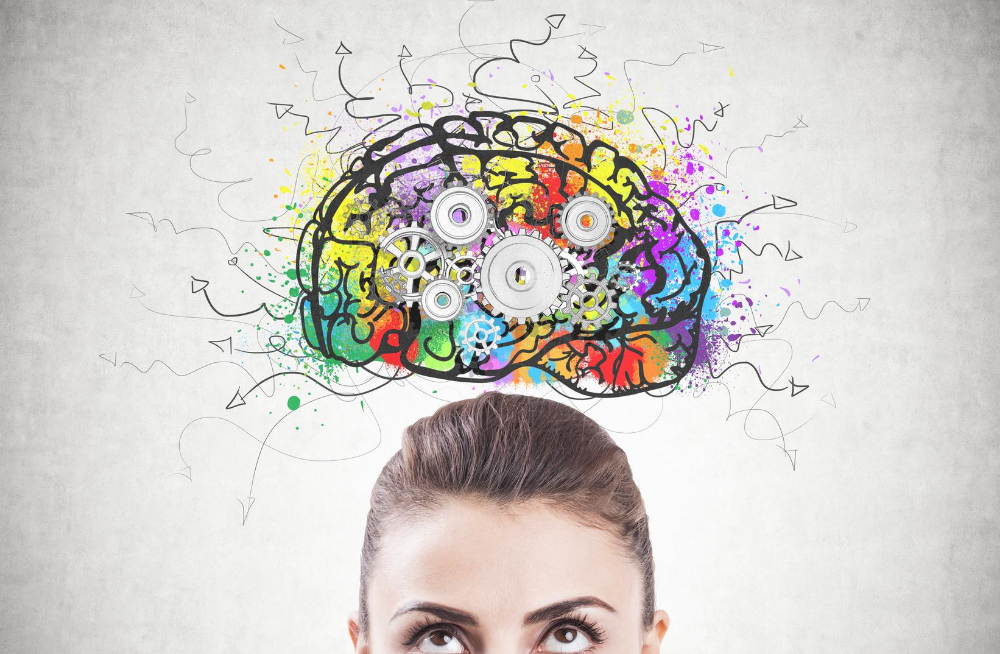
Things like feeling fuzzy in the brain or not feeling sharp in your thinking can feel normal. But that fogginess is not meant to be there. The brain is very complicated and brain fog can be linked to your lifestyle, medication, or conditions you didn’t even know about. Sometimes, brain fog and fatigue can be a sign that you need to make a change in your lifestyle. What is Brain Fog and Mental Fatigue?
Brain fog may be described as a feeling of mental confusion or lack of mental clarity. Brain fog can feel like a cloud is covering your brain and it reduces your ability to think clearly. It can cause a person to have a reduction of clear thinking, trouble concentrating, slower thinking, forgetfulness, or a haziness in thought processes.
Technically, brain fog is not classified as a diagnosis. Instead, brain fog describes a series of symptoms. Brain fog is also referred to as brain fatigue or mental fatigue. In general, brain fog is used to describe mild to moderate issues with concentration, focus, memory, and other cognitive functions. When you just don’t feel like yourself and struggle to think clearly, your brain can feel fuzzy.
At one point or another, everyone experiences brain fog. Maybe it slipped your mind where you put the keys, or you forgot to go to the grocery store on the way home. But, when you experience brain fog daily, it could signify a deeper issue. It’s important to take a holistic approach to brain fog. This means looking at the problem as a whole and finding the cause of the problem.
The problem with consistent brain fog is that it can start to really interfere with your life. You’re struggling to focus at work, your short-term memory is playing games with you, and your productivity can take a real hit. Here are eight ways to help eliminate brain fog:
> Get plenty of sleep
Manage stress
Drink plenty of water
Exercise regularly
Eat a balanced diet
Try brain-boosting supplements
Stretch your brain muscles
Test for food allergies
Brain Fog Causes and Symptoms
There is no one main reason why a person may experience problems with concentration, focus, and memory. Even though it can interfere with your life, it doesn’t need to be permanent. There are several reasons why brain fog may occur. Once you have a better understanding of the underlying causes, you can begin to fix the issue. Possible causes of brain fog include:
Fatigue
Low Blood Sugar
Stress
Hormonal changes such as menopause, pregnancy, and birth control
Health conditions
Vitamin deficiencies
Inflammation
Certain medicines
Food intolerances and allergies
As brain fog is not a medical disorder, you may only notice it when you experience a cluster of symptoms. Forgetfulness
Difficulty concentrating Poor memory Irritability and lack of patience Confusion Anxiety and depression Mental fatigue 8 Natural Remedies for Brain Fog > Get Plenty of Sleep Consistently getting less than seven to eight hours of sleep every night can drain your memory and ability to concentrate. Good and consistent sleep is at the core of good health. During sleep, the body eliminates toxins that had been brought on by stress and anxiety from throughout the day. When you get plenty of sleep, it allows your brain to rest and recover, so that you can function at your best when you’re awake.Sleeping is not only important for your brain health and mental clarity, but it also provides you with energy and supports several functions throughout the body. If you struggle to fall and stay asleep like millions of other Americans, there are a few things you can do to help you sleep better like creating a bedtime routine and having a caffeine cut-off time. 2. Manage Stress Mental stress can lead to an increase in cortisol in the body. Cortisol is a stress hormone that your body produces to help you combat a stressful situation. When stress hormones are activated it can impair working memory, concentration, and other physiological changes that can lead to brain fog.A natural way to help clear up brain fog is to manage your stress levels. Taking the time for self-care and knowing your limitations can be useful in managing stress. Things like regular exercise, yoga, taking a bath, and coloring are all useful in reducing stress and feeling more in control. 3. Drink More Water Just like sleep, proper hydration is key to mental clarity. A lot of people are guilty of not drinking enough water. It’s easy to forget to drink enough water throughout the day. If you feel sluggish or foggy during the day, dehydration may be the culprit.One of the most well-known causes of brain fog is dehydration . A simple fix is to monitor your water intake and try to hit your daily water target. Set a reminder on your phone to drink every hour and keep your reusable water bottle with you at all times. 4. Exercise Regularly Exercise can do wonders for your physical and mental well-being. Healthy, regular exercise can lower inflammation, help you get better sleep, and lower stress levels. Sedentary lifestyles often put you at a higher risk of developing neurodegenerative disorders like Alzheimer’s disease or even more mild cases of decreased cognitive function. Research shows that increased activity levels are associated with sharper mental clarity. Whether it’s walking, running, or playing tennis, try to engage in some sort of physical activity every day. It not only benefits you short-term, but it will pay off in the long run. 5. Eat a Balanced Diet What you put into your body affects how your brain works. A diet high in processed foods and sugar is not good for your body or your brain. Many foods that are advertised as “low sugar” or “low fat” are often packed with preservatives, additives, and excess salt. […]
Learn to read faster and improve your memory for under £10

TL;DR: The Become a SuperLearner: Speed Reading and Memory course is on sale for £7.91 as of July 24, saving you 94% on list price.
You know how they say people only use 10% of their brain? Yeah, it turns out, that’s total rubbish.
We absolutely use most of our brain, almost all of the time. And there’s no magic key that unlocks an unused, possibly telekinetic reserve of mental power. There is, however, a set of techniques that can help you use your brain power faster and more effectively.
It’s called the Become a SuperLearner: Speed Reading and Memory course, and while it won’t help you levitate objects with your mind, it can elevate the way you learn, work, and play. This revised and expanded edition of the original SuperLearner course takes students on a journey through the human brain, with over 62 lectures and five hours of content.
You’ll start by learning about cognitive functions; getting the neurological lay of the land. Then you’ll learn how to leverage your brain’s natural inclinations in order to memorise more information, and retain it for longer. Building off of that, you’ll discover the keys to speed reading — not just skimming but actually comprehending the content and committing it to memory. Together, these new skills allow you to tear through your reading list, hone your rate of recall, and even learn new languages with ease.
Can this training turn you into a genius? That’s yet to be seen, but it’s certainly a smart move to buy lifetime access — SuperLearner is available for only £7.91 after a 94% discount off the original price. Become a SuperLearner: Speed Reading and Memory — £7.91 (94% off) See Details
Sleep hygiene Key steps for a sound sleep

Sleep is a vital component of the daily routine which has a direct impact on our overall wellbeing and longevity. A better night’s sleep allows one to restore the equilibrium of his or her body by helping to reset and fine tune the normal functioning of the systems. Not only does it help to boost one’s physical and psychological strength adequate sleep aids in maintaining immune functions and wound healing, correcting metabolic and hormonal glitches of the body, consolidation of memory as well as in preservation of our emotional stability.
Science behind sleep
Sleep and wakefulness are controlled by two systems; the sleep drive and the circadian rhythm of the body or the ‘biological clock’ functions in a 24 hour recurring rhythm. The sleep drive decides on the quantity and intensity of sleep that you might need based on the hours you have stayed up. A chemical known as Adenosine is produced and added up into the body while we are awake – rising levels of this compound increases the sleep drive. The biological clock is often affected by environmental cues such as light and darkness. This circadian rhythm controls the release of several chemicals to your system to a rhythm. Melatonin is such a hormone that signals the body to prepare for bedtime. One would end up having trouble falling asleep or staying asleep when the rhythm of the biological clock is out of sync and these chemicals are in imbalance.
Lack of sleep and health risks
Sleep related problems are a marginalised entity in the field of medicine and most people would opt to seek medical advice only when these issues impose a significant negative impact on their day to day lives. Sleep deprivation can make one prone to medical conditions such as obesity, diabetes and heart disease and precipitate psychiatric conditions such as depression and substance abuse. Excessive sleepiness along with reduced alertness has also led to a marked increase in automobile accidents and occupational injury. Poor sleep and drowsiness increase the chance of falls and fractures in the elderly population. An adult needs an average of at least 7 hours of sleep in order to maintain optimum functioning of the body Sleep hygiene
Sleep disturbances can be efficiently managed by means of behavioural regimes combined with the treatment of any underlying condition. Sleep hygiene refers to such behavioural and environmental factors preceding sleep that improves the ability to fall asleep and stay asleep. The term ‘sleep hygiene’ was coined decades back after understanding the link between insomnia and poor sleep habits. These minor lifestyle and environmental modifications could drastically improve the quality of one’s sleep.
Consistent sleep schedule
The need for sleep may vary across age groups and get impacted by one’s lifestyle – yet studies have shown that an adult needs an average of at least 7 hours of sleep in order to maintain optimum functioning of the body. Have a set time to go to bed and wake up in the morning – sticking to consistent sleep hours would programme the brain in such a way to help in smooth functioning of the biological clock. Fight brain clutter
Stressful lifestyles along with constant ruminations and agitation can push one into a sleepless void. Having a clear mind without any distractions is a necessity in order to get a sound sleep. Carrying out relaxation or breathing exercises, listening to gentle hypnotic music, reading a book or even trying out light yoga stretches can help one to ease out their tensions to ensure a good quality sleep.
Manage the light and electronics
Bright lights emitting from lamps and electronics can reduce both length and restorative depth of sleep since it can interfere with the release of Melatonin, which is considered as the sleep-inducing hormone of the body. It is also essential that one gets adequate exposure to natural light during the day. Dimming the lights of the room and avoiding use of electronic devices such as mobile phones and laptops at least 30 minutes prior to sleep would aid to maintain a healthy sleep-wake cycle.
Watch what you eat and drink before bed
Having heavy meals rich with fats and spices just before nap time could trigger indigestion and heartburns for some people; which would indefinitely disrupt their sleep hours. Alcohol can alter the natural flow of sleep and cause one to have a much restless sleep and wake up feeling fatigued. It is also necessary to steer clear of any stimulants such as caffeinated drinks at least 6 hours prior to bedtime which would otherwise leave you wide awake at night. Milk products contain Tryptophan – which is considered as a sleep inducing amino acid and having a warm glass of milk just before bedtime can be a comforting way to unwind before sleep.
Cues for a sound sleep
Restricting day time naps could also help one to drift off to sleep without much effort at night. However, a short nap of 20 to 30 minutes can help to improve the mood and alertness during the day. Sleep environment also plays a huge role in determining the length and depth of one’s sleep. Studies have shown that getting to sleep in a quiet and dark bedroom with a cool and comfortable temperature could help one to have a much relaxing sleep. A warm bath just before bedtime could also help your body to reach a temperature ideal for resting. Having a regular exercise routine during day time also creates a substantial effect to get a good quality sleep.
Improves quality of your life
Getting proper sleep can immeasurably make your life better. Your routine to maintain proper sleep hygiene depends on what works for you and it is essential to stick to such practices to help you unwind before bedtime. It is advised to seek medical attention if your sleep related problems persist despite these behavioral and environmental changes in order to manage any underlying […]
Top 7 Effective Natural Treatments for Alzheimer Disease
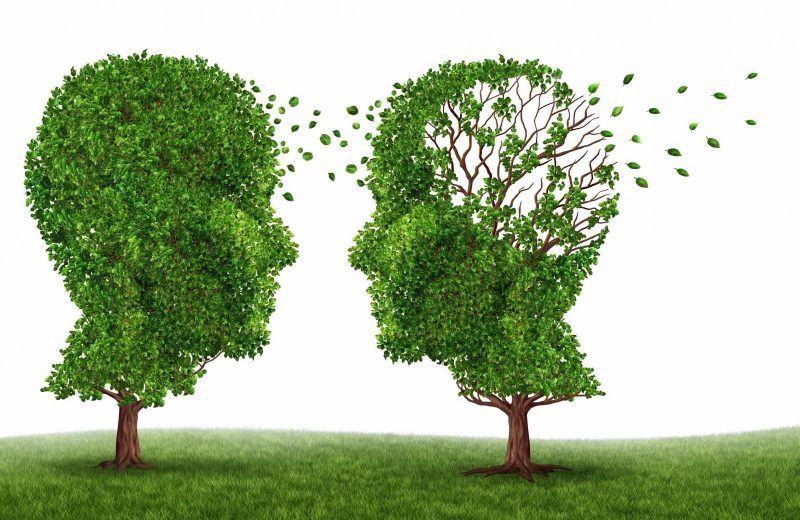
Alzheimer’s Disease: Overview
Alzheimer disease (AD) is a chronic neurodegenerative disease can be categorized under the umbrella term ‘Dementia’ — that is, a group of conditions which has a notable effect on mental cognitive tasks. Like memory and reasoning. Some time-tested natural treatments for Alzheimer disease can be very effective in managing the symptoms of the disease.
Alzheimer disease is a slowly progressive disease of the brain. It accounts for approximately 60-70% of the cases of Dementia. It is essentially characterized by impairment of memory. It ultimately causes problems in language (speaking/writing), perception, reasoning, and planning.
Like other conditions categorized under Dementia, Alzheimer disease is a neurodegenerative condition resulting from ‘brain cell death.’ In other words, Alzheimer’s disease is marked by progressive brain cell death which occurs over a period of time. The disease generally starts slowly and gets worse with time.
In Alzheimer disease, the total size of the brain shrinks gradually. With the tissue having progressively fewer nerve cells and connections. According to scientists, the chief cause of Alzheimer’s disease is nerve cell death which is a result of an increase in the production or build-up of ‘beta-amyloid protein’ in the brain. Sign and Symptoms of Alzheimer Diseases
The most common indication of the occurrence of Alzheimer’s disease in the initial stage is short-term memory loss. Difficulty in remembering recent events. Slowly, with the advancement of the disease, the sufferers start having difficulties with language. Along with mood swings, disorientation, problems in performing familiar tasks, depression, loss of motivation, behavioral problems, vision problems, and inability to manage self-care.
A further deterioration in the condition generally leads to loss of interest in day-to-day activities and withdrawal from the family and the society. Eventually, the sufferers lose control over their bodily functions, and the condition finally leads to death.
In nearly one-third of the cases, the risk of the disease is believed to be genetic. Besides genetics, some of the other risk factors for the disease include hypertension, depression, or head injuries in the past. The progression of the disease is linked to plaques and tangles in the brain. Top 7 Natural Treatments for Alzheimer Disease
For managing it, a combination of medications and non-medication based treatments is used. The progression of Alzheimer disease cannot be stopped or reversed. It is believed that the risk can possibly be decreased if an individual performs mental exercises, remains physically active and controls his/her weight to avoid becoming obese. 1. Seeds Containing Lots of Essential Nutrients
The intake of certain seeds such as sesame seeds, pumpkin seeds and sunflower seeds. It is one of the most effective natural treatments for the management of Alzheimer’s disease. These seeds are abundant in essential nutrients. Which can support the proper functioning of the brain cells and enhance an individual’s cognitive capabilities.
People at risk of or suffering from Alzheimer’s disease should regularly consume these seeds with water. Alternatively, around one teaspoon each of powdered sesame, pumpkin and sunflower seeds should be mixed in milk and taken daily. 2. Turmeric
Turmeric is a common household spice. It contains a wonderful antioxidant and anti-inflammatory compound called ‘Curcumin’ which is known for its ability to boost brain tissues. Curcumin apparently slows the progression of Alzheimer’s disease by reducing the number of plaques in the brain. Furthermore, it can also prevent the accumulation and clumping of beta-amyloid protein in the brain.
For managing Alzheimer, half teaspoon of turmeric should be added to a glass of warm milk and taken every night. 3. Ashwagandha Herb
The Ashwagandha herb ( Withania somnifera ) is widely used in herbal formulations prepared for treating brain-related conditions. This herb is widely known for its capability to provide nutrition to brain cells.
Herbal products prepared from the Ashwagandha herb can be very helpful in the effective management of Alzheimer’s disease. Alternatively, as a home remedy, one teaspoon of dried powder of Ashwagandha herb can be added to a glass of warm milk and taken on a daily basis. 4. Gotukola Herb
The Gotukola herb ( Centella asiatica ) is also one of the most beneficial natural treatments for Alzheimer. This herb can enhance memory, improve blood circulation, support the metabolism of the body, and maintain a healthy brain.
Gotukola herb can either be taken in the form of herbal formulation or dried powder. 500mg of dried powder of Gotukola should be consumed with water, two times a day. 5. Sesame Oil
The regular use of sesame oil can also provide desired results for managing the disease. The benefits of sesame oil are recognized by the practitioners of Ayurveda since olden times. This oil is especially beneficial in managing depression and Alzheimer disease.
For best results, a small quantity of warmed sesame oil should be rubbed on the top of the head and bottoms of the feet. Alternatively, warmed sesame oil can also be used as nose drops 2-3 drops per nostril, two times a day. 6. Green Leafy Vegetables
Adding dark green leafy vegetables — like Spinach, kale, swiss chard, etc. — to daily diet can also be beneficial in managing Alzheimer. These vegetables can stimulate the cognitive function because of the presence of abundant amounts of folic acid. 7. Fatty Acids
The intake of fatty acids is also excellent for healthy brain functioning. Fatty acids are often called ‘brain foods,’. They are present in high amounts in fish. Fish should be added to the diet of Alzheimer’s patients at least two times a week. The best choices in fish for Alzheimer’s patients are salmon, sardines, light tuna, lake trout, and anchovies.
Conclusion : The above-mentioned natural treatments for Alzheimer’s disease are effective remedies. On the whole, research has revealed that Vitamin C, Vitamin E, beta-carotene and other natural antioxidants can be helpful. They scavenge free radicals which are generated during the start and gradual progression of A lzheimer disease .
Read More :
Research Roundup: Global methane emissions at all-time high, neuronal pathway prevents relapse, possible drug target to help fight infectious diseases

Our roundup this week highlights research that found global methane emissions have reached an all-time high, with the planet absorbing nearly 600 million tons of methane emissions in 2017. (Photo: Unsplash) Each week, The Daily’s Science & Tech section produces a roundup of the most exciting and influential research happening on campus or otherwise related to Stanford. Here’s our digest for the week of July 12 – July 18.
Global methane emissions reach an all-time high
The global methane emissions have reached an all-time high, despite carbon dioxide emissions temporarily dropping due to the coronavirus pandemic, a study published on July 14 in “Earth System Science Data” and “Environmental Research Letters” found.
“We still haven’t turned the corner on methane,” earth system science professor Rob Jackson told Stanford News. “Emissions from cattle and other ruminants are almost as large as those from the fossil fuel industry for methane. People joke about burping cows without realizing how big the source really is.”
The team analyzed emissions from 2017, the most recent year from which complete global methane data is available, and found that the atmosphere absorbed almost 600 million tons of methane. Methane traps heat more powerfully than carbon dioxide.
The findings suggest agriculture made up two-thirds of methane emissions between 2000 to 2017, with fossil fuel making up the final third.
“We’ll need to eat less meat and reduce emissions associated with cattle and rice farming and replace oil and natural gas in our cars and homes,” Jackson told Stanford News. “I’m optimistic that, in the next five years, we’ll make real progress in that area.”
Neuronal pathway prevents drug relapse in mice
Disrupting a neuronal pathway that causes opiate-associated memories in mice prevents drug relapse and has the potential to treat opioid addiction in patients, a study published on July 16 in “Neuron” found.
“The most difficult part of treating addiction is to prevent relapse, especially for opioids,” biology associate professor Xiaoke Chen told Stanford News. “To prevent relapse, we really need to deal with the withdrawal.”
The findings suggest when the researchers silenced the paraventricular thalamus in morphine-dependent mice, the mice no longer preferentially chose morphine over the drug-free saline solution. Through disrupting this neural pathway, researchers found that the animals had no memory of the effects of the drug. Paraventricular thalamus is a brain region that connects many different brain areas associated with drug addiction.
“Drugs as a stimulus can drive a very robust behavior,” Chen told Stanford News. “I want to understand the mechanism underlying that behavior and hope that this knowledge can help address the devastating opioid epidemic in the U.S.”
Molecular signal, a possible drug target, allows virus-infected cells to evade immune system
Blocking CD47, a molecular signal, in virus-infected cells allows the immune system to target infected cells, a study published on June 23 in “mBio” found. Decreasing CD47 may help the body fight infectious disease, serving as a potential drug target.
Cancer cells also increase their CD47 signaling to evade immune system attack.
“We wondered whether the mechanism activated by all cancer cells to avoid being destroyed could also be used by persistent infections, so that the microbes can hide inside cells to evade immune cells,” pathology stem cell and developmental biology professor Irving Weissman M.D. ’65 told Stanford Medicine News. “Amazingly, we found that to be true, and blocking the CD47 signal helped the body get rid of more infected cells.”
The findings suggest mice and humans cells infected by pathogens show increased expression of the CD47 molecular signal. Additionally, the team found that mice without the gene for CD47 were more resistant to tuberculosis-causing bacteria than control mice.
Infected cells with SARS-CoV-2 — the virus that causes COVID-19 — also produce increased CD47 signaling, so treatments that block CD47 production could potentially be used in coronavirus patients.
“It’s probably important for the innate immune system to have a balance of activating and suppressing forces, but we showed that if we play with that balance a little bit, we can clear some pathogens faster,” Michal Tal, an instructor at the Institute for Stem Cell Biology and Regenerative Medicine, told Stanford Medicine News. “In some cases, it might be better to ease up on this particular immunological brake by blocking CD47.”
Contact Derek Chen at derekc8 ‘at’ stanford.edu.
Researchers identify subject-specific component to perceptual learning ability
IMAGE: A. Illustration of seven training tasks used in the experiment; B. average learning curves for each task; C. weights of contributed factors from the multivariate regression model; D. LASSO regression… view more Credit: Prof. HUANG’s Group Developing expertise usually requires a variety of skills, and some people can become experts while others can’t. Common practice in perceptual learning research has treated ubiquitous individual learning differences as random fluctuations or noise and made inferences based on aggregated data from multiple subjects.
Recent research, however, is paying more attention to individual learning differences.
For example, accumulating evidence suggests that individual differences reflect genetic and/or environmental influences on human behavior and can even be predicted from brain structure and neural activity. Nevertheless, researchers have been uncertain whether or not individual differences in perceptual learning reflect a consistent individual variability in learning ability across multiple perceptual learning tasks.
A new Chinese study has begun to answer this question.
Ph.D. candidate YANG Jia and her colleagues, under the guidance of Prof. HUANG Changbing from the Institute of Psychology of the Chinese Academy of Sciences (CAS), and LU Zhonglin from New York University (NYU) and NYU Shanghai recently collected and analyzed data from a large sample of subjects in seven visual, auditory and working memory training tasks.
They established a multivariate regression model and showed that initial performance, task, and individual differences all contributed significantly to the learning rates across the tasks.
Most importantly, they were able to identify both a task-specific but subject-invariant component of learning and a subject-specific but task-invariant perceptual learning ability. An additional least absolute shrinkage and selection operator (LASSO) regression analysis revealed that a number of personality traits, including intelligence quotient, extraversion, and neuroticism, made significant contributions to individual differences.
These findings reveal the multifaceted nature of perceptual learning and provide strong evidence for the existence of a consistent pattern of individual differences across multiple training tasks, suggesting that individual differences in perceptual learning are not “noise”; rather, they reflect variability in learning ability across individuals.
“These results could have important implications for selecting potential trainees in occupations that require perceptual expertise and designing better training protocols to improve the efficiency of clinical rehabilitation,” said YANG.
###
This study, entitled “General learning ability in perceptual learning,” was published online in PNAS on July 21.
It was funded by the National Key Research and Development Program of China, the Scientific Instrument Development Project of CAS, the Natural Science Foundation of China, the Scientific Foundation of the Institute of Psychology of CAS, the China Postdoctoral Science Foundation, and the U.S. National Eye Institute.
Disclaimer: AAAS and EurekAlert! are not responsible for the accuracy of news releases posted to EurekAlert! by contributing institutions or for the use of any information through the EurekAlert system.
Caffeine alternatives to give you an energy boost

If you’ve been feeling sluggish, consider these healthy coffee substitutes. Lately, many of us have had to press pause on the activities that keep us active and energised. Spending more time indoors may make us more prone to feeling sluggish, and more likely to reach for an afternoon coffee.
But there are healthy alternatives to caffeine that can give you the energy boost you crave along with some other unexpected health benefits. Maca
This plant originates from Peru and was originally used to enhance sex drive, stamina and fertility. It has increased in popularity, and is thought to enhance mental focus , support adrenal function and fight off fatigue . Maca can be taken either as a supplement or in powdered form, which can be drunk in a smoothie or heated with milk as an alternative to your morning coffee. Peppermint tea
Peppermint tea has been shown to help support brain oxygen concentration and exercise performance. It can also help to improve digestion, boost your immune system and assist weight loss by reducing appetite. Fresh mint, tea and peppermint essential oil all have similar benefits. B vitamins
Deficiencies in B vitamins such as nicotinamide riboside can cause fatigue , mood problems and make it harder to concentrate. Nicotinamide riboside (NR) , a type of vitamin B3, can be converted by our bodies into a coenzyme called nicotinamide adenine dinucleotide (NAD+). This coenzyme is essential to the healthy function of all living cells and in maintaining a healthy metabolism. Vitamin B can be found it both supplements and foods including nuts, lean meat, fortified grains and seeds. Carob
Packed with nutrients, protein, carbohydrates and vitamins A and B, this caffeine-free chocolate substitute is actually a part of the legume family. The high amount of pinitol in carob has an insulin-like effect on the body, giving it a natural energy boost. Not only can it be used as a natural sweetener in a hot chocolate or smoothie, but it also offers digestive benefits . Nuts
If you need a quick pick-me-up, a handful of nuts is a great healthy go-to. One study found that regularly eating nuts improved brainwave frequencies associated with cognition. Because nuts contain carbohydrates, protein and healthy fats, your blood sugar levels stay balanced, meaning you get the energy boost without the spike and fall you’d get when eating sugar or drinking coffee. While most nuts are high in healthy fats and a are great source of energy, some have different benefits. Walnuts, for example, are packed with antioxidants and have been shown to benefit memory and learning skills . Cordyceps
Cordyceps are thought to help the body deliver energy to the muscles, have anti-ageing properties, reduce fatigue, boost strength and sex drive, benefit heart health and fight inflammation.
If you have a light stomach, it may be best not to image search cordyceps. It is actually a family of parasitic fungi that attack the larvae of insects, growing long slender ‘stems’ from the host’s body. In order to gain the multiple health benefits of cordyceps, it may be best not to think about where they’ve come from. Ginseng
Used in traditional Chinese medicine , ginseng is thought to help replenish energy levels. It has been adopted by many modern energy drink companies as an ingredient. It is thought to sharpen the mind and improve endurance, memory and concentration.
Ginseng can be taken as a supplement or in its more popular tea form. It’s important to read the dosage instructions before use.
Have you found yourself feeling more sluggish or fatigued than normal? Would you swap a cup of coffee for one of these alternatives?
If you enjoy our content, don’t keep it to yourself. Share our free eNews with your friends and encourage them to sign up .
Vitamin link to virus death rate
Disclaimer: This article contains general information about health issues and is not advice. For health advice, consult your medical practitioner.
Busting the myths around menopause

Edward Cisneros,Unsplash
Shrouded in social discomfort, the perception of menopause is framed by our culture. Understanding menopause better can help you create a more positive, empowered experience.
As menopause approaches, it can bring with it the same sense of the unknown felt at puberty. What’s going to happen to my body? Is what I’m experiencing normal? If you’re feeling unsure about what to expect, you’re not alone.
Given half the population journey through this natural biological stage, surprisingly little is known about it, remarks Dr Nicola Gates, clinical neuropsychologist at Brain and Mind Psychology, Sydney and author of The Feel Good Guide to Menopause .
“Society’s always been uncomfortable with women’s reproductive sexual health,” Gates says, citing the furore over TV sanitary pad adverts. Menopause also has the double-edged sword of being associated with ageing.
Simply defining menopause is confusing. Technically speaking, it refers to the permanent end of menstruation. Due to the irregularity of a woman’s cycle in the lead-up to this event, you’re considered to have reached menopause retrospectively 12 months after your final period, explains naturopath Ruth Trickey in Women, Hormones and the Menstrual Cycle . While menopause can occur for some in their early 40s or late 50s, it’s most typical between 45 and 55. A whole lot more happens before and after that! “Around our mid-40s, a women’s oestrogen levels start to gradually diminish to become that of a man,” Gates explains. “Puberty is the increase in sexual reproductive hormones, menopause is the gradual diminishment of them. You’re going from a high dose to support fertility to this low dose that supports normal body and brain function. All our body systems have to adjust, and that’s why we get these symptoms in menopause.”
Because menopause, perimenopause and postmenopause are so arbitrary, Gates prefers the term “menopause transition” to encompass the entire time you’re impacted with symptoms. Menopause starts around 50, and symptoms go for one to two years
In Australia, the average age of menopause is 51, Gates says. While menopause can occur for some in their early 40s or late 50s, it’s most typical between 45 and 55. For many women, menopause occurs prematurely as the result of a medical procedure or health issue.
Most women underestimate the length of the menopause transition. Four years is the average length; however, symptoms can last much longer than previously thought — up to 10 years or more, according to the British Journal of Family Medicine .
The average age of menopause varies between cultures. For example, Mayan women have been reported to experience menopause around 45 years of age. My body no longer makes oestrogen
In menopause, your ovaries cease producing oestrogen. However, your adrenal glands continue to make the hormone, Gates says. Fat tissue also produces some oestrogen. But as your ovaries produce the lion’s share, the levels drop significantly. Hot flushes are the most common symptom
Yes, you got it. About 60 per cent of Australian women experience hot flushes, Gates says.
Di Wallace, a naturopath and natural health and support service manager at the Australian Menopause Centre, says other common symptoms include night sweats, poor sleep, headaches and fluid retention. “The list of symptoms is massive,” she says. “And poor sleep exacerbates everything else.” I’m going to gain weight
While not inevitable, weight gain is one of the biggest complaints voiced by women experiencing menopause, Wallace says. “During menopause, metabolism changes dramatically. Many menopausal women try to flog themselves harder with exercise and grow frustrated they’re not losing weight. It’s not working because their body is going through a shift.”
The bigger picture is that often there’s a lot going on at this time, she says. “Maybe, because they’re tired, they stop exercising. They’re getting hot flushes, cranky and exhausted, it’s a whole encompassing experience, and for some women it really rocks their world. They may use the coping mechanisms, like food and wine, that used to work.” On top of that, women are also carrying more weight than 10 years ago, she adds. Menopause is a health disorder
In The Feel Good Guide To Menopause , Gates reveals how historical domination of the state, religion and medicine by males has shaped the treatment of menopause as a disease.
When Australian university researchers asked four focus groups of women aged 40–64 years for their opinion, they found most viewed menopause as a natural progression. They believed society’s view on menopause and ageing to be mostly negative, low-profile and in need of change. Furthermore, they wanted minimal interference in terms of treatment, and favoured lifestyle therapies such as yoga, exercise and meditation. They also attributed much of their stress to lifestyle factors. Menopause equals declining health
Postmenopausal women do have an increased risk of health issues, including osteoporosis, stroke, cardiovascular problems and diabetes, linked to loss of the protective benefits provided by oestrogen, Gates says.
Obscuring the issue is the natural ageing process and the fact midlife women can have a lot going on. “It’s easy to misattribute things to menopause because it’s such a big change in your life,” Gates says. “What tends to happen is that other health issues are often exacerbated by menopause.” I’m getting dementia
Gates says women in menopause commonly report cognitive difficulties, like brain fog, memory and word-finding problems. This can lead some to fear they’re developing dementia.
“Oestrogen plays a role in memory and brain metabolism,” she explains. “So brain fog is a common symptom experienced by women when they don’t have their normal hormone load. They can lose their usual emotional equilibrium too, because oestrogen and progesterone support normal, healthy positive mood.” A research review by Dr Gail Greendale and colleagues suggests cognitive symptoms tend to resolve themselves postmenopause.
Stress and fatigue also tax our mental abilities and emotions. “Women of our generation have a lot more on our plates than those of previous generations,” Gates reminds us. It’s all downhill for my sex life
On the upside, you can enjoy sex free of the inconvenient monthlies and […]
Melatonin Inhibits COVID-19-induced Cytokine Storm by Reversing Aerobic Glycolysis in Immune Cells: A Mechanistic Analysis
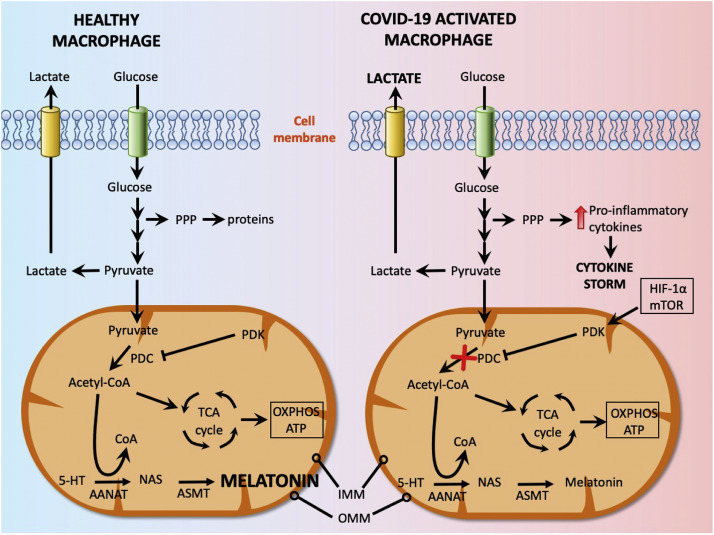
The pathogenesis of a COVID-19 respiratory infection, in a major way, is related to what is referred to as the cytokine storm [cytokine storm syndrome (CSS, hypercytokinemia, etc.], i.e., it is a hyper-inflammatory response. During this response, an explosive production of proinflammatory cytokines such as TNF-α IL-1β, and others occurs, greatly exaggerating the generation of molecule-damaging reactive oxygen species (free radicals) [ 1 ]. In severe cases, the cytokine storm is responsible for the most obvious signs of a COVID-19 infection including fever, lung injury which causes cough and shortness of breath (and the long-term complication, lung fibrosis) and in death.
A causative factor related to the hyper-inflammatory state of immune cells is their ability to dramatically change their metabolism. Similar to cancer cells in many solid tumors, immune cells such as macrophages/monocytes under inflammatory conditions abandon mitochondrial oxidative phosphorylation for ATP production in favor of cytosolic aerobic glycolysis (also known as the Warburg effect) [ 2 ]. This switch is driven by the transcription factor HIF-1α (hypoxia inducible factor-1α) and the serine/threonine kinase, mTOR (mammalian target of rapamycin) and other proteins The change to aerobic glycolysis allows immune cells to become highly phagocytic, accelerate ATP production, intensify their oxidative burst and to provide the abundant metabolic precursors required for enhanced cellular proliferation and increased synthesis and release of cytokines ( Fig. 1 ).
Fig. 1
This figure illustrates the differential glucose metabolism in a healthy macrophage and in a COVID-19-activated macrophage. In a healthy macrophage, pyruvate, a glucose metabolite, enters the mitochondria where it is enzymatically converted to acetyl-coenzyme A by the enzyme pyruvate dehydrogenase complex (PDC). Acetyl-coenzyme A feeds the tricarboxylic acid cycle (TCA) and supports oxidative phosphorylation (OXPHOS). Additionally, acetyl-coenzyme A is an essential co-factor/substrate for the rate limiting enzyme in melatonin synthesis, arylalkylamine N-acetyltransferase (AANAT). This allows for melatonin to be regularly produced in healthy macrophages; melatonin functions intracellularly and is released into the cellular microenvironment, but not into the blood. In COVID-19-activated mitochondria, via HIF-1α, mTOR, etc., the enzyme pyruvate dehydrogenase kinase (PDK) is strongly upregulated and inhibits PDC (red X). Thus, acetyl-coenzyme A is not synthesized and mitochondrial OXPHOS falters with ATP synthesis occurring in the cytosol via aerobic glycolysis (Warburg effect). Similarly, mitochondrial melatonin production is shut down so the cell is deprived of an essential antioxidant, anti-inflammatory agent and of an immune-enhancer so the elevated synthesis of proinflammatory cytokines goes uncontested and the cytokine storm is a result. 5-HT = serotonin; ASMT = acetylserotonin methyltransferase; CoA = coenzyme A; IMM = inner mitochondrial membrane; HIF-1α = hypoxia inducible factor-1α; mTOR = mammalian target of rapamycin; NAS = N-acetylserotonin; OMM = outer mitochondrial membrane; PPP = pentose phosphate pathway.
A number of drugs have been proposed as treatments to prevent or reduce the severity of a COVID-19 infection. One agent that has been suggested to be potentially useful in this regard is the endogenously synthesized molecule, melatonin [ [3] , [4] , [5] , [6] , [7] ]. Melatonin was initially discovered in and thought to be exclusively a product of the vertebrate pineal gland. However, in consideration of the identification of melatonin in prokaryotic bacteria [ 8 ], from which mitochondria evolved (the endosymbiotic theory) and the uncommonly high levels of assayable melatonin in mitochondria [ 9 ], it was speculated and eventually documented that this indoleamine is synthesized in this organelle [ 10 ]. Given that most cells (a few exceptions) contain mitochondria, it is now believed that melatonin production occurs in most cells in all organisms. This has also been specifically demonstrated in human lung monocytes/macrophages [ 11 ].
In healthy cells, including macrophages, melatonin synthesis in mitochondria is maintained by the entrance of pyruvate, a glucose metabolite, into the mitochondria where it is metabolized to acetyl-coenzyme A by the enzyme, pyruvate dehydrogenase complex (PDC). Acetyl-coenzyme A feeds the citric acid cycle and supports ATP synthesis, but it is also a required co-factor/substrate for the rate limiting enzyme in melatonin synthesis, arylalkylamine N-acetyltransferase (AANAT) ( Fig. 1 ). Thus, when mitochondria adopt aerobic glycolysis, pyruvate in mitochondria is no longer converted to acetyl-coenzyme A because PDC is inhibited by the enzyme pyruvate dehydrogenase kinase (PDK); Therefore, as a consequence of a COVID-19 infection the macrophage mitochondria cannot synthesize melatonin [ 12 ].
Because of melatonin’s potent antioxidant and anti-inflammatory activities, it would normally reduce the highly proinflammatory cytokine storm and neutralize the generated free radicals thereby preserving cellular integrity and preventing lung damage. In the absence of acetyl-coenzyme A, mitochondrial melatonin is no longer available to combat the inflammatory response or to neutralize the generated reactive oxygen species and the massive damage that occurs in the respiratory tree resulting in the primary signs of COVID-19 disease. Importantly, endogenous melatonin production diminishes markedly with age especially in frail older individuals. This is consistent with the more serious nature of a COVID-19 infection in the elderly.
Aerobic glycolysis is an important feature of highly proinflammatory state since it ensures the necessary high levels of ATP and the abundant supply of biomolecules to ensure synthesis and release of the damaging molecules that constitute the cytokine storm. This increased aerobic glycolysis coupled with the absence of locally-produced melatonin provides the optimal environment (the perfect “cytokine storm”) for the massive tissue damage that occurs in COVID-19 disease.
Given the above information, the use of supplemental melatonin as a treatment to overcome a COVID-19 infection is justified. Exogenously administered melatonin reverses aerobic glycolysis by repressing both HIF-1α and mTOR thereby disinhibiting PDC activity and allowing acetyl-coenzyme A synthesis which also ensures locally-produced melatonin production [ 13 ]. The functionally re-instated mitochondria-generated melatonin in combination with the parenteral melatonin provides a formidable weapon to reduce the cytokine storm as well as its damaging consequences thereby relieving the signs of a COVID-19 infection.
The anti-inflammatory and antioxidant actions of melatonin in protecting the lungs from damage in many experimental models that involve inflammation or oxidative stress (or both) is well documented [ 14 ]. Moreover, melatonin has anti-viral actions against viruses other than […]

The Power Within by Corey Daniels book available for only $2.99
Mind has both conscious and subconscious halves. These are likened to a driver and the truck he drives. The driver plans the destination and observes road conditions, while the truck provides motive power. Your subconscious mind is like the truck and it only goes in the direction in which is a steered. This can be the road or off a cliff. Likewise, the consciousness paints a picture of what the world is and what your goals are and the subconscious acts on them through emotion, physical response and energy, whether these are correct, rational images or false negative ones. The subconscious is also like an emotional reservoir which your body and mind draw responses from to external stimuli.
The Power Within lays out a method of programming your subconscious and tapping into the Holy Spirit, God voice or what the Greeks called the daimon (godman).