Nature Knows and Psionic Success
God provides
Give life a boost

If science classes taught us anything, it’s that our moods and feelings are influenced by the hormones in our body. Some hormones are known to help keep us on a happy and pleasurable high.
In fact, these hormones aren’t a mystery to us and some of it may already sound familiar to you. The four hormones responsible for keeping us feeling positive and good are dopamine, serotonin, oxytocin and endorphins.
So, how do these four happy hormones work and affect us?
Serotonin is both a hormone and a neurotransmitter, which helps regulate our mood, sleep, appetite, digestion, memory and learning ability. When serotonin levels are low or absent, we start to have a creeping feeling of loneliness and, at times, depression. This hormone flows when we feel significant or important.
Dopamine , also known as the feel-good hormone, is also a neurotransmitter that affects our brain’s reward system. As such, dopamine is linked to pleasurable sensations and a high level of the hormone helps motivate us to achieve our goals, desires and needs. When dopamine levels are low, we exhibit behaviours such as procrastination, showing low enthusiasm and being riddled with self-doubt.
Oxytocin , known famously as the love or cuddle hormone, is released when there’s physical affection like kissing, cuddling and sex. It’s an essential hormone in childbirth and breastfeeding too. The release of oxytocin helps to promote intimacy, trust, empathy and bonding in relationships.
Endorphins are actually our body’s natural pain reliever. Our body releases endorphins as a way to alleviate feelings of discomfort, perceptions of pain, anxiety and depression. Surprisingly, endorphin levels increase when we perform reward-producing tasks such as eating, exercise and laughing!
Now that we know what each hormone does, the question still remains. How do we go about maintaining our levels of happy hormones? As it turns out, our body can produce these hormone naturally by doing these activities:
1. Head outside and soak up some sun
Homebodies will sigh at this suggestion but all we really need is just a few minutes of sunshine to help produce serotonin and endorphins. Just bask in the sunlight for 10 to 15 minutes before retreating into your dark, comfortable room. Of course, you can venture out to the neighbourhood park for a while, or grab a bite to eat since you’re already out of the house.
2. Exercise
To hit the most birds with one stone, it’s best to head to the gym and work out. When we exercise regularly, the body produces endorphins, serotonin and dopamine! The legend of the ‘runner’s high’ rings true.
3. Laugh out loud Laughter is indeed the best medicine, but please be kind and not make other people the butt of your jokes. Watch a comedy show or share jokes with friends instead. Laughing can help boost dopamine and endorphin levels while also relieving feelings of anxiety and stress. When we bond with someone over something hilarious, the body produces oxytocin too!
4. Have yummy and nutritious meals
Eating a particularly delicious, or a favourite meal definitely lifts spirits up thanks to the release of dopamine and endorphins. Bonding with people we love with food? The oxytocin levels are just going to shoot up. Certain foods also help in boosting our happy hormones, such as spicy food and food containing probiotics such as yoghurt and kimchi.
5. Listen to music Have you realised that we often turn to music when we’re feeling down? Our body definitely knows what is needed to boost our spirits. Listening to tunes that we love increases our dopamine and serotonin production. We get a dose of endorphins too when we make music, dance or sing.
6. Play and cuddle with pets
We already know hugging releases oxytocin, and the same works when we hug our pets. Even better, the pets we hug and stroke also get their own boost of oxytocin levels, too. Happy owners lead to happy pets!
7. Get enough sleep
All of us know that getting enough sleep definitely improves our mood the next day. Too many late nights often lead to an imbalance of dopamine levels, which explains why we feel listless or uninspired when we wake up.
8. Break goals into tiny parts
Since dopamine affects the reward system in our brain, it’s helpful to break big tasks or goals into smaller parts. This way, we can experience tiny hits of dopamine from accomplishing each task, instead of waiting for the grand finish line. To ensure a constant flow of dopamine, create something to look forward to, such as setting new goals or rewarding yourself for finishing a task.
9. Reflect on past achievements
There are reasons why gratitude practices are popular. Reflecting on our past achievements and other happy memories help us relive the good experience. This leads to an increase of serotonin levels in the body, making us feel valued and that we have much to value in life.
10. Enjoy a massage The quickest way to boost the production of all four happy hormones in the body is to visit a spa and get a massage. Based on a 2004 research, both serotonin and dopamine levels increase after a massage which also leads to a rise in oxytocin and endorphins.
Not just for the gut: Probiotics can destroy cancer cells and prevent their spread

( Natural News ) The probiotic effects of metabolites produced by certain microbes have attracted scientific interest in recent years. Called bioactive postbiotic metabolites (PM), these compounds are said to promote gut health, relieve gastrointestinal disorders and enhance innate immunity.
Some studies have reported the anti-cancer effects of different components of bacteria like Lactobacillus gasseri and L. crispatus . In particular, scientists have noted how culture supernatants and bacterial cell extracts exhibit cytotoxicity and induce apoptosis in different types of cancer. Due to these interesting findings, researchers from Malaysia decided to test the effects of PMs from six different strains of L. plantarum on various cancer and normal cells.
In their study, which appeared in the journal BMC Complementary and Alternative Medicine , the researchers demonstrated the ability of PMs to kill malignant cancer cells without harming normal cells. They believe that these compounds have great potential as functional supplements and as adjuncts to cancer treatments. The anti-cancer activities of postbiotic metabolites
PMs are considered the “ master health-regulating compounds ” as they play regulatory roles inside the body. These compounds affect every organ system, including the brain and immune system. PMs are produced by probiotic bacteria while they break down dietary fiber from foods, and these products range from soluble or secreted factors and bacteriocins (bacterial proteins) to metabolites and cell-free supernatants.
According to studies, PMs are just as effective as live probiotics and may even be safer than them. Due to their benefits, scientists have proposed the use of PMs in the treatment and prevention of gut-related diseases, such as inflammatory bowel diseases . In the case of L. plantarum , a probiotic found widely in fermented food products, the bacteriocin-containing PMs produced by six different strains have shown growth- and health-promoting effects in rats, poultry and pigs. Hence, the researchers decided to test their effects on cancer cells.
For their study, the researchers used normal human primary cells and breast, colorectal, cervical, liver and leukemia cancer cell lines. They also used different assays to determine the toxicity of L. plantarum PMs in vitro.
The researchers reported that UL4 PM had the lowest maximum inhibitory concentration (IC50) value against breast cancer cells. Meanwhile, a PM designated as RG14 had the lowest IC50 against colorectal cancer cells. Two PMs, RG11 and RI11, had the lowest IC50 values against leukemia cells. None of the tested PMs caused hemolysis (rupture) of human, dog, rabbit and chicken red blood cells, or exhibited cytotoxicity toward normal human and animal cells.
Due to the pronounced cytotoxicity shown by UL4 PM, the researchers tested it on MCF-7 ( breast cancer ) cells. They found that UL4 PM exerted anti-proliferative effects on MCF-7 cells after 72 hours of incubation at a concentration of 30 percent (v/v). Meanwhile, RG14 PM did the same on HT-29 (colorectal cancer) cells. Further analysis revealed that the cytotoxicity of the two PMs was mediated through apoptosis.
Based on these findings, the researchers concluded that the PMs produced by six strains of L. plantarum are selectively cytotoxic to malignant cancer cells in a strain-specific and cancer cell type-specific manner. These PMs can thus be used as functional supplements and as adjuncts to cancer treatments. (Related: 2 Servings of yogurt per week reduces risk of pre-cancerous bowel growths in men .) The role of postbiotic metabolites in the human gut
The gut microbiota — the community of microorganisms that live in the human gastrointestinal tract — is important for the fermentation of insoluble fiber from food. This process, in turn, helps beneficial microbes flourish in the gut. Beneficial gut microorganisms, also called probiotics, are responsible for producing short-chain fatty acids (SCFAs), which serve as the primary source of energy for the cells that line the colon.
SCFAs, along with other PMs like anti-microbial peptides and some vitamins (B-vitamins and vitamin K), have a wide range of health-regulating functions in the body. These include regulating digestion, nutrient absorption, detoxification, immune function and gut-brain communication, among others. PMs also directly affect the composition and functioning of the human gut microbiota, as well as inhibit the growth and activity of potential pathogens .
PMs are useful natural products that can promote good health. To increase the production of these beneficial compounds by good gut bacteria, add fiber-rich foods and fermented foods to your daily diet or take probiotic supplements.
Sources include:
BMJ.com
MDPI.com
Want to give your brain *and* immune system a boost? Sip on pomegranate juice

If you think of the produce section as a treasure trove of healthy jewels, ruby-colored pomegranates are prized gems, but they’re often overlooked for bigger, more popular prizes. It’s easy to see why: they are a bit confusing. Even healthy eaters struggle with knowing how to cut a pomegranate or what the heck to do with it. If you’re unfamiliar with the fruit, pomegranates are red fruits traditionally grown in the Mediterranean region (the land of so many healthy foods). Inside, it’s full of seeds called arils, which are the main edible part of the fruit. Pomegranates are super sweet, with a slightly tart taste.
In addition to being eaten whole, enjoying the fruit in its juiced form is one of the most popular ways to consume it. You’ll often find pomegranate juice right in the refrigerated section of the produce area at the store. You can also make it yourself using fresh pomegranates by seeding the pomegranates and then blending the seeds and pulp using a blender until the consistency is smooth.
Besides being a sweet sip, there are also many benefits to pomegranate juice. Here, registered dietitian and Verywell general manager Rachel Berman, RD, explains the benefits as well as any side effects to be aware of. Plus, ideas for creative ways to sip on it at home. 9 pomegranate juice benefits that make it a delicious and healthy drink:
1. pomegranate juice is high in antioxidants.
Berman says that one of the differences between consuming pomegranate juice versus the fruit in its whole form as that you’re losing out on some of the nutrients, including fiber and vitamin A. But pomegranate’s high antioxidant content isn’t lost at all when you enjoy it as a beverage. “Pomegranate juice is a rich source of punicalagins , which are powerful antioxidants,” she says. Punicalagins have been linked to helping reduce the risk of certain types of cancer , according to scientific studies. 2. It may improve brain health
One scientific study of adults with mild memory complaints found that participants who consumed pomegranate juice did better on memory tests than those who didn’t. The reason for this is likely due to the fact that the antioxidants help with blood flow to the brain, which is good for cognitive function. Another study on rats found that consuming pomegranate juice was linked to reducing inflammatory markers in the brain, suggesting another link between the juice and brain health. 3. it helps reduce inflammation
Another pomegranate juice benefit thanks to its high antioxidant content is that it can help reduce inflammation, fighting free radicals in the body that can cause damage to your body’s cells. This is connected to everything from rejuvenating skin to warding off chronic diseases, including cognitive impairment. 4. It offers some Immune-Boosting Vitamin C
Berman says that while store-bought pomegranate juice tends to have lost some of the fruit’s vitamin C content (eight ounces typically has 0.25 milligrams of vitamin C , while a cup of the fruit itself has 18 milligrams of vitamin C ), if you make your own, much of it can be retained through the pulp. This means that sipping fresh pomegranate juice can potentially help boost your immune system , in conjunction with other healthy habits, of course. For extra immunity benefits, add a bit of ginger and turmeric .
Looking for other healthy, immune-boosting foods? Check out the video below: 5. pomegranate juice is good for your skin
The combined powers of the punicalagins and vitamin C make pomegranate juice a pretty fantastic beauty beverage. Vitamin C helps with collagen production , which helps reduce the appearance of wrinkles from the inside out. And because punicalagins help fight free radicals, it helps rejuvenate the skin. 6. it helps promote good sleep
While you’ll reap the benefits of pomegranate juice any time of the day, its magnesium content ( 17 milligrams a serving ) makes it a particularly good pre-bedtime drink as magnesium is linked to promoting good sleep . 7. it helps with muscle recovery from workouts
The high magnesium content in pomegranate juice also makes is a great post-workout recovery drink. Scientific studies have linked magnesium consumption with helping muscles better repair from the wear and tear of strenuous workouts. 8. Pomegranate juice Has potassium
One serving of pomegranate juice has 214 milligrams of potassium , part of the 3,500 milligrams you want to aim to get a day. Potassium is an important nutrient for heart health, connected to lowering the risk of heart disease and stroke. It also helps keep sodium levels balanced. 9. consuming pomegranate juice regularly Is Good for heart health
Is there anything this stuff can’t do? Pomegranate juice is linked to lower cholesterol and blood pressure if consumed regularly. This is likely because of those all-so powerful antioxidants, which can potentially reduce the amount of LDL, or “bad” cholesterol in the body. Are there any side effects of consuming pomegranate juice?
Because pomegranate juice is so sweet, many healthy eaters may wonder if the sugar content impacts the health benefits. (It has about 31 grams per eight ounces, depending on the brand.) Berman’s verdict: Don’t obsess over it. “Sugar in fruit is totally natural and nothing to be concerned about in moderation,” she says. But it’s a high dose in one serving, so just be aware of what other sources of sugar you’re consuming that day.
While the sugar content is nothing to worry too much about, there are other factors to keep in mind when consuming pomegranate juice. Like with any food, some people could be allergic . Signs of this typically include itching, swelling, a running nose, and trouble breathing. If you experience any of these symptoms after drinking pom juice, it’s best to steer clear.
If you plan to make pomegranate juice a regular part of your wellness routine but are taking any other medications or supplements, it’s a good idea to talk to your doctor first —just to be safe. Fun ways to get the pomegranate […]
Does music help us work better? It depends

The debate over whether we should be allowed to rock out at our desks has been raging for decades. Now science is providing some answers – and they’re not what you think .
The weapon was initiated at precisely 10:30 in the morning. It was 23 June 1940 and World War Two was in full swing. The Germans had already invaded vast swathes of continental Europe; in the preceding weeks, 10,000 British troops had been captured in Normandy .
Now the BBC had been asked to get involved. Their powerful intervention was completely invisible, yet capable of infiltrating the minds of thousands of people all at once, all over the country. Over the next few years, it arguably helped to win the war.
This was the “ Music While You Work ” programme – a brainchild of the UK government, which thought that broadcasting live, upbeat music in factories twice a day might help to step up the pace of work and get the military the munitions they so badly needed.
It was a hit. In a report on the show’s success, BBC executives cited the numerous letters and reports they had received from managers nationwide. One described its impact as “incalculable”, while another estimated that, for an hour or so after a session of music, output at their factory increased by 12.5-15%.
Fast-forward eight decades and working to music is extraordinarily common; one 2019 survey of 2,000 Britons found that around half regularly listen to music while they work – with two out of five believing that it helps them to get more done. And as headphones have become standard work accessoriesand productivity playlists have racked up millions of views on YouTube , some companies have started to broadcast music over entire workplaces.
Michael Vettraino, who founded the London-based music consultancy MAV music, says the company has helped to introduce background music to several offices. While their main focus is on providing bespoke playlists for restaurants, casinos and hotels, recently they have branched out into supplying offices, many of which are introducing music for the first time.
“Our clients have told us that it’s increased their productivity when they’ve had the right music playing in the office, in terms of staff motivation,” says Alex Hill, who works as MAV’s head of music and operations. They are always careful to factor in the demographics of their audience – their age, etc. – and fit the music to how they’re likely to be feeling at different times of day.
“When you’re concentrating you’ll want calmer, more relaxing music and at the end of the day when you’re feeling tired, you’ll want something more upbeat. We know that a graphic design agency in Shoreditch is going to want very different music to a high street bank Gloucester. But if you get it right, it should hopefully help people to work harder.”
But can this really be true – or is it wishful thinking? It’s a perennial debate and one that’s almost as divisive as whether reclining your seats on an airplane is OK or what colour that notorious dress is .
The ‘Mozart effect’
Some of us feel that blasting out tunes in the workplace is an inalienable right; the teenager inside us swears they can’t concentrate without the dulcet tones of Kanye West or Taylor Swift ringing in their ears. One despairing worker took to social sharing site Reddit to vent about a colleague who gets into the zone each morning by playing mariachi band music .
Others take cocooning their brains from distraction extremely seriously, booking conference rooms for parties of one, constructing passive-aggressive emails about noise in the office and donning headphones while secretly listening to nothing. The billionaire Bill Gates reportedly gave up music and television at any time of day for five years in his 20s to help him focus.
Our clients have told us that it’s increased their productivity when they’ve had the right music playing in the office, in terms of staff motivation – Alex Hill
“ Historically, music and work have always been intertwined,” says Karen Landay, a former professional violinist and graduate student at the University of Alabama who has authored a review on the subject . “Think about romantic visions of peasants singing as they harvest, or sea chanteys sung by sailors as they work on their ships. And since most people enjoy listening to music of some kind in at least some contexts, it’s perfectly natural to feel that music must have some sort of positive impact on our work.”
There are two possible ways that music might be beneficial in the workplace: by making us smarter, or by making us feel good, and therefore helping us to plod on with otherwise boring tasks.
The best-known example of the first is the “Mozart effect” – broadly the idea that listening to a piano sonata devised by a genius can make you one too. The phrase was popularised after a 1993 paper claimed that people perform better on certain spatial tasks , such as folding paper, after listening to Mozart for 10 minutes.
The concept has spawned a whole industry of products, such as headphones that mothers can use to play Mozart to their unborn children. It sounds farfetched, but more recent studies have hinted that there might genuinely be something unusually beneficial about his music.
For example, research conducted in 2015 compared the impact of Mozart’s “K. 448”, a composition for two pianos, with Beethoven’s equally celebrated “Für Elise”, a solo piano piece. It turns out that while Mozart’s sonata increased “alpha band” brain waves – which have been linked to memory, cognition and problem solving – Beethoven, oddly, had no such power.
There’s also the discovery that mice who were subjected to 10-hour recitals of Mozart’s K. 448 for 10 weeks were significantly better at navigating a complex maze than ones which had to listen to Beethoven’s Für Elise instead.
So, with some famous composers’ work having clearer cognitive benefits than others – what are we to believe? There is another explanation, in which […]
Doing a puzzle, painting and playing with pets are top activities to keep your brain healthy at home

A new study has revealed the most popular everyday activities for maintaining brain health and longevity without leaving your home.
While we’re at home during coronavirus self-isolation , these are the things we should be doing to keep our brains healthy and active, including drinking lots of water, painting, and knitting.
Audley Villages looked at the most popular scientifically supported activities you can do at home to maintain brain health, based on global monthly search volume and psychologist research.
With over 11,500,000 global monthly searches, drinking water has been revealed as the most popular activity to improve your brain health, followed by painting , sleeping and being in silence.
Playing with pets increases levels of oxytocin, improving empathy, trust, and memory of social cues, while knitting can boost the reward centres of the brain. According to Dr Rachel M Allan, Chartered Counselling Psychologist, mindfulness practice can help to reduce stress and depression and improve mood.
The brain is our body’s most complex organ, responsible for our thoughts, feelings, actions and memory. While it’s natural for our brain to lose cognitive function over time, it’s important that we do our best to maintain its health and longevity.
Following its research, Audley Villages has ranked the top 30 activities anyone can do to improve their brain health at home based on popularity and psychological research. From solving a puzzle to listening to music, the study highlights the top daily activities that help keep your mind sharp without leaving your home.
See the top 10 most popular activities to improve brain health at home below: Audley Villages Drinking Water is the Most Popular Activity for Improving Psychological Health at Home
Drinking water is not only essential for keeping your body functioning, it’s also great for improving concentration and mental cognition. Guzzling water will help to balance your mood and emotions as well as maintaining memory function.
Getting in your recommended daily intake of H20 is also beneficial for increasing blood flow and oxygen to your brain. It can help to prevent and relieve headaches and reduce overall stress. Painting is the Best Creative Activity for Boosting Brain Function Indoors
Whether you’re skilled with a paintbrush or not, painting is the most popular activity for boosting your memory recollection skills – working to sharpen the mind through conceptual visualisation. With 7,080,000 global searches, people who often use creative mediums like painting and drawing have a decreased chance of developing memory loss illnesses in old age.
If you lack a passion for painting, language is a fitting alternative. Reading poetry increases activity in the part of the brain associated with autobiographical memory. Learning a foreign language is also one of the top uncommon activities for boosting brain health, with only 2,100 monthly searches. It can increase the areas of the brain associated with memory, such as the hippocampus and cerebral cortex. Mint Images Music is One of the Simplest Ways to Boost Brain Health
Music is one of the easiest ways of boosting brain health at home with the majority of people listening to music for 32.1 hours a week. When people listen to or play music, the entire brain lights up with increased neural activity. Those who play music regularly can increase development in their corpus callous, the connection between the left and right sides of the brain – meaning a musician’s brain may have more agility for problem solving. Listening to music can also improve sleep quality, mood, mental alertness, and memory, as well as reduce anxiety, blood pressure, and pain.
“Playing a musical instrument utilises fine motor skills, requires following patterns, drawing from memory and engaging with multi-sensory feedback” reveals Dr Rachel M Allan, Chartered Counselling Psychologist, “It draws on many different high-level brain functions at the same time, which strengthens connections between different regions of the brain.”
Other ways you can benefit your brain indoors include drinking tea with 685,000 searches and even doing a crossword, with over 495,000 searches each month. Keep Moving to Keep Memory Loss Away
Daily walking and moving around has been found to strengthen the brain’s memory circuits, boost your mood , and ensure your brain has a strong blood supply, to help it function better now and in future. Ruth Cooper-Dickson, Positive Psychology Practitioner states that “any form of exercise and being active is beneficial for the hippocampus – which is the part of the brain that acts like a brake on the stress response.” Getty Images Paul Morgan, Managing Director Operations at Audley Villages, said:””Exercise doesn’t have to be a strenuous gym session or a 5km run! Our brain is our most powerful organ and changes throughout our lifetime, adapting to experiences and continually developing. As we age we undergo natural cognitive decline so engaging in activities that stimulate the formation of new cells and exercise our brains daily is fundamental in maintaining brain health at every age.”
Like this article? Sign up to our newsletter to get more articles like this delivered straight to your inbox.
The information in this story is accurate as of the publication date. While we are attempting to keep our content as up-to-date as possible, the situation surrounding the coronavirus (COVID-19) pandemic continues to develop rapidly, so it’s possible that some information and recommendations may have changed since publishing. For any concerns and latest advice, visit the World Health Organisation . If you’re in the UK, the National Health Service can also provide useful information and support, while US users can contact the Center for Disease Control and Prevention . 15 of the best knitting kits for beginners
As well as being adorably cute, knits for babies have another big advantage: they’re small, so you can see results sooner.
What’s in the kit: All you need to make a pair of baby booties: knitting needles, yarn, buttons, sewing needle.
Best for: Packaged in a ribbon-trimmed case, Buttonbag’s Baby Booties Kit, makes a pretty gift for mums – or grandmas – to-be. Or present the new arrival with knitted-by-you booties and mitts.
What’s in the kit? All […]
How wine and six other lifestyle factors can effect your memory loss

We all want to keep our brains as sharp as possible – in fact, according to research by Alzheimer’s Research UK, 42% of UK adults admit that cognitive and memory loss is one of their biggest fears.
But as much as we try to resist memory loss and the gradual slowly of our minds, it goes hand-in-hand with growing old. Biologists believe that our bodies begin to degenerate from the third decade of life and so does our brain. There’s evidence to show that our ability to form and use short and long term memories usually peaks in our mid-20s. It then gradually declines until our 60s, after which there’s a more rapid decline.
However, functions such as our vocabulary, numerical skills and general knowledge seem to be resistant to decline. So while a change may to some extent be inevitable, it’s also possible that our memory performance could be influenced by a number of everyday elements.
Here, Natalie Lamb, nutritional therapist at Bio-Kult reveals the lifestyle factors that may be affecting your memory – and what you can do about it. Lifestyle factors that may effect memory loss
1. Stress
“Our memories are not created equal. Some experiences are well remembered, while others are remembered poorly, if at all. Research indicates that emotionally significant experiences activate hormonal and brain systems that regulate memories. These effects are aided by adrenal stress hormones that fire up of certain areas of the brain. However, during times of heightened stress , our adrenal hormones have been shown to impair memory retrieval and working memory.
“Stress is unfortunately now a big part of our busy modern lifestyles. Various techniques to alter your perception of a stressor may help your body to cope with a possible perceived stressful situation. Try to be realistic with your time management by giving yourself more time than you need to complete a task, don’t take on too much or be afraid to say ‘no’.” 2. Poor sleep
“Studies have shown that sleep benefits memory retention. A good quality, uninterrupted night’s sleep is one where we move through different stages of sleep patterns. If you have trouble falling asleep or staying asleep introduce a sleep routine, to slow down the mind and body in tune with our natural daily circadian rhythm. Dim lights and avoid using tech with unnaturally bright white light such as a TV, laptop or phone at least one hour before bed. Instead, read a book, start a meditation practice, take a bath or drink a cup of valerian or camomile tea.” 3. Low protein intake
“Research demonstrates the importance of a good quality protein source with each meal to enhance memory. Proteins are considered the building blocks of the body and are high in animal products such as meats, poultry, fish, seafood, eggs and dairy. Proteins from animal sources are considered highly bioavailable and easy for the body to utilise. Proteins can also be found in plant foods such as grains, legumes, nuts and seeds and are best combined to provide a wider range of amino acids.
“The daily Reference Nutrient Intake (RNI) in the UK is set at 0.75g of protein per kilogram bodyweight per day in adults. This is approximately 45g/day for adult women. For example one medium egg or 50 pistachio nuts provides around 6g of protein, an 85g serving of beef or fish about 20g, and 1 cup (198g) of boiled lentils about 18g.”
Want to up your protein intake? We’ve put together a list of high protein snack ideas . 4. Excess sugar and refined carbohydrate intake
“Glucose is the main fuel used in the brain. But over time, excess intake of refined sugar and carbohydrates could cause metabolic alterations such as insulin resistance and high blood glucose, both of which are also hallmarks of type-2 diabetes mellitus and neurodegenerative diseases such as Alzheimer’s disease. The hippocampus is the brain region important for learning and memory, and is one of the areas affected by high glucose intake.
“Consume grains in their wholegrain form and eat them alongside a protein or fat source, such as scrambled eggs on sourdough spelt bread. Limit intake of sweets, chocolate, high sugar breakfast cereals and packaged foods.” 5. Excessive alcohol consumption
“According to studies, frequent heavy consumption of alcohol alters brain function and decreases cognitive performance including memory, while regular light and moderate consumption may have a protective impact. There are reported benefits of polyphenol resveratrol – found in red wine on cognitive function such as memory. However, these benefits could also be gained by eating flavonoid rich vegetables and fruits such as grapes and berries.” 6. Lack of cognitively stimulating activity
“‘Use it or lose it’. as the old saying goes! Cognitively stimulating activity such as a daily Sudoku puzzle, crossword or reading a book, has the potential to improve memory function. However, research suggests that memory is further improved by group activity versus that undertaken alone. Why not join a local bridge group, or a book club where you can recall and discuss the plot of a great book club book , or enjoy a game of scrabble with a friend or family member?” 7. Imbalanced gut bacteria
Recent studies have found that there is a link between our gut bacteria and our brains. This has lead some experts to believe that a healthy gut can help keep a mind healthy too.
“Emerging evidence suggests that the trillions of microbes that live in our gut may play an important role in influencing brain health and cognitive function. Data now indicates that our gut bacteria communicates with us directly through the microbiota-gut-brain axis. Latest Stories
“Beneficial bacteria produces brain chemical messengers known as neurotransmitters that are important for attention, memory and movemen and promote healthy of brain cells. Recent studies have demonstrated an association between changes in the gut microbiota, cognitive function including learning and memory, and neurodegenerative diseases such as Parkinson’s and Alzheimer’s.
“Try Bio-Kult Mind , which contains live bacteria, bioavailable flavonoids, grape and wild blueberry extracts, and […]
Can Listening to Music Improve Your Workout

There are plenty of reasons people choose to start working out. While some do it simply because they like it, others might be doing it because of some health issues or to improve their general health. However, no matter the reason people choose to exercise, the fact is that all of us sometimes need a bit of extra help and motivation.
That’s why so many people choose to listen to music while working out. The fact is that listening to music can – in fact – improve your workout. Here’s how.
Various styles of music have different effects on people. While you may enjoy the edgier tones usually associated with grunge or punk, our mom – for instance – may think you’re crazy. But the fact is that familiar tunes have a positive effect on our mental state. When you hear the songs you recognize – and particularly those you enjoy, your brain will boost your dopamine levels. The happier you are, the more motivated you’ll be to work out. That’s why you should allow your favorite tunes to motivate you and get you going. If your preferred workout is running, for instance, you can find a lot of excellent running watches that have the option to play music. Either through MP3, offline or some of the music streaming platforms, these will allow you to vibe with your favorite tunes while breaking some sweat.
Some studies suggest that people who enjoy the same type of music are generally more compatible. And since music is such a medium that really has the power to bring people together, it can seriously affect the way we approach our exercising efforts. Aside from boosted motivation, music can also make us feel a bit competitive. So, for example, if you and your friends or gym buddies are working out together while listening to some of your favorite tunes, you may notice that you begin to push yourself to do a bit more. By gradually increasing the pace of your exercise, you’ll slowly start to reap greater benefits and get more out of your workout.
On a similar note, music has also proven to be boosting people’s physical performance. Those who create a workout playlist and truly get lost in the tunes report that they have a far easier time working out. It’s simple, really – when you’re listening to music, your brain tends to get distracted, and you start paying more attention to the beat and the lyrics. And since your body has excellent muscle memory, this doesn’t prevent you from performing proper exercises. It just makes the entire experience feel significantly easier and interesting.
Finally, every person that’s working out has their own pace that naturally feels good. So, when you find the music whose beat matches your natural workout pace, you’ll feel much more in tune with your body when exercising. For instance, if you have chosen cycling as your preferred form of exercise, listening to music that has between 125 and 140 beats per minute (bpm) will help you reach and maintain your ideal tempo more easily. For treadmill exercises, the most sustainable bpm is somewhere between 123 and 131.
So, the next time you feel a drop in your workout motivation, get your wireless ear pods in and allow your favorite beats to get you moving. If working out is a necessity for you – and not passion – combining it with something you thoroughly enjoy – like listening to music, will make the entire experience far more pleasant and enjoyable. Not only that but it will help you keep pushing forward even when you don’t really feel like it, which will only benefit you in the long run.
MarkMeets Website
TOP 10 ITEMS TO BOOST YOUR IMMUNE SYSTEM.
The best way to prep yourself for the corona virus is to boost your immune system. Now that we are all self-quarantined, we don’t know if we have the virus or not. Just because we don’t show any symptoms, this doesn’t mean that we shouldn’t be prepared for it. I’ve curated some items that I personally use to keep my immune system in tip top shape (this list is just my personal opinion but these are items I use personally). A study showed that black garlic has higher amounts of antioxidants and biological activity than regular garlic . Antioxidants can help reduce inflammation and prevent the development of cancer and diabetes, among other health problems. Diets that include black garlic have been linked to balance blood sugar levels. It also prevents cancer and helps with brain health. Reishi mushroom has been used to help enhance the immune system, reduce stress, improve sleep, and lessen fatigue. People also take reishi mushroom for health conditions such as: High blood pressure. High cholesterol. Put this in a smoothie and you’re good to go!
Kimchi is a red, fermented cabbage dish (occasionally, with radish) made with a mix of salt, vinegar, garlic, chile peppers and other spices. Because kimchi is fermented, like yogurt, it contains “healthy bacteria” called lactobacilli that aids in the digestion process of your body. Another amazing by-product of its fermentation process are the probiotics can also fight off various infections in your body.
People claim that SARS didn’t hit Korea because everyone was eating Kim Chi.
This supplement has all the ancient botanicals below, perfect for your immunity! BioSchwartz Sambucus Elderberry contains Zinc and 200% Vitamin C, two crucial vitamins and minerals that can help boost immunity. When paired with Elderberry, these effects can be amplified and give you the protection you need against yearly winter germs.
POWERFUL ANTIOXIDANTS: Elderberries are very high in antioxidants and can fight free-radicals and reduce oxidative-stress. These antioxidants can help your body remain balanced and working the way it should. Traditionally used for thousands of years to support a healthy immune system, Elderberry plays a key role in a number of critical functions within the body. NURTURE YOUR MIND, BODY & SPIRIT – By combining 3 of the most researched mycological species on the planet, Genius Mushrooms deliver an organic wellness formula unlike any other: Enhance mental clarity, immune function, natural energy and more
IMMUNE SYSTEM BOOSTER – Elevate immune support to another level with reishi mushroom extract: Having been used for centuries, this immune booster is what you need daily to stay healthy and avoid the common cold
MEMORY, FOCUS & COGNITIVE PERFORMANCE – Lions Mane provides a safe alternative to highly questionable nootropics and smart drug hitting the market nowadays: This species is a proven brain booster, great for work & studying Activated charcoal works by trapping toxins and chemicals in the gut, preventing their absorption.
The charcoal’s porous texture has a negative electrical charge, which causes it to attract positively charged molecules, such as toxins and gases. This helps it trap toxins and chemicals in the gut.
Because activated charcoal is not absorbed by your body, it can carry the toxins bound to its surface out of your body in feces. By getting rid of the toxins in your body, your body can focus on fighting the virus! Used medicinally, Black Cumin Seed Carrier Oil eliminates harmful topical bacteria, stimulates a strong immune response, facilitates skin’s healing process, and eases muscular aches and joint pain. When diffused, Black Cumin Seed Carrier Oil enhances and supports the health of the respiratory and digestive systems. In traditional Chinese and Native American medicine, dandelion root has long been used to treat stomach and liver conditions. Herbalists today believe that it can aid in the treatment of many ailments, including acne, eczema, high cholesterol, heartburn, gastrointestinal disorders, diabetes, and even cancer. Some of the claims are better supported by research than others. Go out in the sun for at least 10 minutes a day. Not only is it free, it will boost your immune system and you will get healthy microbes that will help ward off the virus.
There you have it. Please share with your loved ones and stay safe!
Adding turmeric to green tea enhances its health benefits, study finds
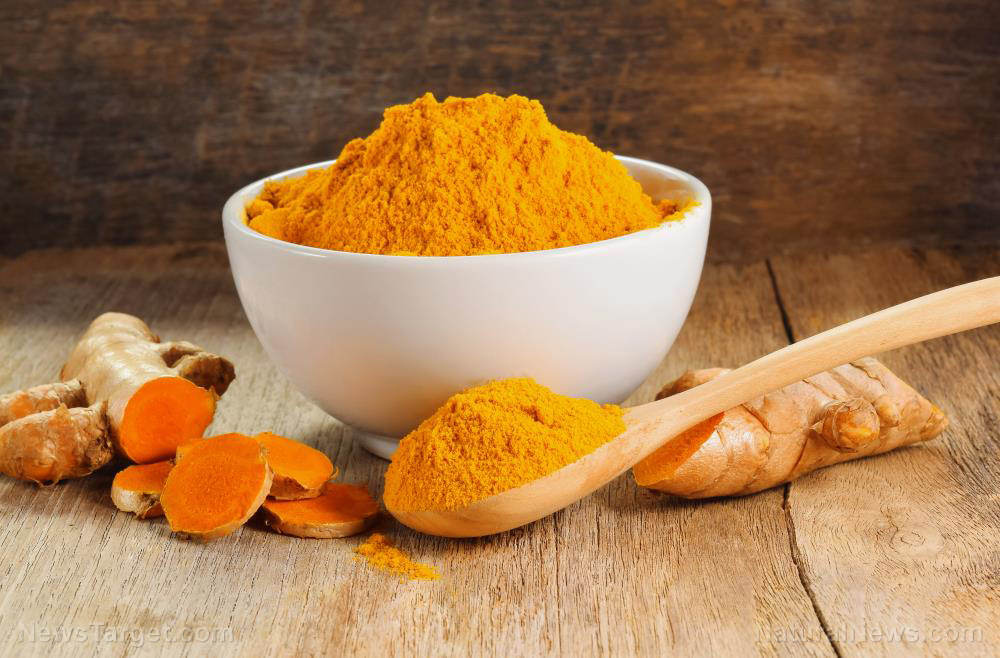
( Natural News ) Green tea is considered the healthiest beverage on the planet and is known for its amazing health benefits. For centuries, it has been consumed both as a food and as a natural medicine that helps clear the mind and rid the body of toxins.
Today, numerous studies on the beneficial properties of green tea credit it with possessing a variety of antioxidant compounds. Among these compounds, epigallocatechin-3-gallate (EGCG) is the most abundant and extensively studied. EGCG is said to reduce inflammation , aid in weight loss and even support heart health by lowering blood cholesterol levels. However, the effectiveness of EGCG is hindered by its poor bioavailability.
In an attempt to increase its absorption in the intestines, researchers from Rajarshi Shahu College of Pharmacy and Research in India decided to combine it with another potent plant compound. Like EGCG, curcumin from turmeric has plenty of beneficial properties but poor bioavailability. Despite this, the researchers found that curcumin can enhance the absorption of EGCG by increasing intestinal permeability. They discussed this finding in detail in an article published in BMC Complementary and Alternative Medicine . EGCG and curcumin: a potent combo against hypercholesterolemia
According to previous studies, EGCG from green tea is effective against high blood cholesterol or hypercholesterolemia. However, its low bioavailability decreases its potential, especially in promoting heart health.
To solve this problem, the researchers first extracted EGCG from green tea leaves and confirmed its presence using chromatography. They then confirmed the compatibility of the green tea extract (GTE) with curcumin.
Using everted goat intestine, the researchers tested the effect of GTE alone or in combination with curcumin on intestinal permeability. They reported that the GTE-curcumin mixture showed higher permeation than GTE alone.
When they treated rats fed a high-fat diet with GTE or the GTE-curcumin mixture, the researchers found that the mixture exerted a significant lipid-regulating effect. At the end of the treatment, the rats that received the mixture had lower cholesterol, triglyceride, HDL, LDL and VLDL levels than the rats given GTE alone.
Based on these findings, the researchers concluded that curcumin can enhance intestinal permeability and consequently the absorption of EGCG. Hence, EGCG-curcumin formulations can be a promising nutraceutical for the treatment of hyperlipidemia. The health benefits of EGCG and curcumin
EGCG is one of the four major catechins present in green tea. Catechins are phenolic compounds that are also found in berries and cocoa, and are known for their strong antioxidant activities . Besides preventing free radical damage, EGCG also helps prevent chronic diseases, thanks to its anti-inflammatory properties. Here are some of the health benefits linked to EGCG: (Related: It’s time to look at the benefits of a green tea detox .) Helps lower blood pressure
Reduces triglyceride levels
Promotes weight loss (in tandem with caffeine)
Improves nerve function
Prevents neurodegenerative diseases
Like green tea and many other spices, turmeric ( Curcuma longa ), whose main active component is curcumin, has a long history of use in traditional medicine. Today, turmeric is best known as the main ingredient in curry. But in terms of health-promoting properties , curcumin exhibits a wide variety. This includes antioxidant, anti-inflammatory, anti-aging, anti-viral and anti-cancer activities.
Here are the health benefits of consuming turmeric : Helps treat inflammatory conditions
Protects against heart disease
Helps prevent and treat cancer
Relieves osteoarthritis symptoms
Helps prevent or treat diabetes
Protects the brain from neurodegenerative diseases
Alleviates depression
Relieves symptoms of rheumatoid arthritis
Improves skin health
Prevents eye degeneration
EGCG and curcumin are powerful antioxidant compounds that can do wonders for your health. Add green tea and turmeric to your daily diet, preferably in combination, to increase your body’s absorption of their active ingredients and enjoy their health benefits to the fullest.
Sources include:
Brain Foods for Seniors: The Healthiest Foods for a Strong Memory
WN Lifestyle Home – Health
Photo From sonnethill Originally Posted On: https://sonnethill.com/brain-foods-for-seniors-the-healthiest-foods-for-a-strong-memory/ Photo From sonnethill
Originally Posted On: https://sonnethill.com/brain-foods-for-seniors-the-healthiest-foods-for-a-strong-memory/
The brain is as vital to a senior as it is for a young adult about to turn twenty-five. When people approach seniority, topics about brain health are even more relevant to overall well-being . While most seniors are in good mental health, others are at risk of developing a neurological disorder, especially dementia, and depression.
But as lifespans get longer and research gets deeper, doctors, as well as the older population, can better understand the elements of aging and the common needs that come with the natural process.
For example, when you take proactive steps like learning more about brain foods for seniors, you can reduce your or a loved one’s risk of developing dementia or other mental conditions.
Scientists have determined that the brain needs a certain amount of nutrients to operate well. For example, studies prove that high intakes of fats and cholesterol are associated with higher risks of Alzheimer’s.
So, let’s take a look at foods, by categories, that act as high fuels for a functional brain.
This type of nutrient attacks free radicals in the body and prevents or reduces damage caused by oxidation. Free radicals are molecules produced when the body breaks down food or even when you’re exposed to tobacco smoke or radiation. This category of nutrients includes foods such as: Colorful fruits and vegetables
Fish and olive oils
Fruit juices
Cinnamon
Dark chocolate
Nuts
Legumes
Red wine
People can benefit from consuming these foods regularly over a long time and can find that it provides their brains with protection against – oxygen. Yes, oxygen. When we consume food, we must also consume oxygen, which makes us age. In other words, people who live the longest tend to each meal with anti-oxidants or simply eat a lot less food in general.
Although food has both negative and positive effects, it all depends on how well people control their consumption. But it’s even more critical for elders to pay extra attention to their diet because whatever they consume will support or affect cellular function throughout their body.
And the cellular function is responsible for either strengthening or breaking the immune system and warding off physical and mental illness altogether.
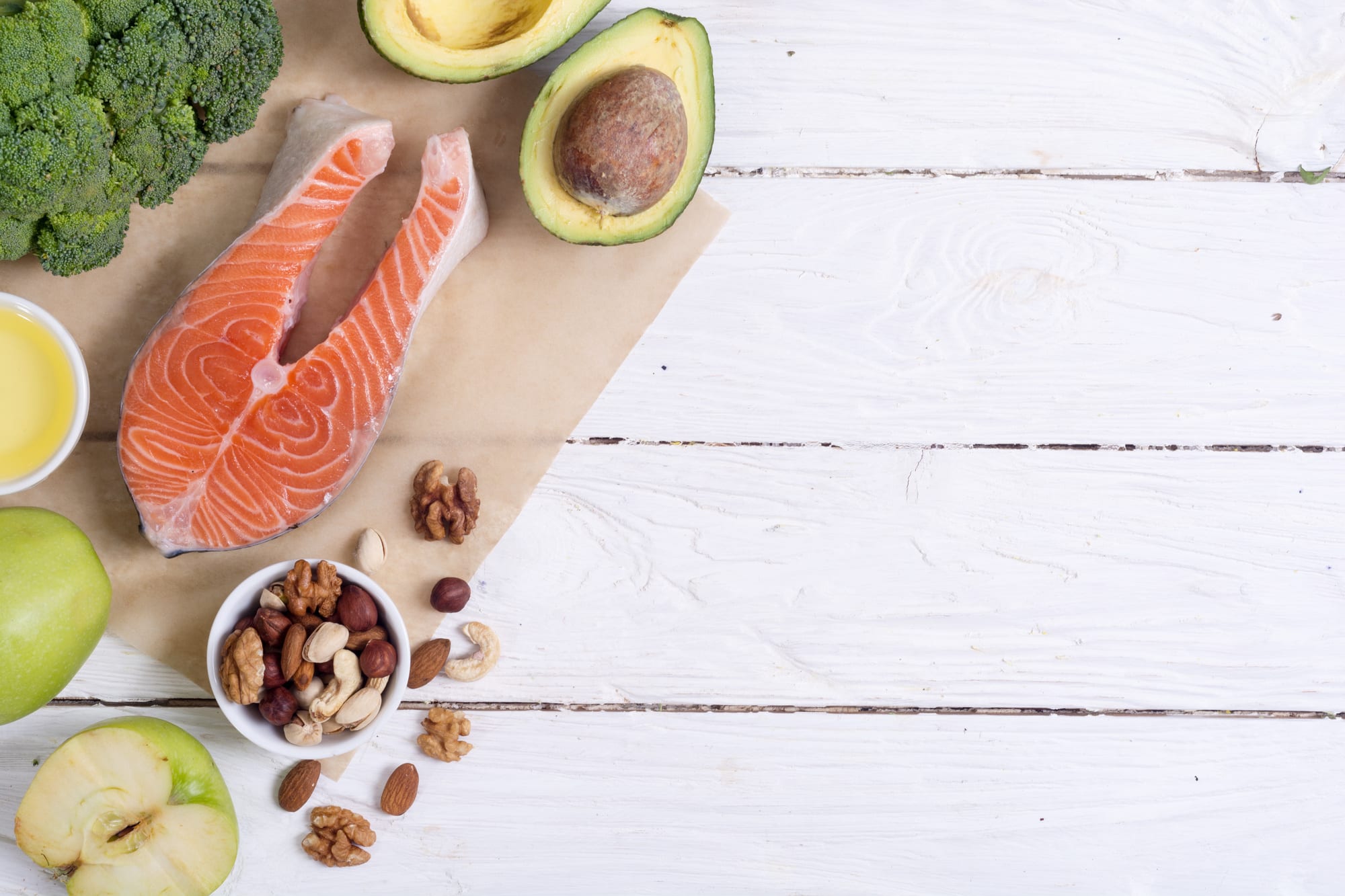
Most mainstream health organizations recommend a minimum of 250 – 500 milligrams of omega 3s per day for most healthy adults. Some foods with high amounts of this component include: Salmon
Oysters
Sardines
Flax seeds
Chia seeds
Walnuts
Soybeans The body can’t produce Vitamin B on its own, so keeping up with a diet that supplements this water-soluble vitamin can have a benefit on elders. Foods that include the vitamin include:Now let’s get into the details for some of the foods mentioned above. Although there is no magic pill to prevent cognitive decline, a healthy dietary pattern can make a difference. Dark, leafy vegetables – Leafy greens like kale, spinach, broccoli, and collards are highly rich in brain-healthy nutrients like folate, beta carotene, and vitamin K. Some research suggests these plants can help slow cognitive decline. Walnuts- Nuts are considered great sources of protein and healthy fats. Walnuts, specifically, are high in a type of omega-3 fatty acid called alpha-linolenic acid (ALA). This fatty acid helps lower blood pressure and protect arteries, which is good for both the heart and brain. Fish- As mentioned above, fatty fish are excellent sources of omega-3 fatty acids. But elders must make sure that the fish they consume is low in mercury. Some of these products include salmon, cod, and canned light tuna. Healthy dietary consumption of these types of fish can happen at least twice a week. Fried foods are known to have high percentages of fat and cholesterol, which can contribute to impaired memory and learning. Unline anti-oxidants that act against inflammation, unhealthy foods are considered to be part of inflammatory diets.For example, high consumption of foods with a high glycemic load (carbohydrates) like white bread can cause inflammation of the hippocampus, a part of the brain that affects aspects of memory, as well as responsiveness to fullness cues and hunger.A study looked at older adults who consumed over 50% of their daily calories in the form of carbohydrates. The study found that the participants had almost double the risk of mild mental impairment and dementia.These types of unhealthy foods include products high in sugar, refined carbs, unhealthy fats, and processed foods. Older adults should avoid the following foods if they want to preserve good brainpower: Sodas, energy drinks and high fructose juice Foods made with white flour Industrially produced trans fats (margarine, snack foods, prepackaged cookies, etc.) High processed foods (chips, instant noodles, store-bought sauces, ready-made meals) Aspartame (artificial sweetener) Fish high in mercury (wild varieties of seafood) Other factors play into healthy aging too. Here are three practices to keep a healthy brain after digging into healthy brain diets:Engaging in memory exercises can help improve short, as well as long-term recall. What do these exercises look like? Simple daily tasks like making a grocery list, doing math in your head, drawing a map, or even memorizing the lyrics to a song.Higher levels of daily movement are linked to better thinking and memory skills. According to a study , physical activity can even protect the brain, even when Alzheimer’s is developing in the brain. Exercise, in a way, can mask the symptoms. And, while intense activity and exercise are the most recommended practice, even light activity can make a difference for an elder fighting cognitive decline.As you age, you’ll realize that maintaining your brain’s health is all about engagement. Developing routines and combining them with healthy habits like keeping up with brain foods for seniors can lower the risk of disease and keep your mind clear.For more information on staying sharp as you age and finding a senior living community that promotes it contact us today. Information contained on this page is provided by an independent third-party content provider. Frankly and this Site make no […]
Boost Your Longevity With Asparagus In Your Cooking

Start Spring off by improving your health with asparagus. This Spring vegetable is not only a tasty seasonal treat. It also has intriguing health benefits. In fact, asparagus will start Spring off by giving you a quick folate boost. It ranks high up in this department along with broccoli and spinach. Better yet, the vegetable contains antioxidants including vitamin C and carotenoids, other vitamins, minerals and fibre. Therefore it is probably one of the most beneficial vegetables.
Interestingly, major studies state that when you eat lots of fruit and vegetables there is a much lower risk of mortality, especially death from cardiovascular disease. On average, each additional serving of fruit and vegetables a day reduced mortality risk by about 5%. But asparagus contains benefits that exceed most vegetables and fruits. It also has compounds that help regulate blood pressure. This might reduce hypertension risk which is a major factor in cardiovascular disease.
Other than its delicious flavor, asparagus can also help fight cancer. It’s good for your brain and may even help you slim down. There’s no nutritionally dense vegetable quite like asparagus to start Spring off healthier. Just remember that it’s best to eat your asparagus as soon as you buy it. Pair it with lots of other spring vegetables and flavors. We’re thinking peas, garlic or baby potatoes.
According to research , the health benefits of asparagus extend far. Apparently it can help promote a healthy pregnancy , improved fertility, relief from the pre-menstrual syndrome, and improved bone health. Moreover, this yummy vegetable may even help you to manage conditions like diabetes , hangovers, cataracts, rheumatism, depression , neurodegenerative diseases, and convulsions. Better yet, it could also reduce the risk of urinary tract infections and blood cholesterol. It is also brilliant for digestive health and has shown anticancer potential. You don’t need to worry about your waistline either because just 1 cup of cooked asparagus contains only40 calories. It also provides you with 4 grams of protein, 4 grams of fiber and 404 milligrams of potassium. We need lots of Potassium in our bodies because it regulates blood pressure. Researchers state that asparagus also contains a compound called asparaptine, which helps improve blood flow and in turn helps lower blood pressure.
Besides tasting amazing, this spring veggie is filled with reasons to enjoy it with your meals. Let’s explore some benefits and why you should eat more asparagus. Asparagus Is Loaded With Nutrients
Start Spring right with this nutrient-packed vegetable. Experts explain that asparagus is an excellent source of fiber, folate, vitamins A, C, E and K, as well as chromium. This is a trace mineral that enhances the ability of insulin to transport glucose from the bloodstream into cells. So if you’re trying to keep an eye on your blood sugar then this is great news for you. Lower Your Risk Of Cancer
For your information, asparagus is part of the herbaceous plant family. This includes avocado, kale and Brussels sprouts. Start Spring with asparagus because it’s especially rich in glutathione which is a detoxifying compound. This compound can help break down carcinogens and other harmful compounds like free radicals.
That’s why eating asparagus may help protect against and fight certain forms of cancer , such as bone, breast, colon, larynx and lung cancers. Antioxidant-Packed
You’ll find that asparagus is one of the top-ranked fruits and vegetables for its ability to neutralize cell-damaging free radicals.
This is a great way to start Spring because it could help you slow the aging process and reduce inflammation. Mental Health
Asparagus is an incredible addition to your cooking because it promotes a healthy brain which is key to living a happy, long life. This is an integral anti-aging property. If you start spring with this delicious vegetable, you might help assist your brain in fighting cognitive decline. Like leafy greens, asparagus delivers folate, which works with vitamin B12-found in fish, poultry, meat and dairy-to help prevent cognitive impairment.
Moreover, studies using older adults with healthy levels of folate and B12 performed better on a test of response speed and mental flexibility. Therefore, if you’re over age-50, then be sure you’re getting enough B12. This is because your ability to absorb it decreases with age.
There are more studies demonstrating that asparagus racemosus is effective in reducing the risk of neurodegenerative diseases. Some of which include Alzheimer’s, Parkinson’s, and Huntington’s diseases. They’ve linked these benefits to the presence of phytoestrogens in asparagus which have certain neuroprotective effects. Neurodegenerative diseases are genetic or periodic conditions affecting the neurons of the human brain. The issue is that the body doesn’t normally have the ability to replace the damaged neurons. Relieving Depression
As you may know, depression is forever increasing around the world. We need to do as much as possible to help alleviate some of its symptoms.
Scientific research is showing the efficacy of asparagus racemosus as an anti-anxiety and anti-depressant drug. You see, now you can also help start Spring off on a happier note. Asparagus may even help enhance memory, increase the production and secretion of estrogen, and revitalize and calm the nervous system. A pretty amazing way to start Spring, right? Naturally Good For Digestion
Asparagus contains high amounts of a nutrient called inulin. This is a kind of complex carbohydrate, commonly known as prebiotic. It does not get digested until it reaches the large intestine, where it is fed upon by a kind of good bacteria like lactobacilli. Inulin aids in the improved absorption of nutrients.
Start Spring with asparagus because it is also packed with high levels of the amino acid asparagine. This acts as a natural diuretic. Increased urination not only releases fluid but helps rid the body of excess salt. This is especially beneficial for people who suffer from edema (an accumulation of fluids in the body’s tissues) and those who have high blood pressure or other heart-related diseases.
You might also be wondering why eating asparagus causes a strong urinary odor. Well, experts explain that asparagus contains a unique compound that, when metabolized, gives […]
Anxious over coronavirus? Here are 4 tips for calming your brain

The world has changed a lot in a short period of time. The number of diagnosed novel coronavirus COVID-19 cases continues to increase. Schools, sports leagues and big events are shutting down. Shoppers are hoarding food, cleaning supplies and toilet paper . And there’s uncertainty about people’s jobs . It’s not surprising that anxiety related to the outbreak is on the rise too.
Anxiety isn’t just a moment of discomfort. It can increase your chances of depression and stroke; do damage to your memory ; and even reduce gray matter in parts of your prefrontal cortex (that is not good — trust us).
Finding ways to confront and manage anxiety can help you live a longer, happier life. But getting there requires you understand what is creating the feelings of worry — and why.
Considerable spoke to psychiatrists and therapists who have helped patients control overwhelming stress. They offered suggestions that you can apply to soothe your own stress points.
First, consider the reason we experience anxious feelings.
Anxiety is your body’s natural reaction to perceived danger. In short bursts, the physical responses it triggers help people react quickly to unexpected situations. But prolonged anxiety can wear down the body’s defenses.
Sweating, accelerated breathing, increased heart rate, trembling and nausea: These characteristics of anxiety and more reflect heightened activity in the peripheral nervous system, which drives your sensory organs, blood vessels, and glands.
Over the long run, it can affect your sleep, ability to focus, and general happiness.
And depending on your particular triggers for anxiety, it can interfere with important activities in your life. One person might get extremely nervous when driving on the highway; another might get anxious when presenting at a work meeting.
The root causes of anxiety are still being studied , but it seems environmental, genetic, and behavioral factors all play a part in how much stress you experience and how you deal with it.
Dr. Jephtha Tausig Edwards, a clinical psychologist based in New York , thinks it’s important to consider all the possible causes of stress a person is dealing with in order to better understand and treat their anxiety.
“Older individuals are often facing difficulties with their health and the health of significant others; changes in their lives such as retirement; changes in their personal lives as friends move away, become ill or pass — all of these things can increase an older individual’s anxiety.”
The changes that can occur later in life can be stressful and can lead to new new triggers of anxiety that deserve attention, Dr. Edwards said.
“It’s important to try to determine what is causing an older person’s anxiety: Are they disoriented because they just moved to a new community? Are they missing a significant other they used to live with or see more often than they do now? Are they becoming lonely? Are they dealing with difficult personal health issues and concerns? Have they always been anxious or is this something new?
“The causes and types of their anxiety will help determine the most appropriate interventions, which can range from [therapy] to medication or a combination of both.”
According to Dr. Anna Yam, PhD and clinical psychologist based in San Diego, older people can also experience stress and anxiety caused by the deterioration of cognitive ability.
“With increasing age, older adults experience deterioration in certain cognitive abilities — most notably processing speed. As some tasks take longer and require more effort than they used to, older adults’ anxiety can be triggered by the need to hurry.”
Dr. Yam pointed out some common triggering situations, like rushing to make appointments, or trying to digest a lot of information at once. “One example of the latter is doctors’ visits, where older adults have to process and remember a lot of complex information.”
So what are some strategies, techniques, and approaches for handling anxiety? 1. Get regular exercise
Exercise is always a good thing, and it’s no different when it comes to stress and anxiety. Getting regular exercise helps your mind and your body so do it. 2. Create a routine
To stave off feeling overwhelmed and isolated, try creating and adhering to a solid routine.
Tina Tessina, PhD and psychotherapist based in California , recommends staying busy and staying in touch.
“Create a schedule of things to do and stick to it. Gardening, volunteering, exercising (like walking with others) are all helpful at keeping anxiety at bay. Don’t let yourself sink into doing nothing in isolation. Connection is your best antidote to anxiety.” 3. Try breathing
Christine Scott-Hudson , a trauma-informed psychotherapist based in Santa Barbara, California, believes in the power of breathing.
“Mindfully shifting the way you are breathing is a trauma-informed, bottom-up process that helps to increase feelings of emotional-regulation quickly, safely, and without prescription medication so that you can fall asleep more easily.”
Scott-Hudson recommends “4-7-8 breathing”: Find one spot to focus on, and … breathe in for four counts through your nose, hold your breath at the top for seven counts, and then exhale through your mouth for eight counts. 4. Get expert advice If your anxiety is chronic or crippling, there are behavioral strategies a licensed professional can help you learn and implement. Cognitive behavioral therapy may help and so might grounding . And of course there are medications that can help with various levels of anxiety, which a professional can help advise on.No matter what type of anxiety you are dealing with, there are approaches to lessening the effects. Because life is too short to be worried all the time. 8 ways successful people master resilience 4 reasons you don’t have the life you want This isn’t the first time sports teams have played in eerily empty arenas
Dementia prevention: Seven ways to improve your memory and stave off the condition

Dementia is a progressive brain disease, with memory loss being one of the main symptoms of the condition. Nutritional therapist Natalie Lamb reveals seven ways to improve your memory.
Published in the Indian Journal of Psychological Medicine, researchers concluded that our bodies, and brain, begin to degenerate from the age of 30.
The researchers added that memory tends to decline at a much more rapid pace from the age of 60.
However, functioning skills, numerical skills and general knowledge seem to stay intact.
Dementia: Could this activity slow or even stop its development?
Dementia: Moderate drinking linked to lower levels of brain protein
Nutritional therapist Natalie Lamb reveals seven ways you can help to improve your memory. 1. Quality sleep
Natalie states: “Over more than a century of research has established the fact that sleep benefits the retention of memory.
“Current thinking suggests this consolidation of memory during sleep leads to long-term memory formation in a different area of the brain.”
Good quality sleep is “one where we move through different stages of sleep patterns,” says Natalie. Dementia prevention: How to help prevent memory loss Recommending a regular sleep routine, Natalie adds it helps to get “in tune with our natural daily circadian rhythm”.
To fall asleep more easily, she recommends avoiding any electrical devices up to one hour before bed and to replace these distractions with the likes of reading, mediation, a warm bath or sipping on chamomile tea. 2. Reduce stress levels
“During times of heightened stress, our adrenal hormones have been shown to impair memory retrieval and working memory,” explains Natalie.
“Trying various techniques to alter your perception of a stressor may help your body to cope better.”
Dementia: An easier and cheaper test performed at your GP could mea…
One such technique is to “just let things be” without “trying so hard to change a situation”, and to be “realistic with your time management”.
Natalie also advises people to not be afraid to say “no” to others. 3. Increase your protein intake
“Research is demonstrating the importance of a good quality protein source with each meal to
enhance memory and satiety,” says Natalie.
“Proteins are considered the building blocks of the body and are high in animal products such as meats, poultry, fish, seafood, eggs and dairy. Dementia symptoms: Activity proven to reduce progression of disease
“Proteins from animal sources are considered highly bioavailable and easy for the body to utilise.” What about vegetarians?
Natalie continues: “Proteins can also be found in plant foods such as grains, legumes, nuts and seeds and are best combined to provide a wider range of amino acids.” 4. Remove excess sugar and carbohydrates
“The hippocampus is the brain region most important for learning and memory, and is one of the areas affected by high glucose intake,” says Natalie.
“Over time, excess intake of refined sugar and carbohydrates could contribute towards Alzheimer’s disease.
“Limit intake of sweets, chocolate, high-sugar breakfast cereals and packaged foods.
“Instead, Try consuming grains in their wholegrain form and eating them alongside a protein or fat source, such as scrambled eggs on sourdough spelt bread.” 5. Limit alcohol consumption
“Frequent, heavy consumption of alcohol alters brain function and decreases cognitive performance, including memory,” she adds. 6. Stimulate your mind “‘Use it or lose it’ as the old saying goes!” exclaims Natalie. “It’s a good reason to enjoy a daily Sudoku puzzle, crossword or read a book.”However, Natalie points out that research suggests group activities may improve memory even further. 7. Balanced gut bacteria “Emerging evidence suggests that the trillions of microbes that live in our gut may play an important role in influencing brain health and cognitive function,” concludes Natalie.“Recent studies have demonstrated an association between changes in the gut microbiota, cognitive function, including learning and memory, and neurodegenerative diseases such as Alzheimer’s.“Try Bio-Kult Mind, which contains live bacteria, bioavailable flavonoids, grape and wild blueberry extracts, and zinc.
Beauty Benefits: THIS is how ALMONDS can help with your skincare and haircare routine
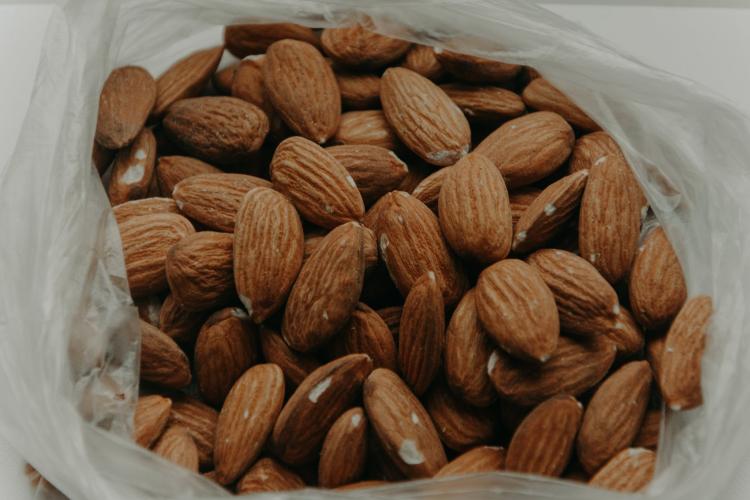
Almonds are known for their health benefits but some almond milk and almond oil can work wonders for our hair as well as our skin but not many people are aware of the variety of benefits that they can offer. Beauty Benefits: THIS is how ALMONDS can help with your skincare and haircare routine
We all know about the amazing benefits of those almonds that our mothers have been feeding us since we were little kids. Almonds are very nutritious and have a variety of health benefits. They are rich in fibers and minerals like magnesium, copper, zinc and phytonutrients which can provide a lot of energy to our body. Almonds also have high antioxidant content along with a lot of proteins and vitamins which make it beneficial for our health. We all know how it helps our brain function and memory but did you know that almond also has beauty benefits which can work wonders for our skin and hair. There is a reason that almond oil is such a popular product. Almond has certain content which is very beneficial for our skin and hair and helps us maintain our beauty. Moreover, we’ve all been taught by our mothers and grandmothers to turn to natural ingredients and remedies as compared to chemical-based products. Here are some beauty benefits of almonds.
1. Almonds make for a great way to moisturise and nourish our skin and provide it with adequate nutrients. Almonds are rich in antioxidants and vitamins which can nourish our skin and make it soft and supple. You can apply some almond oil or almond milk on your skin. 2. Almond is known to protect your skin from sun damage. It also contains vitamin A and retinol which can stimulate the growth of collagen and reduce the signs of ageing like fine lines and wrinkles and increase the elasticity of our skin. It also contains omega-3 fatty acids which prevent premature ageing and protect your skin from the damage that the UV rays of the sun can do. 3. Almond can treat problems like acne, pimples and dry skin. It also has the ability to lighten scars. It contains fatty acids which help in removing the excess oil from our skin and reduce acne and pimples. Using almond oil can also moisturise your skin without making it too oily, and the vitamin E content can help lighten the scars and blemishes. 4. Almond oil or almond milk can make for a great cleanser and can help in removing makeup without using any chemical-based products. It can work as a natural makeup remover and it also has anti-inflammatory properties. 5. It is rich in vitamin E and fatty acids which can nourish your hair and help them grow stronger and improve the texture of your hair. It improves your hair quality and strengthen it’s from the roots and prevent hair breakage, hair fall and even hair thinning and improve blood circulation which in turn improves hair growth. 6. Almond can help treat hair problems like dandruff. It contains certain nutrients which prevent dandruff and it also has anti-inflammatory properties which can soothe your scalp and removed the flakiness
How to optimise children’s brain development
Nutrition experts say docosahexaenoic acid (DHA) is critical for brain growth in children because its consumption helps neurological and visual development, reports Associate Editor ADEKUNLE YUSUF
A casual conversation about best dietary practices later snowballed into a heated session. While waiting for their turn to get their babies immunised at the Federal Medical Center in Ebutte Meta, Lagos, six nursing mothers started comparing notes on their nutritional choices during and after their pregnancy months.
This grew into an argument. But by the time the dust had settled, it was apparent that only one of them could earn a pass mark in the subject.
Unlike her counterparts who admitted during the lengthy discussions that their dietary choices are often largely determined by impulse or whatever is available, Margaret Udem, a fairly educated mother of three, knows the importance of getting enough omega-3 fats, including docosahexaenoic acid or DHA, in her diet.
According to her, no day passes without including a healthy dose of this fatty acid in her diet – a habit of sorts. “I have known this fact since my childhood days that fatty acid is good for pregnant or lactating mothers,” she said.
However, that is where Udem’s knowledge about appropriate nutritional requirements ends. In a twist of irony, she too did not know that DHA is especially critical for brain growth in infants.
A woman of refreshing candour, she admitted that “it has never occurred to me that children too need DHA and nobody has told me it is also useful for children.”
Yet, nutrition experts say omega-3 fatty acid is a significant contributor to the brain development that takes place during the first two years of life – and beyond.
As parents marvel at how rapidly children grow and develop during the first months of life, it is usually a feeling of fulfillment seeing infants increasingly respond to sights and sounds, and become ever more curious about the world around them and ever more determined to explore it.
According to medical experts, behind those milestones and captivating moments of a child’s developmental progress, a vast neurological project is underway. Reason is that children’s brain grows more quickly during their first year than at any other time in their lives.
That is why it is important to know that Omega-3 fatty acids, particularly DHA, help to fuel that growth in children, experts explained. Dr. Oluwatosin Adu, chairman of the Lagos State chapter of the Nutrition Society of Nigeria (NSN), explained that DHA is a component of the brain cells.
“The more the DHA that is there, the better it is for the communication between the brain cells and transmission of information. The more of the DHA that is present in the brain, the better for brain development.
It helps in memory. It helps in coordination and all of those. The area of the brain where you have it is the area of the brain that is responsible for memory, attention.
That is DHA is good for children and pregnant women because a lot of it is accumulated when the brain is developing,” Adu, also a Senior Lecturer in Biochemistry Department, Lagos State University (LASU), said.
Giving children the DHA they need to grow optimally
Docosahexaenoic acid is one of three main omega-3 fatty acids, with ALA and EPA being the other two big ones. DHA and other omega-3s play essential roles in the body throughout a person’s lifespan.
They’re a rich source of energy, and they also help maintain the healthy functioning of our heart, lungs, and immune system. Omega-3 fatty acids help to control inflammation, stabilise mood, and may reduce anxiety and depression.
According to health experts, the beneficial work of omega-3s takes place at the cellular level. DHA and other omega-3s are absorbed by our cells, where they help cells maintain their optimal structure and also to communicate effectively with one another.
Among omega-3 fatty acids, DHA is said to be particularly critical for healthy brain development and function; besides giving structure to brain cells and facilitating their communication.
That is not all. DHA has other vital roles to play such as helping the human brain create and maintain what’s known as plasticity or the ability of the brain to modify its structure and the ways it functions.
Human brains’ plasticity supports a person’s ability to learn, to change behaviours, to process emotions and emotional experiences, and to recover from brain injury or damage.
Also, DHA continues to fuel the growth of new brain cells as a person ages and develops beyond the first two years of life. It is equally critical to cellular development in the eyes and helps to maintain healthy vision.
Although DHA has a unique significance for infants, this fatty acid is an essential nutrient throughout a person’s life. That’s because, during the earliest months and years of life, DHA helps to fuel an incredible pace of growth and development of the brain of children.
How children’s brain grows
DHA’s role in infant health and development actually begins before birth. Significant amounts of DHA collect in the brain during the second half of pregnancy (especially during the third trimester), when the fetal brain undergoes a breathtaking pace of growth.
The infant’s brain continues a rapid pace of growth and development during the first 12 months of life. During that first year, the infant’s brain grows to nearly three-quarters the size of the adult brain. Whereas, at birth, the infant’s brain is roughly one-quarter to one-third the size of an adult brain.What’s happening during this time of intense growth and development? The infant’s brain is building itself out structurally and foundationally, laying the groundwork for a lifetime of neural activity that includes all our thinking and reasoning, our social, emotional, and behavioural regulation, our learning and decision making.Research shows the amount of brain growth that takes place during their first year is one significant factor influencing a child’s intelligence later in life. How DHA benefits children’s brain development Because DHA is a structural constituent of membranes specifically in the central nervous system, its accumulation in the fetal brain takes place mainly during […]
World Sleep Day 2020: 5 Reasons Why Sleeping Well Is Important For You; Tips To Improve Sleep Quality

World Sleep Day: Sleeping inadequately can lead to poor health outcomes World Sleep Day is observed on March 13. This day is meant to raise awareness about the importance of healthy sleep and why sleeping well is important for one and all. Prevention and management of sleep disorders is also an important part of World Sleep Day. The day is created and organised by World Sleep Society, and is internationally recognised. It brings together health professionals, patients and researchers to together recognise sleep and the impact it can have on our overall health.
According to lifestyle coach Luke Coutinho, “Sleep is everything. It is natural to our cells and life. No amount of drugs, caffeine or technology can ever replace what natural sleep and rest can do for our body and mind. We must sleep to heal the mind and body.”
Also read: Can’t Sleep Well? These Wonderful Nutrients Will Definitely Help World Sleep Day: All the reasons why sleep is important for you
1. Not sleeping well for even one day can put you in sleep debt
According to Coutinho, if you don’t get good quality sleep for even one day can put you at sleep debt. No amount of sleeping during the day can suffice for quality sleep at night. Being in sleep debt can make you feel tired, fatigued and irritable all day. 2. Sleeping well is important to perform well
Know that on days you are unable to get good sleep, you fail to feel fresh and energetic the next day and this directly reflects on your work performance. Sleeping well is important for performing well at work Photo Credit: iStock 3. Sleep is essential for healing and rejuvenation
Coutinho says that the a lot of healing and recovery takes place when you’re sleeping. You overburden your body by skipping sleep or not sleeping well. Sleep gives some resting time to your brain, so that it is able to function effectively the next day. Similarly, it lays down your memory, facilitates rejuvenation of cells and also helps in preparing your body mental and physical work the next day. Without these functions, your body will fail to perform effectively and it may also put you at risk of diseases. 4. Not sleeping well may lead to unnecessary weight gain
Every time that you don’t get good sleep, your body will look for energy sources the next day. It automatically increases your cravings and makes you hog on sugary, junk and comfort food and sugar-loaded energy drinks. Together, this may contribute to unnecessary weight gain. 5. Inadequate sleep can lead to sleep disorders and stress
Inadequate sleep can lead to poor health outcomes. It can lead to weight gain and other mental health problems like stress, anxiety and depression. Serious sleep disorders could also be linked to hypertension, irregular heartbeat, weak immunity, and increase in stress hormone levels. Inadequate sleep can make you feel stressed Also read: Chronic Stress: The Many Ways Stress Harms You And 7 Tips That Will Actually Help In Beating It World Sleep Day: Tips to improve your sleep quality
Create a comfortable and cosy atmosphere in your bedroom. It should be sleep-friendly.
Your bed must only be for sleeping, and no other activity. All work commitments and even browsing social media should not be done on your bed.
Ensure that you have no screen time an hour before bed time. Increased screen time can affect your sleep quality.
Avoid eating heavy meals right before your sleep. Make sure that there is a gap of at least two hours between dinner and bed time.
Do not take caffeine late in the day.
Avoid long daytime naps to sleep well at night.
Ensure a fixed bedtime routine for a sound sleep. Wake up and sleep at the same time every day. This will help in syncing your sleep cycle with your circadian rhythm.
Exercise regularly. It can help you sleep well at night. Do not exercise too late at night as it can cause sleep disturbance.
If these tips do not help in improving your sleep, consult a doctor. This World Sleep Day, understand that sleeping well is an important part of your overall health and well-being. Without good sleep, you will not be able to perform well in most walks of life.
(Luke Coutinho, Holistic Lifestyle Coach – Integrative Medicine)
Disclaimer: This content including advice provides generic information only. It is in no way a substitute for qualified medical opinion. Always consult a specialist or your own doctor for more information. NDTV does not claim responsibility for this information.
Comments
World Sleep Day sleep
Can exercising really boost our immune system?

Should you consider avoiding the gym if you’re unwell, or does a daily workout session actually help your body cope better? Here are the facts – so you can train with confidence.
With cold and flu season still firmly upon us (does it ever leave?), you may be grasping at anything that promises to safeguard you from sniffles and sick days. From a healthy diet and plenty of kip to a stress-free existence and vitamin C aplenty, there’s an abundance of different techniques to up your defences. But, beyond stockpiling oranges and hoping for the best, adopting a foolproof exercise plan could be the difference between reaching for the kettlebells or the Kleenex.
According to researchers from the Appalachian State University and the University of North Carolina , those who did five or more days of exercise a week experienced 43% fewer days with URTI (upper respiratory tract illness) symptoms than those in the lowest 25% of fitness levels (who did one day or less of exercise). And when the former did get a cold their symptoms were 32% less severe. Boom!
But, how does an activity that, effectively, wears us out, give us a much-needed immunity boost? “Exercise increases the production of new neurons in the hippocampus (the memory part of the brain) and increases the production of glial cells (the most abundant cell type in the central nervous system), which are the body’s support network,” says Dr Anna Hemming from The Cranley . “These cells then help to protect and support the function of the neurons. By training, we increase our respiratory rate and depth of breathing, which allows more oxygen to be absorbed into the blood, more carbon dioxide to be removed and to help flush any bacteria that causes colds and flus out of the lungs and airways. It also enables better circulation, causing a change in antibodies and white blood cells (the body’s immune system).”
Still with us? While we know that hitting the gym can give us toned limbs and a strong physique (more on that later), it can also improve our immune system through more abstract channels. “By incorporating exercise into our daily or weekly routines, it releases endorphins, those feel-good hormones that improve our sleep quality and reduce stress levels – two known components that can compromise the immune system,” Dr Larisa Corda explains.
Although we don’t need convincing about having less stress and more sleep in our routines, if there was ever an incentive to hit the free weights, it’s for our health. “Through exercise you build lean muscle, which not only speeds up your metabolism but also your immunity,” Dr Hemming says. “This is because the higher the muscle mass you have when you exercise, the more proteins are released and this is believed to protect against various diseases.” But, if pumping iron isn’t your bag, Dr Giuseppe Aragona, medical advisor at Prescription Doctor believes that any exercise that gets your heart pumping can garner similar effects. “Any regular physical activity should help boost the immune system,” he says. “Focusing on cardio such as running, cycling, swimming or high impact classes is effective to get your blood pumping. It depends on your lifestyle but 30 minutes of exercise three days a week is sufficient to see results.”
But before you book your fifth HIIT class of the week in the quest for eternal immunity, sweat with caution as there’s a fine line between a health top-up and overdoing it. “Too much exercise can actually be detrimental to our health,” Dr Joshua Berkowitz, medical director at IV BOOST UK says. “It may cause fatigue, so it’s important not to be sensible.
For example, if you’re new to running, don’t try run a 10k off the bat – start gradually so it’s not a shock to your system.” A hot topic amongst medical professionals, it’s widely considered that extreme activities such as ultra-marathons or similar endurance events can actually reduce immunity (an opinion rubbished in a study by the University of Bath), yet for the mere gym-goers among us, it can have the opposite effect. “Research has suggested that for a couple of hours immediately after exercise our bodies have fewer immune cells in our blood,” Dr Hemming say. “But, it’s now believed that these cells are just moving to other parts of the body to look for potential virus-causing bacteria, which is a good thing.
Moreover, studies have shown that there’s a link between moderate, regular exercise and a strong immune system. In fact, studies have shown that just 30 minutes of brisk walking increased the circulation of natural killer cells, white blood cells and other immune system strengtheners, enabling them to kill pathogens effectively. However, the immune-boosting effects of exercise are fairly short-lived so the key is to exercise regularly.” The perfect squat To earn yourself serious health brownie points, Dr Corda suggests supplementing your workouts with a 360 degree approach to jump start your cold-fighting prowess. “There is no one magic pill to help boost the immune system, but rather a combination of things that will not only help your overall health too,” she says. “Aside from exercise, diet and getting enough sleep is very important as this is when the immune system resets itself and removes major toxins from our bodies. In fact, researchers have found that those who regularly sleep less than six hours a night are 4.2 times more likely to catch a cold.”
And for the more impatient among us, the good news is that we don’t have to wait long to start reaping the rewards of those immune-boosting perks. “Introducing physical activity should help boost your immune system fairly quickly,” Dr Aragona tells us. “I would predict within a few weeks you should start to see a sufficient change. You may also feel a lot healthier and stronger after the first month and see a knock-on effect with other lifestyle factors such as eating healthier which will also help your immune system.” Race you to the treadmill.
Follow @StrongWomenUK on Instagram for […]
Did You Know About These 5 Incredible Benefits of Strength Training for Brain Health?

Great news: The myths and anxieties of women and strength training are long busted. You can no longer lament that “I’ll get big if I start lifting weights” without being quickly shot down. More and more women are championing the mantra of “strong is the new beautiful.” We now know how effective strength programming is for speeding up our metabolism, lowering abdominal fat, and boosting the immune system. However, an unfolding trail of research has begun to yield some astonishing new findings about the benefits of strength training for brain health. What’s New with Strength Training?
We’ve all heard about the robust bank of research surrounding cardio and how it benefits healthier brain function . But it’s harder to find information on the effects of resistance training on the mind. Major institutions are now turning their attention to the key benefits of strength training for brain health. Key research areas have found that working on our muscles might slow cognitive decline and memory function.
Related : The 9 best brain diet foods and how fish supports an aging brain. Incredible Benefits of Strength Training for Brain Health
1. Memory function
Adults who practice regular strength training once a week showed a significant increase in the number of white matter lesions . This, in turn, leads to sustained brain and memory function. Strength training improves brain power across a lifetime. However, the effects are even stronger in older adults suffering from cognitive decline . 2. Mindfulness
One of the most under-advertised benefits of strength training for brain health is its ability to act as a kind of high-powered meditation. With all your mental faculties devoted to executing the proper movements, you may experience a rather remarkable quietening of the mind. No more racing thought loops! Instead, it’s a silent time just for you. Meditative headspaces have a startling range of well-researched benefits , from improved concentration to decreased anxiety and more creative thinking. 3. Resilience
Strength training provides an opportunity to overcome obstacles in a controlled, predictable environment, increasing mental resiliency. This is the skill of grit that you can bring into your health goals, your professional life, and even your hobbies. Building this growth mindset and understanding its parallel principles (like brain plasticity) are essential to cultivating long-term progress in your career and skills. 4. Better sleep
Better sleep makes you happier, but it also makes you smarter. While you’re tucked away in bed, your brain is actually doing its own heavy lifting. Procedural memories like how to perform a new physical skill or mental process are encoded into the brain. REM sleep directly enhances creative processing more than any other sleep or wake state.
Muscle growth and deep sleep are interdependent . When we strengthen our muscles, vital bodily functions like resting glucose metabolism, blood pressure, and metabolic rate are all regulated. Another benefit of strength training for brain health is how these all these things work together to contribute to stress reduction. 5. Endorphins
Move over runner’s high: Strength training also improves symptoms of clinical depression and anxiety . Our body’s nervous system and pituitary glands produce endorphins (natural opiates produced by the brain) as natural pain relievers. They also work as pleasure inducers. Improved mood and energy levels can result in the kind of clarity which frees up that fuzzy stress-induced brain fog. Say hello to better decision making! There’s more?
Strength training starts the day off with a clear WIN. This feeling of accomplishment will set you up for success when it comes to making healthier choices. Get ready to drink more water, get off your phone, and spend an extra five minutes preparing tomorrow’s healthy overnight oats.
Interested in beginning your lifting journey and transforming your mind and body? Never be intimidated by the weight room again with our 7-Day Beginner’s Introduction to Strength Training .
Enjoyed this post on the benefits of strength training for brain health? Follow us on Pinterest to keep feeding your brain!

The Power Within by Corey Daniels book available for only $2.99
Mind has both conscious and subconscious halves. These are likened to a driver and the truck he drives. The driver plans the destination and observes road conditions, while the truck provides motive power. Your subconscious mind is like the truck and it only goes in the direction in which is a steered. This can be the road or off a cliff. Likewise, the consciousness paints a picture of what the world is and what your goals are and the subconscious acts on them through emotion, physical response and energy, whether these are correct, rational images or false negative ones. The subconscious is also like an emotional reservoir which your body and mind draw responses from to external stimuli.
The Power Within lays out a method of programming your subconscious and tapping into the Holy Spirit, God voice or what the Greeks called the daimon (godman).