Nature Knows and Psionic Success
God provides
Mental Health Tips: THESE herbs can help you to fight stress and anxiety

Stress and anxiety can be caused due to multiple reasons, and here’s how these herbs can help you to deal with them effectively. They are safe and don’t have any side effects as well. Mental Health Tips: THESE herbs can help you to fight stress and anxiety
With the current lifestyle that we are leading, stress has become very common. Be it work stress, personal relationship stress or house stress, it has become a part and parcel of our lives. And what comes with stress is anxiety. Not feeling to go to work, eating more, overthinking, or feeling tired constantly, are some of the symptoms of anxiety. When it comes to dealing with anxiety, people try different things to tackle it. Right from taking prescribed drugs to trying meditation techniques, we all have tried something at least once.
What if we tell you that more than all this, some natural herbs can help us with it? Yes, herbs that we use in our daily life can help us with fight anxiety and stress. Moreover, these herbs are safe, natural and rarely have any side-effects. Here are 5 herbs that you can consider using.
Ashwagandha : It is one of the most rejuvenating herbs that is used for preparing Ayurvedic medicine. Research states that Ashwagandha can help to lessen the cortisol level in the body, which is known as the main stress hormone. Regular consumption of Ashwagandha can help with the problems of pressure, anxiety, depression and lack of sleep.
Brahmi: Brahmi is used by Ayurvedic practitioners to improve memory, reduce anxiety and tackle other mental health issues. Studies even claim that consumption of Brahmi may boost brain function and may also play a role in alleviating anxiety and stress.
Tulsi: Tulsi is found in almost every household. Be it for combating a cold or controlling blood sugar levels, Tulsi is used for multiple reasons. It is known for its powerful antioxidant properties and promotes a sense of calmness and is effective in treating anxiety and stress.
Lemon Balm: A herb from the mint family, the Lemon balm has a lemon aroma. It is a powerful relaxing and mood-boosting herb. It is also beneficial in treating insomnia, indigestion, dementia and Alzheimer’s disease.
Bhringaraj: Drinking this tea can calm your mind, since it has compounds that can stimulate the brain by increasing blood circulation, which helps to relax your mind and your body. It also promotes sound sleep at night.
Warning: These herbs are safe, but pregnant or breastfeeding women should not use them.
The very best luxury CBD products to buy in 2020
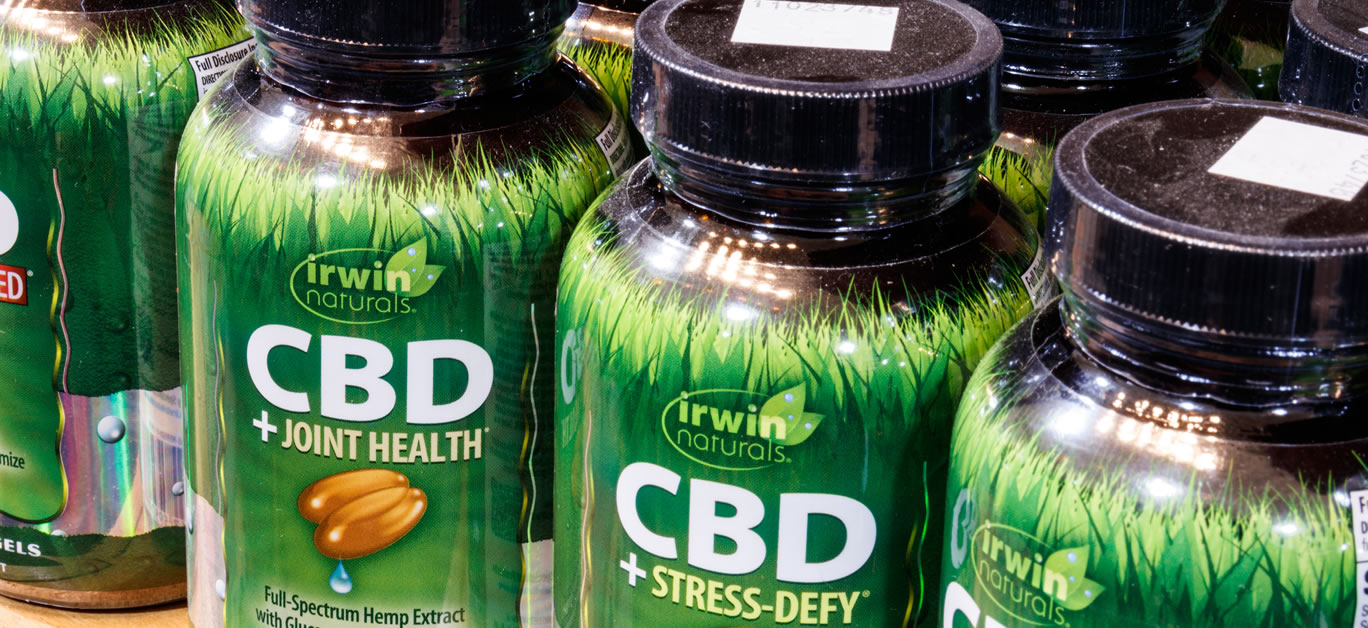
Cannabidiol (CBD) is one of over 100 chemicals found in the Cannabis plant, more widely known as marijuana, and is the second most prevalent active ingredient in cannabis after tetrahydrocannabinol (THC), the chemical responsible for the psychoactive properties of marijuana.
As the stigma surrounding this particular drug continues to lessen , more and more people are slowly beginning to recognise the plethora of health benefits that cannabidiol especially is believed to offer including relieving pain, reducing anxiety and depression, and alleviating cancer-related symptoms, among others.
This particular chemical has since found its way into the world of health and beauty as we see a rise in companies and brands creating products infused with CBD. From oils, to vapes, to creams, to tablets and so much more, there are now endless amounts of CBD products at your disposal. To help you filter through your options, we have compiled a list of the best, and of course most luxurious, CBD products on the market . Oils and Tinctures
Oils and tinctures come in a range of flavours and strengths, with some even containing other cannabinoids, including THC, knows as “full-spectrum” products and can be ingested by placing a dose under your tongue, or into a drink or food if preferred. CBD oils are usually very pure and therefore require the lowest dosage, whereas tinctures, although still very pure, are mixed with flavour additives and solvents to create a concentrated liquid.
Oils and tinctures can differ greatly in terms of ingredients, strengths and recommended dosages so remember to read the label carefully.
Lord Jones Royal Oil $100
This is a multi-purpose oil produced by luxury CBD brand, Lord Jones, made with only two ingredients: broad spectrum hemp-derived CBD oil and pure grape seed oil. This particular brand prides itself in its ethos producing vegan, sugar free, gluten free, alcohol free, and colouring and additive free products. If taken as drops on your tongue or in drinks or foods, the Royal Oil helps to induce a sense of calmness, and when used topically it soothes, hydrates and de-stresses your skin.
Lab to Beauty The CBD Drops $60
Available in three different flavours—lemon, spearmint and chocolate mint—Lab to Beauty’s CBD drops are all-natural and vegan and can be ingested to reduce internal inflammation, calm the nervous system, boost the immune system, and relax the digestive system.
Treaty Recover $129
The Treaty brand combines broad-spectrum hemp with bioregional plant extracts to produce Four tinctures with in Calm, Focus, Recover and Balance effects. Treaty’s Recover formula can be taken orally to support healthy inflammatory and immune response to help reduce pain from normal overexertion. This tincture also helps to alleviate physical stress, pain, exhaustion, hangovers and signs of PMS. Topicals
There is a huge variety of topical CBD products from creams, to serums, to balms, to skin oils, to soaks, to masks and many more. Unlike the ingestible oils and tinctures, topicals allow the user to absorb CBD through their skin to aid physical pain, inflammation and joint issues, and also to nourish their skin.
Saint Jane Luxury Beauty Serum $125
Made with 20 potent botanicals, full-spectrum CBD and an award-winning concentrate, Saint Jane’s Luxury Beauty Serum helps to boost radiance, detoxify, moisturise and reduce redness in the skin.
Natureofthings Restorative Floral Bath $150
A unique addition to a relaxing bath, the Restorative Floral Bath by Natureofthings includes aromatherapeutic scents of Plumeria, Jasmine, Vetiver and Cedarwood, and luxurious emollients like Shea butter, Kahai and Green Tea oil to moisturise the skin. Additionally, the formula includes Malachite and Quartz extract for hydration and detoxification, mineral-charged seawater for conditioning, hops extract to boost oxytocin, and Capsicum pepper to ease muscle tension.
Hora Overnight Exfoliating Mask $62
An easy cruelty-free and fragrance-free solution to dead skin. This night-time mask can be used up to four nights a week to dissolve dry and dead skin whilst also rejuvenating and replenishing your skin with healthy oils and super ingredients including Vitamin A, Borage oil, MCG oil and Evening Primrose. Capsules
Much like taking a daily vitamin, CBD capsules can act as a way for people to consume a controlled and regular dosage of cannabinoids. Varying in strength, capsules are an easy method for people wanting to track their daily intake of CBD and those after a simple way of receiving CBD effects.
Kiskanu CBD Hemp Capsules $60
Each capsule contains 25mg of CBD for relaxation and recovery—a simple and convenient one-dose solution to promote wellness and well-being.
Mary’s Nutritional’s Nutritionals Capsules $65
Another vegan, gluten-free and additive-free product, the Nutritionals Capsules are made from full-spectrum hemp with a special coating for improved absorption in the body and help to support a proactive wellness routine and to ease discomfort.
Plant People Stay Sharp $59
These daily capsules from Plant People help to improve brain health, focus, mental clarity and function with a formula containing CBD, herbal nootropics and adaptogens.
Image credit at the very top of the article: Jonathan Weiss/Bigstock.com
Category Spotlight: Sipping for Wellness

Sales of functional beverages are burgeoning thanks to ingredient innovations and the emergence of the bio hacking trend.
Shoppers are taking their prescriptions to the grocery store and stocking up on ingredient-driven functional beverages that offer hydration with added health benefits.
Beverage solutions are lining retail shelves that fulfill myriad lifestyle needs beyond quenching thirst. Whether it’s collagen for skin hydration, bone and joint health, CBD for relaxation, turmeric for inflammation and immune support, pro- and prebiotics for gut health, or adaptogens for mental vitality, the functional ready-to-drink beverage category is on fire.
According to Research and Markets’ Functional Beverage Market – Growth, Trends and Forecast (2019 – 2024), the functional beverage market is projected to reach $208.1 billion by 2024. It is forecasted to witness a CAGR of 8.6 percent during the same period.
According to the Specialty Food Association’s State of the Specialty Food Industry research, refrigerated juices and functional beverages grew 18 percent at retail between 2016 and 2018, and are predicted to grow another 9.6 percent by 2023. Functional beverages with a focus on prebiotics are also an emerging trend from the recent Winter Fancy Food Show, according to the SFA Trendspotter Panel.
Convenience, the desire for clean ingredients, an inclination toward non-alcoholic beverages, and a desire to consume lower-sugar drinks over fruit juices and carbonated sodas, are just some of the reasons driving both sales and innovation in the functional beverages category as well as prompting consumers, from Gen-Zs to Boomers, to stores for a sip of grab-and-go wellness. According to a Mintel report titled Inspiration and Innovation in Functional Soft Drinks, 42 percent of consumers under the age of 34, and 22 percent over the age of 55, see the grocery store as a place to improve health.
“Beverage companies boasting optimized mental performance, clarity, and focus are especially attention-grabbing for people with demanding jobs and stress,” says registered dietitian Kylie Gearhart, NY Nutrition Group. While Gearhart cautions against products with overzealous benefit claims, which may or may not be backed by research, she says if someone tries a product and feels it was effective—and it’s deemed safe for consumption by a medical team—then consuming it to help meet a dietary need is a win.
Another driver pushing innovation in the functional beverage category is bio hacking.
“Bio hacking is an exciting trend that is driving change in the [functional] food and beverage industry,” says Bjorn Oste, founder of Good Idea Drinks, a naturally flavored, zero-calorie sparkling water with a blend of five amino acids and chromium, which is reported to balance blood sugar, curb sugar cravings, and make weight loss healthier. “A bio hacker’s primary belief is that the responsibility and control of our health lie in our own hands,” continues Oste. “And to achieve this, they make daily small and incremental diet and lifestyle changes.”
Oste says foods and beverages with scientifically proven properties are at the core of this trend since they can help the bio-hackers achieve a desired state of wellbeing, to help balance their bodies and make them work better.
“People want drinks that make meeting nutritional needs easier, just like certain vitamins. Or, they want drinks that give them complex or unique ingredients in a pleasant tasting drink experience. No one wants to pop a chunk of turmeric or kudzu root into their mouth and eat it,” says Arthur Gallego, founder of Gallego & Co. Marketing Consultants, an LA-based boutique consulting firm specializing in marketing strategy, particularly for natural or better-for-you food and beverage.
Interest in the idea of ‘food as medicine’ is growing. NPD Group finds that about a quarter of U.S. adults are trying to manage a health or medical condition by making healthy food and beverage choices, with younger adults ages 18-24 particularly interested in using foods to improve their health.
Shoppers want their beverages to do more for them than they have in the past. Just hydrating or energizing isn’t enough anymore,” says Julie Terrazzino, senior beverage category manager, KeHE. Terrazzino, who categorizes functional beverages as energy drinks, sports beverages, and protein drinks, says consumers are just looking for more.
The Ingredients
Here are some happenings in the functional beverage space that may deliver a quick and beneficial boost to a health-seeking crowd.
Adaptogens such as Ashwagandha, turmeric, holy basil, tulsi, maca, and an array of mushrooms including reishi, cordyceps, lion’s mane, and shiitake, are sought-after herbal pharmaceuticals in RTD beverages. These are known for helping manage the everyday stressors in life and promoting a mind-body connection.
“I see the industry in a growing stage of being formulation driven, with multiple natural ingredients and nutrients,” says Gallego. Gallego notes the big trends the past few years have been plant protein, probiotics, and most recently prebiotics in the form of plant fiber.
“For nearly 10 years it was about ‘single’ ingredient and ‘super’ ingredient,” he continues. “But people today want more in regard to taste, and brands are realizing single-ingredient drinks have a growth ceiling.”
At Woodstock Farmers’ Market in Vermont, drinks with a combination of ginger, turmeric, or tulsi are appealing to customers, notes grocery team leader Amelia Rappaport, while at Barons Market in Southern Calif., plant-based functional protein is big.
“Pop and Bottle RTD lattes enhanced with marine collagen and plant-based meal replacements like Koia are hot sellers, says Rachel Shemirani, senior vice president, Barons. Shemirani says she is noticing a shift away from heavy caffeinated energy drinks.
“It used to be function meant quick energy. Now we are seeing more customers gravitating toward beverages for stress relief or sustained energy that does not make you jittery. Anything with turmeric, adaptogens, and MCT oil like Kitu Supercoffee that also has protein, is definitely of interest to our customers—especially Gen-Zs, gymgoers, and those that follow a Keto diet.”
Still Crazy for Kombucha
The growth in popularity of probiotic fermented drinks over the past year shows no signs of stopping.
According to BCC Research, the international fermented ingredients market could grow to be worth $28.4 billion this year (an annual growth of 3.4 percent). And, dominating that growth since 2016 […]
Keep it smart
“The brain responds,” researcher Fraser Smith says. “It’s like taking an empty field on a farm that’s been lying fallow, and starting to till it and planting seeds.” Dr. Fraser Smith. The old adage, “use it or lose it” really is true when it comes to our brains . Problem solving, processing speed and thinking can all go downhill as we age, says Dr. Fraser Smith, a professor, researcher and clinician at the National University of Health Sciences near Chicago.
But there’s good news too. We can take steps to maintain, or even improve, our cognitive abilities by learning and doing new skills and activities, says Smith. Our brains respond to the expectations we place on them.
While we naturally lose some brain mass with aging, the research shows that we can conserve brain cells and even sprout new connections into our 90s, he says.
Is your farm keeping up with the times?
The open source farmer
Train your brain
Country Guide reached out to Smith, who grew up in Windsor, Ont., and graduated from the Canadian College of Naturopathic Medicine in Toronto, for tips and strategies for improving memory, language and motor skills.
Neuroscience has shown that our brains are not fixed. Instead, they make and break new connections all the time. Smith authored The Complete Brain Exercise Book — Train your Brain! (Robert Rose, 2015) as “a practical guide to giving your brain new ways to learn and work, with a healthy diet to support your overall well-being.”
With 150 brain training exercises and 100 recipes, the book is a collection of the things that Smith says we can do to sharpen our memory and cognitive function without spending a lot of money.
“If we don’t make demands on one part of the brain, we will lose function,” says Smith, noting that by relying on GPS we are losing some of our ability to read maps.
“It’s like taking an empty field on a farm that’s been lying fallow, and starting to till it and planting seeds. The brain responds,” says Smith.
Begin by looking honestly at yourself. Smith recommends assessing which functions are most in need of improvement and focusing on activities that will benefit these areas. Are we noticing that we are having trouble recalling words? Or have become clumsier? If you aren’t sure, check with your friends or family or use an online assessment tool, he says.
Then create a brain exercise routine. In his book, Smith divides brain training exercises into nine parts which include:
1. Mental speed : How fast you think, plus your overall problem-solving ability.
2. Visual-spatial intelligence : Directions; noticing things such as colours, the details in a room; remembering what people look like.
3. Vocabulary , speaking, language acquisition.
4. Sensory processing : Using information provided by the senses (sight, hearing, touch, taste, and smell); recognizing things.
5. Motor learning : Co-ordination, learning new physical skills.
6. Memory augmentation : Remembering names, tasks, and details.
7. Sleep : Getting to sleep, falling asleep and having a restful sleep.
8. Sports and recreation : Moving and building strength, flexibility and good circulation to the brain, heart and the rest of the body.
9. Social support and emotional health : Feeling generally at peace with oneself and others, feeling the ability to create and contribute, and feeling loved and cared for.
Smith suggests getting started by doing one or two exercises per category and then adding two new activities from one of the categories, choosing a different category each week.
Another option is to go to literacynet.org and search for its Find Your Strengths self-assessment tool.
Also pay attention to brain hygiene. Sleep is essential for repairing brain cells. If you have trouble getting quality sleep, would a CPAP machine be helpful? Could you walk more (getting a dog that needs to be walked can be helpful), or join an aquatic exercise class at the local pool? Keeping socially active also has strong supporting effects on the brain.
Then consider brain food. Our diets support brain function, says Smith. It’s best to eat foods that supply steady sources of energy, as well as lots of fruits and vegetables, healthy fats, nuts, seeds and whole grains. Avoid refined carbs.
And make sure you do something outside your comfort zone. By doing something novel, something that’s not a part of our daily routine, we can increase brain function, says Smith. One of the worst things we can do is to stick to the same daily routines and not learn new things.
Learning a foreign language is a powerful way to wake up the brain, says Smith. Other suggestions include joining a Tai Chi or gentle yoga class or volunteering.
The important thing is to try new things, says Smith. If you have always been a hands-on kind of person but not a reader, join a book club. Likewise, if you have been a reader, take up a hobby or craft. “This pulls on the brain to reorganize itself,” he says.
It’s worth it, Smith says. Unless there’s a medical reason such as advanced dementia, taking small steps to strengthen our brain function can make a difference. Brain Hacks Do you have trouble remembering names or learning new information? Dave Farrow, holder of the Guinness World Record for Greatest Memory, says we can train our brains to improve our memories.Farrow should know. To earn the Guinness Record he memorized and recalled the sequence of 59 separate decks of shuffled playing cards, 3,068 cards, with just one error.Farrow is quick to point out that his incredible memory is not a natural gift. In fact, growing up in Kitchener, Ont., he struggled in school and was diagnosed with dyslexia and ADHD at the age of 14. Determined to “turn these challenges into successes,” he learned everything he could about how the mind worked.In the days before the internet, this meant reading a lot of books. Farrow became a speed reader and “got good at the art of memory,” stumbling upon new techniques, or brain hacks, along the way, […]
Exploring the ”gut-heart” connection: Can heart failure be treated by boosting gut microbiota health?
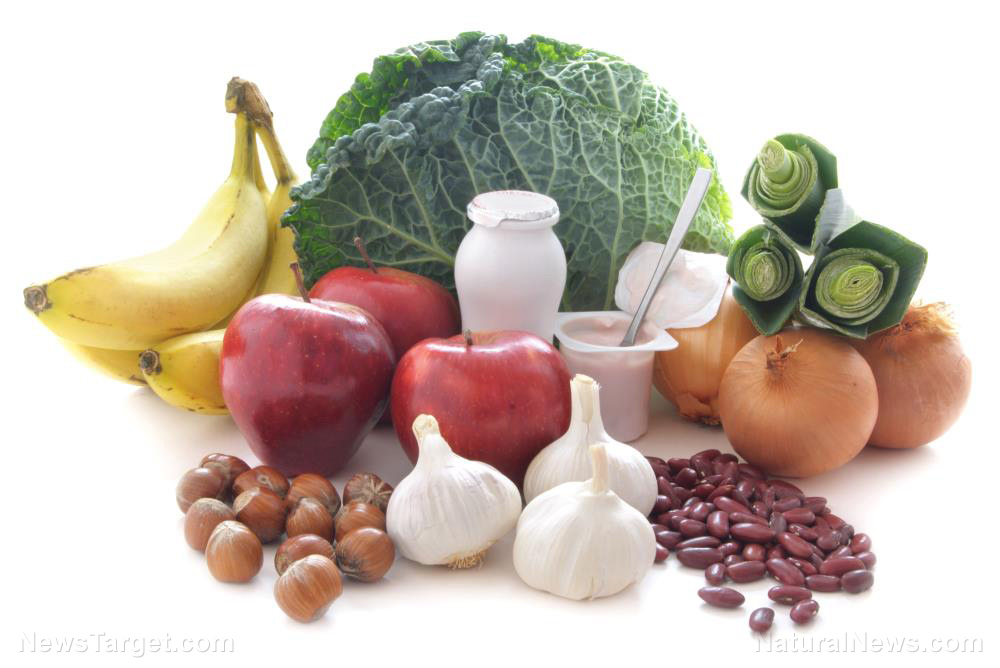
( Natural News ) As it turns out, dietary fiber isn’t just good for the digestive system — it’s also good for the heart .
This is according to Cristiane Mayerhofer of Oslo University Hospital in Norway, who proposed that heart failure patients who consume more dietary fiber tend to have healthier gut bacteria. A healthy gut microbiota is associated with a reduced risk of death or need for a heart transplant .
“Our gut microbiota is composed of trillions of microorganisms that have the potential to affect our health,” Mayerhofer said at her presentation at Heart Failure 2019, a scientific congress of the European Society of Cardiology (ESC). In her presentation, Mayerhofer cited previous research that reported a reduced biodiversity of microbes in the gut of heart failure patients.
“Today we show for the first time that this is related to low fiber intake,” Mayerhofer said.
For their study, Mayerhofer and her team first assessed and sequenced bacterial genes present in stool samples collected from 84 well-treated patients with chronic heart failure and 266 healthy people.
The researchers found that the heart failure patients had lower intestinal microbe biodiversity than the healthy people. In particular, the patients had a lower ratio of Firmicutes/Bacteroidetes (F/B) — the two main phyla of bacteria in the human gut — than the healthy controls, and this difference was even more pronounced in those with non-ischemic heart failure.
When the researchers performed dietary and outcome analyses, they observed a similar trend in gut microbiota diversity among patients who had received a heart transplant or had died. On the other hand, they noticed a positive association between fiber intake and bacterial diversity and Firmicutes levels.
“Our findings suggest that the altered microbiota composition found in patients with chronic heart failure might be connected to low fiber intake,” Mayerhofer said. She added that people need to consume more high-fiber foods like whole grains, fruits and vegetables to maintain a healthy gut flora. (Related: Understanding the “gut-brain axis” – Can people with anxiety benefit from probiotic foods and supplements? ) Dietary fiber 101
Dietary fiber is a type of carbohydrate found in plant-based foods . It comes in two varieties: soluble and insoluble. Good sources of soluble fiber include barley, oatmeal, beans, nuts and fruits. Insoluble fiber , meanwhile, can be obtained from whole grains, wheat cereals and vegetables.
Dietary fiber consumption has been linked to many health benefits, such as blood sugar regulation, relief from constipation and weight management. Regular fiber intake is also associated with a lower risk of stroke , Type 2 diabetes and bowel cancer.
According to dietary standards, the average American adult needs to consume 25 grams of dietary fiber a day . The U.S. Food and Drug Administration (FDA), however, says that a person’s fiber intake may be higher or lower depending on his calorie needs.
Here are some ways to increase your fiber intake: Go for organic and whole-food carbohydrate sources. Eat organic potatoes, yams and sweet potatoes with the skins on.
Choose high-fiber whole grains over refined ones. Refined grains are heavily processed, which means they have been stripped of most of their nutrient content. In contrast, whole grains are unprocessed, so they can provide all the micro- and macronutrients (including fiber) they naturally contain. This makes them more filling than processed foods. Here are some great whole grains to add to your diet:
Add organic chia and flax seeds to your diet. Both nutritional powerhouses, these two seeds can be added to your favorite breakfast smoothies as vitamin- and fiber-rich toppings.
Eat whole organic fruits and vegetables. Juicing may be what’s in and convenient right now, but juicing your favorite fruits and vegetables won’t give you the fiber that you need.
Grab organic nuts for snacks . Not only are nuts rich in nutrients, protein and healthy fats, they’re also rich in fiber. Choose raw, organic nuts to enjoy their full health benefits.
Eating high-fiber foods not only helps with digestion, it can also help you maintain healthy cholesterol levels, which benefits your heart. Add fiber-rich foods to your diet for a healthier gut and heart.
Sources include:
Spearmint confirmed to improve cognitive health: Study
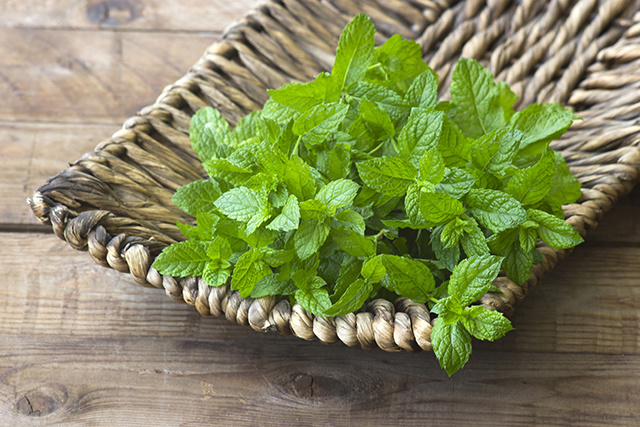
( Natural News ) Mentha spicata, or spearmint, is an aromatic herb that can be used for a variety of purposes. A well-known species of mint, it is a great addition to savory dishes and is a common ingredient in products such as chewing gums and commercially-produced toothpastes and mouthwashes.
But spearmint also has plenty of medicinal uses, thanks to its natural abundance in bioactive chemicals. Even today, spearmint is known to relieve minor aches, such as headaches and toothaches, reduce swelling and alleviate digestive problems. A recent study also reveals that it can improve brain function.
In an article published in the journal Nutrition Research , American researchers reported that long-term supplementation with spearmint extract could improve cognitive performance in young, physically active individuals. The herb not only helped enhance their ability to focus, it also boosted their ability to retain and process information. The positive effects of spearmint on brain function
Previous studies have found that chronic supplementation of spearmint extracts has a positive impact on the cognitive performance of older adults (aged 50-70) with age-related memory issues. To determine if it would have the same effect on a younger population, the researchers conducted a randomized, double-blind, placebo-controlled study involving 142 healthy and recreationally active men and women aged 18-50 years. These individuals received 900 milligrams of either the spearmint extract or a placebo daily for 90 days.
The researchers assessed their cognitive performance using a battery of cognitive tests and their sleep, mood and quality of life using validated questionnaires. Evaluation of these measurements took place on days 0, 7, 30 and 90 of supplementation. (Related: Get a brain boost from spearmint: It improves both short term memory and ability to fall asleep, according to study .)
The researchers reported that individuals who took spearmint extract showed improvements in sustained attention at day 30 and day 90. Sustained attention refers to the ability to focus on an activity over a long period of time. This cognitive skill enables individuals to successfully and efficiently carry out tasks that may take a long time to complete.
The same individuals also showed improvements in complex attention — the ability to maintain and manipulate information — at day 7 of supplementation compared to individuals who received a placebo. In particular, the researchers observed significant improvements in two individual tests: the shifting attention test and the four-part continuous performance test. However, they found no significant differences between the two groups in terms of mood, sleep or quality of life.
Based on these findings, the researchers concluded that chronic supplementation of spearmint extract improves cognitive performance in a young, active population. Other health benefits of spearmint
Like other medicinal herbs, spearmint is rich in beneficial phytonutrients with health-promoting properties. The menthol in spearmint, for instance, has relaxing effects on muscles and can help relieve the symptoms of irritable bowel syndrome. It is also an effective nasal decongestant.
Spearmint also contains plenty of vitamins and antioxidants, such as limonene and cineol. Both compounds even boast anti-inflammatory effects. Meanwhile, the carvone in spearmint essential oil can inhibit muscle contractions in the digestive tract, making it a good remedy for digestive upsets.
Here are some other health benefits of drinking spearmint tea or applying spearmint essential oil (h/t to Healthline.com ): Relieves stomach problems
A great source of antioxidants (e.g., rosmarinic acid , flavones)
Treats hormonal imbalance
Reduces facial hair (in women)
Fights bacterial infections
Helps lower blood sugar levels
Helps reduce stress
Relives arthritis pain
Helps lower blood pressure
Spearmint has a lower amount of menthol than peppermint , so its leaves don’t impart a strong, bitter flavor when added to dishes. And thanks to its carvone content, spearmint also tastes sweeter than peppermint .
Incorporate spearmint into recipes or make a soothing cup of spearmint tea to enjoy the health benefits of this amazing herb.
Sources include:
This exam season, get a big memory boost with these foods

Children that do not receive proper nutrition during their first three years, may lose ground in intelligence to their better-nourished peers. (Source: Getty/Thinkstock) We have all been there and we know it — the exam season can get quite stressful. The need to excel, coupled with the pressure to complete the syllabus can take a toll on a child’s health. But, it is also important for students to stay in the best physical and mental shape during this time. Among other things, good rest and proper nutrition are important. This is exactly what parents need to ensure around this time.
To help them with this, Pavithra N Raj, Chief Dietician at the Columbia Asia Referral Hospital Yeshwanthpur has suggested a list of food items that can be included in the diet to boost memory during examinations. These foods, she points out, are nootropic, meaning they are known to sharpen the memory, improve the mood and stabilise the energy of the child. Essentially, nootropic food items improve cognitive function and creativity, which is beneficial for the brain.
ALSO READ | Prebiotics are good for infant gut health and immunity
Some examples
Remind your child to eat the following foods:
Eggs: They are rich in choline (an essential nutrient) which helps transmit signals across the neuronal membranes. Body uses the choline in eggs to produce acetylcholine, which in turn helps to achieve deep sleep in order to retain new memories.
Spinach: Green leafy vegetables like spinach and kale are the best source of brain-boosting nutrients ‘lutein’ and ‘zeaxanthin’. These help in quicker mental recall, and increased capacity for memory. Nootropic food items improve cognitive function and creativity, which is beneficial for the brain. Turmeric: Turmeric, which belongs to the ginger family, helps stimulate neurogenic cellular creation, and is used in the treatment of depression, Alzheimer’s disease, and strokes.
Blueberries: These fruits contain anthocyanin, an antioxidant which prevents the brain from aging. Anthocyanin helps improve memory and cognitive function, and even helps intra-cellular communication within our brains.
Dark chocolate : Encourage your child to eat dark chocolates, because the flavanol-rich cocoa beans increase blood flow to the brain and even trigger the production of new brain cells.
Oily fish: The omega 3 in oily fish is believed to improve learning and memory, and reduce inflammation in the brain. This can help decrease the risk of Alzheimer’s disease, depression and other mental health conditions.
ALSO READ | Children who grow up closer to nature are said to be happier, study says
Nuts: Walnuts have high amount of vitamin E that forms a protective layer around the brain cell membranes and wards off free radicals.
Water: Last, but definitely not the least. When we are dehydrated, we are more likely to not be able to think clearly. Around two litres of water a day is recommended, but it also depends on body weight, and level of physical activity of a person.
Pavithra N Raj cautions that children who do not receive proper nutrition during their first three years, may lose ground in intelligence to their better-nourished peers. It is necessary that foods that are high in fat and sugar are avoided.
📣 The Indian Express is now on Telegram. Click here to join our channel (@indianexpress) and stay updated with the latest headlines
These 12 Teas are the Ultimate in Wellness Beverages

Over the years, tea has become a widely popular way to improve health.
This is due to the benefits it provides like increased energy, focus, digestion, sleep, anxiety, and mood boost.
When the tea is placed into categories, it is decided based on how it was harvested, processed, and location the tea leaves were grown. Typically, tea is categorized into three categories including oolong , green , or black . Although there are only three categories, there are more than 1,000 varieties around the world. Tea is a desired drink around the world and is a large part of many cultures. A study conducted by Your Best Digs found that U.K. residents drink 265 liters of tea every year compared to their American counterparts who only consume 159 liters per year. Tea is becoming one of the most popular drinks around the globe with production nearing 5.2 million metric tons each year. Tea has been serving health and wellness benefits around the world for thousands of years and counting. This delightful drink is harvested from the Camellia Sinensis plant.
Studies have been conducted on the properties of tea which have resulted in improvements for numerous minor to severe health conditions.
Tea has been found to improve psychological, metabolic, and cardiovascular functions. It’s also said to have anti-aging properties. This guide, courtesy of Kitchen Cabinet Kings, explains what tea to drink for everything you’re feeling. Types Of Teas: The Ultimate Wellness Beverage As it originated throughout the eastern hemisphere of the world in places like China and Africa, tea became very prominent as a natural remedy for treating the sick. Each different kind of tea is unique for improving different aspects of your life. Feeling the increased energy and anxiety relief will only leave you coming back for more. Teas With Energy Benefits
Tea’s caffeine levels can typically range from about 20 to 70 milligrams. Many people find that tea can provide more than enough caffeine to get your day started. For a more relaxed morning swap your coffee for an energizing tea that will give you a calming effect at the same time. Yerba Mate
The first energizing tea that you should try is found in the yerba mate tree that is found in Argentina. The yerba mate tree actually holds more caffeine than almost every other tree. Yerba mate has become an increasingly popular refrigerated substitute to iced coffee for its potent caffeine content. Black Tea
If you are looking for a classic hot drink to wake you up, black tea is another popular substitute for coffee that has nearly an identical caffeine content. Black tea is unique because as it wakes you up with a caffeine burst, it also calms you down with amino acids . This, in turn, will increase blood flow while keeping your heart rate steady to help ease you through your day. So long, caffeine jitters! Tea for Focus
Tea is a great tool for enhancing your focus and ability to stay on task. Whether you’re in the office or the classroom, try some of these teas to help you keep that composure. Green Tea
Green tea is great for focus and alertness and can be similar to black tea because they come from the same tree. The two differ because of the way they are prepared, as green tea leaves are streamed while black tea leaves are crushed. Green tea is one of the most popular types of tea with numerous antioxidants and beneficial ingredients that prevent cancer, boost metabolism, and improve brain function. White Tea
Another tea that is great for improving focus is white tea. It’s contents houses plenty of L-theanine creating a long-lasting focus for its drinkers. The properties of L-theanine help enhance brain function due to their similarities to neurotransmitters that recall memories. White tea is also the least processed form of tea there is, and therefore is the purest tea you can drink. Sleepy Time Tea
Many sleeping pills and other sleep aid depressants have undesirable chemicals that leave you feeling tired and groggy in the morning. Tea is a healthier alternative providing a natural sleep aid that relaxes your body without the harmful chemicals. Chamomile Tea
Chamomile is a relaxation-inducing ingredient, that can be found on its own or in an herbal tea blend. You also might find this ingredient throughout a majority of sleep aid products. The sleepy effects from chamomile can be credited to the apigenin content that is popular for its sedative properties. Valerian Tea
Valerian tea is very similar to chamomile in that the plant it comes from contains sedative properties. The valerian root is a mild sedative but is still very useful for inducing a long night’s rest. This tea supports good sleep and health habits by helping your body stay consistently rested. Tea for Tummies
Tea is incredible for improving how your mind and body feel. The properties of these teas help to realign your body and aid indigestion, IBS, bloating, and nausea. A non-caffeinated tea after your meals can do wonders for settling your stomach. Ginger Tea
Ginger itself has been known to help with digestive woes for centuries. Ginger is believed to help with nausea and can help settle your stomach by inducing increased saliva to process digestion quicker than without. This drink can be made at home by steeping ginger in hot water. Peppermint Tea Another ingredient that has been used for calming digestive issues and the common cold is peppermint, because of the menthol content. Peppermint tea isn’t actually tea, but just mint and hot water cooked together. However, the menthol from the peppermint is great for lessening IBS and nausea symptoms. Tea to Curb Anxiety
The recent increases in anxiety being reported on and studied have people always trying to find a natural or home remedy. Try some of these teas to help reduce your stress and give your mind some calmness and clarity. Rooibos Tea
The Rooibos plant has been harvested from its indigenous south African […]
3 Ways to Boost Brain Health

For a long time, everyone was focused on heart health. Then came gut health and an influx of information to help maintain a proper balance of microorganisms in our digestive tract. Now it’s brain health that’s on everyone’s minds — and for good reason. Brain health has became more appealing to athletes and fitness enthusiasts in recent years. “The importance of brain health started with the aging boomer population, but now the category is broadening to younger people,” says Danielle Citrolo, Pharm.D., director of scientific and regulatory affairs at Kyowa Hakko USA Inc. “It has a lot to do with our crazy lifestyles and the demands of both work and home life. We’re all juggling so many things and kind of exhausted. People are feeling more forgetful because they are so overextended.” Who’s Boosting Their Brainpower?
From gamers looking to gain a competitive advantage to college students feeling the pressure to enhance their memory and attention for exams, people are looking for memory enhancers to boost their cognitive skills, according to Research and Markets .
Athletes and fitness enthusiasts also see the benefits of heightened attention and mental clarity during workouts. Nootropics — or cognitive “technology” that boosts brain performance — may improve the mind-body connection for better stamina, motivation, focus and even physical ability. Think about it: Half the battle of training and winning competitions is mental. Mind over matter, indeed. Brain Boosters That Are No-Brainers
So how exactly can you up your game? By adding one — or all — these brain boosters to your lifestyle:
1. Seek out supplements. “Brain health supplements have gained popularity over the past decade, and for good reason,” Citrolo says. “While an aging population looks for products that support memory and mental acuity, younger consumers want support to help them stay sharp and focused.” She recommends Cognizin Citicoline, a clinically researched brain health ingredient that’s been shown to support mental energy and memory, promote focus and attention, and support overall cognitive health. How does it work? Cognizin is a branded form of citicoline, a substance naturally found in every cell of the body that’s especially vital to brain health. This water-soluble endogenous compound: Supplies precursors for the synthesis of phospholipids, including phosphatidylcholine, a major constituent of brain tissue
Helps maintain normal levels of acetylcholine, a chemical that regulates cognitive function
Promotes communication between neurons
Protects neural structures from free-radical damage
Supports healthy brain activity and metabolism
Helps sustain healthy cellular mitochondria to support cognitive health and energy
Citrolo suggests 250 to 500 milligrams per day for general brain health. If you’re taking it as a preworkout to help pump up focus and intensity, take the supplement at least an hour before your training session for peak performance. Cognizin is kosher, allergen-free and animal-free. It also can be found in a variety of dietary supplements and beverage products on Cognizin.com . Two of Citrolo’s personal favorites include C4 Smart Energy carbonated beverage and Healthy Origins’ Cognizin Citicoline veggie caps.
2. Play mind games. Think you’re too busy to stop and play games? Think again. “Science shows that the more active you keep your brain, both socially and task oriented, the more it helps prevent cognitive decline,” Citrolo says. “Puzzles and games are good for brain health.” Just as training your body in the gym will help keep your mind challenged, training your brain will help ensure peak performance — try one of these brain exercises the next time you hop on a treadmill.
3. Nutrition for your noggin. Your brain makes up only 2 percent of your bodyweight, yet it consumes roughly 20 percent of your body’s energy when at rest. That means the human brain needs a whole lot of nutrition to stay alert and focused throughout the day — so choosing how you fuel your brain and body could have a positive impact on your brain health. “Food is medicine,” Citrolo affirms. “Eating the right foods is one of the first things I’d prescribe for brain health, as a pharmacist.” For instance, ever notice how much a walnut resembles the brain? A 2015 study published in The Journal of Nutrition, Health & Aging linked higher walnut consumption to improved cognitive test scores. Berries are another brain food, as a 2012 study in the Annals of Neurology details — blueberries and strawberries, which are high in flavonoids, could delay cognitive aging in older adults. Finally, consider following the Mediterranean diet, which mainly consists of fruit, veggies, legumes, good fats and fish. Researchers of a 2018 study published in Neurology estimate that there may be as much as a three-and-a-half-year delay in the progression of Alzheimer’s disease in people who have eaten this way (instead of the standard Western diet) for many years.
Lifestyle choices have a direct impact on brain health. By ensuring proper nutrition, keeping your mind active and adding Cognizin supplements to your daily routine, you’re doing your part to prevent mental decline as you age.
Food for Thought: Brain Food for Midterms Week
1. Coffee
Coffee is probably already a part of many college students’ diets, so here’s some good news: according to this article , apparently coffee is excellent for improved cognitive function. Additionally, the caffeine found in coffee points to improved memory and a higher level of alertness, making it an excellent brain food. The benefits don’t just stop with the effect on the brain, though. According to the same source, a more positive mood and lower feelings of fatigue are also associated with coffee, which is much appreciated after, say, a night of staying up all night studying. So, next time you have a big test coming up or a project due, consider having a cup of joe before you start your day. 2. Blueberries
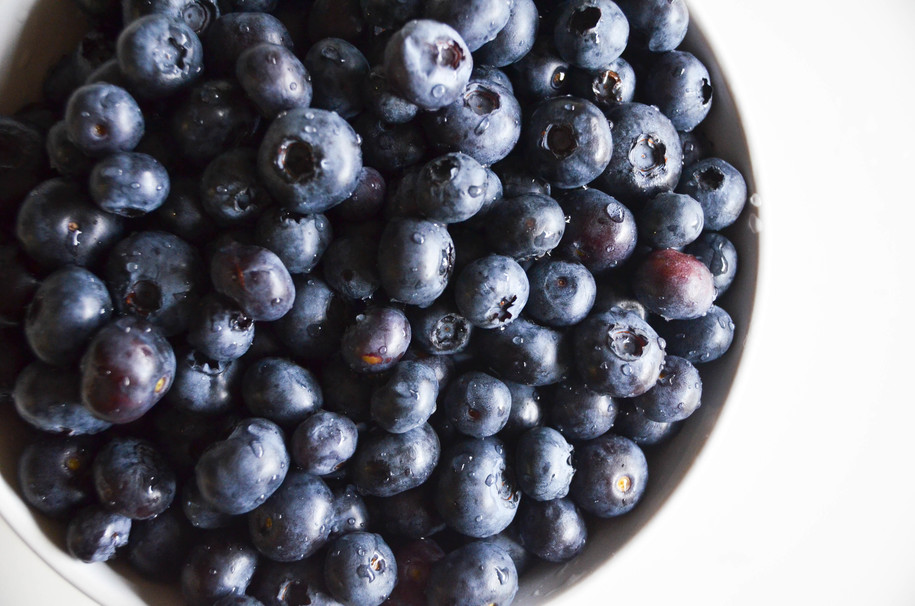
Blueberries are a well-known brain food, and after some research, I can definitely see why. As this article on Thinking Nutrition states , blueberries are super high in antioxidants. While this can mean that, in the long run, they can lower your risk of developing dementia, there are also some short term benefits as well. For instance, blueberries increase cognitive function, and can increase blood flow to the brain, helping to keep you sharp. Try throwing some in a smoothie or a yogurt bowl for breakfast on the morning of your next test, and see if it helps. 3. Fish
Let’s take break on breakfast for a minute and focus on something you can eat the night before a midterm test: fish. Particularly, fish that has a lot of oils. According to this source at Medical News Today , fish is a great brain food because it is high in Omega-3s, which helps improve overall brain cell structure and blood flow to the brain. This, in turn, increases your brain’s cognitive capabilities. 4. Chamomile Tea
Here’s another beverage to consider drinking around test time. However, instead of drinking this item in the morning, you’re definitely going to want to have it at night, post-dinner and pre-bedtime. This article points out that because chamomile tea is high in an antioxidant apigenin, it has been shown to improve sleep quality. Additionally, chamomile tea has no caffeine, and the coziness of a warm beverage right before sleep will be just what you need to make sure you’re setting yourself up for success the next day. Chamomile tea may also be beneficial to the immune system, which is important to keep up with during times of high stress. 5. Avocados
Ah yes, rounding out the list is my personal favorite fruit (because yes, avocados are, in fact, fruits). Amazingly, something this yummy also has some significant health benefits. Besides being an amazing source of natural fats, this article indicates that avocados are also high in vitamin K and folate, both of which can improve concentration and memory recall. That being said, this would be a beneficial food to include in any meal around test time. Try having some guacamole and chips as a study snack the night before, and slice some up and put it on toast for breakfast the morning of.
Good luck to everyone taking a midterm this week, I wish you all happy, healthy eating.
Can High Doses of Vitamin C Beat The Coronavirus?
(Shutterstock) Desperate to avoid coming down with a winter cold or worse, plenty of us will be dosing up on vitamin C supplements — and doctors in China are even looking into its effectiveness against coronavirus.
Research into new and exciting uses such as battling sepsis and memory loss is also under way.
We spend more than £880 million on vitamin C supplements globally, with that figure expected to top £1.1 billion by 2024.
Its popularity is rooted in the belief that vitamin C can prevent colds — a theory first set out in 1970 by Nobel Prize-winning scientist Linus Pauling. He was convinced of its benefits and personally took 3g a day, although much of his research on the vitamin was later discredited.
Certainly, when it comes to infections or a virus such as flu, it is accepted that vitamin C is part of the immune response and quickly becomes depleted. It helps by encouraging the production of white blood cells that fight disease, attaching themselves to, and killing, invading microbes.
However, multiple studies have failed to back up Pauling’s theory of vitamin C as a preventative supplement and, according to a 2017 report by the authoritative review board the Cochrane Collaboration, the best we can hope from taking a well above average daily 1,000mg of vitamin C is shortening the length of a cold by 8 per cent — about 0.4 days.
Higher doses than this have been found to shorten colds further — research from the University of Helsinki in 2017 found that daily doses of 6g to 8g could shorten symptoms of a cold by 19 per cent. But in the general population, vitamin C was not found to have any preventative effect.
In other words, while it might help fight a cold, supplementation didn’t alter how frequently people come down with one. The NHS recommends healthy adults consume 40mg of the vitamin daily. ‘We are all genetically deficient as we do not naturally provide the vitamin C we need,’ says Dr Thomas Levy, a U.S. cardiologist and author of Primal Panacea, a new book about the uses of vitamin C.
Eating one medium orange will provide almost double the daily amount at 70mg, and two medium tomatoes will hit the goal at 20mg each.
Although vitamin C may not be the way to avoid the winter bugs, scientists are increasingly looking to use it as a treatment for other conditions, from coronavirus to memory loss.
In China, a study is under way to see if high doses of vitamin C can help fight off coronavirus (officially known as COVID-19). Scientists at the Zhongnan Hospital of Wuhan University are testing its effects on 120 patients who have the virus, giving them daily infusions of 24g of vitamin C for seven days. Results have not yet been published.
The dosage being used in China is around 60 times as much as the NHS daily recommended amount and 24 times the amount trialled against colds in reviews by Cochrane.
In tests, vitamin C has worked against every virus — if given in sufficient concentration, says Dr Levy.
Dr Mike Skinner, a virologist at Imperial College London, says we won’t know vitamin C’s value against coronavirus for some time, and says the dose being tested is ‘massive’. ‘They’re doing the trial,’ says Dr Skinner ‘Let’s see if it has any benefit.’
Could a lack of vitamin C also be a factor in brain health?
Researchers from the University of Copenhagen found that vitamin C could be a key factor in the prevention of cognitive decline caused by ageing and disorders such as dementia.
Their review, published in the journal Nutrients in 2014, reported a direct effect of vitamin C deficiency on brain function throughout our lives, from development in the womb to regrowth following a traumatic brain injury such as a stroke.
In another study involving 80 healthy adults, researchers in Australia found that vitamin C supplementation could improve performance on tasks involving attention, working memory and decision speed.
The report, in the journal Frontiers In Aging Neuroscience in 2019, suggested that further investigation could be useful in elderly groups as they are most likely to be deficient. Vitamin C is thought to have a protective effect on brain cells and tests on mice have found that extra vitamin C improved memory and ability to do tasks such as navigating mazes.
New research into the use of vitamin C therapy for sepsis — where the body’s immune system overreacts following infection, with potentially fatal results — is positive. In the UK there are about 48,000 deaths a year connected to the condition.
Now U.S. researchers at the Virginia Commonwealth University have discovered that intravenous vitamin C given every six hours for four days within hours of admission reduced the risk of patients with sepsis dying from 46 per cent in a placebo group to almost 30 per cent in the vitamin C group after a month.
On average, the vitamin C group spent three days fewer in intensive care and a week less in the hospital overall. ‘This therapy could potentially transform the way we care for sepsis patients,’ says Dr Alpha Fowler, a lung disease specialist who led the research last year.
Professor Ron Daniels, a consultant in critical care at University Hospitals Birmingham NHS Foundation Trust, says researchers have been exploring the potential of vitamin C in the management of sepsis for several years now.
‘Results have been variable, with some studies suggesting benefit and others not,’ he says. ‘The evidence is not yet enough to revolutionise sepsis care.’
Doctors use the term metabolic syndrome to describe conditions including obesity, high blood pressure and high blood sugar, that raise the risk of type 2 diabetes, fatty liver disease (the build up of fat in the liver), and cognitive dysfunction.
Now researchers from Oregon State University have reported that anyone affected by metabolic syndrome might need more vitamin C.Their 2019 study, published in the journal Redox Biology, suggests that the high saturated fat, low-fibre diet that raises the risk of metabolic syndrome can disrupt the natural gut flora — or microbiome.When […]
Too much of a good thing: Teenager’s X-ray reveals 100 bubble tea pearls in her ABDOMEN, report confused doctors
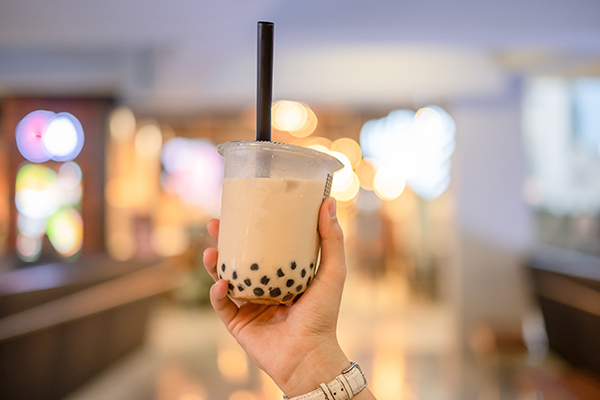
( Natural News ) A 14-year-old girl from Zhejiang, China found herself in a “sticky” situation after a recent computed tomography (CT) scan revealed over 100 tapioca pearls lodged in her abdomen. She reportedly complained about intense stomach pain and constipation for five days straight .
Doctors used a CT scan to determine the cause of stomach pain. The X-ray showed more than 100 small circular shadows in the girl’s digestive tract. The teenager insisted she had only had one bubble tea five days prior after doctors asked about what she had eaten. However, doctors believe she would have had to consume more than one bubble tea’s worth of tapioca pearls to accumulate the amount found in her abdomen. Dr. Zhang Louzhen, who treated her, suspected that she was afraid of being reprimanded by her parents. He treated her with laxatives and sent her home. Can drinking bubble tea lead to constipation?
According to Dr. Lina Felipez, a pediatric gastroenterologist at Nicklaus Children’s Hospital in Miami who wasn’t involved in the case, consuming too many tapioca pearls can lead to constipation . However, she clarified that in such cases, tapioca, by itself, isn’t to blame. Tapioca pearls are made from the cassava root, a very starchy ingredient. This means that tapioca pearls are mostly made of carbohydrates . By itself, tapioca would not cause digestive problems.
The link between bubble tea and constipation, she added, lies with the additives that the balls contain. Guar gum – the primary ingredient that makes the pearls sticky – is a fiber and additive found in many processed foods like cheese, ice cream and sauces. Guar gum can also be used to treat constipation and diarrhea in some cases. As an additive, it expands upon contact with water. This helps give cooked tapioca pearls their soft and squishy texture. According to Dr. Felipez, guar gum could induce constipation. In high doses, guar gum could even cause serious problems like a blocked esophagus, a blocked intestine and even death.
On the other hand, Dr. Ryan Marino of the University of Pittsburgh Medical Center reminds people that dehydration plays a role in constipation.
“If you are drinking something with sugar it is probably not hydrating ,” he said.
The doctors who examined the 14-year-old girl were baffled with the successful detection of the tapioca pearls. In the U.S., tapioca and guar gum are ingredients typically used in bubble tea, and they are not supposed to show up on a CT scan because they do not block the radiation used in X-rays. This led doctors to speculate that perhaps a different additive was used in place of guar gum.
While the fate of the 14-year-old girl may have been extreme, this doesn’t mean that boba (the bubbles in bubble tea) consumption is completely healthy in normal doses either. Due to its high carbohydrate content, there is very little to no nutritional value in tapioca pearls, no thanks to the cup of sugar it swims in. Additionally, raw tapioca is highly toxic because it contains cyanide. Linamarin – a toxic compound naturally found in cassava root – is transformed into hydrogen cyanide upon entering the body. When ingested, cyanide can cause headaches, nausea and paralysis . There have even been recorded cases of cyanide poisoning in bubble tea-related deaths . This is why tapioca requires proper handling, preparation and cooking. Healthy alternatives to boba
The risks of boba far outweigh the few benefits it offers. Here are two alternatives you could try to satisfy your sweet tooth: Green tea – Arguably the most popular tea, green tea is packed with nutrients and antioxidants. Green tea extract helps aid weight loss, boost metabolism and improve physical performance and brain function. If you’re looking for a sweeter version, you could simply add a tablespoon of raw honey or a slice of lemon.
Turmeric – If you’re looking for more flavor, you could always try creating a tonic, juice or smoothie with turmeric. This spice, known for its vibrant yellow color, contains medicinal properties that increase the body’s antioxidant capacity. Turmeric helps prevent diseases and slow down aging by helping prevent inflammation and treating blood conditions.
Sweeteners.news has more stories on healthy drinks and artificial sweeteners to avoid.
Sources include:
Today.com
Healthline.com 1
30 Fun And/Or New Food, Drink & Health Discoveries For Early 2020
Published on March 1st, 2020 | by Darren Paltrowitz With the 2020 summer season just months away, many of us are still looking to get into great shape and/or feel better. In turn, below are 30 fun, healthy and/or fashionable — and in many cases also absolutely creative — items I have recently discovered as a result of research, recommendations, and recent travels. Among the showcase events which I reviewed pitches for and from were Cercone Brown’s recent “winter house” hosted trip to Park City, Utah, the Natural Products Expo West, and the upcoming Bourbon + Bites happening via Rendezvous Event Management in New York City. With three different collections inspired by three different parts of the world, The Lore Co. has the globetrotter in mind offering all-in-one body washes that clean your face hair and body allowing you to pack lighter. The Lore Co.
Providing freshness and effective protection from day-to-day body odors, The Lore Co. offers an organic, chemical and aluminum-free deodorant that’s never tested on animals. Body washes and deodorants are available within the brand’s No1 and No2 collections and they come in TSA-approved sizes and kits. Its soap-oriented No3 contains no parabens, glycerin, phthalates, sulfates, gluten, harsh chemicals or preservatives. ScanWell Health
Scanwell Health aims to make healthcare more accessible through smartphone-enabled, at-home diagnostics. Using Scanwell, everyday people can test from anywhere with their smartphone, get instant results, and immediately be connected to a telemedicine provider for treatment. This innovative approach allows people to avoid the time and expense of in-person doctor and ER visits without sacrificing quality of care.
The company’s first offering is the only FDA-cleared and over-the-counter urine testing app and test kit for urinary tract infections (UTIs); other solutions will follow in 2020. Affordable, forward-thinking and easy-to-use medical technology. This one is the only musical entry on this item round-up, even though music is one of the world’s few universal languages, and often can be used for medicinal and healing purposes. Rock & Roll Hall Of Fame act Hall & Oates — comprised of singers, songwriters and multi-instrumentalists Daryl Hall and John Oates — recently announced the first ever vinyl release of its 2004 album Our Kind Of Soul via the Friday Music collector’s club. The album, which debuted in the Top 5 on Billboard’s Independent Albums Chart, features the legendary duo reinterpreting some of their favorite soul classics by Aretha Franklin, The O’Jays, Gladys Knight and other musical legends. Mastered for the first time for vinyl by Joe Reagoso (Todd Rundgren, Doobie Brothers) and Joe Gastwirt, this limited edition deluxe double-LP re-release also includes three original Daryl Hall and John Oates compositions: “Let Love Take Control,” “Soul Violins” and “Don’t Turn Your Back On Me.”
Our Kind Of Soul vinyl release aside, the duo will be headlining a 32-date North American tour this summer with Squeeze and KT Tunstall supporting. This Live Nation-produced tour kicks off this May at Hollywood Bowl in Los Angeles. Notably, Hall & Oates just performed at New York City’s Madison Square Garden — “the world’s most famous arena” — and that girl sold out months in advance. Hall & Oates will also host their annual HoagieNation Festival this May in their hometown of Philadelphia. Tour dates and more can be found online at www.hallandoates.com . Developed by Jeff Brinkhoff (founder of Red Monkey Foods) and partner Sameer Mehra (founder of Suminter India Organics), Hopapops is committed to sourcing sustainable ingredients and dedicated to making a positive social and economic impact in the communities in which its operates. Billed as “America’s next favorite snack,” Hopapops are a plant-based snack full of vitamins, minerals, and antioxidants.
Used in Ayurvedic medicine, water lily seeds are an ancient superfood known for being highly nutritious and full of micronutrients like B12, folic acid, and iron. They are easily digestible and boast more nutrition than other salty snacks. Hopapops currently has three additional flavors that include White Cheddar, Coconut, and immediate consumer favorite Mango Habanero. My recent trip to beautiful Park City, Utah was partially supported by Marmot, an outdoor clothing and sporting goods company founded in 1974. Keeping me espcially warm was the brand’s Moment Jacket. Windproof, waterproof, and breathable, the Men’s Moment Jacket is made with Marmot MemBrain Eco fabric plus 100% seam-taping, so you will stay dry no matter what the day brings. Keeping you further safe, its RECCO Avalanche Rescue Reflectors bounce a signal back to any and all needed rescuers should you encounter a rough situation of the slopes.
All great from Marmot are its Nano Pro Gloves. Also waterproof, they are dexterous and ideal for climbing. Its outer nylon is undeniably durable and rip-resistant. All the while, they keep you warm and padded. Liveli is a line of brain health supplements — known as nootropics — as scientifically formulated by doctors who were educated at Stanford Medical School. Launched in 2018, Liveli is a line of brain health supplements, known as nootropics, scientifically formulated by two founding doctors who were educated at Stanford Medical School.
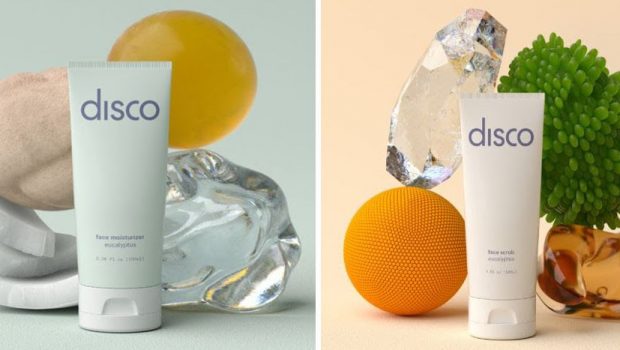
As noted by co-founder James Lee: “My journey of being diagnosed with a brain tumor is what inspired us to create Liveli. We explored supplementation and searched desperately to find the vitamins and extracts that are most essential for supporting brain function. We weren’t happy with the supplement options available, so we wanted to create one that would help others perform at their peak as well. As a result, I have made it my purpose to help others reach their full potential and achieve their ideal livelihood through Liveli.” Disco makes guy-centric, non-toxic grooming products make it easy to keep one’s skin looking and feeling its best. Disco’s face scrub (retailing for $22) is a natural blend of apricot and chamomile that gently buffs away dead skin to leave your skin healthy and smooth. Recommended for usage once or twice a week, it blends natural exfoliants like apricot seed X alumina with aloe, which delivers moisturization and healing properties. Other ingredients include chamomile, sea […]
Good posture can improve brain power, fight stress among students, says Physiotherapist Shweta Dhamani Keswani

Illustaration Hasan Zaidi/ Free Press Indore: Examination is a stressful time for students and parents. Almost every third student complains of pain in hand while writing for three hours during examination. Physiotherapist Shweta Dhamani Keswani having experience of handling similar cases in India as well as the US answers some of the common questions to help students during exams.
Excerpts
How can students increase concentration with right posture?
A good posture is the one in which all the vertebrae of spinal column are in perfect alignment with each other, maintaining natural curves of the spine. When such a posture is assumed, the body is relaxed, there is better blood circulation to the brain and no extra muscle work is needed. This prevents muscle fatigue, neck and back pain and headaches. Thus, child will be able to concentrate on studies better. To assume good posture ..
– One must provide foot stool to ensure feet well-rested on a firm surface
– Lower back support to maintain a good lumbar curvature
– Chair and table height adjustment so that elbow makes a perfect 90 degree angle and is well-supported on the chair/table
– Keep chair close to table so that child does not have to bend too much to access study materials
– Reading material should be placed at eye-level height to avoid strain on eyes and neck
– Some literature suggests Vajrasana to be very effective in improving concentration
What is your suggestion for dealing with exam stress?
Regular movement, exercise, dance breaks can be very effective in reducing stress and improving brain’s cognitive function, memory and concentration.
What to do if a child is fidgeting while preparing for exams?
It is suggested that if you find a child fidgeting, which is a sign of poor concentration, while studying at home or in class-room, a movement break becomes a better strategy to stop it. Regular exercises and games are found to be very effective in improving cognitive functions of the brain. Various studies have concluded that exercises release endorphins, serotonin and dopamine in the brain, which in turn is found to improve memory, create a happier and healthier mood and release tension.
Please suggest exercises to increase strength of students for writing faster in exams.
Writing is a complex activity where along with dexterity of hand, strength of proximal muscle groups at trunk and shoulder plays a very significant role. It is said that distal mobility comes from proximal stability, meaning improved writing will come from better trunk posture and scapular and shoulder strength. Common exercises that can be done to improve trunk posture and scapular and shoulder strength are:
– Surya-namaskar, plank and reverse plank – improve overall core and upper limb strength
– Bhujangasan – keeps the spine flexible allowing upper limb muscles to function optimally
– Stretch neck, shoulder, arm and forearm to facilitate good blood circulation in these areas and reduce fatigue.
Are there some quick exercises to stay healthy during exams?
– Trataka – strengthens eye muscles, improves vision and concentration
– Vajrasana – calms the nervous system, helps in digestion and enhances concentration and will power
– Pranayam- nadi-shodhan and bhramri in particular- reduces stress, provides mental calmness and improves concentration
– Bhujangasan: Standing back bending – to allow lumbar spine to extend and reduce lower back pain, which can occur as a result of long duration of sitting.
– Running, dancing, walking etc to release endorphins. It will improve oxygen circulation of brain
– Neck, shoulder, arm and forearm stretches to improve blood circulation and to stretch these muscles
Opinion: AI is an energy-guzzler. We need to re-think its design, and soon

Adobe There is a saying that has emerged among the tech set in recent years: AI is the new electricity. The platitude refers to the disruptive power of artificial intelligence for driving advances in everything from transportation to predicting the weather .
Of course, the computers and data centers that support AI’s complex algorithms are very much dependent on electricity. While that may seem pretty obvious, it may be surprising to learn that AI can be extremely power-hungry, especially when it comes to training the models that enable machines to recognise your face in a photo or for Alexa to understand a voice command.
The scale of the problem is difficult to measure, but there have been some attempts to put hard numbers on the environmental cost.
For instance, one paper published on the open-access repository arXiv claimed that the carbon emissions for training a basic natural language processing (NLP) model — algorithms that process and understand language-based data — are equal to the CO2 produced by the average American lifestyle over two years. A more robust model required the equivalent of about 17 years’ worth of emissions.
The authors noted that about a decade ago, NLP models could do the job on a regular commercial laptop. Today, much more sophisticated AI models use specialised hardware like graphics processing units, or GPUs, a chip technology popularised by Nvidia for gaming that also proved capable of supporting computing tasks for AI.
OpenAI, a nonprofit research organisation co-founded by tech prophet and profiteer Elon Musk, said that the computing power “used in the largest AI training runs has been increasing exponentially with a 3.4-month doubling time” since 2012. That’s about the time that GPUs started making their way into AI computing systems. Getting smarter about AI chip design
While GPUs from Nvidia remain the gold standard in AI hardware today, a number of startups have emerged to challenge the company’s industry dominance. Many are building chipsets designed to work more like the human brain, an area that’s been dubbed neuromorphic computing .
One of the leading companies in this arena is Graphcore, a UK startup that has raised more than $450 million and boasts a valuation of $1.95 billion. The company’s version of the GPU is an IPU, which stands for intelligence processing unit.
To build a computer brain more akin to a human one, the big brains at Graphcore are bypassing the precise but time-consuming number-crunching typical of a conventional microprocessor with one that’s content to get by on less precise arithmetic.
The results are essentially the same, but IPUs get the job done much quicker. Graphcore claimed it was able to train the popular BERT NLP model in just 56 hours, while tripling throughput and reducing latency by 20%.
An article in Bloomberg compared the approach to the “human brain shifting from calculating the exact GPS coordinates of a restaurant to just remembering its name and neighborhood.”
Graphcore’s hardware architecture also features more built-in memory processing, boosting efficiency because there’s less need to send as much data back and forth between chips. That’s similar to an approach adopted by a team of researchers in Italy that recently published a paper about a new computing circuit.
The novel circuit uses a device called a memristor that can execute a mathematical function known as a regression in just one operation. The approach attempts to mimic the human brain by processing data directly within the memory.
Daniele Ielmini at Politecnico di Milano, co-author of the Science Advances paper, said that the main advantage of in-memory computing is the lack of any data movement, which is the main bottleneck of conventional digital computers, as well as the parallel processing of data that enables the intimate interactions among various currents and voltages within the memory array.
Ielmini explained that in-memory computing can have a “tremendous impact on energy efficiency of AI, as it can accelerate very advanced tasks by physical computation within the memory circuit.” He added that such “radical ideas” in hardware design will be needed in order to make a quantum leap in energy efficiency and time. It’s not just a hardware problem
The emphasis on designing more efficient chip architecture might suggest that AI’s power hunger is essentially a hardware problem. That’s not the case, Ielmini noted.
“We believe that significant progress could be made by similar breakthroughs at the algorithm and dataset levels,” he said.
He’s not the only one.
One of the key research areas at Qualcomm’s AI research lab is energy efficiency. Max Welling, vice president of Qualcomm Technology R&D division, has written about the need for more power-efficient algorithms. He has gone so far as to suggest that AI algorithms will be measured by the amount of intelligence they provide per joule.
One emerging area being studied, Welling wrote, is the use of Bayesian deep learning for deep neural networks.
It’s all pretty heady stuff and easily the subject of a PhD thesis. The main thing to understand in this context is that Bayesian deep learning is another attempt to mimic how the brain processes information by introducing random values into the neural network. A benefit of Bayesian deep learning is that it compresses and quantifies data in order to reduce the complexity of a neural network. In turn, that reduces the number of “steps” required to recognise a dog as a dog — and the energy required to get the right result.
A team at Oak Ridge National Laboratory has previously demonstrated another way to improve AI energy efficiency by converting deep learning neural networks into what’s called a spiking neural network. The researchers spiked their deep spiking neural network (DSNN) by introducing a stochastic process that adds random values like Bayesian deep learning.
The DSNN actually imitates the way neurons interact with synapses, which send signals between brain cells. Individual “spikes” in the network indicate where to perform computations, lowering energy consumption because it disregards unnecessary computations.
The system is being used by cancer researchers to scan millions of clinical reports to unearth insights on causes and treatments of the disease.
Helping battle cancer is only one […]
7 Tips for Becoming a More Creative Thinker

Creativity is a trait that can be incredibly beneficial in various professions and aspects of your life. It’s not just artists that benefit from being creative. Thinking outside the box is valued in all sorts of professions and is a sought-after quality by many. You may think that you need to be born with creativity, but that’s not the absolute truth. You can learn to be more innovative. Check out these seven tips for becoming a more creative thinker . 1. Doodle
Do you ever just sit with your pencil or pen and draw random lines, swirls or figures? That’s doodling, and most of us do it at one time or another. When you’re doodling, your mind is often wandering. You’re probably not giving much thought to what you’re putting down on the paper at all. There’s no pressure associated with doodling, and this mindset can be particularly advantageous when it comes to creativity. You don’t have to be artistically inclined to doodle. Just let your mind go. This allows your brain to subconsciously work in the background to generate new ideas or solve problems. If you doodle regularly, your neural pathways will get in the habit of working this way and can flow into other areas of your life. An added benefit to doodling is that it can be calming and relaxing, which can also allow your thoughts to flow more readily. 2. Study Language
You may be perfectly content speaking just one language, especially if that language is English. Chances are, it’s all you need to know, even if you’re an avid traveler. That’s because English is so widely spoken all around the world. However, learning a new language is a fun activity some people do simply because they enjoy the challenge or they wish to learn about another culture. Surprisingly, it can also expand your creativity and perspective.
When you study a foreign language, you’ll need to adjust your way of thinking to accommodate different pronunciation and sentence structure. You’ll likely also have the opportunity to discover new cultural ideas and practices. Opening your mind to a new language and culture changes the ways in which you think and makes you particularly susceptible to creativity. 3. Boost Your Brain
You can add fuel to your body in order to boost your brain. There are a number of ways to approach this. Healthy eating is a start. There are lots of foods and nutrients that are particularly good for brain health and even some foods that boost creativity . These are all-natural foods that are healthy for you like berries, eggs, seeds, and dark chocolate. Remember, high-sugar and processed stuff might give you a quick buzz, but it won’t last. You’ll soon feel your brain feeling foggy and your energy zapped.
Supplements known as nootropics are also all the rage lately because they help to enhance brain activity in the mitochondria to optimize function. A new and surprising contender when it comes to supplements that can enhance creativity and improve cognitive abilities is CBD. You’ve probably heard of this compound that comes from the cannabis plant. Unlike its cousin, THC, this compound isn’t psychoactive.
You won’t get high from using it. However, CBD can help to promote calmness, alleviate anxiety, reduce pain and promote sleep. All of these benefits have the potential to help your creativity skyrocket. CBD pills are a convenient way to try it out for yourself. 4. Create Art
If you do consider yourself to be artistic, or if you’d like to dabble a bit, creating nearly any type of art is a way to promote creativity. You could paint or draw with various mediums such as watercolors, charcoal or pencil. There’s sculpture of all kinds. But you don’t have to be extremely skilled in the fine arts to benefit from being artistic.
Simple forms of art like collaging and coloring can also get you in the creative mindset and help to stretch your ways of thinking. Even hobbies like gardening, photography, and knitting can help put you in the creative zone and spark momentum for broadening your ideas. Finding time in your schedule to create art is a worthwhile pursuit that can help you to relax, along with sharpening your mind. 5. Write
Writing is another artistic form of art that can spark creativity in its own way. Again, you don’t have to be an author. Your writing isn’t necessarily going to be a masterpiece, and it doesn’t matter. Simply jotting down your thoughts in a journal uses your brain in a new way and creates fresh neural pathways to broaden your way of thinking.
When you write, chances are good that you’re using analytical thought and engaging in problem-solving. This also flexes your brain and leads you to think more deeply than you might otherwise do while going about your day. 6. Clear the Clutter
Are you a neat freak or a slob? People often think of artists are free spirits who are messy and thrive in chaos. Sure, creative types may think broadly and don’t likely need everything in their lives to be in perfect order, but it’s important to understand that living in a chaotic or messy environment doesn’t enhance creativity.
In fact, it does just the opposite. Visual clutter can actually overload your senses, thus leading you to feel stressed. You can’t be your most creative self when you’re feeling overwhelmed by your surroundings.
You may not need everything in your workspace and home to be pristine, but do some experimenting to find your balance between cluttered and tidy. Discovering that sweet spot can give your creativity the kick it needs. 7. Daydream
Daydreaming is the perfect way to let your mind wander and to invite creative thoughts to come. There’s no right or wrong way to daydream. It simply involves allowing your thoughts to go freely where they choose.
You can gain a great deal of insight from your daydreams. Perhaps you’ll discover the answer to a problem you’ve been having that has been blocking progress […]
Hydrogen Water: Benefits for Healing and Anti-Aging

Hydrogen Water: Benefits for Healing and Anti-Aging
Hydrogen water may be exactly what you are looking for to improve your overall health. Hydration and water are essential for your health and well-being. Even minor dehydration may lead to fatigue, headaches, dizziness, and other health complaints. However, it is not enough to keep drinking throughout the day. You need to pay attention to the kind of water you are drinking.
Proper water filtration that removes harmful chemicals and toxins is important. But is there anything else you can do to improve hydration and boost your health? I am glad you’ve asked. Hydrogen water is one of the newest wellness trends that can significantly upgrade your health one glass at a time. It is pure water with extra hydrogen added that can improve your brain, metabolic, gut, and cardiovascular health among other benefits.
In this article, you will learn why water is so important and why you need to use a proper filtration system. You will understand the top benefits of hydrogen water. Finally, I will share what hydrogen water system I personally use and why I recommend it. The Importance of Water
Hydration and getting enough water in your diet is absolutely critical for your health and well-being. About 60 percent of your body is composed of water: 90 percent of your blood, 83 percent of your lungs, 73 percent of your heart, 64 percent of your skin, 79 percent of your muscles, 79 percent of your kidneys , and 31 percent of your bones is water (1) .
If you think about it, water is literally life. It has countless important health benefits that make good hydration a non-negotiable. Water (2, 3, 4) : Regulates and keeps your body temperature normal
Lubricates your joints
Gets rid of waste through sweat, urine, and bowel movements
Protects your spinal cord
Protects sensitive tissues in your body
Delivers oxygen across your body
Boosts skin health
Maintains normal blood pressure
Assists digestion
Makes minerals and vitamins accessible
Prevents kidney damage
Aids weight loss
Helps exercise performance
If you are not drinking enough water, you end up running the risk of dehydration . When your body loses more water than it receives, dehydration happens. Dehydration can lead to the loss and imbalance of electrolytes, headaches, fatigue, dizziness, dry skin, and thirst. More serious dehydration can lead to a drop in blood pressure, rapid heart rate, fever, seizure, and shock (5) .
To prevent dehydration, it is important that you drink at least 8 to 10 glasses of water a day. Make sure to drink more if you are thirsty, exercising or doing physical labor, spending time on the sun or in hot places, or feeling sick. Additionally to water, make sure to eat plenty of hydrating vegetables and fruits, and drink green juices, herbal tea, and bone broth. Proper Water Filtration
While drinking your daily 8 to 10 glasses of water is important, it is not enough to count your daily glasses. It is critical that you also pay attention to what kind of water you are drinking.
Municipal water may seem convenient, unfortunately, it can also be very toxic. It can be loaded with environmental chemicals, such as chlorine, DBP’s, arsenic, fluoride, and heavy metals. Needless to say, these toxins can be highly inflammatory and may lead to various health issues, including chronic pain, fatigue, immune system problems, and chronic health issues.
Instead of simply drinking out of the tap, I recommend drinking clean water using a high-quality reverse osmosis system. Reverse osmosis is a fantastic system that is able to get nearly all the major toxins out of your water. I personally recommend and love the Berkey system . It is economical, long-lasting, and independently tested. Most importantly, instead of simply filtering, it actually purifies your water removing 99.9 percent of pathogens and toxins (6, 7, 8) .
As we go on in this article, I will discuss a hydrogen water system that is even better than the Berkey due to its impact on oxidative stress levels. To learn more about the hidden toxins in water and water purification strategies, I recommend reading this article . What Is Hydrogen Water
To step up your hydration game, I recommend hydrogen water. You may remember hydrogen from chemistry class. It is a colorless, odorless, non-toxic glass that is able to bind to various elements, including oxygen, carbon, and nitrogen to form various compounds. Normally, two hydrogen atoms bond with one oxygen atom to create a water molecule.
Hydrogen water adds a twist to the regular water molecule. It is basically pure water with extra hydrogen added to the mix by infusing hydrogen gas into pure water. The reason for adding this extra hydrogen is because, in regular water, hydrogen is bound to oxygen and not as available to your body for absorption. This added hydrogen, however, is more accessible and free to be used to your body bringing about a number of potential health benefits (9) . Benefits of Hydrogen Water Drinking hydrogen water is not just a new hype. It may have some powerful science-backed benefits. Let me share the top reasons I recommend hydrogen water. Antioxidant Benefits Free radicals are unstable molecules that lead to oxidative stress and inflammation, two major causes of various chronic health issues. Hydrogen water and molecular hydrogen may provide antioxidant benefits and protect your cells from oxidative damage by reducing toxic reactive oxygen species (ROS) (10) .Various studies have shown the potential benefits of molecular hydrogen. For example, one research has shown its mild antioxidant effects on stroke patients while another one has found that it may improve the symptoms of people with Parkinson’s disease. Further studies have discovered the benefits of hydrogen-enriched water in liver cancer patients receiving radiation therapy (11, 12, 13) . Brain Health Brain fog, poor memory, compromised learning, low mood, depression, and anxiety are increasingly common. These issues can seriously impact your well-being and interfere with your life. Brain health should never be […]
AI Is an Energy-Guzzler. We Need to Re-Think Its Design, and Soon

steel-3387882_1280 energy AI There is a saying that has emerged among the tech set in recent years: AI is the new electricity. The platitude refers to the disruptive power of artificial intelligence for driving advances in everything from transportation to predicting the weather .
Of course, the computers and data centers that support AI’s complex algorithms are very much dependent on electricity. While that may seem pretty obvious, it may be surprising to learn that AI can be extremely power-hungry, especially when it comes to training the models that enable machines to recognize your face in a photo or for Alexa to understand a voice command.
The scale of the problem is difficult to measure, but there have been some attempts to put hard numbers on the environmental cost.
For instance, one paper published on the open-access repository arXiv claimed that the carbon emissions for training a basic natural language processing (NLP) model—algorithms that process and understand language-based data—are equal to the CO2 produced by the average American lifestyle over two years. A more robust model required the equivalent of about 17 years’ worth of emissions.
The authors noted that about a decade ago, NLP models could do the job on a regular commercial laptop. Today, much more sophisticated AI models use specialized hardware like graphics processing units, or GPUs, a chip technology popularized by Nvidia for gaming that also proved capable of supporting computing tasks for AI.
OpenAI, a nonprofit research organization co-founded by tech prophet and profiteer Elon Musk, said that the computing power “used in the largest AI training runs has been increasing exponentially with a 3.4-month doubling time” since 2012. That’s about the time that GPUs started making their way into AI computing systems. Getting Smarter About AI Chip Design
While GPUs from Nvidia remain the gold standard in AI hardware today, a number of startups have emerged to challenge the company’s industry dominance. Many are building chipsets designed to work more like the human brain, an area that’s been dubbed neuromorphic computing .
One of the leading companies in this arena is Graphcore, a UK startup that has raised more than $450 million and boasts a valuation of $1.95 billion. The company’s version of the GPU is an IPU, which stands for intelligence processing unit.
To build a computer brain more akin to a human one, the big brains at Graphcore are bypassing the precise but time-consuming number-crunching typical of a conventional microprocessor with one that’s content to get by on less precise arithmetic.
The results are essentially the same, but IPUs get the job done much quicker. Graphcore claimed it was able to train the popular BERT NLP model in just 56 hours, while tripling throughput and reducing latency by 20 percent.
An article in Bloomberg compared the approach to the “human brain shifting from calculating the exact GPS coordinates of a restaurant to just remembering its name and neighborhood.”
Graphcore’s hardware architecture also features more built-in memory processing, boosting efficiency because there’s less need to send as much data back and forth between chips. That’s similar to an approach adopted by a team of researchers in Italy that recently published a paper about a new computing circuit.
The novel circuit uses a device called a memristor that can execute a mathematical function known as a regression in just one operation. The approach attempts to mimic the human brain by processing data directly within the memory.
Daniele Ielmini at Politecnico di Milano, co-author of the Science Advances paper, told Singularity Hub that the main advantage of in-memory computing is the lack of any data movement, which is the main bottleneck of conventional digital computers, as well as the parallel processing of data that enables the intimate interactions among various currents and voltages within the memory array.
Ielmini explained that in-memory computing can have a “tremendous impact on energy efficiency of AI, as it can accelerate very advanced tasks by physical computation within the memory circuit.” He added that such “radical ideas” in hardware design will be needed in order to make a quantum leap in energy efficiency and time. It’s Not Just a Hardware Problem
The emphasis on designing more efficient chip architecture might suggest that AI’s power hunger is essentially a hardware problem. That’s not the case, Ielmini noted.
“We believe that significant progress could be made by similar breakthroughs at the algorithm and dataset levels,” he said.
He’s not the only one.
One of the key research areas at Qualcomm’s AI research lab is energy efficiency. Max Welling, vice president of Qualcomm Technology R&D division, has written about the need for more power-efficient algorithms. He has gone so far as to suggest that AI algorithms will be measured by the amount of intelligence they provide per joule.
One emerging area being studied, Welling wrote, is the use of Bayesian deep learning for deep neural networks.
It’s all pretty heady stuff and easily the subject of a PhD thesis. The main thing to understand in this context is that Bayesian deep learning is another attempt to mimic how the brain processes information by introducing random values into the neural network. A benefit of Bayesian deep learning is that it compresses and quantifies data in order to reduce the complexity of a neural network. In turn, that reduces the number of “steps” required to recognize a dog as a dog—and the energy required to get the right result.
A team at Oak Ridge National Laboratory has previously demonstrated another way to improve AI energy efficiency by converting deep learning neural networks into what’s called a spiking neural network. The researchers spiked their deep spiking neural network (DSNN) by introducing a stochastic process that adds random values like Bayesian deep learning.
The DSNN actually imitates the way neurons interact with synapses, which send signals between brain cells. Individual “spikes” in the network indicate where to perform computations, lowering energy consumption because it disregards unnecessary computations.
The system is being used by cancer researchers to scan millions of clinical reports to unearth insights on causes and treatments of the disease.
Helping battle cancer is only one of […]
15 Science Backed Health Benefits of Blueberries
Blueberries are a tiny fruit that packs a healthy punch. If you’ve ever thought that everything sweet and delicious in this world is terrible for you, then perhaps you need to reevaluate this tiny gem. Look beyond the junk foods and discover the delicious, nutritious alternative that can soothe those sugar cravings and give you some well-needed health benefits. They Aren’t Just for Muffins Anymore
When you get a craving for something sweet and don’t want to break the calorie bank, you can’t go wrong with blueberries. Like cranberries, these indigo treasures are native to North America, and indigenous people for centuries have prized them.
These sweet berries are an iconic ingredient for decadent treats like pancakes and muffins. However, many of these breakfast items depend on artificial colors and flavors, which is unnecessary. Once you enjoy natural, fresh blueberries, you will know they need nothing added to them to make them great. A Berry Background
Since the times of European explorations, this small blueberry has been cultivated around the world. You will find blueberries growing wild in nearly all states, while some produce them commercially. The impressive growing season keeps them available in supermarkets all year.
In addition to the wild “highbush” or “lowbush” species, horticulturalists have produced scores of other attractive and delicious berry varieties. These varieties range from the familiar blue to shades of violet, pink, and almost white. Although each thrives under particular weather and soil conditions, most types are easy to grow. Scientifically Proven Health Benefits
Not only will you love these plump berries for taste and convenience, but you will be amazed by their versatility. Have a cup of them all-natural, or you can add them to your favorite smoothie. Here are 15 good reasons to consider adding these beautiful berries to your diet. 1. The Perfect Snack for Weight Loss
Are you trying to lose weight or maintain a healthy lifestyle ? It isn’t very easy to find snacks that are yummy and not loaded with a bunch of sugar. Did you know that a blueberry treat may curb your sweet tooth and help you lose weight?
Enjoy a whole cup of them for a little under 100 calories and 15 carbs. With the berries’ high fiber content, they are ideal for any meal plan, including low-carb or keto. They are a delicious addition to yogurt, oats, smoothies, or as a sweet kick with almonds. 2.Your New Friend for Radiant Skin
What you eat can affect your complexion. Have you ever noticed the tired, dry way your skin looks and feels with a steady diet of junk food? As part of a healthy lifestyle, nix the sugary snacks, and watch the difference it will make in your skin.
Blueberries are a rich source of Vitamin C, which is necessary for producing collagen. This vital protein keeps your skin smooth, healthy and boosts its elasticity. The nutrients found in berries can minimize dark spots and blemishes, making you look younger and revitalized.
Some beauty experts recommend homemade skin cleansers that contain berry juice. Many recipes are available online. 3. Boost to Prevent Brittle Bones
Our bones can gradually weaken due to age, poor nutrition, and health problems. To avoid brittle bones and the chance of breaking them in a fall, doctors advise that you have a nutritious diet and an active lifestyle. In addition to being rich in calcium, the blueberry is a storehouse of vitamins and minerals that are the key to strong bones.
Just a serving of these little blue wonders may keep your bones solid for years to come. It may also help deter painful bone ailments like osteoporosis, especially if you are a woman. 4. Help with Diabetes Maintenance
Have you been diagnosed with Type II Diabetes? Not only do you face the daily challenge of maintaining a safe blood glucose level , but also finding sweet treats that are safe for your diet is often problematic. Before you make any changes to your eating plan, discuss them with your doctor or nutritionist.
Adding a blueberry serving may be just what the doctor ordered. Whole berries and fresh juice will not cause dangerous spikes to your glucose level as other fruits can. In fact, research demonstrates that drinking fresh blueberry juice may stabilize blood sugar in many people. 5. They Can Help Keep Cancer at Bay
Multiple studies and medical reports indicate that there is a link between eating whole foods and cancer prevention. Dark, colorful foods are a hearty source of antioxidants, vitamins, and minerals that protect your cells from cancer-causing free radicals. No wonder so many doctors and nutritionists recommend that their patients’ food choices be a rainbow of color and flavor.
Dark berries, such as the blue variety, give your plate a delightful and healthy touch of blue. While no food has been proven to prevent or cure cancer, eating whole foods is a step in the right direction . Why not add some berries to your bowl? 6. They Are A Boost for Brain Power
Wouldn’t it be miraculous to find foods that would improve your memory and brain function? Some healthy foods, like the humble blueberry, have shown positive benefits. You won’t turn into a modern-day Einstein, but adding a serving of berries to your meals can nourish your brain cells.
Although research is still in its preliminary stages, positive correlations suggest that blueberry nutrients may benefit neurons in the brain. Such benefits could prevent neurological disorders such as Alzheimer’s Disease. They may also improve mental clarity, which can help in the stressful world we live in.
7. They Offer Cardiac Protection
It’s alarming to read that heart disease is one of the top killers in America. Chances are you have a history of cardiac issues in your family, and it’s possible that you already have an issue. Eating this humble fruit is a delicious way to give your ticker some added protection, consider adding a blueberry serving to your daily intake.
Their kick of Vitamin C and folate can help lower the bad […]
More Labs Launches Liquid Focus
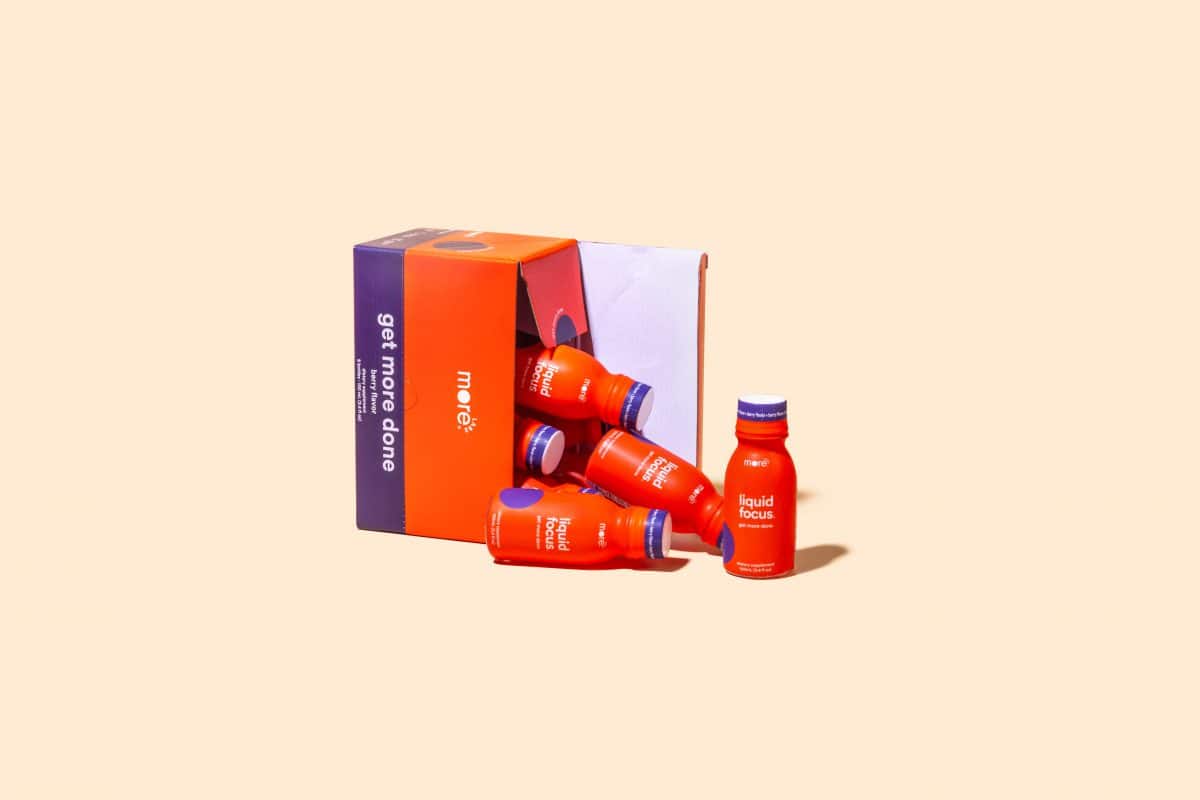
LOS ANGELES– More Labs ( www.morelabs.com ), the science-backed brand behind the liver-boosting shot, Morning Recovery, launches a new product, Liquid Focus, this week. Their newest biohacking beverage or “productivity drink” uses clinically-proven ingredients to help sharpen the mind, provide steady energy, and ease stress.
As a healthier alternative to energy drinks with added cognitive benefits that can be felt in as soon as 30 minutes, Liquid Focus helps support the natural production of neurotransmitters that are critical for concentration, motivation, and cognitive performance, provides smooth, clean, and sustainable energy while helping to neutralize the negative effects of caffeine, and reduce stress.
The team, led by ex-Tesla Product Manager Sisun Lee, was inspired to find a solution that was more effective than coffee and energy drinks and better-for-you than misused prescription drugs. “After learning recreational prescription smart drug use was on the rise, we realized there was a demand for those seeking a quick fix for focus, motivation, and attentiveness,” said Lee. “We’re excited to provide a healthy alternative to unhealthy brain-boosting solutions.”
Liquid Focus was developed by More Labs’ in-house head of research and development and product innovation, Dr. Fu Chen (a former FDA scientist), along with guidance from a scientific advisory board of doctors from the University of Southern California (USC), and a product innovation research expert at Ritual. It uses natural, cognition-enhancing ingredients known as nootropics, a category that is expected to experience rapid growth. ($6 billion by 2024, Zion Research.)
The ready-to-drink 3.4 oz (100ml) shot is the perfect solution for overworked, overscheduled, high-achieving professionals, undergrad and graduate students, and esports gamers that are looking to increase focus, boost output, and succeed.
Later this year, More Labs plans to expand into categories beyond alcohol recovery, hydration, and nootropics to launch a ready-to-drink, holistic sleep solution designed to help ease your mind and reduce caffeine levels in your body, so you can doze off faster and wake up restored. Other new additions include a revamp of packaging in an effort to make things more environmentally friendly and a new natural lemon ginger Morning Recovery flavor.
Liquid Focus is now available for purchase at morelabs.com and Amazon to buy as a one-time purchase or subscribe and save.
For More Information

The Power Within by Corey Daniels book available for only $2.99
Mind has both conscious and subconscious halves. These are likened to a driver and the truck he drives. The driver plans the destination and observes road conditions, while the truck provides motive power. Your subconscious mind is like the truck and it only goes in the direction in which is a steered. This can be the road or off a cliff. Likewise, the consciousness paints a picture of what the world is and what your goals are and the subconscious acts on them through emotion, physical response and energy, whether these are correct, rational images or false negative ones. The subconscious is also like an emotional reservoir which your body and mind draw responses from to external stimuli.
The Power Within lays out a method of programming your subconscious and tapping into the Holy Spirit, God voice or what the Greeks called the daimon (godman).