Nature Knows and Psionic Success
God provides
L-Carnitine Benefits, Side Effects & Dosage
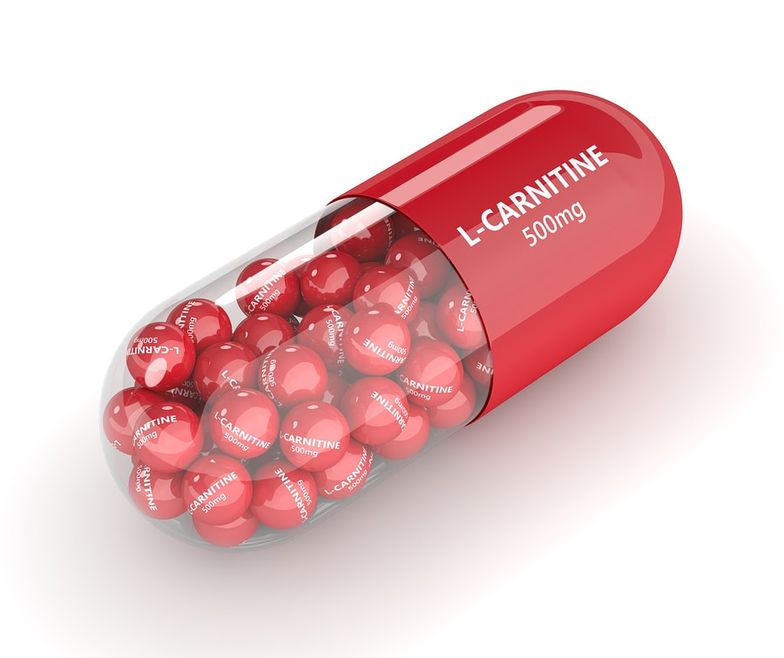
People use carnitine as an energy booster, antioxidant, and to support mood and cognition. Is the evidence there to support these uses? Read on to discover more about the health effects and side effects of carnitine. Carnitine is an amino acid found in nearly every cell of the body. It is a generic name for a variety of compounds such as L-carnitine, acetyl-L-carnitine, and propionyl-L-carnitine. The three are chemically similar and some of their benefits overlap. However, they have some distinct mechanisms of action and uses. Acetyl-L-carnitine is generally used to improve brain functioning and cognition [ 1 ]. L-carnitine is used to increase energy levels and physical performance [ 2 , 3 ]. Scientists think that all forms of carnitine play a vital role in the production of energy. Carnitine is said to help turn body fat into energy. It might also get rid of toxic compounds from the mitochondria to prevent their buildup. Carnitine is produced by the liver and kidneys and stored in muscle, brain, and heart tissue – all of which use fatty acids as energy [ 5 ]. You’ll get carnitine from meat, fish, poultry, and milk. People with genetic disorders, chronic diseases, and those on a vegetarian diet can often benefit from supplemental carnitine. The same is true for underweight and premature babies. Other conditions that cause carnitine deficiency include angina (chest pain ) and intermittent claudication (cramping leg pain from blocked arteries) [ 6 ]. The FDA has approved the use of L-carnitine (by mouth or intravenously) treating L-carnitine deficiency caused by certain genetic diseases, end-stage kidney disease, and other disorders. It’s known under the brand name Carnitor. However, other medical uses of carnitine supplements have not been approved by the FDA. Supplements generally lack solid clinical research. Regulations set manufacturing standards […]
Click here to view full article

The Power Within by Corey Daniels book available for only $2.99
Mind has both conscious and subconscious halves. These are likened to a driver and the truck he drives. The driver plans the destination and observes road conditions, while the truck provides motive power. Your subconscious mind is like the truck and it only goes in the direction in which is a steered. This can be the road or off a cliff. Likewise, the consciousness paints a picture of what the world is and what your goals are and the subconscious acts on them through emotion, physical response and energy, whether these are correct, rational images or false negative ones. The subconscious is also like an emotional reservoir which your body and mind draw responses from to external stimuli.
The Power Within lays out a method of programming your subconscious and tapping into the Holy Spirit, God voice or what the Greeks called the daimon (godman).