Nature Knows and Psionic Success
God provides
Smart Supplements For: Sharper, Calmer, Happier

The brain is arguably the body’s most complex and hungry organ. Densely packed with approximately 86 billion cells and a delicate super-highway of whisper-thin neural synapses, this cognitive hub consumes 20% of the body’s energy supply, keeping everything from memory and metabolism to sleep and energy running optimally—and what we feed the brain has a significant impact on how well it functions. “Your brain is involved in everything you think, feel and do. If you eat a fast-food diet, you will have a fast-food mind that is less capable of quick thinking and reliable decision making,” asserts clinical neuroscientist psychiatrist Daniel Amen, M.D., author of the forthcoming The End of Mental Illness and Founder of BrainMD. “Enhancing brain health is the foundation for all other goals, whether that’s achieving a healthy weight, reaching your personal best in sports or having more energy.” A brain-healthy diet and certain lifestyle tweaks can go a long way toward nourishing and protecting the brain for peak cognitive performance (read on for strategies), notes Dr Amen. But consumers are increasingly looking to “feed” the brain more targeted fuel to help buffer against the attention-depleting effects of the digital age, keep up with the demands of our go-go-go lifestyles and optimize mental energy for peak cognitive performance. “At BrainMD, we are finding that our customers want to gain a competitive edge,” says Dr. Amen, “and they’re looking to research-based, smart supplements as a way to do it.” Smart supplements or nootropics are gaining interest across generations, says Trisha Sugarek MacDonald, BS, MS, Senior Director of R&D/National Educator for Bluebonnet Nutrition Corporation. “Brain health is not just a concern for aging individuals; it is actually among the top five health concerns of consumers aged 18 to 75,” she notes. “2018 Gallup data shows the use of […]
8 Supplements for Detox and Liver Health
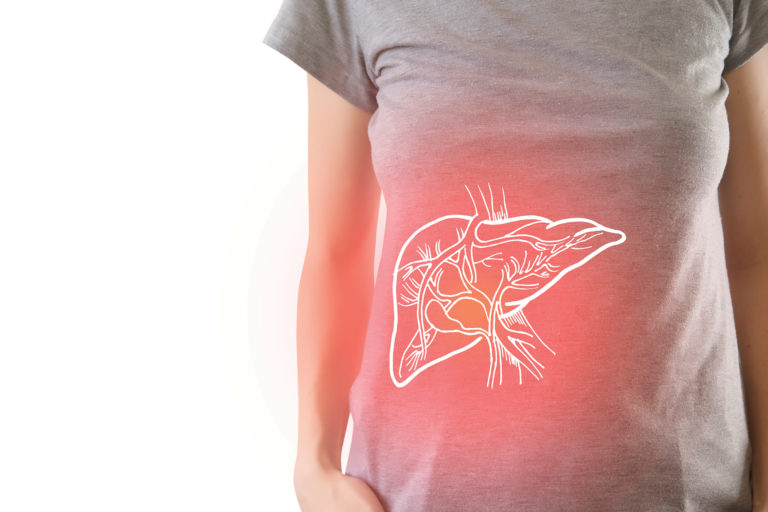
It’s called a “powerhouse organ” and “master multitasker”—and for good reason: More than 500 vital functions have been identified with the liver, including production of bile, which helps carry away waste and break down fats in the small intestine during digestion; resisting infections by making immune factors and removing bacteria from the bloodstream; and regulation of blood levels of amino acids, which form the building blocks of proteins (1). “Today we know that without a healthy liver, it’s impossible to have a properly working metabolism, healthy circulation, balanced hormones, clean blood and strong digestion,” reports Jillian Levy, CHHC, in “How to Improve Liver Function (in 5 Steps)” on DrAxe.com. Listing the benefits of a “well taken care of liver,” Levy points to increased energy levels, clearer skin, stronger immunity, better mood, a sharper mind and more (2). Maintaining a healthy lifestyle with a nutrient-rich diet and exercise will naturally help the liver do its job, but supplements can offer a helping hand in optimizing liver function. Eight to consider: 1. Milk Thistle (silymarin): Available in capsules, powders, and extracts, milk thistle is the most commonly used herbal supplement in the U.S. for liver concerns (3). Andrew Weil, M.D., tells his readers: “Silymarin has antioxidant and anti-inflammatory effects that may help the liver repair itself after being damaged by toxins.” It is nontoxic, he adds, “and European research shows that it stimulates regeneration of liver cells and protects them from toxic injury. It can also be useful in reducing allergy symptoms and indigestion” (4). 2. Turmeric: This spice has taken the spotlight as one of the hottest ingredients on the market. It has been shown to offer several health benefits, including helping liver detoxification. “Medicinal uses for turmeric began in ancient times when it was noted as an anti-inflammatory agent, […]
Brain Health Supplements Market: Comprehensive Study of Leading Key Players Explores Huge Growth in Future
Is That Your Joints Popping? Extracted from the purest herbs and plants found along the valleys and rivers of India. Akshar Ayurvedic Open Ad closed by Report this ad Why this ad? Ad was inappropriate Seen this ad multiple times Not interested in this ad Ad covered content Thanks. Feedback improves Google ads Ad closed by This press release was orginally distributed by SBWire Seattle, WA — ( SBWIRE ) — 11/21/2019 — Brain Health Supplements Report by Material, Application, and Geography – Global Forecast to 2022 is a professional and in-depth research report on the world’s major regional market conditions, focusing on the main regions (North America, Europe and Asia-Pacific) and the main countries (United States, Germany, united Kingdom, Japan, South Korea and China). Increasing number of product innovations and promotional activities by the market players has also contributed to the growth of the market. For instance, in February 2019, Jone Scientific has launched a product called Sophrosyne with mind boosting ingredients for better functioning of cognition and memory. Moreover, rising incidence of dementia symptoms affecting the brain functions is expected to augment the demand for brain health supplements, thereby driving the global market. Get Sample Report at: https://www.worldwidemarketreports.com/sample/195473 Safety concerns pertaining to alzheimer andkorsakoff syndrome among the young population and addition of vitamins and minerals as multi ingredients are expected to drive the acceptance of these products in the market. Specialty products in the dietary supplements market of U.S. contributed to 18.0% in 2018. Concerns pertaining to brain issues have been increasing at a high growth rate as compared to other health related problems in the last few years. In U.S., cognitive heath related issues have increased from 12.0% in 2006 to 74.0% in 2018. This growth is attributed to growing concerns over brain health diseases in […]
How to Increase Self-Awareness Without Meditation

The Three Components of Self-Awareness “Self-awareness means the ability to monitor our inner world — our thoughts and feelings. Mindfulness is one method for enhancing this essential capacity — it trains our attention to notice subtle, but important signals, and to see thoughts as they arise rather than just being swept away by them.” — Daniel Goleman Daniel Goleman calls self-awareness the “ keystone” of emotional intelligence . Without self-awareness, we cannot know what’s happening to ourselves, let alone manage relationships with others. In the quote above, Goleman doesn’t mention mindfulness by accident. The qualities of mindfulness — such as equanimity and non-judgment — are inherent in self-awareness, too. It’s not enough to simply notice what’s happening in your inner world. What you do with the thoughts and feelings after you notice them also matters a great deal. The moment you start judging your experience, you go from awareness to a story about how things should be . You start fighting reality instead of being aware of it. With this in mind, let’s take a closer look at what self-awareness is and what purposes it serves. Goleman proposes that, on one hand, it is one of the four components comprising emotional intelligence. On the other, self-awareness itself is a conglomerate of these three competencies : Emotional awareness — recognizing your emotions and the effect they have on you and others. Accurate self-assessment — recognizing your strengths and limits in an objective way (rather than viewing them through the lens of excessive self-doubt, for example). Self-Confidence — to have a sense of self-worth and competency that’s not easily shaken by the circumstances. When you look at self-awareness as a composition of those three, it becomes obvious that you can’t live a fully satisfying life without it. In my experience, I […]
7 Best Vitamins and Supplements to Combat Stress

While everyone has specific life stressors, factors related to job pressure, money, health, and relationships tend to be the most common. Stress can be acute or chronic and lead to fatigue, headaches, upset stomach, nervousness, and irritability or anger. Regular exercise, adequate sleep, and good nutrition are some of the best ways to better equip your body to combat stress, but several vitamins and supplements can also help. Here are the 7 best vitamins and supplements to help you combat stress. 1. Rhodiola rosea Rhodiola ( Rhodiola rosea ), is an herb that grows in the cold, mountainous regions of Russia and Asia. It has long been known as an adaptogen, a natural, non-toxic herb that stimulates your body’s stress response system to increase stress resistance ( 1Trusted Source ). The adaptogenic properties of rhodiola are linked to two of the herb’s potent active ingredients — rosavin and salidroside ( 2Trusted Source ). An 8-week study in 100 people with chronic fatigue symptoms, such as poor sleep quality and impairments in short-term memory and concentration, found that supplementing with 400 mg of rhodiola extract daily improved symptoms after just 1 week ( 3Trusted Source ). The symptoms continued to decline throughout the study. In another study in 118 people with stress-related burnout , taking 400 mg of rhodiola extract daily for 12 weeks improved associated symptoms, including anxiety, exhaustion, and irritability ( 4Trusted Source ). Summary Rhodiola is an adaptogenic herb that has been shown to improve symptoms associated with chronic fatigue and stress-related burnout. 2. Melatonin Getting adequate amounts of quality sleep is important for relieving stress. Stress is strongly linked to insomnia, a sleep disorder characterized by difficulties falling asleep or staying asleep — or both ( 8Trusted Source , 9Trusted Source ). That said, achieving adequate […]
Does music hinder exam preparedness

in the groove:with Fred Zindi Over the last two weeks I have been watching students at the University of Zimbabwe studying in groups in order to prepare for their end of semester examinations. These students are lucky because they have an endless supply of electricity throughout the day and night. So they take full advantage of this privilege in many forms, which include ironing their clothes, charging their cellphones and watching television at no extra charge. What amazed me was that some groups of students studied with their radios on or mobile phones playing background music on full blast. I began to wonder whether having background music while studying has an effect on concentration. I did not have an answer to this except verbal statements from friends. Long ago when I was doing my O’levels, friends used to tell me that background music helps concentration when undertaking studies. I started looking for literature on this topic and what I found out was the opposite of what I and many students believe. I discovered that people who listen to music while they are studying may be doing more harm to themselves than good. Of course, there is an exception to this rule. Music students such as those undertaking the current music degree being offered by the Midlands State University (MSU) in Harare have no choice as playing music is part of their practical examination preparedness. I understand that they finished their examinations last week. This group included the likes of Clive Mono Mukundu, Tafadzwa Marova, Godfrey Mampondo, Amavel Pinto, Forward Mazuruse and Memory Chinamasa. I can’t wait to see their results when they are published. This will give me a clue as to whether music helps concentration. Edith We Utonga, who was on this programme last year passed with flying […]
9 tips to improve concentration in students

Students vary immensely in their ability to focus and concentrate. Some students are fidgety and easily distracted while others have the innate ability to sit quietly and absorb every word the teacher says. It is important to acknowledge that not all children who find it difficult to focus have a learning disability such as Attention Deficit Disorder (ADD) or Attention Deficit Hyperactivity Disorder (ADHD). In many cases, inattention may be caused by external factors which can be remediated. Some factors that may contribute to lack of focus are: 1. Not understanding what is being taught 2. Not being challenged enough 3. Lack of sleep 4. Lack of motivation 5. Lack of practice 6. Disorganisation 7. School anxiety 8. Distractions 9. Stress from family life 10. Hunger As you likely already know, the ability to concentrate and to focus on tasks at hand goes a far way in determining good academic outcomes. It is natural for the brain to wander, even moreso in children, but concentration, like any muscle, can be strengthened over time regardless of age and personality. The more you practice focusing, the better you become at doing it. Tips for Improving Concentration at Home 1. Prepare a distraction-free environment — Ensure that all gadgets and devices are switched off during study and homework time. This includes televisions, radios, cellphones and laptops (if not required). 2. Feed children healthy food — Food is the body’s fuel, so eating healthily improves all aspects of bodily function. Reduce sugary foods, junk foods and caffeine. Instead, food rich in proteins such as almonds, eggs and lean meat have the ability to increase focus. Greens and fruits give the body a boost of antioxidants which enhances brain power. Recent research points to the benefits of Omega 3’s for brain function. 3. Allow […]
Optogenetics and your brain: Researchers study the therapeutic potential of light
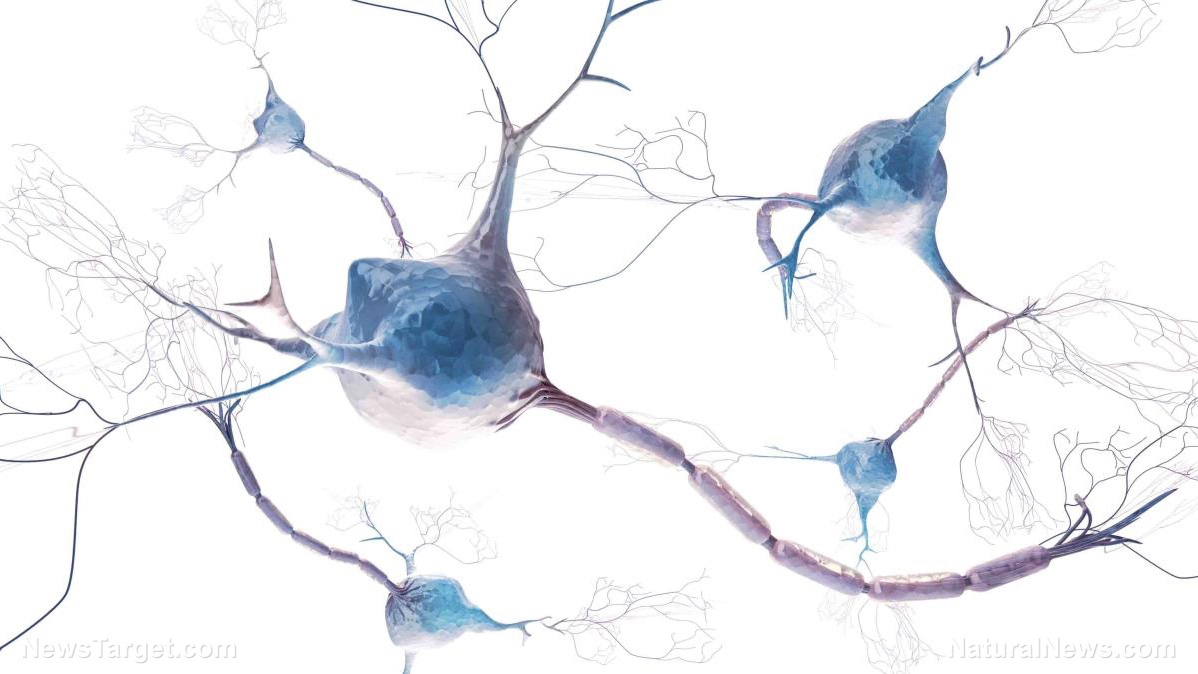
( Natural News ) Can light restore vision to blind people and help treat paralysis in patients with Parkinson’s disease? German researchers have recently examined the possibility of stimulating light-sensitive proteins to achieve therapeutic effects on various health conditions. Optogenetics is a technique that manages processes in the brain through light-based stimulation. It achieves its effects through light-controlled proteins like channelrhodopsin-2, which activate when they come into contact with photons. Channelrhodopsin-2 serves as an ion channel for the cellular membrane of unicellular green algae. It and other similar proteins serve as a mix of gate and gatekeeper for the cell – they determine whether or not an ion may pass through the layer. In the presence of sufficient photons, light-controlled ion channels unlock the gate to the cell. Ions pass through the open channel and get used in vital cellular processes such as photosynthesis. (Related: Your skincare routine could use myrcene: Studies reveal its anti-photoaging properties .) “It is feasible that light might be used to make blind people see or to treat agitated paralysis in Parkinson’s patients,” remarked Ruhr-University Bochum (RUB) researcher Klaus Gerwert. He served as an author of the study. How does channelrhodopsin-2 achieve the effects needed for optogenetic therapy? Gerwert, his RUB colleagues, and their counterparts at Humboldt University of Berlin (HU) investigated how channelrhodopsin-2 functions when getting stimulated by light. They learned much about its mode of action. Discover how to prevent and reverse heart disease (and other cardio related events) with this free ebook : Written by popular Natural News writer Vicki Batt, this book includes everything you need to know about preventing heart disease, reversing hypertension, and nurturing your cardiac health without medication. Learn More. Discovered by Max Planck Institute of Biophysics researcher Peter Hegemann and discussed in a 2003 study, channelrhodopsin-2 […]
11 Boswellia (Frankincense) Benefits + Side Effects
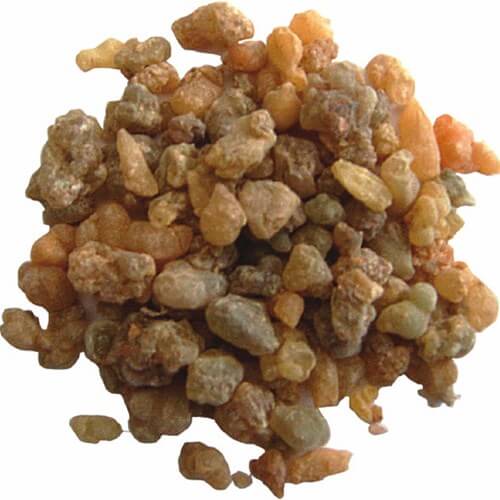
Boswellia resin or frankincense is an age old natural remedy and a tool for spiritual ceremonies. Folks have used it to relieve pain and inflammation, heal the joints, improve blood flow, and more. Modern research supports many of its traditional uses and reveals other potentials. Read on to learn the benefits, dosage, and side effects of Boswellia. What is Boswellia? Boswellia resins, also known as frankincense/olibanum, are obtained from Boswellia trees. Incisions are made in the trunks of the trees to produce exuded gum, which appears as milk-like resin and hardens into orange-brown gum resin [ 1 , 2 ]. There are many Boswellia species and varieties, including Boswellia sacra from Oman and Yemen, Boswellia carteri from East Africa and China, Boswellia frereana from Somalia and Boswellia serrata from India. Today the most traded frankincense is produced in Oman, Yemen, and Somalia. Boswellia resins have been considered throughout the ages to have a wealth of healing properties [ 3 ]. Snapshot Proponents: Great anti-inflammatory Protects the gut and skin Improves joint function May support cognition and mental health May help with diabetes Skeptics: May cause nausea and heartburn Has poor absorption Most benefits lack solid clinical evidence Since ancient times, frankincense has been used in Africa, China, India, and the Middle East for the prevention and treatment of various illnesses, especially chronic inflammatory diseases [ 3 ]. Resins from this herb have been traditionally used to treat rheumatoid arthritis and other inflammatory diseases such as Crohn’s disease [ 1 ]. Boswellia serrata is one of the most valued ancient herbs in Ayurveda. In the Indian system of medicine, it has been used as an anti-inflammatory, anti-arthritic, and analgesic agent [ 4 ]. In Traditional Chinese Medicine, frankincense of B. carterii is commonly used as a remedy for improving blood […]
4 Uses of Cerebrolysin + Side Effects
Cerebrolysin is a nootropic drug that may improve cognitive function and memory. A number of countries use this drug to treat dementia, stroke, and brain injury. Read more to learn about the effects and uses of this drug and its potential side effects. What Is Cerebrolysin? Cerebrolysin is purported to be a nootropic, a “smart drug” that can improve cognitive function. It is a mixture of amino acids and proteins derived from pig brains, including: These proteins are also found naturally in the human brain, where they play an important role in brain cell development and repair [ 2 ]. Cerebrolysin is not approved for medical use in the United States. However, this drug is sometimes used in a number of European and Asian countries for the treatment of stroke, traumatic brain injury, and dementia [ 3 , 4 ]. According to research, Cerebrolysin may work by: Improving brain cell communication, which enhances learning capacity [ 8 , 9 , 2 ]. Increasing brain energy (by increasing glucose uptake by brain cells) and protein production in cells [ 10 , 11 ]. Decreasing brain levels of beta-amyloid deposits, which are linked to Alzheimer’s disease [ 12 ]. Cerebrolysin is not approved for medical treatment in the United States. Other countries sometimes use this drug for the treatment of several conditions, which are described below. Cerebrolysin should always be taken under the guidance of a doctor. A number of clinical studies suggest that Cerebrolysin may help improve cognition, motor function, and recovery time in patients that have experienced an acute stroke [ 14 , 15 , 16 , 17 , 18 , 19 ]. For example, one randomized placebo-controlled multicenter clinical trial of 208 patients examined the effects of taking Cerebrolysin within 72 hours of a stroke and for 21 […]
33 Vitamin C Benefits + Dosage, Natural Sources
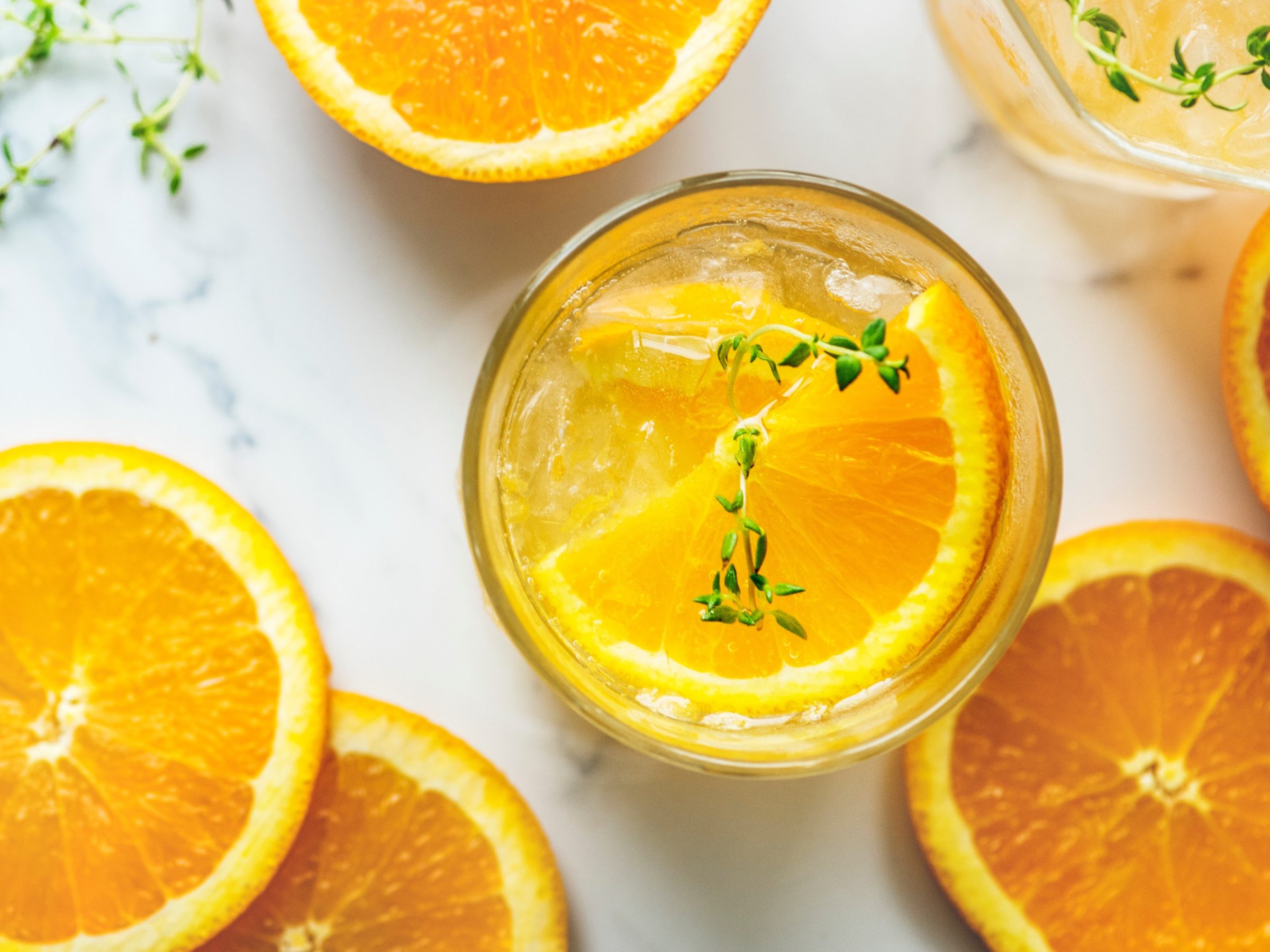
Vitamin C, or ascorbic acid, is absolutely essential for brain health, blood flow, and immunity. Should you supplement? Read on to find out. What is Vitamin C? Vitamin C (ascorbic acid) is an essential water-soluble micronutrient that has had a dramatic influence on world history. Naval and sea battles have literally been won and lost based on the numbers of the naval forces sick with scurvy (severe Vitamin C deficiency) [ 1 ]. Vitamin C is the most effective antioxidant in our blood, due to its water solubility and to the wide range of radical oxygen species ( ROS ) that it can scavenge [ 1 , 2 ]. It’s great for a whole range of health issues, like high blood pressure, stroke, cancers, atherosclerosis, inflammation and obesity [ 3 , 4 ]. In this article, I will take you through exactly what the science says Vitamin C could do for your health. Vitamin C Snapshot Proponents: Helps prevent colds & flu when the body is stressed Very safe A lot of people find high dose vitamin C very good for immunodeficiency, chronic toxin or infectious problems Good anti-oxidant and anti-inflammatory Good for mood Good for skin & bone health Good for a wide array of conditions Good for histamine intolerance High dose vitamin C has anti-cancer effects Skeptics: May cause kidney stones Can cause a bit of nausea or stomach upset Can cause loose stools if too much is taken Functions of Vitamin C Vitamin C is an essential nutrient and antioxidant with a number of important functions in the body. As such, vitamin C deficiency can produce serious symptoms. Vitamin C is extremely important as an antioxidant owing to its ability to neutralize oxygen and nitrogen-based radicals, and because it also recycles both vitamin E and BH4 […]
6 Health Benefits of Benfotiamine + Mechanisms

Benfotiamine is a synthetic version of thiamine , also known as vitamin B1 , which is essential for many of the body’s functions including strengthening the immune system and protecting the brain. Research suggests benfotiamine may be especially useful for protecting the body from the harmful byproducts of too much sugar and improving symptoms of diabetes and Alzheimer’s disease. Keep reading to learn more about this supplement. What Is Benfotiamine? Benfotiamine is a fat-soluble derivative of thiamine (vitamin B1) that is more easily absorbed through digestion [ 1 ]. Benfotiamine is altered by gut enzymes (phosphatases) and then broken down into thiamine by red blood cells or in the liver [ 2 ]. In animal studies, taking a benfotiamine supplement increased blood levels of vitamin B1 five times as much as an equal dose of thiamine [ 3 , 4 ]. Mechanisms of Action Benfotiamine may work by: Activating the enzyme transketolase, a necessary part of the pentose phosphate pathway that turns sugars into sources of energy instead of harmful advanced glycation end-products (AGEs) [ 5 , 2 , 6 , 6 ] Changing the production of specific enzymes ( Nos3 , PKB/ Akt ) to increase cell regeneration and reduce cell death [ 7 , 8 , 9 , 10 ] Altering how energy is used in cells to enhance healthy growth and suppress cancer development [ 11 , 7 , 12 ] Health Benefits of Benfotiamine Possibly Effective for: 1) Complications from Diabetes Although it increased both insulin levels and the breakdown of sugar for energy in animal and cell-based studies, the most promising benefit of benfotiamine in diabetics comes from its ability to block the production of the sugar byproducts that cause diabetic complications (advanced glycation end-products or AGEs) [ 17 , 5 , 18 ]. […]
13 Health Benefits of Manganese Supplements + Side Effects
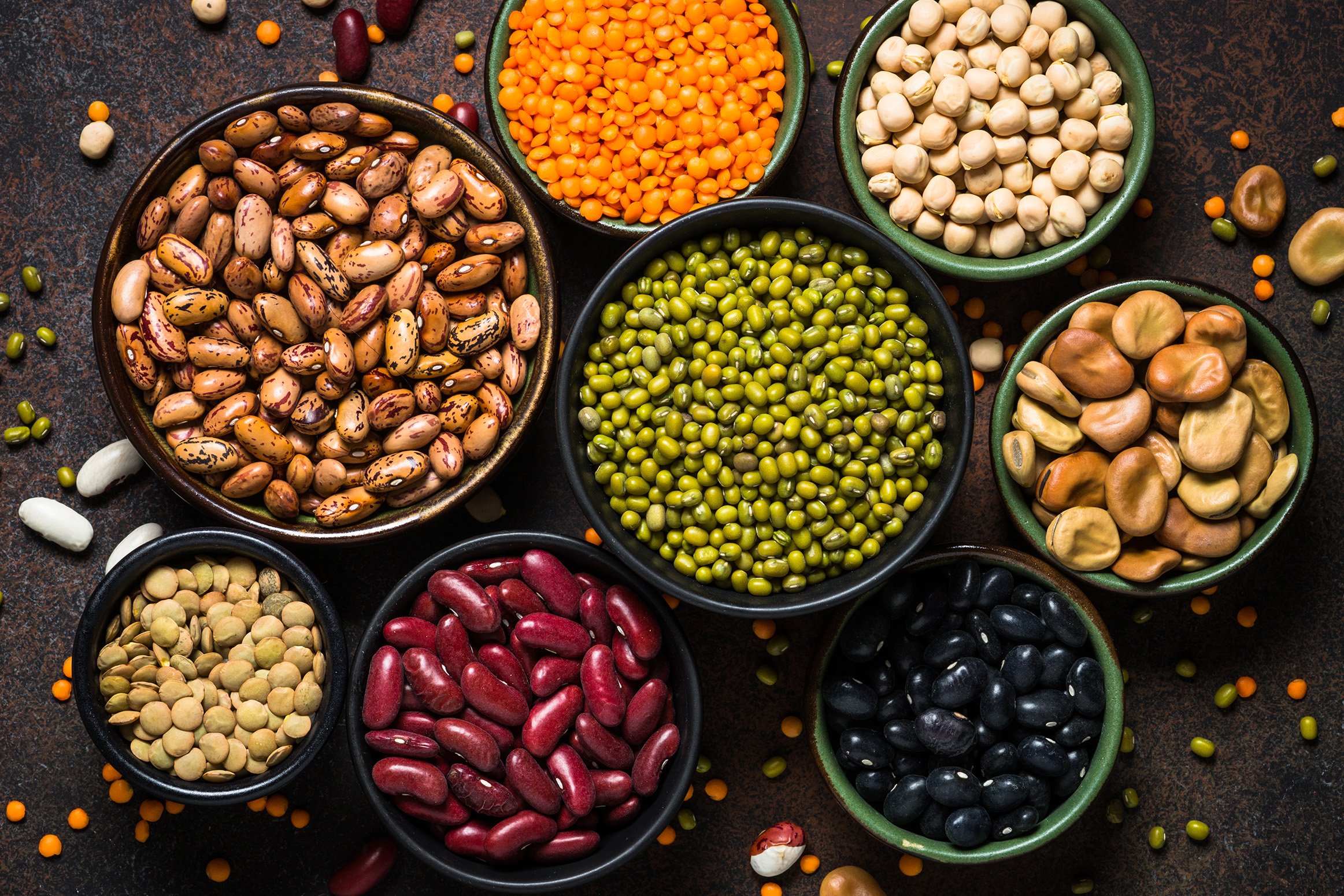
We need small amounts of manganese for stronger bones and sharper brains. It may also protect against depression, seizures, diabetes, and cancer, but beware when supplementing with this metal, because higher doses can be toxic. Manganese is a trace metal essential to all forms of life. It is required for the normal development , growth , and function of our bodies [ 1 , 2 , 3 ]. Manganese serves as an essential part of important enzymes such as glutamine synthetase and superoxide dismutase [ 4 , 2 ]. These enzymes play a role in: Manganese is a required part of a healthy diet. However, despite its many benefits, exposure to excess levels can be toxic [ 8 ]. That is why it is necessary to keep manganese levels in balance . Because it’s found pretty much everywhere, you’re more likely to have excess manganese than to be deficient . Manganese, within antioxidant enzymes, protects against oxidative stress and cell damage [ 9 ]. Manganese superoxide dismutase ( MnSOD ) is the cell’s most important antioxidant enzyme . It neutralizes the toxic effects of reactive oxygen species (ROS) in mitochondria. MnSOD also protects cells from inflammation and cancer-causing agents, such as toxic chemicals and radioactive materials [ 10 , 8 , 11 ]. If you are deficient in manganese, you will have reduced MnSOD activity, which leads to cellular damage and dysfunction [ 11 ]. Support your MnSOD by making sure you get enough manganese. In a study of 47 young women, those taking manganese supplements had lower oxidative stress [ 12 ]. As part of an important antioxidant enzyme called superoxide dismutase, manganese protects against oxidative stress and free radicals. Several enzymes important for brain function work only in the presence of manganese [ 13 ]. In a […]
Olive Leaf Extract (Oleuropein & Hydroxytyrosol) Benefits
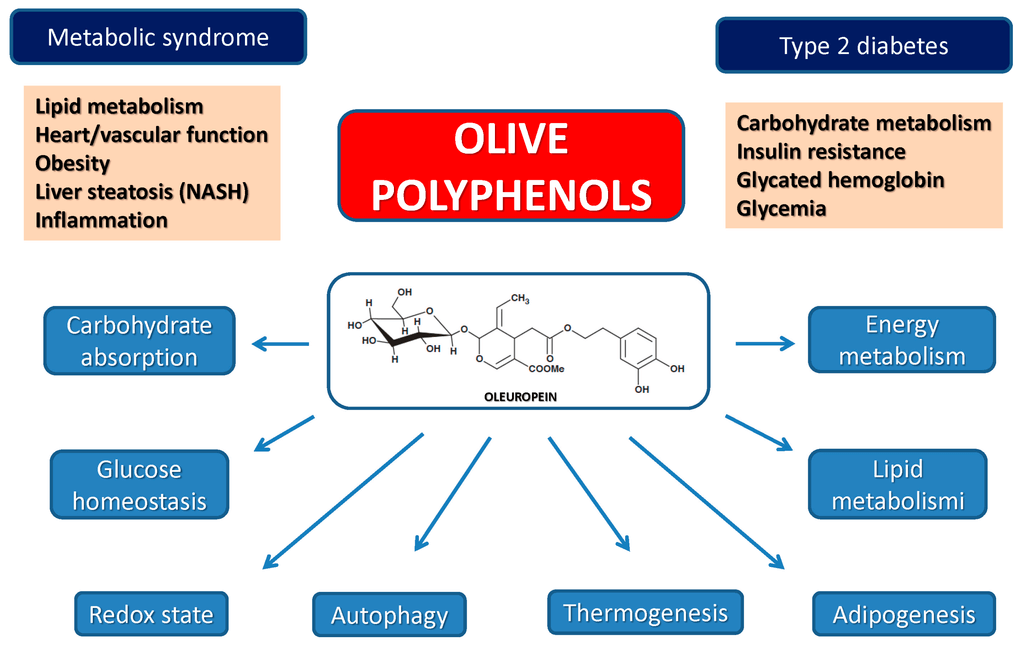
The phenolic compounds present in olive leaves, especially oleuropein, have been found to have therapeutic effects for many conditions. Olive leaf extract can help with high blood pressure, diabetes, obesity, Alzheimer’s, or heart disease. It’s even known to prevent genetic damage and cancer growth. If you suffer from any of these conditions, find out how olive leaf extracts can help you! Olive leaf extract is characterized by a high content of polyphenols, which are micronutrients we get through our diet (such as eating olive oil) [ 1 ]. Olive phenols and their derivatives are associated with many therapeutic properties. The health benefits gained from these polyphenols depend on how much is consumed, and on how much the body can absorb [ 2 ]. The ability of olive leaf extracts to scavenge reactive oxygen species is associated with the protection against heart diseases and metabolic disorders [ 3 ]. Great antioxidant Protects the heart Strengthens bones Lowers blood pressure Has anti-cancer properties Cognitive benefits Protects the brain from toxins Good for an array of conditions May interact with blood pressure medication May interact with blood sugar medication Enhanced differentiation into osteoblast; Increased gene expression of osteoblastogenesis markers RUNXII, osterix, collagen type 1, osteocalcin, and alkaline phosphatase [ 4 ]. Prevented the reduction of left ventricular developed and systolic pressures, the rate of increase/decrease of left ventricular pressure, stroke volume, ejection fraction and cardiac output, and serum superoxide dismutase and glutathione reductase [ 7 ]. Prevented the increase of serum malondialdehyde, interleukin-1 β, TNF -α, creatine kinase-MB, and troponin I, lactate dehydrogenase, and infarct area [ 7 ]. In a study of men with high blood pressure, oleuropein significantly lowered systolic and diastolic blood pressure . It also lowered fat and cholesterol levels in the blood [ 9 ]. Oleuropein delayed […]
11 Apigenin Benefits

Apigenin is a natural compound found in many fruits and vegetables. While its full effects in humans have been barely figured out, there is some preliminary evidence that apigenin can help calm nerves, provide antioxidant effects, and even help fight cancer. What Is Apigenin? Apigenin is an antioxidant compound that naturally occurs in plants. It can be found in fruits and vegetables, such as parsley, onions, oranges, tea, chamomile , wheat sprouts, and some seasonings. Outside of its biological effects, it is a yellow crystalline that is typically used to dye garments. Its effects in animals have been thoroughly studied, while few human studies testing this substance exist. Nevertheless, preliminary research on apigenin has observed potential anti-inflammatory, antioxidant, and anticancer properties. Health Benefits of Apigenin Insufficient Evidence for: 1) Anxiety and Depression In a clinical trial on 57 people with generalized anxiety disorder, a German chamomile extract standardized to 1.2% apigenin reduced anxiety symptoms. In a further trial on the same population, the extract also improved depression in all the patients [ 1 , 2 ]. Apigenin improved depression caused by cortisol treatments in mice [ 3 ]. The levels of the stress hormone cortisol were decreased in human adrenal cells exposed to apigenin . At high doses, apigenin blocks the cortisol-producing enzyme CYP11 B1 [ 4 , 5 ]. Two clinical trials testing an apigenin-containing extract on the same population and some animal and cell-based research are insufficient to support the use of apigenin for anxiety and depression until more clinical research is conducted. 2) Skin Health In a clinical trial on 40 women, apigenin cream increased skin density and elasticity while reducing wrinkle length. In cells, it reduced the damage caused by UV radiation [ 6 ]. In mice, topical apigenin improved skin permeability barrier function by […]
10 Benefits of Cold Exposure & Cold Showers + Precautions

From freezing showers to cryotherapy tanks, cold exposure is in vogue amongst health-conscious people. And rightly so, given its potential to boost fat burning, shield the nerves, strengthen the immune system, and more. In this article, we will explore the science behind cold exposure, ways to practice it, and important precautions. What is Cold Therapy? Cold therapy is not a new invention; it is among man’s earliest medical treatments. The Edwin Smith Papyrus (3500 BC), the most ancient medical text, repeatedly mentioned cold therapy [ 1 ]. However, until the late 1980s, cold exposure remained relatively unappreciated by modern, allopathic medicine [ 1 ]. More recently, cold therapy has been increasingly used to prevent or mitigate various types of neurologic injury [ 2 ]. Even so, the numerous benefits of cold therapy remain relatively hidden and untapped. Hopefully, this article will give you an insight into how you can leverage cold exposure to optimize your health and performance. Benefits of Cold Exposure This post doesn’t suggest rapid immersion into cold water. That may cause dangerous, and even fatal, changes in the breath and heart rates, known as the cold shock response [ 3 ]. Be cautious with any form of sudden temperature change in your environment, especially if you have heart disease or other chronic conditions. Make sure to consult your doctor before making any major changes to your daily routine. Humans have stores of active brown fat tissue (BAT) . Unlike white fat, which stores energy and comprises most body fat, brown fat is active in burning calories and using energy [ 4 ]. BAT can essentially turn calories from food into heat [ 5 , 6 ]. Indeed, studies show that cold exposure increases BAT activity which leads to increased calorie expenditure . Researchers concluded that frequent […]
11+ Health Benefits of Lactobacillus plantarum (L. plantarum)
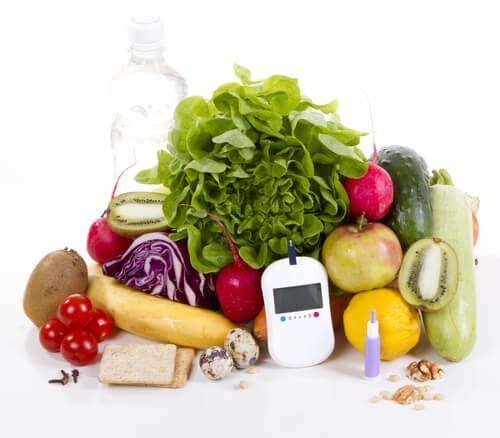
The gut microbe L. plantarum is a promising probiotic for diarrhea, high cholesterol, and atopic dermatitis. How does it work, and what other benefits might it have? Learn more here. What is Lactobacillus plantarum? Lactobacillus plantarum is a widespread species of lactic acid bacteria. It is commonly found in many fermented plant products such as sauerkraut, pickles, brined olives, and Korean kimchi. L. plantarum is an antioxidant with anticancer, anti-inflammatory, antiobesity and antidiabetic properties [ 1 ]. B vitamins L. plantarum isolated from raw cow’s milk is able to produce B-group vitamins riboflavin ( B 2 ) and folate (B 9 ) [ 2 ]. Iron Absorption L. plantarum can increase iron absorption from a fruit drink in healthy women by approximately 50% [ 3 ]. L. plantarum can increase iron absorption from an oat base in women by over 100% [ 4 ]. Calcium Absorption Fermented milk containing L. plantarum showed higher calcium retention uptake [ 5 ]. Potential Benefits L. plantarum probiotic supplements have not been approved by the FDA for medical use and may lack solid clinical research. Regulations set manufacturing standards for them but don’t guarantee that they’re safe or effective. To prevent rare side effects, speak with your doctor before using probiotics. 1) Diarrhea Lactobacillus probiotics have shown a great deal of promise for improving the diarrhea associated with various disorders, including traveler’s diarrhea and antibiotic-associated diarrhea [ 6 , 7 ]. In a clinical trial of 438 children with antibiotic-associated diarrhea, L. plantarum probiotics reduced the incidence of loose or watery stools and abdominal pain, without producing adverse side effects [ 7 ]. 2) Skin Health In clinical trials, L. plantarum significantly increased the skin water content in the face and hands. Volunteers in the probiotic group had a significant reduction in wrinkle […]
Nuriv Launches Lineup of CBD Formulations
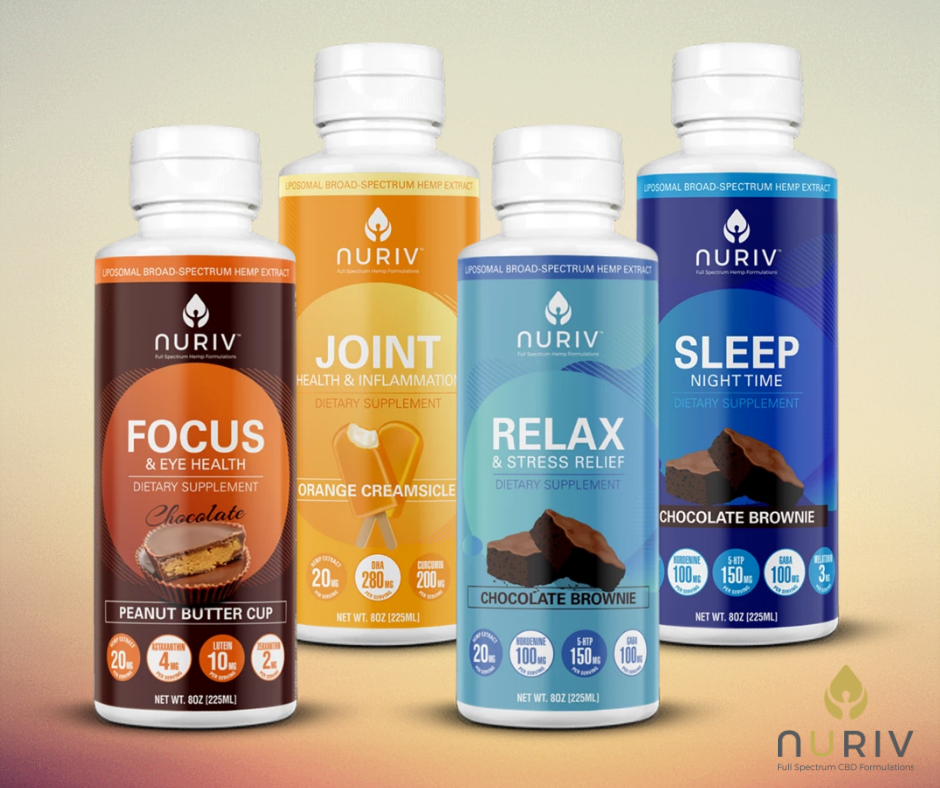
POMONA, Calif. — At one time, it was a highly misunderstood substance extracted from the cannabis plant. Today, it is touted as one of the most beneficial natural remedies throughout the health and wellness industry and their consumers. Cannabidiol, better known as CBD, interacts with neuroreceptors in the brain to produce positive effects on things such as pain, mood, memory, and sleep, but unlike THC, it doesn’t possess the psychoactive properties. As CBD becomes more accessible to consumers, finding the most effective, high-quality formula can be arduous. For consumers looking to find relief with CBD supplementation, they should consider quality, taste, and effectiveness as CBD is not easily absorbed by the body and is often in the form of oil, which can be unsavory to the palate. Nuriv® is changing the landscape with cutting-edge science and technology. Because CBD is not a highly absorbable substance, Nuriv utilizes a patented formulation making it more bioavailable through CBD micellization. The particle size of the compound is too large to efficiently pass through the lining of the gut, but through micellization, difficult-to-absorb compounds, such as cannabinoids, can be converted into liposomal micelles. These micelles are pre-digested and encapsulated to be in the range of 10-20 nanometers in diameter to efficiently pass through the lining of the gut and improve viability. Nuriv’s CBD micellization technology has allowed the California-based company to formulate a CBD supplement with greater integrity, better taste and more versatility than other CBD alternatives. Nuriv utilizes USA farm grown natural Hemp from organic non-GMO sources that contain high level of Cannabidiol (CBD). Their exclusive lineup consists of broad spectrum CBD with MCTs for use as a coffee creamer and other beverage enhancements. Wake up with french vanilla, warm up with hazelnut, or indulge with chocolate brownie batter. For consumers seeking […]
Reichelt: What science says about the brain and sugar

Paramount Pictures // Special to Western News Knowing the full truth behind sugar and its impact on the brain might take a little of the shine off that Golden Ticket. Even though it’s not easy to break habits like always eating dessert or making your coffee a double-double, Western Postdoctoral Scholar Amy Reichelt stresses that your brain will thank you for making positive steps. We love sweet treats. But too much sugar in our diets can lead to weight gain and obesity , Type 2 diabetes and dental decay . We know we shouldn’t be eating candy, ice cream, cookies, cakes and drinking sugary sodas, but sometimes they are so hard to resist. It’s as if our brain is hardwired to want these foods. As a neuroscientist my research centres on how modern day ‘obesogenic,’ or obesity-promoting, diets change the brain. I want to understand how what we eat alters our behaviour and whether brain changes can be mitigated by other lifestyle factors. Your body runs on sugar – glucose to be precise. Glucose comes from the Greek word glukos which means sweet. Glucose fuels the cells that make up our body – including brain cells (neurons) . Dopamine ‘hits’ from eating sugar On an evolutionary basis, our primitive ancestors were scavengers. Sugary foods are excellent sources of energy, so we have evolved to find sweet foods particularly pleasurable. Foods with unpleasant, bitter and sour tastes can be unripe, poisonous or rotting – causing sickness. So to maximize our survival as a species, we have an innate brain system that makes us like sweet foods since they’re a great source of energy to fuel our bodies. When we eat sweet foods the brain’s reward system – called the mesolimbic dopamine system – gets activated. Dopamine is a brain chemical […]
This Is Your Brain on Sugar: Why We Crave Sweets and How They Can Impair Memory

The average Canadian adult consumes more than triple the daily limit of 25g added sugar recommended by the World Health Organization. We love sweet treats. But too much sugar in our diets can lead to weight gain and obesity , Type 2 diabetes and dental decay . We know we shouldn’t be eating candy, ice cream, cookies, cakes and drinking sugary sodas, but sometimes they are so hard to resist. It’s as if our brain is hardwired to want these foods. As a neuroscientist my research centres on how modern day “obesogenic,” or obesity-promoting, diets change the brain. I want to understand how what we eat alters our behaviour and whether brain changes can be mitigated by other lifestyle factors. Your body runs on sugar — glucose to be precise. Glucose comes from the Greek word glukos which means sweet. Glucose fuels the cells that make up our body — including brain cells (neurons) . 3D illustration of neurons in human brain. (Photo: Shutterstock) Dopamine “hits” from eating sugar On an evolutionary basis, our primitive ancestors were scavengers. Sugary foods are excellent sources of energy, so we have evolved to find sweet foods particularly pleasurable. Foods with unpleasant, bitter and sour tastes can be unripe, poisonous or rotting — causing sickness. So to maximize our survival as a species, we have an innate brain system that makes us like sweet foods since they’re a great source of energy to fuel our bodies. When we eat sweet foods the brain’s reward system — called the mesolimbic dopamine system — gets activated. Dopamine is a brain chemical released by neurons and can signal that an event was positive. When the reward system fires, it reinforces behaviours — making it more likely for us to carry out these actions again. Dopamine “hits” […]

The Power Within by Corey Daniels book available for only $2.99
Mind has both conscious and subconscious halves. These are likened to a driver and the truck he drives. The driver plans the destination and observes road conditions, while the truck provides motive power. Your subconscious mind is like the truck and it only goes in the direction in which is a steered. This can be the road or off a cliff. Likewise, the consciousness paints a picture of what the world is and what your goals are and the subconscious acts on them through emotion, physical response and energy, whether these are correct, rational images or false negative ones. The subconscious is also like an emotional reservoir which your body and mind draw responses from to external stimuli.
The Power Within lays out a method of programming your subconscious and tapping into the Holy Spirit, God voice or what the Greeks called the daimon (godman).