Nature Knows and Psionic Success
God provides
This Ayurvedic regime will help banish the afternoon slump and leave you feeling *so* energised
There are some days when, no matter how much sleep you’ve had the night before, you’ll experience that much-loathed, post-lunch afternoon slump. If you’re struggling – even after an afternoon espresso – to refocus, an Ayurvedic-inspired regime designed to boost your post-lunchtime energy might be the solution. Ayurvedic-inspired book, Prajna by Mira Manek , is packed full of Ayurvedic rituals and routines for the entire day, from energy boosting hacks to kickstart your day, to night-time practices that’ll ensure an incredible night of sleep. Here, Mira shares her top tips for boosting your afternoon energy slump… Hydrate, hydrate, hydrate! Dehydration can cause tiredness; in fact, it is one of the main causes of tiredness. Your alertness and mood are all affected if you’re not drinking enough water . An easy way to see if you’re having enough water is by checking the colour of your urine: pale yellow means you’re hydrating well whereas dark yellow probably means you need more water. Keep a large bottle by your desk and keep refilling it. Add a squeeze of lemon if you want to enhance the flavour and aid digestion . If you’re keeping a bottle there but forgetting to drink the water, stick a ‘Drink Me’ label on it, or buy a brightly coloured bottle, so it attracts your attention. Or even set a reminder on your phone. Sometimes, it’s the simplest things that will get you into the habit. Once you get used to drinking more water, you’ll realise how much you need it and so you will naturally start reaching for it. Will coffee really wake me up? One of those quick-fix answers, a well-deserved break, an excuse to get fresh air, coffee is often the first thing we think of to tackle that mid-afternoon slump. However, caffeine is […]
Dementia warning: Including too much of this in your diet may increase your risk

Dementia is an umbrella term for a collection of symptoms associated with brain damage by diseases, which tends to affect people over the age of 65, although it is not a natural part of ageing. While there is no certain way to ward off dementia, research is increasingly suggesting a healthy lifestyle can help reduce a person’s risk of developing dementia. The growing consensus among experts is that what is good heart is also good for the brain, which also means the dietary decisions that are bad for the heart may also be harmful for the brain. Dementia: Eat this popular food to reduce your risk The new study advances research published last year in Nature Neuroscience by Dr. Faraco and senior author Dr. Costantino Iadecola, director of the Feil Family Brain and Mind Research Institute and the Anne Parrish Titzell Professor of Neurology at Weill Cornell Medicine. The 2018 study found that a high-salt diet caused dementia in mice, showing that the rodents became unable to complete daily living tasks such as building their nests and had problems passing memory tests. After ruling out the theory that high salt intake was restricting blood flow in the mice, the researchers posited that high salt consumption may cause tau proteins in the brain to become unstable. The protein tau is known to form tangles in the areas of the brain important for memory and then move through the brain as symptoms progress, and increasing evidence suggests this process may be an underlying trigger of brain decline. DON’T MISS Dementia symptoms: Signs of frontotemporal dementia – are you at risk? [INSIGHT] Dementia symptoms: Early sign of Lewy body dementia when you sleep – are you at risk? [INSIGHT] Dementia symptoms: Early signs of one of the most common types – vascular […]
New studies show that high cholesterol REDUCES mortality, revealing total scam of statin drugs, Big Pharma’s biggest profit generator
( Natural News ) The myth that cholesterol is somehow toxic to the human body has greatly enriched the pharmaceutical industry, generating profits to the tune of billions for drug companies that mass market their cholesterol-lowering statin drugs to heart patients. But it’s important to remember that science doesn’t actually support this farce , and in fact shows that cholesterol is good for the human body, helping to decrease mortality. This might not be news to our regular readers, but it remains a mystery to millions of Americans who still believe that egg yolks are going to kill them, along with animal fat. A new analysis evaluated by American Thinker ‘s Thomas Lifson reiterates the fact that cholesterol is not a cause of heart attacks, as many people have been led to believe. The truth is that cholesterol helps to protect against heart attacks, which means that statin drugs actually work against your body’s best interests. Pointing to an extensive data analysis published at Medium.com , Lifson explains how high cholesterol, and LDL (low-density lipoprotein) cholesterol in particular, helps to decrease mortality risk, completely contradicting the official narrative about cholesterol that’s pervaded the public psyche for many decades. Penned by P.D. Mangan, the analysis concludes that cholesterol has no connection whatsoever to heart disease, and actually contributes to its prevention. That’s right: Eating bacon and eggs every morning won’t kill you, and may in fact prolong your life – just be sure to buy the clean varieties that come from pasture-raised animals if these foods are part of your dietary routine. Discover how to prevent and reverse heart disease (and other cardio related events) with this free ebook : Written by popular Natural News writer Vicki Batt, this book includes everything you need to know about preventing heart disease, […]
Which brain cells are active during deep sleep – and how do they affect memory formation?

( Natural News ) There are neurons in the brain that activate during deep sleep to create memories. A new animal study showed that these brain cells might be the same as the ones responsible for investigating new objects . The experiment tracked the activity of single cells deep in the brains of both male and female mice as they slept. Further, it also mapped the neurons that activated when the animals came across objects they had not seen before. Researchers from the Medical University of South Carolina (MUSC) and Yale School of Medicine conducted the study. They showed an overlap between the neurons during both types of activity. It seemed that the brain cells that helped identify new items also assisted in the formation of memories . MUSC researchers Carlos Blanco and Priyattam Shiromani led the efforts to identify these shared neurons. Their findings were published in The Journal of Neuroscience . Not all brain cells work during waking periods. Melanin-concentrating hormone (MCH) neurons activate while asleep, especially during rapid-eye-movement (REM) sleep. (Related: “Rock-a-Bye” isn’t just for babies – study shows it still works even for adults .) REM sleep and observational behavior activate the same brain cells in mice In their study, Blanco and Shiromani used deep-brain imaging techniques to look at individual hypothalamic neurons that held MCH. They checked the calcium indicator GCaMP6 to see if it changed brightness. They also performed an electrophysiology study of MCH neurons. They evaluated the links between the loss of polarity and Ca2+ activity. Discover how to prevent and reverse heart disease (and other cardio related events) with this free ebook : Written by popular Natural News writer Vicki Batt, this book includes everything you need to know about preventing heart disease, reversing hypertension, and nurturing your cardiac health without […]
10 Ways to boost brain cell growth, even after your teenage years
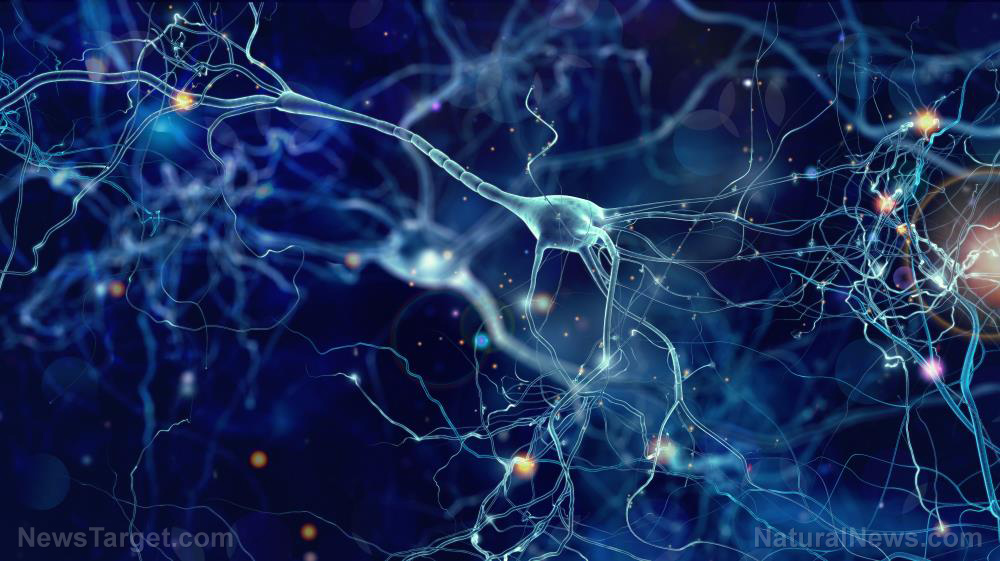
( Natural News ) The brain starts developing at conception and continues to grow until a person turns 21 years old – or so it was long believed. But brain growth doesn’t stop at that age. You can create new brain cells as you age , but only if you maintain an optimal environment for neurogenesis. Neurogenesis is the process by which neural stem cells (NSCs) differentiate into mature neurons. This plays a crucial role in neural plasticity and in the repair and replacement of cells that are damaged by the normal aging process and neurodegenerative diseases. A healthy brain for life in just 10 steps Here are several things you can do to support neurogenesis and lifelong brain health: Avoid foods high in saturated fat and refined sugars – Foods high in saturated fat and refined sugars promote oxidative stress and inflammation in the brain, which creates a poor environment for continued neurogenesis. Eat healthily – On that note, add more dark green leafy veggies, berries, cruciferous vegetables, grapes , as well as foods rich in polyunsaturated fatty acids, such as Brazil nuts, chia seeds flaxseed, and walnuts to your diet. These foods help create an environment optimal for the formation of new brain cells. Drink turmeric juice every morning – A study in Stem Cell Research & Therapy revealed that turmeric contains a bioactive compound that boosts the regeneration of brain stem cells . Eat a piece of dark chocolate daily – Dark chocolate contains flavanols that are absorbed and accumulated in brain regions responsible for learning and memory. Flavanols also increase the blood flow to the brain , which promotes new cell formation and enhances connections between neurons. For best results, choose high-quality dark chocolate that’s at least 70 percent cocoa. Meditate daily – Meditation helps […]
Passion Flower for Anxiety, Sleep + Benefits & Side Effects

Native Americans have another pearl in their ancient herbal pharmacy – passion flower. This plant has stunning flowers, delicious fruits, and calming effect, but clinical research has yet to cast more light on it. Read on to discover the benefits, dangers, and interesting facts about passion flower. What is Passion Flower? Over 500 different species of passionflower ( Passiflora ) belong to the Passifloraceae family of herbs. The most common ones include [ 1 ]: Passiflora incarnata – purple passionflower Passiflora caerulea – blue passionflower Passiflora edulis – “passion fruit” or maracuja Passiflora foetida – “stinking” passionflower Most species are climbing vines while some grow as shrubs or small trees. In late spring, they bloom large and beautiful flowers which last only a day. Spanish conquistadors named this unique flower after the “ Passion of Christ “; they found a complex symbolism between the numbers of flower parts and certain events from the last days of Jesus’ life. The flower also resembles a clock, and many nations call it a “ clock-flower .” Passion flowers are native to Latin America, but they grow well in any tropical area. People cultivate them for their sensational flowers and delicious fruits. People around the globe enjoy the fruit of Passiflora edulis , the famous “passion fruit” or maracuja. Native Americans also use dried leaves of passion flower for smoking. Proponents: Relieves anxiety Improves sleep quality Reduces menopausal symptoms May relieve substance dependence May help with attention disorders Skeptics: Clinical trials have notable caveats May cause weakness and digestive issues Interacts with psychoactive drugs Dangerous for pregnant women Purple passionflower or maypop ( Passiflora incarnata ) has a long history of use in traditional medicine. This evergreen vine climbs up to 6 m and tolerates urban conditions, including roadsides and waste grounds. Native […]
12 Ways To Naturally Increase Endorphins + New Research
The term endorphins was created by combining the two words: endo genous m orphin e. These compounds trigger a natural high in our brains which encourages us to repeat the experience that produced it. Addictive drugs like heroin hijack this process to create dependency, but plenty of natural and healthy experiences, supplements, and foods act on this system to make us feel pretty good. This post will discuss ways that you can either increase endorphins or activate the body’s opioid system. The brain opioid systems play an important role in motivation , emotion, attachment behavior, the response to stress and pain , and the control of food intake [ 1 ]. There are four opioid receptors in our brain: mu-opioid (MOR), kappa-opioid (KOR), delta-opioid (DOR) and nociceptin (NOP). Activating these receptors or increasing the molecules that bind to them will produce an opioid high. Activation of the mu receptor by a substance such as morphine causes sedation, euphoria and decreased respiration [ 2 , 3 ]. Although morphine increases sedation, it decreases the total amount of deep sleep and rapid eye movement sleep in humans [ 4 ]. Individual differences in the function of the mu-receptor system predict personality traits that confer vulnerability to or resiliency against risky behaviors such as the predisposition to develop substance use disorders [ 5 ]. Molecules that bind to delta opioid receptors show robust evidence of both antidepressant effects and also increase of BDNF production in the brain in animal models of depression [ 6 ]. They also protect against heart damage from strokes by preconditioning our heart [ 7 ]. DORs are neuroprotective as well and work in part by reducing TNF [ 8 ]. Activation of delta receptors produces some pain relief, although less than that of mu-opioid activators [ 9 […]
GABA Benefits & Link to Sleep, Anxiety & Mood

Some theories suggest that GABA is the mind’s natural calming signal. It’s said to be the neurotransmitter that might relieve anxiety, help people get good sleep, relax, and wind down. By reducing overactivity in the brain, GABA might affect empathy, emotional intelligence, attention, and cognition. Read on to learn about the science of GABA. GABA is the main inhibitory neurotransmitter in the brain, which means that it functions as the mind’s brakes . It slows down and stops the firing of brain cells and brings the mind to a state of relaxation and calmness [ 1 ]. GABA counters the main excitatory neurotransmitter, glutamate . The brain has a smart way to balance activation and relaxation, noise and silence, yin and yang. It does so through glutamate and GABA [ 1 ]. We can think of GABA and glutamate in the brain as if on a scale: As always, balance is key. On the extreme side, studies suggest too much glutamate can cause seizures and mania. But an overly stimulated GABA system, such from high doses of drugs like Valium, can cause extreme sedation and even coma. In fact, some general anesthetics are hypothesized to bring about a state of deep unconsciousness by enhancing GABA [ 2 , 3 , 4 ]. One theory suggests that when GABA and glutamate are in harmony, the brain can function optimally [ 5 , 6 , 7 , 8 ]. However, many factors can throw this balance off. In our modern, urban world and fast lifestyles, GABA might often take the toll. Some studies suggest that when the mind is constantly activated, under stress, or anxious, glutamate increases, GABA levels drop, and so does stress resilience. Have in mind that these are complex scientific theories, and GABA is just one part of […]
Aparajitha: The Memory Booster

Text & photographs by Dr. Mahadeswara Swamy, Scientist Among the innumerable plants used in native system of medicines ‘Aparajita’ stands out as a curative herb to improve memory. In Ayurveda, it is grouped under ‘Medhya’ category forming part of “Shirovirechanopaga” group of herbs associated with detoxification and cleansing of the brain and associated nervous system. A perennial creeper known as ‘Shanku pushpa’ in Kannada, it is often seen in the backyards of Indian household. (English: ‘Butterfly pea’, Asian pigeon-wings, bluebell-vine, blue pea, cordofan pea and Darwin pea; Hindi: Aparajita, Gokarni, Khagtu; Kannada: Aparajite, Girikarnike, Kantisoppu, Gokarna; Malayalam: Sangu pushpam; Marathi: Gokarna, Shankha pushpa; Sanskrit: Aparajita, Girikarnika, Ghrstih; Tamil: Kakkanam, Kakkattan Kannikkodi, Uyvai; Telugu: Gentana, Sankhu-pushpamu). The scientific name is Clitoria ternatea of Fabaceae family. The genus name “Clitoria”, from the Latin name “Clitoris” is due to its petals resembling human female genitals (yoni). It is native to Africa & South East Asia and widely cultivated in India, South America and Australia. Description Clitoria ternatea is a vigorous, trailing, scrambling or climbing vine with a strong woody rootstock. Stems are sparsely hairy, sub-erect and produce slender new stems from the woody base each year. The leaves are compound with 5-7 leaflets, elliptical, 3-5 cm long. The flowers are solitary or paired, blue or white, about 1 to 1.5 inches with bract and bracteole (leafy structures on the stalk subtending the petiole); petals varying in colour (vivid deep / cobalt blue or light blue with a white throat or pure white), standard large, emarginated, wings oblong, keel incurved with a yellow to white pattern in the centre of the lower petal. Stamens 10 ( 9 fused to form a tube+ 1 free) . Ovary elongated, densely clothed in white hairs. Fruits are flat, linear, sparsely pubescent pods dehiscing violently at maturity […]
Use Your Imagination

Visualization can not only improve your life, but it can save your life. It can even enhance your performance without ever physically doing anything. What if I told you that you could improve your shooting skills simply by imagining yourself shooting with a kind of accuracy and confidence like you’ve never known? Would you believe me, does it sound too good to be true? Well, researches at the Netherlands National Police Academy conducted an experiment that demonstrated this speculation to be true; officers who used mental images outperformed those who did not. We’ve known for some time now that mental imagery and visualization improves performance. From athletes to professionals in the business world, those who have achieved greatness admit to using some form of visualization to enhance their performance. Imagination is a powerful tool. Looking around your own environment and community you’ll observe many buildings and other man-made objects that could not have been created without it first having been imagined in someone’s mind. Everyone uses visualizations whether they realize it or not. Making plans, whether they’re about relationships, your job, or travel, we visualize the goal and how we’re going to get there. It’s akin to your heartbeat, it’s so natural that we’re not even aware that it’s beating. But if you channel that imagery and direct your visualization you can improve your performance. So, what does it take to really hone visualization skills? Picturing details. Once you include details in your visualization, goals and performance become more real. In fact, the brain will begin to form neural connections resulting from repeated visual imagery. Guan Yue, an exercise psychologist at the Cleveland Clinic Foundation found that people who did a virtual workout over three months in their minds were able to increase their muscle strength by 13.5% versus […]
Sunday sadness is real. Here’s how to battle the pre-workweek blues

Originally Published: 27 OCT 19 11:24 ET (CNN) — Many of us begin to groan and moan as our precious weekend comes to an end. It’s not just the interruption of fun with friends and family that triggers the Sunday blues, or what some call the Sunday scaries. It’s also anxiety and dread about the workweek to come. One study found 81% of more than 1,000 respondents said they became progressively more anxious as their restful Sunday came to a close. Psychologists call it "anticipatory anxiety." Nearly two-thirds reported a restless night’s sleep Sunday night, which they attributed to job-related anxiety. And it’s not just because people hate their jobs: Even people who said they love their work reported anxiety over job expectations and workload. How we get stressed Fretting over something can trigger our flight-or-fight reflex, which floods the body with adrenaline. Pulse rate and blood pressure rise. Breathing becomes rapid, and the extra oxygen in the brain increases alertness. Blood sugars and other nutrients flood the bloodstream, supplying a boost of energy. If the brain continues to think the danger is there (cue work worries) the body keeps systems on high, triggering the release of cortisol, the body’s main stress hormone. A continuous flood of cortisol keeps us revved up and on high alert. You want to counter that stress by doing things that boost endorphins — the feel-good neurotransmitters in the brain that act as natural painkillers and mood boosters. Exercise An excellent choice is exercise. Breaking a sweat has been shown to reduce anxiety and depression, boost mood and enhance sleep, all good ways to combat Sunday stress. According to the Anxiety and Depression Association of America , just five minutes of aerobic exercise can reduce anxiety. There are other benefits too: A 2015 study […]
Best supplements for sleep: Two supplements proven to help with a good night’s rest

The most visible consequence of lack of sleep are errors in judgement contributing to disastrous events. Less visible consequences of sleep conditionsincluding mortality, morbidity, performance, accidents and injuries. Getting the recommended amount of sleepis incredibly important for one’s health Best supplements for weight loss: This cheap and effective supplement Best supplements for joints: Three supplements proven to relieve pain High blood pressure: The supplement shown to your lower reading Recent studies find that at least 18 percent of adults report receiving insufficient sleep. Insomnia affects approximately one-third of the adult population and contributes to increased rates of absenteeism, health care use and social disability. For many, falling asleep and ensuring the recommended seven to nine hours is not as easy as others. Taking these supplements could help to ensure a good nights rest. DON’T MISS Vitamin B12 deficiency symptoms: Sign in your sleep you are deficient Valerian Root Valerian is a herb native to Asia and Europe. Its root is commonly used as a natural treatment for symptoms of anxiety, depression and menopause. Valerian root is also one of the most commonly used sleep-promoting herbal supplements in the US and Europe. In a study with US National Library of Medicine National Institutes of Health, Valerian was investigated. The study noted: “Extracts of the roots of valerian are widely used for inducing sleep and improving sleep quality. The available evidence suggests that valerian might improve sleep quality without producing side effects Magnesium Magnesium is a mineral involved in hundreds of processes in the human body, and is important for brain functions. According to studies, magnesium could also help with sleep and may help quiet the mind and body, making it easier to fall asleep. Studies also suggest that a lack of magnesium may be linked to troubled sleep and insomnia. […]
Move over marijuana, these six plants contain cannabinoids, too
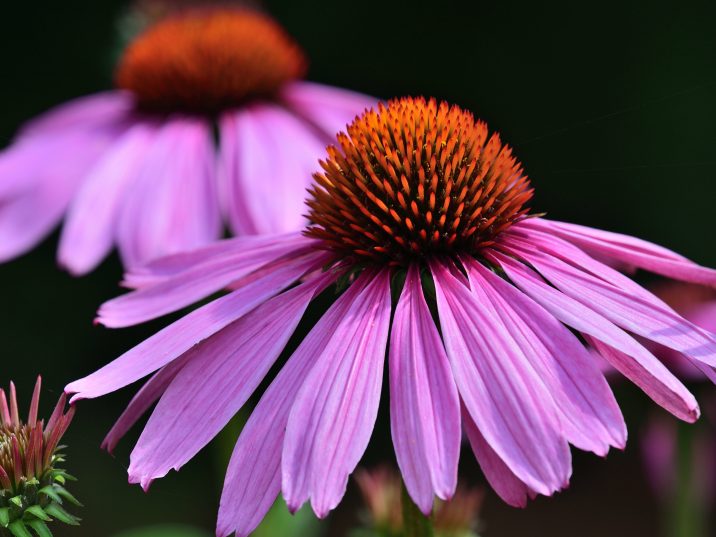
If you thought cannabinoids were exclusive to the cannabis plant, think again! While the spotlight has always been on a couple of the major cannabinoids, namely THC and CBD, there are many others that exist. For starters, the term cannabinoid refers to every chemical substance, regardless of its origin or structure, that binds the cannabinoid receptors of the body and brain. The endocannabinoid system (ECS) is a complex cell-signaling system that plays a role in regulating a range of functions and processes, including sleep, mood, appetite, memory, reproduction and fertility. Endocannabinoid receptors are found throughout the body and cannabinoids bind to them in order to signal that the ECS needs to take action. There are two main endocannabinoid receptors: CB1 receptors, which are mostly found in the central nervous system and CB2 receptors, which are mostly found in the peripheral nervous system, especially immune cells. Cannabinoids can bind to either receptor, but the effects that result depend on where the receptor is located and which endocannabinoid it binds to. Beyond cannabis, there are other plants and flowers that also appear to interact with the endocannabinoid system — some of which have long been used in traditional medicine and others as popular superfoods. Coneflower (Echinacea) Echinacea has long been known as a powerful fighter against the common cold and the flu. But what most people don’t know is that this powerful plant contains cannabinoids that can help boost the immune system by providing alkylamides, compounds that help your body absorb nutrients. Most people don’t know that this powerful plant contains cannabinoids that can help boost the immune system. Why is it so effective? It’s because echinacea contains cannabimimetics. These compounds are not exactly similar to cannabinoids, but they do interact with the ECS, specifically the CB2 receptor, in a similar […]
10 Scientifically-Proven Ways to Boost Your Energy
We are facing yet another epidemic in the modern world: exhaustion. People complain of being tired for no reason in particular and don’t know how to remedy the situation. It’s no surprise that so many people feel this way with how much weight most of us carry on our shoulders. However, since we all have to find a way to live in this world, how can we thrive instead of just survive ? How can we have more energy to take care of our responsibilities without feeling burnt out? If you go to a grocery store, you’ll see tons of products from pills to powders to energy drinks claiming to boost your vitality. However, most energy drinks only boost your energy due to two ingredients: caffeine and sugar. With so many unhealthy products out there, how can you filter out the harmful ones and hone in on those that will actually benefit your health? We will go over some of the best things you can do to have more energy below. 10 Ways to Boost Your Energy Naturally 1. Reduce your stress. Stress can drain your energy pretty quickly because stress causes cortisol to be released into the body. This hormone triggers a fight-or-flight response, which is intended to prepare you to take action against a threat. Cortisol in itself is not a bad thing, but too much of it can lower your immune response and make you feel exhausted. To have more energy, it’s important to take control of the stress in your life. Make a list of everything that stresses you out. In a separate column, write down a solution to each of those stressors. How can you reduce stress from work, family, relationships, finances, etc.? Another solution to stress is to make time in your day […]
Are Eggs Good or Bad? Everything You Need To Know About Eggs and Nutrition Unscrambled

— Eggs have long gotten a bad rap as a cholesterol-raising, artery-clogging food that offer little beneficial nutrition. But they’ve also been praised as one of the most nutrient-dense foods on the planet. So, which is it? Are eggs really all that bad for your health? Digging into even the most recent studies, it seems this long-held controversy continues. Here, we’ll discuss the nutritional value of eggs and their potential benefits, as well as dissect the conflicting evidence on eggs to determine whether or not they belong in a healthy, well-balanced diet. Nutritional Value of Eggs Since eggs hold the macro and micronutrients required to produce a baby chick, they’re loaded with vitamins, minerals, protein , and even some healthy fats. The majority of eggs consumed come from chickens, so we’ll focus on the nutrition content of a single chicken egg. One large hard-boiled egg (50 g) contains roughly ( 1 ): Calories: 77.5 Protein: 6.3 grams Fat: 5.3 grams (saturated fat: 1.6 grams) Omega-3 fatty acids: 39 mg Vitamin A: 293 IU, 6% of the RDA Vitamin B2 (Riboflavin): 0.3 mg, 15% of the RDA Vitamin B5 (Pantothenic Acid): 0.7 mg, 7% of the RDA Vitamin B9 (Folate): 22 mcg, 5% of the RDA Vitamin B12: 0.6 mcg, 9% of the RDA Vitamin D: 17 UI, 4% of the RDA Choline: 113 mg Iron: 0.6 mg, 3% of the RDA Phosphorus: 86 mg, 9% of the RDA Selenium: 15.4 mcg, 22% of the RDA Zinc: 0.5 mg, 4% of the RDA Cholesterol: 212 mg, 71% of the RDA</> As you can see, eggs are rich in vitamins—in fact, they contain every one except vitamin C. They’re also excellent sources of choline and minerals like phosphorus, iron, selenium, and zinc. Eggs are a versatile food and can be hard-boiled, […]

A prebiotic-rich diet can improve cognitive function, delay decline

( Natural News ) According to the World Health Organization , around 50 million people worldwide are affected by dementia. In the United States alone, for example, 5.8 million people are currently living with Alzheimer’s disease. However, while only a small percentage of people are diagnosed with full-blown dementia, every single person on the planet will eventually be affected to some extent by age-related cognitive decline. The organization Brain Renewal explains that the processes that facilitate reasoning and thinking ability start to decline as early as the mid-20s. As we age, and particularly from middle age, we become increasingly forgetful, struggle to focus and have trouble solving problems. This does not mean, however, that we have to accept cognitive decline as an inevitable part of the aging process. At the very least, we can take steps to slow this process down. A new study, published in the journal Nature’s Molecular Psychiatry , has concluded that the secret to doing so may lie in maintaining the delicate balance of the gut microbiome by increasing consumption of prebiotic-rich foods . Why we lose cognitive function as we age Brain Renewal explains that there are multiple reasons why we start to lose brain function as we get older: [A]geing causes damage of the very cells that we use in our brains, neurons. Even their length diminishes with age. Also, the substances they use to transmit signals, called neurotransmitters, are less in quantity but are also less effective. In a broader sense, the physical assembly of the brain as a whole also deteriorates with age. Shrinkage and death of neurons, and reductions in the amount of synaptic spines and functional synapses contribute to annual decline of as much as 0.5% to 1.0% in cortical thickness. This essentially means the brain is smaller! Discover […]
Your Body Will Thank You for All the Running You Do

Black Stars Whether you like running or nor, you are probably aware that it’s beneficial to your body. In fact, if you run on a regular basis, even it were a 30-minute long jog through the park, you are helping your immune system, building stamina and losing weight all at the same time. In fact, the full list of all the benefits of running is longer than any article found online but here is a short summary of why your body is thankful for all the running you do. Regulating your body weight Most runners believe that running burns calories in a way that allows them to solely shed extra kilos. However, running doesn’t only help you lose weight but it rather helps you regulate it. You don’t have to sprint like Usain Bolt or run a full marathon to reap the benefits of running either. A light jog is more than enough to make you sweat, thus regulating your body weight in a natural manner. Maintaining mental sharpness Apart from the obvious physical upsides to running, there are mental benefits there as well. Several studies have shown that exercising regularly, running included, helps fight off mental illnesses that are associated with old age. These don’t necessarily have to be Alzheimer’s disease but it relates to a mental decline that old age is synonymous with. This includes the loss of memory, task switching, and selective attention. A happy runner In general, physical exercise influences a person’s level of happiness. This rush is not an adrenaline one that you might feel at first, but a more lasting feeling. Running can be used to directly combat depression and for a good reason. Regardless of where and how long you run, there must always be a finish line to cross, even if […]
Myth busting: Dementia is not a natural part of the aging process
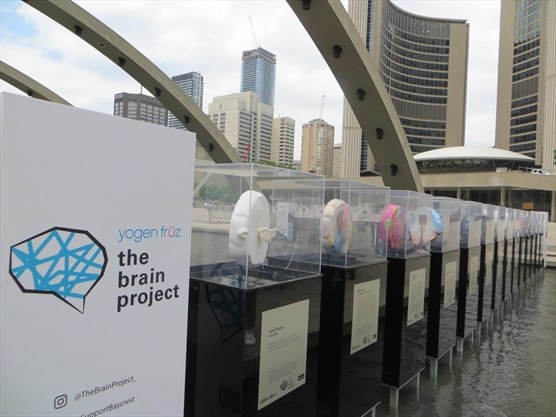
If we can delay the onset of dementia by five years, we can reduce its prevalence by about one third Nearly 600,000 Canadians are living with Alzheimer’s or other forms of dementia and this number is growing. It’s important to challenge the belief that dementia is inevitable as we age. The truth is, dementia is not a natural part of getting older, although age remains the biggest risk factor. After 65, a person’s likelihood of developing dementia doubles every five years. A major study published in The Journal of the American Medical Association this summer found that living a healthy lifestyle can help offset a person’s genetic risk of dementia by 32 per cent. The team at Baycrest’s Rotman Research Institute is intensely focused on brain health and aging research to uncover what society can do to delay the onset of Alzheimer’s and related dementias. The research being conducted at Baycrest continues to show that the earlier we begin to take preventive measures, the better the odds for improving outcomes for brain health. Imagine this — if we can delay the onset of dementia by five years, we can reduce its prevalence in the population by about one third. A healthy lifestyle extends beyond diet and exercise and includes activities that spark from the well of creativity and community. Art, expression and music can challenge us to learn new things, find patterns, and make connections. Studies suggest that short-term visual arts or music training can boost the brain health of older adults. Speaking two languages can delay the onset of dementia by four years. Finally, consider this: being a lifelong musician can delay some age-related hearing problems by 20 years (and hearing loss can lead to social isolation, a risk factor for cognitive decline and other age-related health issues). […]

The Power Within by Corey Daniels book available for only $2.99
Mind has both conscious and subconscious halves. These are likened to a driver and the truck he drives. The driver plans the destination and observes road conditions, while the truck provides motive power. Your subconscious mind is like the truck and it only goes in the direction in which is a steered. This can be the road or off a cliff. Likewise, the consciousness paints a picture of what the world is and what your goals are and the subconscious acts on them through emotion, physical response and energy, whether these are correct, rational images or false negative ones. The subconscious is also like an emotional reservoir which your body and mind draw responses from to external stimuli.
The Power Within lays out a method of programming your subconscious and tapping into the Holy Spirit, God voice or what the Greeks called the daimon (godman).