Nature Knows and Psionic Success
God provides
Is your exam care package brain food?
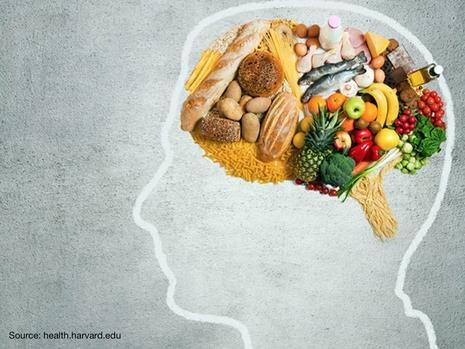
Brain food. Picture from Twitter. It’s exam time: The dreaded half of the semester for all matriculants and university students. It’s the time of year when all that matters are results, results and more results, and the several stages of revision (when you’re not procrastinating). A common mistake many make during this crucial period is to eat poorly and unhealthily. Exam care packages have been trending on Twitter, with students posting study snacks gifted to them by their significant others. I’ve noticed in particular, that junk food, lots of chocolate, energy drinks and crisps are often eaten in place of normal meals to “keep energy levels up”. However, this is not only harmful to your long-term health, but can also negatively affect your exam performance. The question: Most experts agree that sugar is rightfully demonized for causing a host of health woes that extend well beyond the obesity epidemic. But sugar, especially taken in moderation, has its defenders, who argue that it’s actually the brain’s preferred fuel source – a natural reward system devised by Mother Nature to help you get things done. Some studies have concluded that drinking a glass of something sweet provides a temporary brain boost. Have too much, though, and memory can be impaired – along with the rest of you. Go easy on the added sugar, as it has been linked to heart disease and other conditions. Here are some brain food suggestions to ensure you’re at your best during exam season. Caffeine. Picture from Instagram. Caffeine There’s no magic bullet to boost IQ or make you smarter – but certain substances, like caffeine, can energize you and help you concentrate. Found in coffee, chocolate, energy drinks, and some medications, caffeine gives you that unmistakable wake-up buzz, though the effects are short-term. And more […]
How To Supercharge Your Brain

The ability to build new neural connections and rewire existing ones is known as neuroplasticity. The old thinking? You can accomplish this only when you’re young (we’re talking teen years, people). The reality: It’s possible at any stage and age, if you know what to do. For years, neuroscientists were seriously bah-humbug about the brain. They pretty much thought it was a static lump that just declined over time. But recently (as in, the past 30 years—a blink of an eye in the research world), they realized they had it wrong. Really effing wrong. Here’s what the latest, most exciting science reveals: The brain is malleable, like a muscle, able to continuously grow cells and make brand-new connections. “We now know that you can change the machinery in the brain to refine how it operates, boost its reliability, and continuously get sharper, speedier, and just plain better at everything you do,” says Michael Merzenich, PhD, a professor at the University of California at San Francisco and founder of the Brain Plasticity Institute. Um, yes, please! But here’s the key: You have to take a peek under the hood and learn a little about the inner workings—something many of us neglect to do, says Merzenich. Don’t feel bad—it’s not just you, he assures. “Brain health is an almost entirely ignored area of human health,” he says. “We pay almost no attention to it until it crashes and becomes dysfunctional in some way.” Where we’re devoting the least attention to learning more? Women’s brain health, sadly. And new stats are sounding the alarm bells: We’re more than twice as likely as men to have an autoimmune disorder that affects the brain (like multiple sclerosis), three times more likely to get migraine headaches, and much more at risk for stroke or a […]
Supplements to Help You Sleep During Menopause

Source: Deposit Photos Today we will be discussing some of the vitamins most often recommended for women in menopause. It’s important to consult with your physician before adding a new vitamin to your regimen. Also, some research shows vitamins, when taken as a multivitamin or multiple individual vitamins taken simultaneously, may have disruptive effects on sleep. We need more research into the effects of vitamin supplements on sleep, to better understand what sleep-promoting or sleep-disrupting side effects may exist. Vitamin E. Vitamin E is a powerful antioxidant , and may help lower inflammation. Vitamin E also may contribute to reduced stress and risk for depression , as well as providing protection for your heart and your brain. Research also suggests Vitamin E may help menopausal women with hot flashes and night sweats. B Vitamins. The B vitamins have a broad range of benefits that may be useful to women in menopause , including stress reduction, immune system protection, a rise in energy and mood, and protection for cognitive functions including memory . In particular Vitamin B6 increases the production of serotonin, which can help with symptoms of depression and anxiety . (Serotonin is also involved in the production of melatonin, the essential sleep hormone.) Vitamin B12 has been shown to increase energy and to reduce mental and physical symptoms of fatigue. Vitamin D. Vitamin D is an important nutrient for women of all ages, and can have particular value for women in menopause. Technically, Vitamin D is considered a hormone when produced by the body naturally, in response to sunlight. It’s important for bone health: a lack of vitamin D can put women at risk for weakening bones, bone injury, and bone pain, especially with age. Vitamin D can also assist in maintaining a healthy weight. I’ve written before […]
How To Make The Best Of Your Workspace

I’ve often thought that I can work from anywhere in the world. Although this is true and I have the privilege to be location-free because I mostly work remotely with my clients, I’ve realized how important it is to be in the right environment to be able to thrive or at least find balance. Personally, I gain my energy from the ocean. This stems from my childhood, which I spent playing, surfing and then recharging in the sea. Today, the ocean is part of who I am. It’s where I feel great and where I can be the best version of myself. When I lived in Sweden, I complained all the time about the gray skies and the cold concrete surrounding me, while my colleague loved the cold and the functional urban environment. In other words, we all need different environments to thrive. Your Physical Environment Can Affect You The University of Minnesota’s Earl E. Bakken Center for Spirituality & Healing lists some ways that our environment can affect us: It can encourage or discourage interaction, motivate us to act and influence our moods, which, in turn, can affect our energy, productivity and performance. So don’t beat yourself up for not being as productive as you think you should be if you’re not in the right environment to accomplish your goals. That said, I’m not encouraging you to use your existing environment as an excuse for not being productive. No matter where you are, try to make the best of your environment. Whether you’re in a nine-to-five job or work on your own schedule, aim to maximize your workspace. Making the best of what you have is actually having a growth mindset. Four Steps To Finding Or Creating The Right Environment 1. Assess your current environment (your workplace, residence, […]
Is your exam care package brain food?
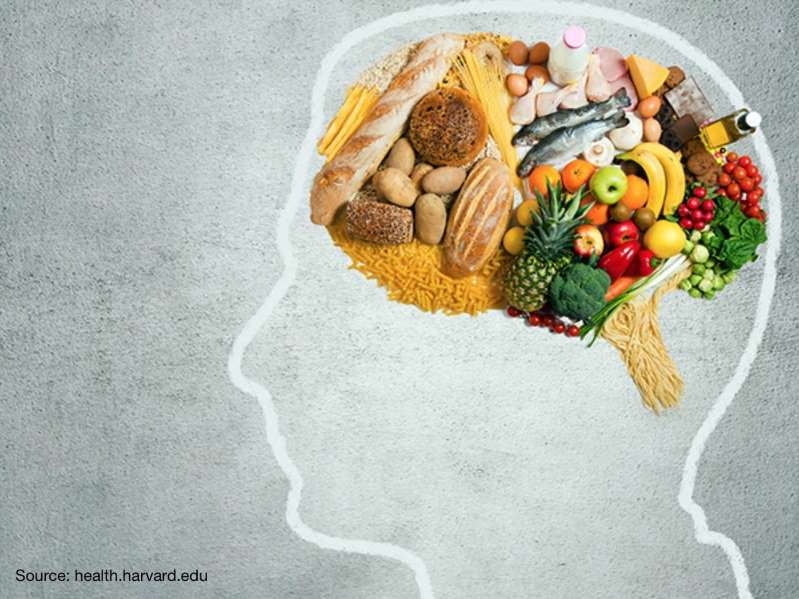
It’s exam time: The dreaded half of the semester for all matriculants and university students. It’s the time of year when all that matters are results, results and more results, and the several stages of revision (when you’re not procrastinating). A common mistake many make during this crucial period is to eat poorly and unhealthily. Exam care packages have been trending on Twitter, with students posting study snacks gifted to them by their significant others. I’ve noticed in particular, that junk food, lots of chocolate, energy drinks and crisps are often eaten in place of normal meals to “keep energy levels up”. However, this is not only harmful to your long-term health, but can also negatively affect your exam performance. The question: Most experts agree that sugar is rightfully demonized for causing a host of health woes that extend well beyond the obesity epidemic. Also on MSN: Here’s What You Didn’t Know About “Raw” Sugar How I Keep My Fridge Front Clutter-Free But sugar, especially taken in moderation, has its defenders, who argue that it’s actually the brain’s preferred fuel source – a natural reward system devised by Mother Nature to help you get things done. Some studies have concluded that drinking a glass of something sweet provides a temporary brain boost. Have too much, though, and memory can be impaired – along with the rest of you. Go easy on the added sugar, as it has been linked to heart disease and other conditions. Here are some brain food suggestions to ensure you’re at your best during exam season. Caffeine There’s no magic bullet to boost IQ or make you smarter – but certain substances, like caffeine, can energize you and help you concentrate. Found in coffee, chocolate, energy drinks, and some medications, caffeine gives you that unmistakable […]
COMT: Function & Health Implications of a Dopamine Gene

One mutation in the COMT gene may change the way we experience stress and pain. Are you a worrier or a warrior? Read on to find out. Catechol-O-Methyltransferase (COMT) is one of several enzymes that degrade dopamine , epinephrine, and norepinephrine . COMT breaks down dopamine mostly in the part of the brain responsible for higher cognitive and executive function (prefrontal cortex) [ 1 ]. Catechol-O-Methyltransferase is an enzyme that transfers methyl groups (hence the name methyltransferase). COMT introduces a methyl group to the catecholamine (dopamine, epinephrine, and norepinephrine), which is donated by S-adenosylmethionine ( SAM ). SAM is required for COMT to work properly [ 2 ]. Having too little SAM (s-adenosylmethionine) and too much SAH (s-adenosylhomocysteine) from undermethylation results in COMT inhibition as well [ 3 ]. A study of adolescent substance use (cigarette smoking, alcohol, and cannabis) found a complex association between COMT methylation and substance abuse [ 4 ]. One of the most researched variants in the human genome is a point mutation in the COMT gene called V158M (or rs4680). It has been associated with differences in intelligence, personality, and disease risk. The A allele results in 3 to 4-fold decrease in COMT enzyme activity [ 5 , 6 ]. This gene variant has been associated with differences in cognitive flexibility, impulse control, abstract thought, and being able to follow rules or task structure [ 1 ]. If you have AA then you will have the highest dopamine, while GG results in the lowest dopamine. AG is somewhere in the middle; the difference between AA and GG is studied more often than the difference between either homozygous genotype and AG. Meanwhile, very high and very low dopamine have each been associated with decreased cognitive performance [ 7 , 8 ]. Under stress, dopamine increases. […]

Yoga Benefits: Top 5 Reasons That Will Convince You To Start Today!

Introduction: Have you every thought about Yoga and not dared to try it because of some preconceived ideas or fear of ridicule, maybe you have just wondered how can Yoga help me or what are the “Yoga Benefits”? In this article, we present the Top 5 x reasons for practicing Yoga, in the hope they will convince you to start Yoga. Don’t worry, the benefits of yoga start straight away and not just when you have become a seasoned guru or mastered the most challenging poses. 1: Reduce Stress & Anxiety By simply slowing our breathing down (deep breaths) it will sooth and quieten the mind, yoga and meditation allows us to be more peaceful and reduce our stress levels. According to a US national survey , over 85% of people who practice yoga reported that it helped them to improve their general health. Yoga is considered to be a complete mind-body exercise which is both beneficial for your mental and physical health. 2: Improves Your Quality Of Sleep It is commonly believed that there are are four streams of Yoga, Karma Yoga, Bhakti Yoga, Jnana Yoga and Raja Yoga and from these other streams and practices have emerged. One of which is Nidra Yoga which can be used to help you relax and to greatly improve the quality of your sleep. By helping you to unwind and de-stress it allows you to achieve a relaxed state between awakening and sleep, which enables you to let go of worries, negative thoughts and any emotional stress that may have been caused by a hard day at work or caring for your family. You’ll be able to enjoy a much deeper, longer, more energising and invigorating sleep. Your sleep can be further enhanced by including the addition of a fragrance, the […]
Heart, muscles, mind: Vitamin D helps your body in many ways

( Natural News ) Compared to other vitamins, vitamin D is unique: One of the best ways to absorb it is by exposing yourself to natural sunlight. Vitamin D is also essential for your brain and heart health . Natural sources of vitamin D The body produces vitamin D from cholesterol in your skin upon exposure to sunlight. However, those who live far from the equator may be deficient in this vitamin. The symptoms of vitamin D deficiency are subtle and may develop over years or even decades. These symptoms include bone loss, muscle weakness, and an increased risk of fractures. Children with vitamin D deficiency may experience growth problems and soft bones (rickets). Vitamin D deficiency is also linked to reduced immune function and an increased risk of cancer. Only a handful of foods contain significant amounts of vitamin D . Cod liver oil – A single tablespoon of cod liver oil (15 ml) contains 227 percent of the daily value (DV) for vitamin D. Egg yolks – One large egg yolk contains seven percent of the DV. Fatty fish – Fatty fish like mackerel, salmon, sardines , and trout are full of vitamin D. A small, three-ounce (85-gram) serving of cooked salmon contains 75 percent of the DV. If you are deficient in vitamin D, take a supplement or increase your sun exposure. It may be difficult to get sufficient amounts of the vitamin through diet alone. Unlike other vitamins, vitamin D is produced by the body. Dr. Todd Sontag, a family medicine specialist at Orlando Health in Florida, explains that the vitamin functions more like a hormone than an actual vitamin, since the human body has many vitamin D receptors. The majority of the immune system has vitamin D receptors. Discover how to prevent and reverse […]
Sunday sadness is real; how to battle the pre-workweek blues

FreeImages.com/Joana Croft One study found 81% of more than 1,000 respondents said they became progressively more anxious as their restful Sunday came to a close. Psychologists call it "anticipatory anxiety." ATLANTA – Many of us begin to groan and moan as our precious weekend comes to an end. It’s not just the interruption of fun with friends and family that triggers the Sunday blues, or what some call the Sunday scaries. It’s also anxiety and dread about the workweek to come. One study found 81% of more than 1,000 respondents said they became progressively more anxious as their restful Sunday came to a close. Psychologists call it "anticipatory anxiety." Related stories Nearly two-thirds reported a restless night’s sleep Sunday night, which they attributed to job-related anxiety. And it’s not just because people hate their jobs: Even people who said they love their work reported anxiety over job expectations and workload. How we get stressed Fretting over something can trigger our flight-or-fight reflex, which floods the body with adrenaline. Pulse rate and blood pressure rise. Breathing becomes rapid, and the extra oxygen in the brain increases alertness. Blood sugars and other nutrients flood the bloodstream, supplying a boost of energy. If the brain continues to think the danger is there (cue work worries) the body keeps systems on high, triggering the release of cortisol, the body’s main stress hormone. A continuous flood of cortisol keeps us revved up and on high alert. You want to counter that stress by doing things that boost endorphins — the feel-good neurotransmitters in the brain that act as natural painkillers and mood boosters. Exercise An excellent choice is exercise. Breaking a sweat has been shown to reduce anxiety and depression, boost mood and enhance sleep, all good ways to combat Sunday stress. According to […]
The Health Benefits of Matcha Powder
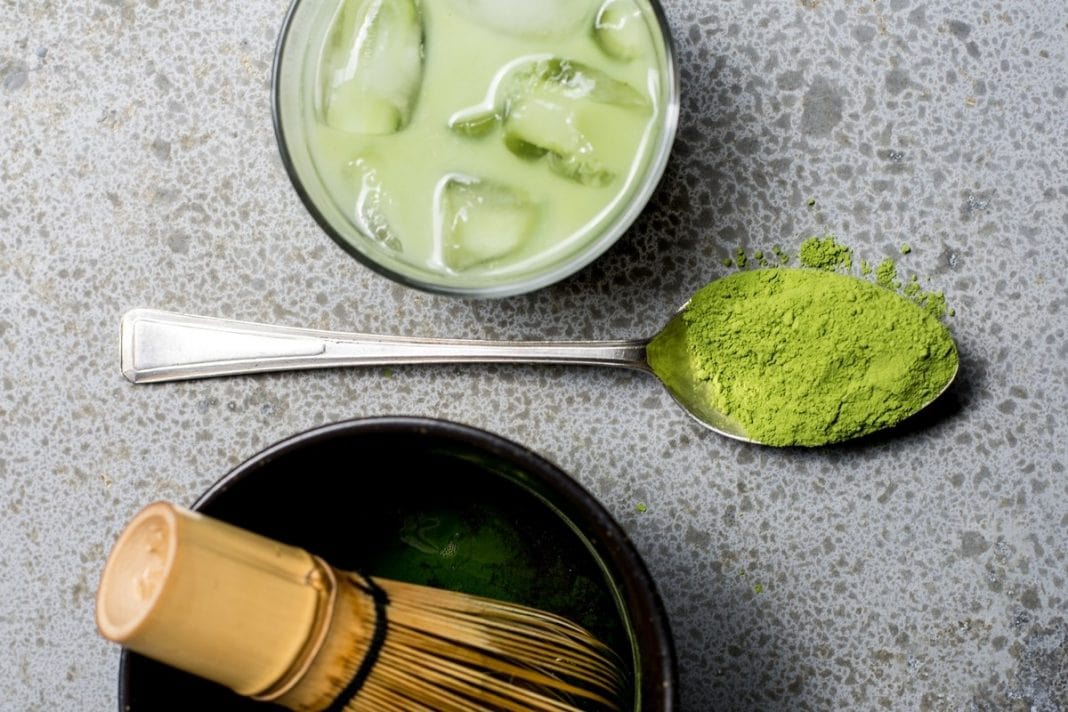
This article may include advertisements, paid product features, affiliate links and other forms of sponsorship. Matcha powder has some amazing health benefits. Matcha literally means “ powdered tea ” and can provide green tea’s vitamins, minerals, and antioxidants better than other forms of green tea. You would need to drink ten cups of brewed green tea to even come close to the benefits of a single serving of matcha. Traditionally, when green tea is prepared, the leaves are steeped in hot water for a certain amount of time and then discarded. This is how most cups of tea are typically prepared. Unfortunately, this process wastes valuable antioxidants and minerals because water can only extract a fraction of the tea leaves’ benefits. The majority of the health-boosting minerals stay trapped in the tea leaves and get thrown away. The only way to take advantage of the full potential of green tea is to consume the entire leaf. The best way to do that is to consume matcha powder. The Low-down on Matcha Powder When you drink tea made from matcha powder, you are drinking actual tea leaves that have been ground into a fine powder. Matcha has a strong taste – it is often described as tasting like grass. It is not for everyone and can be an acquired taste. However, just like with other forms of hot tea, it can be sweetened with sugar or honey to help improve that strong “green” taste. To drink matcha, it is typically made into a solution by mixing one or two teaspoons of matcha powder with a third cup of hot water (heated to just before a boil), which is then whisked until frothy. It is important to remember that with matcha powder, quality is key. Quality can come at a price […]
7 Scientifically-proven health benefits of eating nutrient-rich Brazil nuts
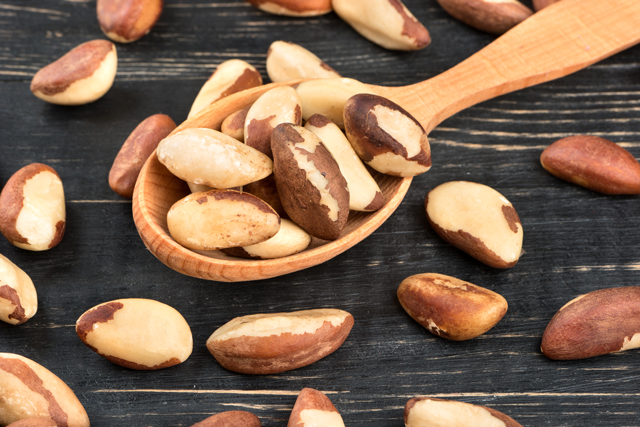
( Natural News ) Brazil nuts not only make a healthy and nutritious snack, they also offer a variety of health benefits. Research suggests that eating these nutrient-dense nuts can help reduce inflammation, improve heart health, and support thyroid function . Sensational nuts Brazil nuts, scientifically known as Bertholletia excelsa, are derived from trees with the same name . These trees are native to South America, particularly in the countries of Peru, Bolivia, and Brazil. Brazil nuts are said to have a smooth and buttery texture and a nutty flavor. They can be eaten raw or blanched. Here are seven reasons to add these nutritious nuts to your diet: They are packed with nutrients Brazil nuts are one of the healthiest nuts on the market. Data from the U.S. Department of Agriculture show that these nuts are a rich source of energy, healthy fats, and protein . An ounce (28.35 grams, g) of Brazil nuts contains the following nutrients: Calories – 187 kcal Protein – 4.06 g Carbohydrates – 3.33 g Fiber – 2.13 g Healthy fats – 19 g According to a study published in the journal Nutrients, Brazil nuts are packed with high levels of monounsaturated fatty acids (MUFA), which can aid in weight management, reduce inflammation, and prevent heart disease. They are rich in selenium Brazil nuts are considered one of the best sources of selenium, a mineral that plays a key role in reproductive health, immune response, and metabolism. Each nut contains an average of 96 micrograms (mcg) of selenium, which exceeds the recommended dietary intake of 55 mcg. Studies have also found that higher selenium intake can lead to improved mood, reduced cancer risk, and enhanced immunity. (Related: The mineral selenium proves itself as powerful anti-cancer medicine .) Discover how to prevent and reverse […]
Sunday sadness is real — so here’s how to battle the pre-workweek blues

Worried businessman sitting in front of his computer with his head in his hands NEW YORK — Many of us begin to groan and moan as our precious weekend comes to an end. It’s not just the interruption of fun with friends and family that triggers the Sunday blues, or what some call the Sunday scaries. It’s also anxiety and dread about the workweek to come. One study found 81% of more than 1,000 respondents said they became progressively more anxious as their restful Sunday came to a close. Psychologists call it “anticipatory anxiety.” Nearly two-thirds reported a restless night’s sleep Sunday night, which they attributed to job-related anxiety. And it’s not just because people hate their jobs: Even people who said they love their work reported anxiety over job expectations and workload. How we get stressed Fretting over something can trigger our flight-or-fight reflex, which floods the body with adrenaline. Pulse rate and blood pressure rise. Breathing becomes rapid, and the extra oxygen in the brain increases alertness. Blood sugars and other nutrients flood the bloodstream, supplying a boost of energy. If the brain continues to think the danger is there (cue work worries) the body keeps systems on high, triggering the release of cortisol, the body’s main stress hormone. A continuous flood of cortisol keeps us revved up and on high alert. You want to counter that stress by doing things that boost endorphins — the feel-good neurotransmitters in the brain that act as natural painkillers and mood boosters. Exercise An excellent choice is exercise. Breaking a sweat has been shown to reduce anxiety and depression, boost mood and enhance sleep, all good ways to combat Sunday stress. According to the Anxiety and Depression Association of America , just five minutes of aerobic exercise can reduce anxiety. […]
Sunday sadness is real. Here’s how to battle the pre-workweek blues
One study found 81% of more than 1,000 respondents said they became progressively more anxious as their restful Sunday came to a close. Psychologists call it "anticipatory anxiety." ATLANTA – Many of us begin to groan and moan as our precious weekend comes to an end. It’s not just the interruption of fun with friends and family that triggers the Sunday blues, or what some call the Sunday scaries. It’s also anxiety and dread about the workweek to come. One study found 81% of more than 1,000 respondents said they became progressively more anxious as their restful Sunday came to a close. Psychologists call it "anticipatory anxiety." Nearly two-thirds reported a restless night’s sleep Sunday night, which they attributed to job-related anxiety. And it’s not just because people hate their jobs: Even people who said they love their work reported anxiety over job expectations and workload. How we get stressed Fretting over something can trigger our flight-or-fight reflex, which floods the body with adrenaline. Pulse rate and blood pressure rise. Breathing becomes rapid, and the extra oxygen in the brain increases alertness. Blood sugars and other nutrients flood the bloodstream, supplying a boost of energy. If the brain continues to think the danger is there (cue work worries) the body keeps systems on high, triggering the release of cortisol, the body’s main stress hormone. A continuous flood of cortisol keeps us revved up and on high alert. You want to counter that stress by doing things that boost endorphins — the feel-good neurotransmitters in the brain that act as natural painkillers and mood boosters. Exercise An excellent choice is exercise. Breaking a sweat has been shown to reduce anxiety and depression, boost mood and enhance sleep, all good ways to combat Sunday stress. According to the Anxiety and Depression […]
Jigsaw puzzles are fun way to learn interesting things

Jigsaw puzzles were invented in England in the 1760s, appearing first in the form of wooden pieces assembled to make maps of Europe. The popularity of the jigsaw puzzle reached its peak during the Great Depression, when it evolved into a form of entertainment that met any budget. Today, jigsaw puzzles can be easily found on the shelves of toy and hobby stores, coming in all shapes and sizes, featuring a wide variety of subjects including pets and landscapes. In the area of smartphone games, intellectual puzzles still retain their attraction because they benefit our brains. Good for kids and adults Putting together pictures for 2D puzzles or assembling 3D puzzle models helps both children and adults develop and improve their motor skills, spatial intelligence, and hand-eye coordination. It has been seen that children who enjoy puzzles enhance their writing and speaking skills. Puzzles help train the memory and focus attention. The assembly requires a mental imaging process to remember details, which trains memory, attention, patience and perseverance. 3D jigsaw puzzles can be a useful intellectual tool to get children to turn away from their smartphones and engage in a productive activity as well as help adults unwind after work without resorting to watching TV. In addition, the sense of achievement can bring self-confidence and facilitate independent thinking. In sum, jigsaw puzzles can be a family tradition that promotes a sense of unity and belonging while being an exciting and fun activity for every member. Easy and difficult 3D puzzles from UGears models , made with high-grade plywood, can be easily transported or carried from one place to another and put together without any special tools like scissors or glue. A wooden 3D puzzle by UGears. Each set in a 3D puzzle features moving parts or mechanical elements that […]
Ancient Medicines Bring Modern Value to Yield Growth Corp.
About two weeks ago, The Yield Growth Corp. (CSE: BOSS) (OTCQB: BOSQF) completed the acquisition of a library of edible mushroom formulas as part of an initiative to capitalize on an accelerating trend towards mushroom edibles. Management is wasting no time building a footprint in a global market forecast by analysts at Research and Markets to grow nearly 8% annually to reach $62 billion by 2023, a fact that could one day have Yield Growth a household name in the industry alongside Half Hill Farm, Concord Farms and Real Mushrooms. Rich History + Modern Science = Great Opportunity Mushrooms and other fungi have played an important part in wellness for centuries. Reishi mushrooms, believed to be the longest used fungus for medicinal applications, were integral to ancient Chinese medicines. Research in the last century has given rise to discoveries for antibiotics, diabetes medicines, malaria treatments and more derived from fungi. Ancient wisdom is colliding with modern science at a time when consumer demand is growing for dietary supplements in a bid by people to remain healthy and disease-free. Known to be rich in pantothenic acid, vitamin B, vitamin D, antioxidants and phosphorus, the list of medicinal benefits of mushrooms keeps growing. Studies have shown cordyceps (a scientific name for medicinal mushrooms) increase exercise performance, improve memory and sex drive, slow growth of tumors, can improve heart health and even can have a positive protective effect on the brain. To that point, Fortune Business Insights, just like Research and Markets, foresees a “steep rise” in the global functional mushrooms market in the upcoming years, underpinned by a bevy of drivers, including rapid urbanization, changing lifestyles and increasing per capita income, amongst other things. Investors would be wise to also consider the potential for psilocybin, the component of “magic mushrooms” responsible […]
GUEST COLUMN: Delaying onset of Alzheimer’s and related dementias
(Getty Images) BY DR. SUSAN VANDERMORRIS Nearly 600,000 Canadians are living with Alzheimer’s or other forms of dementia and this number is growing. It’s important to challenge the belief that dementia is inevitable as we age. The truth is, dementia is not a natural part of getting older — although age remains the biggest risk factor. After 65, a person’s likelihood of developing dementia doubles every five years. A major study published in The Journal of the American Medical Association last summer found living a healthy lifestyle can help offset a person’s genetic risk of dementia by 32%. The team at Baycrest’s Rotman Research Institute is intensely focused on brain health and aging research to uncover what society can do to delay the onset of Alzheimer’s and related dementias. The research being conducted at Baycrest continues to show that the earlier we begin to take preventative measures, the better the odds for improving outcomes for brain health. Story continues below Imagine this, if we can delay the onset of dementia by five years, we can reduce its prevalence in the population by about one-third. A healthy lifestyle extends beyond diet and exercise and includes activities that spark from the well of creativity and community. Art, expression and music can challenge us to learn new things, find patterns and make connections. Studies suggest short-term visual arts or music training can boost the brain health of older adults. Speaking two languages can delay the onset of dementia by four years. Finally, consider this, being a lifelong musician can delay some age-related hearing problems by 20 years (and hearing loss can lead to social isolation, a risk factor for cognitive decline and other age-related health issues). In addition to healthy and creative living, there is a huge role for the community to […]
Herbs that help to fight viruses this season
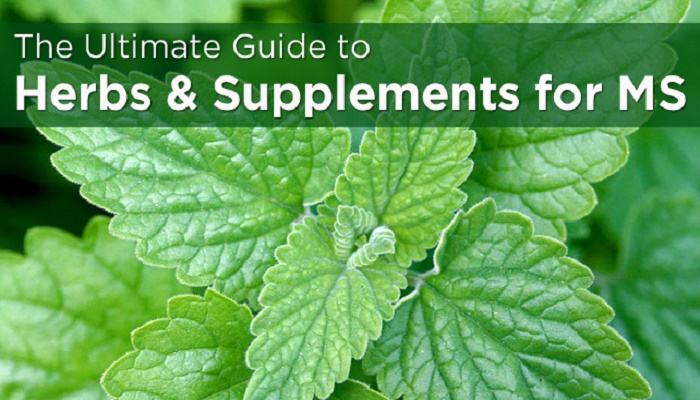
This festive season is also the season of sickness. While on one hand, people are busy readying their houses and prepping up for the many festivals, there’s the flu ghost hovering in the air, waiting to pounce. Everywhere you look, people are sneezing and coughing, dreading the imminent flu. And it doesn’t help that the season is changing as well, reports The Indian Express. So, what should you be doing to guard your health? You can begin by befriending some antiviral herbs. If you are someone who doesn’t like medicines, you can try these natural treatments that might help with viral infections. Find out here. Basil There are many varieties, and they may all fight certain viral infections. Holy basil (also known as tulsi leaves), for instance, is known to boost the immunity. Additionally, sweet basil extracts are powerful against viruses that cause herpes and hepatitis B. Sage Traditionally a member of the mint family, sage is known as an aromatic herb. For years it has been used in medicine, to treat viral infections. It is loaded with antioxidants which have many health benefits. They lower the risk of cancer and improve brain function and memory. Lemon balm This lemony plant is also a member of the mint family. It is used in teas and has many medicinal qualities as well. A lemon balm extract has essential oils and plant compounds that have antiviral properties. Ginger It is a widely-known fact that ginger is quite potent against viruses. That’s why they come in many shapes, sizes and forms: lozenges, teas, etc. Gingers have a high concentration of plant compounds. Moreover, specific compounds like gingerols and zingerone not only stop viruses from replicating, they also prevent their entry into the host body. Garlic Garlic is another popular remedy for a […]
This POWERFUL vitamin is a NATURAL remedy for measles, chicken pox and other viral infections
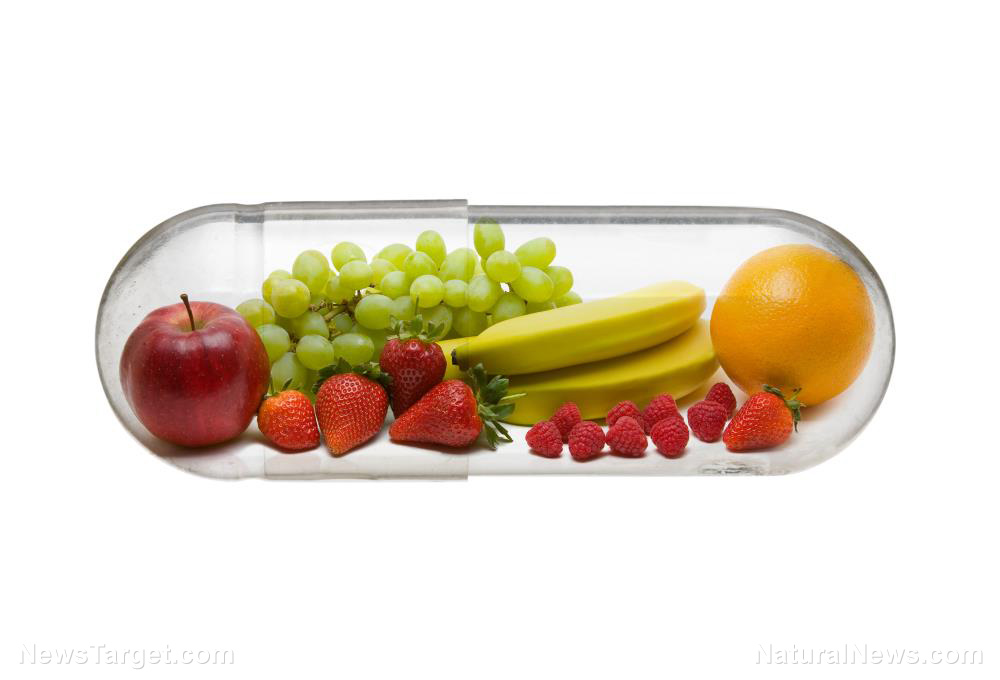
( Natural News ) In 2019, the United States saw its largest measles outbreak in many decades. Predictably, the mainstream media was quick to blame a decline in the number of children being vaccinated for the crisis, noting that the majority of those affected were under the age of five and had not received the vaccine. Of course, media sources conveniently failed to mention that a large number of those who developed the disease had, in fact, been vaccinated. Even if this vaccine provided a 100 percent guarantee against developing the disease – which it categorically does not – that does not mean that the risks associated with accepting it are worth the potential benefits, especially considering that measles most commonly only causes mild symptoms. Though there are definite risks of secondary, even fatal complications linked to the measles virus, it is important to note that the vaccine carries serious risks and a large number of side effects . It is common for patients to develop a fever, rash, swollen glands or temporary joint pain, but it is also possible to develop more serious side effects, including febrile seizures, bruising or bleeding under the skin, a potentially fatal allergic reaction (anaphylaxis), deafness, coma, permanent brain damage and a host of other serious complications. Clearly, even a 100 percent fool-proof vaccine would not necessarily be the best way to prevent the measles. But that does not mean that having refused to let our children be vaccinated we then have to accept that viral infections like measles and chicken pox cannot be avoided or safely treated. In fact, there is an all-natural solution that researchers have been aware of for decades: high doses of vitamin C . Discover how to prevent and reverse heart disease (and other cardio related events) with […]

The Power Within by Corey Daniels book available for only $2.99
Mind has both conscious and subconscious halves. These are likened to a driver and the truck he drives. The driver plans the destination and observes road conditions, while the truck provides motive power. Your subconscious mind is like the truck and it only goes in the direction in which is a steered. This can be the road or off a cliff. Likewise, the consciousness paints a picture of what the world is and what your goals are and the subconscious acts on them through emotion, physical response and energy, whether these are correct, rational images or false negative ones. The subconscious is also like an emotional reservoir which your body and mind draw responses from to external stimuli.
The Power Within lays out a method of programming your subconscious and tapping into the Holy Spirit, God voice or what the Greeks called the daimon (godman).