Nature Knows and Psionic Success
God provides
Think Prescription Stimulants Like Adderall Improve Focus? They Don’t
New research finds people who misuse prescription stimulants to study may feel more energetic, but they aren’t actually getting a “brain boost.” College students may want to think twice before taking prescription stimulants to help them study. Getty Images Prescription drugs like Adderall, commonly prescribed to treat people living with conditions such as attention deficit hyperactivity disorder (ADHD), also have a history of being misused by people without such conditions who are seeking a “brain boost.” It’s a growing issue in the United States, particularly among young college students. But while taking prescription stimulants to study might make students feel like they’re getting more done, these medications ultimately offer more drawbacks than advantages. Researchers with several University of California campuses wanted to see whether or not using common “study drugs” — namely Adderall — actually help people retain the information they’re absorbing while under the drug’s influence. Researchers tested and measured what short- and long-term effects these prescription medications had on adults. They recruited 43 people, ages 18 to 35, for a study at UC Irvine’s Sleep and Cognition Lab. At the start, they tested the participants’ working memory and attention by having them do many things at once, like remembering and manipulating a set of letters while performing simple math equations, then regurgitating the letters they remembered. Sara Mednick , PhD, the study’s co-author and UCI associate professor of cognitive sciences and director of the campus’s sleep lab, told Healthline the tests were meant to mimic what the human brain typically endures, like remembering a phone number while doing other tasks. “There’s a specific ability we have to keep information in our heads while we’re doing other things,” she said. Their experiments started with a placebo pill and, at a later date, with 20 milligrams of a drug […]
The 8 signs ‘silent’ stress is making you sick – from a splitting headache to a dodgy tummy

BRITS are more stressed than ever – with three in four of us feeling overwhelmed or unable to cope. And the effects of stress can seriously impact our bodies, increasing the body’s inflammatory reactions – causing a whole host of unpleasant health issues. Credit: Alamy With millions of days lost every year to stress, scientists also found last year that happy people generally have healthier hearts – and shockingly, the risk of heart attacks and strokes soar by over half if you are stressed. While some symptoms may be obvious, others linked to stress may surprise you. Here, we look at the eight "silent" signs stress is making you sick – and what to do to fix it. 1. Your weight starts to fluctuate Stress often makes you take up unhealthy behaviours such as overeating or undereating. Doctor Shanna Levine said: "Stress triggers the release of the hormone cortisol, which impairs your body’s ability to process blood sugar and changes the way you metabolise fat, protein, and carbs, which can lead to weight gain or loss." Experts suggest snacking on nuts if you notice this happening – as they’re packed with magnesium which seems to help keep cortisol levels low. On top of this, the fibre will fill you up if you’ve been gorging on food and the protein will help if you’re under-eating. Broccoli is also a great thing to add to your diet as it’s high in folic acid, which aids stress reduction. 2. You keep getting headaches If you’ve never suffered from headaches but suddenly your head is constantly throbbing, you may be overly stressed. Stress releases chemicals that can cause changes to nerves and blood vessels in the brain, which brings on a headache. It can also trigger migraines or make them worse as it’s […]
Highlighting The Importance Of Journaling For Women

“Dear Diary” is not just reserved for the awkward recluse or high school sweethearts. Previously, journaling was considered as a stereotype of Napoleon Dynamite and Sweet Valley High; however, writing is essential to keep your mind in shape without any age boundaries to maintaining it. People may see writing as a tool that is invaluable in life, but psychology has continued to dissolve the skeptics. Regardless of gender, journaling has innumerable benefits for physical, mental and social well-being. However, the impact has much more important for a woman as compared to man because of their fragile and sensitive nature. It helps you to keep yourself organized as well. Image credits: Photo by Valeria Boltneva from Pexels A study conducted by King Essay found out that; people who were dealing with anxiety and depression had an improvement in their symptoms by 60% with just 30 minutes of daily writing as compared to patients who were on medications by 22%. Another survey conducted by them proved that journaling regularly helps to improve handwriting and thought processing by 77% among students. Similarly, journaling helped many students to deal with their psychological issues like expressing and communicating their thoughts to other fellows. In this article, we will highlight the importance of journaling for women who loves to sit on the fence with a pen and a diary with them. Below are 11 benefits of keeping a journal. Let’s start with it. 1. Stretching Your IQ Some of the most durable cases show the ability of journaling to enhance your IQ. The University of Victoria published a report that concluded that as a part of language learning, writing has a positive impact on changing a person’s IQ. Also, it has a positive correlation with intelligence. Hence, journaling is not just an exploration of languages. […]
The healing power of flowers: How they make us feel better

Research shows that flowers are good for your health and well-being. Ellna Yu Chun-ha loves flowers. They bring her joy and enhance the look of her home. "Just looking at a pretty arrangement relaxes me instantly, which is just what I need after a long and stressful day," says the safety instructor, who lives in Hong Kong. "And no matter where I place the arrangement, it has the effect of brightening up the space and making the area look more inviting." Most people buy flowers only on special occasions and for other people, but Yu buys them for herself and for no reason. When she was 19 and living as a student in Melbourne, Australia, she would walk to a nearby flower market once a week and pick out a colourful bouquet for herself and her flatmate. Since moving back to Hong Kong, she has continued to treat herself with flowers, spending as little as HK$100 (S$17.60) for a simple arrangement to thousands of dollars for something more elaborate. Her favourite blooms are pink peonies and purple and blue hydrangeas. Yu usually buys her arrangements at M Florist, a flower studio in Hong Kong’s Central business district. Owner Ken Tsui Kee-yiu, who started the business in 2016, agrees that having flowers in the home can have an uplifting and mood-boosting effect. "Whatever their colour or variety, flowers have a way of cheering us up and making us feel good," he explains. "I feel especially content and peaceful when I’m putting together … arrangements." Ellna Yu Chun-ha loves buying flowers. PHOTO: South China Morning Post But don’t just take Tsui’s word for it – the science backs his claim. A 2012 Harvard Medical School study found that people feel more compassionate towards others, have less worry and anxiety, and feel […]
Changes to make in the bedroom to help you sleep

A sleep-friendly bedroom is like a “good snuggle,” one that makes you “feel embraced and safe,” furniture designer and decorator Alex White says. Keep things “tonal and tactile with as many luxurious materials as your budget allows.” MUST CREDIT: Colin Miller Brain research has shown how relevant sleep is to health, so it’s more important than ever to get a good night’s sleep. In the bedroom, that means not just decorating in calming colors but also minimizing stressors and optimizing conditions for a restful night. We asked some experts for advice and products to achieve that. Minimize noise A key obstacle to uninterrupted sleep is noise. To reduce it, Brooklyn-based architect and designer Adam Meshberg, founder of Meshberg Group, recommends soundproofing the walls – building an additional thin wall in front of the original, adding a layer of QuietRock sheetrock, or sealing any cracks or gaps within the walls. To a lesser extent, wallcoverings can also absorb sound, he says, though a padded wallcovering will do more than a simple wallpaper. Cracks and gaps are also a problem when it comes to windows. Restoring or replacing drafty windows won’t just improve your heating and cooling bills; doing so can make a huge difference in the amount of noise seeping in. If renovation isn’t an option, some companies will install a thin window behind your existing window for extra soundproofing. CitiQuiet in New York says it can eliminate 95 percent of street noise. For a simpler fix, getting an upholstered headboard (or a bed that comes with one) helps with acoustics, says Florida-based designer Adriana Hoyos. Go for fabrics at least one millimeter thick; suede, velvet, leather and leatherette are stylish options for absorbing excess noise. Andrew Bowen, director of staging at ASH NYC, suggests a combination of loose items […]
Celebrate Grandparent’s day with a Special Ageless Grace Class at the Berkeley Heights YMCA

Join us for a Special Grandparent’s Day Ageless Grace Class JOIN OUR SPECIAL GRANDPARENTS DAY AGELESS GRACE CLASS! Create meaningful connections between your mind and body, while also bridging generations in our Special Grandparent’s Day Ageless Grace Class. Did you know the brain, like any other muscle, stays strong if we exercise it? Stay sharp, improve response time, balance, coordination and more with your Grandchild next to you the whole time (ages 5 & up) in this special class! Ageless Grace is a cutting-edge brain fitness program based on neuroplasticity that activates all 5 functions of the brain – analytical, strategic, kinesthetic learning, memory/recall, creativity and imagination – while simultaneously focusing on the physical skills needed for lifelong optimal function. The program consists of natural movements designed to be practiced in a chair in order to engage the brain, develop core muscle strength and flexibility, and stimulate the organs and body systems. All exercises are performed while seated. The Class will incorporate playful and fun movements set to music as you exercise your body and your mind. If it fun for you and your Grandkids! WHEN: SATURDAY, SEPTEMBER 7 WHERE: BERKELEY HEIGHTS YMCA TIME: 10:00 – 11:00 AM COST: FREE FOR MEMBERS | $20 FOR NON-MEMBERS For more Information visit: www.thesay.org/Grandparents-Ageless-Grace
Researchers weigh in on how Tom Brady’s training helps him age so well

Patriots quarterback Tom Brady is entering is 20th NFL season, but has shown no signs of slowing down. It’s no secret that Tom Brady is winning the battle against time. The Patriots quarterback is entering his 20th season in the NFL and hopes he has a few more years left in the tank. But what will happen to the Super Bowl champ as time goes on? In a recent article published by The Guardian , researchers gave insights as to what will happen to Brady’s physical skills with aging, as well as on what he’s done to counter the effects of getting older so far. According to Hirofumi Tanaka, researcher of aging at the University of Texas, athletic longevity is possible through what he calls the ‘Formula One approach’, which focuses on “nutrition, injury prevention, sleep [and] training.” Brady’s specific training methods not only support this approach, but help him with certain “physiological” declines that happen naturally with age. By the age of 40, the human body undergoes a decline in muscle mass and testosterone that directly effects the “size and numbers of muscle fibers.” Resistance training is one way to help improve muscle strength, and this has helped Brady develop a, “natural and refined [throwing method] with little wasted motion”, that proves to be effective. According to former Detroit Lions quarterback Dan Orlovsky, Brady, “has the arm strength to make every pass that he needs to [and] he understands the right throw for every situation.” The nervous system also changes as the body ages, which could directly effect the mechanics of an aging quarterback. QB coach Tom House, who has worked with Brady on his throwing mechanics, said that older quarterbacks experience a, “decreased nervous system function, flexibility and power/acceleration.” He believes Brady needs to be handled with […]
MADMONQ is bringing enhanced performance to esports

Nootropics are more than just a Silicon Valley buzzword Image via MADMONQ Proudly sponsored by MADMONQ There have been plenty of companies offering quick solutions to boost performance in esports. But how many have really done the research into what a gamer needs? More energy? Sure, but at what cost? Simply being awake and playing a game doesn’t guarantee that you are going to get better at that game. To compete at the top level day in and out takes a lot more than simply being awake. Gamers need a boost to cognitive performance more than anything else. MADMONQ realized this and dedicated itself to developing an easy to chew tablet that focuses on increases in memory, cognition, eye health, stress control, drive, and recovery. It’s developed developed an actual solution to creating a resilient mind. MADMONQ is a “tasty tablet with a synergistic combination of caffeine, tea extracts, non-essential amino acids, adaptogenic herbs, and other nutrients.” The tablet “also delivers a complex of beneficial effects on the brain, including enhanced attention and focus, improved memory and reasoning skills, and improved endurance and performance during times of stress and fatigue.” Nootropics or cognitive enhancers are a relatively new term, particularly in the context of esports. The purpose of cognitive enhancers is to provide a steady boost of energy without jitters and increase your ability to focus, which is exactly what MADMONQ promises to do. Nootropics offer many positive things for the brain, such as increasing brain energy, boosting neurotransmitters, regeneration and more. Short term, they immediately improve your memory, mood, stress resistance and give a boost to productivity. Long term, nootropics promote healthy brain functions and increase mental clarity . MADMONQ knows what that game means to you, that when crunch time comes you are going to want to […]
Staying hydrated is not enough: Here’s why you should infuse your drinking water with minerals and electrolytes

( Natural News ) Proper hydration is the key to maintaining overall heath, especially if you are physically active or are recovering from an illness. However, sometimes drinking water alone is not enough. Rehydration is not the same as electrolyte or mineral replacement . The water you drink should contain beneficial minerals and electrolytes to replenish those that your body loses every day. Minerals and electrolytes both play important roles in regulating the vital functions of your body. If you don’t have enough minerals and electrolytes in your body, it can lead to a variety of health issues. There is a slight overlap between minerals and electrolytes. Minerals are naturally occurring nutrients that your body needs in order to function properly. Some examples of these include calcium , phosphorus, potassium, sodium, magnesium, iron, zinc, manganese, and selenium. Electrolytes are certain minerals that can carry an electric charge when dissolved in water. Examples of electrolytes are sodium , potassium, magnesium, chloride, and calcium. Electrolytes are crucial to maintaining your body’s water balance and supporting the healthy functions of your muscles and your nervous system. They can help to prevent muscle cramps and encourage the body to properly transport oxygen to your cells. (Related: Why are electrolytes so important? ) Health benefits of minerals and electrolytes To keep your energy levels up, you need to regularly consume adequate amounts of electrolytes and minerals. Here are a few of the most important ones and how they can benefit your body: GLYPHOSATE testing is now being applied to all Health Ranger Store branded products. Our in-house lab uses LC-MS-MS (triple quad mass spec). See the full lab science tour video and announcement here . Shop for ultra-clean, lab-tested superfoods, personal care products and more at the Health Ranger Store , the world’s most […]
Is Midlife Stress The Cause of Dementia in Aging Women?

Alzheimer’s disease (AD) is an irreversible and progressive neurological disease that eventually makes sufferers unable to live independently. One of the cardinal symptoms of AD is memory loss and eventually complete cognitive decline. It is unfortunately not an uncommon disease, half of adults aged 85 and over have AD. It is ranked as the sixth leading cause of death in the United States, and others have ranked it even higher (1). AD is the most common cause of dementia in older people. Causes of dementia are numerous, some are known and many are unknown. Stress has been shown to increase the likelihood of dementia. Early traumatic events are associated with higher risk of dementia (2). In a retrospective study, patients encountered a greater number of stressful events prior to the onset of dementia compared to those who did not develop dementia (3). It is not necessarily trauma that is related to the increased risk! Individuals who suffer from PTSD are at a higher risk of dementia than those who experienced trauma but did not develop PTSD (4). Why stress? A part of the stress response is the release of hormones such as cortisol. Prolonged and/or excessive amounts of cortisol damage the hippocampus. This area is heavily involved in long term memory and its damage is related to Alzheimer’s Disease . Thus, it is not surprising that stress increases the risk for dementia as we age. Interestingly, women are at an increased risk for dementia. One explanation has to do with sex differences in the stress response. I.e. women physiologically react differently to stress than men. And these differences place stressed women at a higher risk for dementia as they age (5). Aging and cortisol’s deleterious effects on the brain are much more intimately related in women than in men. […]
Tweaks to make your day more productive
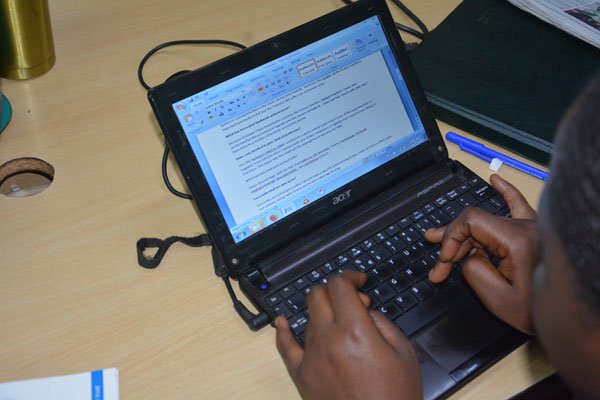
Focus. Starting your day with something that needs high concentration will make you more productive. Photo by Stanley Mukooza I don’t know anyone who couldn’t use a little boost in their energy and self-control. Even though we don’t always realise it, as the day goes on, we have increased difficulty exerting self-control and focusing on our work. I have uncovered 11 powerful ways we can break bad habits in the morning and maximise our energy and self-control throughout the day. 1. Start with exercise Researchers at the University of Bristol found that people who exercise during the workday have more energy and a more positive outlook, which are both critical to getting things done. Getting your body moving for as little as 10 minutes releases GABA, a neurotransmitter that makes your brain feel soothed and keeps you in control of your impulses. Exercising first thing in the morning improves your self-control and energy levels all day long. 2. Drink lemon water first Drinking lemon water as soon as you wake up spikes your energy levels physically and mentally. Lemon water gives you steady, natural energy that lasts the length of the day by improving nutrient absorption in your stomach. You need to drink it first thing in the morning (on an empty stomach) to ensure full absorption. You should also wait 15-30 minutes after drinking it before eating (perfect time to squeeze in some exercise). Lemons are packed with nutrients; they’re chock full of potassium, vitamin C, and antioxidants. If you’re under 150 pounds (68kgs), drink the juice of half a lemon (a full lemon if you’re over 150 pounds). Don’t drink the juice without water because it’s hard on your teeth. 3. No screen time until breakfast When you dive straight into e-mails, texts, and Facebook, you lose […]
Why you should try micro mastery
The wellness case for learning new skills In the summer of 2016 I was very unhappy. I was coming up on my year anniversary of living in London, where we had moved from Brooklyn for my husband’s job, but I still felt pitifully lonely and poorly adjusted to the culture. I reentered therapy, tried to socialize often, started volunteering, and focused on doing things for pleasure rather than out of obligation. But there was one thing that alleviated my sadness more than others: I learned to drive a stick shift. In Europe, automatics were more expensive to rent, so it was in my best interest to try to overcome any manual driving anxiety head-on. My husband and I decided to spend two weeks in France, and I spent much of that vacation stalling out on country roads, navigating dreaded traffic circles, and ultimately speeding down the highways. When I returned to London I told people about the beaches and baguettes in France, but I mostly wanted to talk about how I could now officially drive stick. I had discovered the beauty of “micromastery”: working to develop competence in a single, concrete skill. The term was coined by the writers Tahir Shah and Robert Twigger; Twigger later published his 2017 book, Micromastery: Learn Small, Learn Fast, and Unlock Your Potential to Achieve Anything, which contains instructions for laying a brick wall, making sushi, and brewing beer. In the introduction, Twigger writes that he was stymied by the idea that he had to work for years to acquire any truly valuable skill, but that he still wanted to learn and create, so he decided to focus on making the perfect omelet: his first micromastery. A micromastery isn’t about spending 10,000 hours becoming an expert at something. It typically requires a much […]
Natural Ways To Boost Your Mental Health
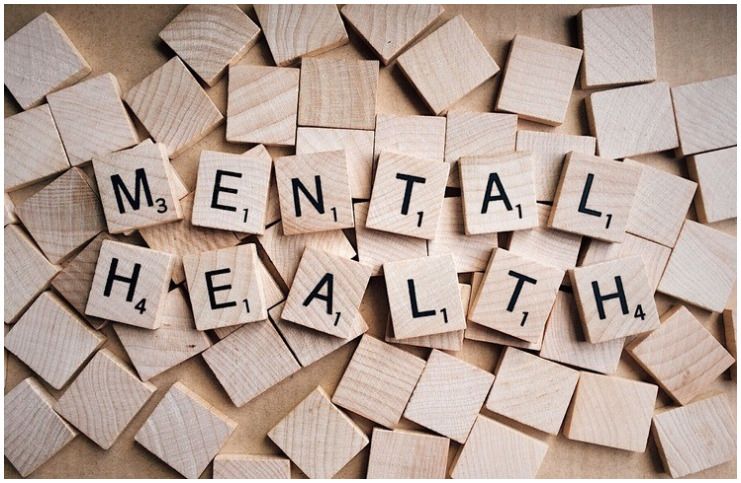
Mental health is an often-underestimated part of peoples’ self-care routines. You need to remember that your mind needs a bit of loving too. If you’re going through some difficult times, working on your mental health is crucial. There are many natural and effective ways to improve your mental health. Here are some examples that can help you power through problems and improve your current mental state. #1 You really are what you eat Your brain is an organ just like any other, and it has nutritional needs. The food you eat significantly influences how your brain functions. If you’re not consuming the right nutrients, it’s going to reflect poorly on your mental health. There’s no “right” kind of food that will help improve your memory or mood, but there are certain foods that are recommended for a healthy mind. Things like flax seeds, chia seeds, broccoli, and nuts are considered ideal brain foods. Consuming them will help keep your brain and nervous system working well. Our gut microbiome should never be underestimated. The bacteria in our digestive system work together with several hormones to tell our body what it craves. The part of the nervous system that surrounds our gut is affected by the processes in the intestines . When you eat a healthy and balanced diet, it can positively affect your state of mind through these nerves. #2 Treat rest as an investment Our minds are not able to stay focused on work and other responsibilities 24/7. They require some time to rest and recuperate before continuing to work at optimal efficiency. When you push yourself to work longer and focus harder, it’s not going to have the desired effect. What you should be doing is having a rest. For many, resting is seen as a sign that […]
How self-care promises a healthy life

Most people have to deal with stress almost on a daily basis. Psychological stress is a leading cause for almost all illnesses faced by man today. While many would resort to having western medicine to find cures for stress, Dr. D.B Nugegoda advises people to also focus on self-care such as getting closer to nature. Having graduated in the field of Medicine from the Faculty of Medicine Peradeniya, Dr. Nugegoda joined the University of Peradeniya, as a lecturer in Community Medicine. He obtained his post-graduate qualifications in the field of Community Medicine from the University of London and the Royal College of Physicians, UK. After 34 years of teaching at Peradeniya, he retired as the Professor of Community Medicine. After retirement he served the Rajarata University of Sri Lanka and the South Asian Institute of Technology & Medicine as the professor of Community Medicine. “During my days it was the craze to become a doctor,” Dr. Nugegoda said in an interview with the Daily Mirror. “So I took up to medicine and ended up specialising in the field of community medicine. Community medicine, also known as public health, is a discipline where the emphasis is on preventing illnesses. Medical students are taught on preventive aspects of illnesses and how to lead a healthy life. For example if you take heart disease, we have to study risk factors such as smoking, high blood pressure, psychological stress, obesity, lack of physical activity, unhealthy diet, lack of sleep etc. which are factors positively associated with this illness.” Towards a Stress-Free Healthy Life In his book titled ‘Towards a Stress-Free Healthy Lifestyle’, Dr. Nugegoda explores connections between the mind and the body. The book includes chapters that shed light on how areas such as living with nature, diet, laughter, sleep, obesity, earthing, social […]
Is Midlife Stress The Cause of Dementia in Aging Women?

Alzheimer’s disease (AD) is an irreversible and progressive neurological disease that eventually makes sufferers unable to live independently. One of the cardinal symptoms of AD is memory loss and eventually complete cognitive decline. It is unfortunately not an uncommon disease, half of adults aged 85 and over have AD. It is ranked as the sixth leading cause of death in the United States, and others have ranked it even higher (1). AD is the most common cause of dementia in older people. Causes of dementia are numerous, some are known and many are unknown. Stress has been shown to increase the likelihood of dementia. Early traumatic events are associated with higher risk of dementia (2). In a retrospective study, patients encountered a greater number of stressful events prior to the onset of dementia compared to those who did not develop dementia (3). It is not necessarily trauma that is related to the increased risk! Individuals who suffer from PTSD are at a higher risk of dementia than those who experienced trauma but did not develop PTSD (4). Why stress? A part of the stress response is the release of hormones such as cortisol. Prolonged and/or excessive amounts of cortisol damage the hippocampus. This area is heavily involved in long term memory and its damage is related to Alzheimer’s Disease . Thus, it is not surprising that stress increases the risk for dementia as we age. Interestingly, women are at an increased risk for dementia. One explanation has to do with sex differences in the stress response. I.e. women physiologically react differently to stress than men. And these differences place stressed women at a higher risk for dementia as they age (5). Aging and cortisol’s deleterious effects on the brain are much more intimately related in women than in men. […]
Take Nap at Work & Don’t Be Sorry

It is said naps are good for health and productivity then why are corporates so against it? You’re reading Entrepreneur India, an international franchise of Entrepreneur Media. Scroll through social media, take a smoke break, watch Netflix, that’s cool. Take a coffee break, chit-chat in the pantry, that’s already as well. But the moment you take a nap at your work – you have called for trouble. It is said that naps are good for health and productivity then why are corporates so against it? A simple 15-20 minutes nap lets you regain the energy to work efficiently in the second half. Research and studies show that napping isn’t just healthy but can improve concentration, sharpen your logical skills, improve your attitude and make a huge difference when it comes to output. So why are there so many misconceptions about the nap? So why aren’t we allowed taking naps at work? They don’t have to belong, a short-sweet one can let you easily focus on your work. In most jobs, one doesn’t only get looked down but one can even get fired if found sleeping during work. But imagine if it was such a crime then why the Japanese would consider sleeping in public a subtle sign of diligence. “Inemuri” is the term Japanese use which means “sleeping on duty.” The practice of inemuri is an almost 1000-year-old tradition and it isn’t restricted to just corporate hubs, but even sidewalks, street benches, cafes, stores and more. And we don’t need to tell you about where Japan stands today when it comes to advancement and development. Power naps are usual practice there and in fact, one isn’t made feel ashamed or harassed for doing so. For many, the ideal scenario should be sleeping and waking up early. But this isn’t […]
Post-menopausal SHAKEdown
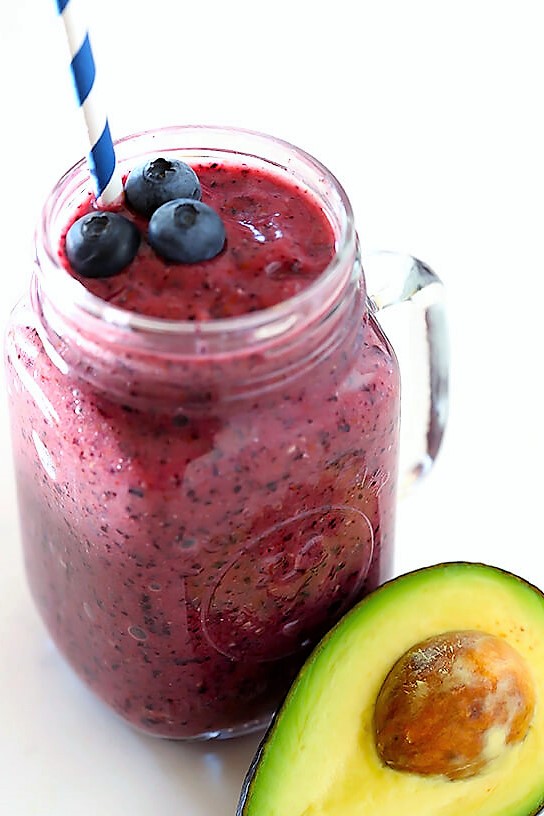
By Kara Keels, B.Sc, Nutritional Therapy Practitioner Proper nutrition changes somewhat after menopause because a woman tends to lose bone, connective tissue and muscle mass. The post-menopausal period may be accompanied by joint and muscle changes and some loss of strength, as well as cognition. After menopause, the decreased hormone levels associated with aging may affect a woman’s cognition, as well as decrease the feelings on energy. She can combat this drop by eating a proper whole food diet that will keep her feeling on top of her game. Please note: Staying active is also important, whether it be mental activities that challenge the mind or physical activities like walking, hiking and or gardening. My recommendation for a client in this situation is to start the day with a Brain Boosting Smoothie which consists of a variety of whole foods with proper fiber, protein and essential fats. Power Greens: Kale, Spinach and Collards. Leafy greens such as kale, spinach, collards, and broccoli are rich in brain-healthy nutrients like vitamin K, lutein, folate, and beta carotene. Research suggests these plant-based foods may help slow cognitive decline. Berries: I’ve chosen blackberries and blueberries. Flavonoids, the natural plant pigments that give berries their brilliant hues, also help improve memory, research shows. In a 2012 study published in Annals of Neurology, researchers at Harvard’s Brigham and Women’s Hospital found that women who consumed two or more servings of strawberries and blueberries each week delayed memory decline by up to two-and-a-half years. Avocado: They contain more potassium than a banana and offer a great tasty option for essential fats. Avocados have also been known to help boost your mood. Coconut water: Coconut water is an amazing hydrating beverage. Coconut water contains sodium and potassium, two minerals that help balance fluids throughout your day. Ginger: […]
Just ONE serving of greens per day helps delay brain aging by over a decade
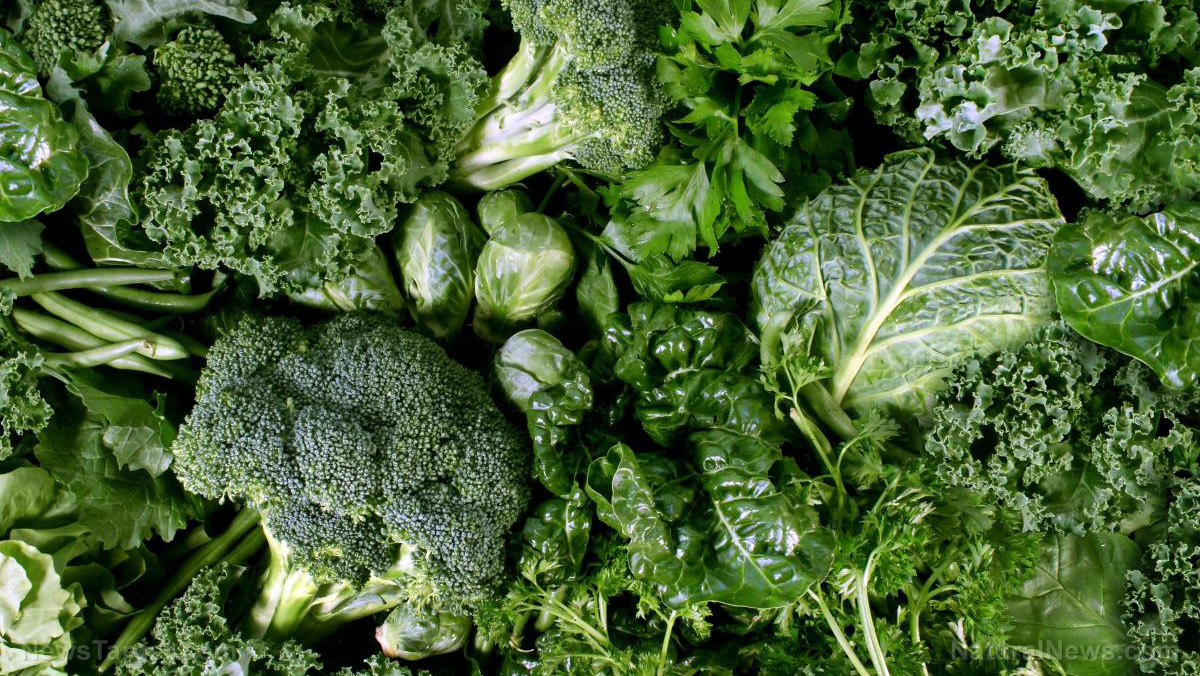
( Natural News ) Aging causes a lot of unwanted health issues, most notably cognitive decline and memory loss. People in their 50s are told that nothing can be done about it. But is decreased brain function really an inevitable part of aging? New research from Rush University Medical Center in Chicago suggests that a simple step can be taken to prevent and reverse age-related cognitive decline. Researchers found that eating one serving of green leafy vegetables a day can slow brain aging by a decade . Meanwhile, eating two servings produces even better results. “Adding a daily serving of green leafy vegetables to your diet may be a simple way to help promote brain health,” said study author Martha Clare Morris, a nutritional epidemiologist at Rush. “There continues to be sharp increases in the percentage of people with dementia as the oldest age groups continue to grow in number. Effective strategies to prevent dementia are critically needed.” Flavonoids found in leafy greens slow cognitive decline The Rush researchers investigated the effects on cognitive decline of the primary nutrients found in leafy greens, such as: folate (vitamin B9), alpha-tocopherol ( vitamin E ), phylloquinone (vitamin K1), lutein, beta-carotene, nitrate, and kaempferol . For their study, they recruited 960 older adults aged 58 to 90 from the Rush Memory and Aging Project, which began in 1997. The participants were part of Chicago-area retirement communities and residents of senior public housing complexes. The researchers divided the participants into five groups based on how often they ate leafy greens. Each participant answered a food frequency questionnaire and underwent cognitive assessments for a mean period of 4.7 years. Discover how to prevent and reverse heart disease (and other cardio related events) with this free ebook : Written by popular Natural News writer Vicki […]
Reduce inflammation, reduce disease: These foods can help

( Natural News ) Inflammation is your body’s natural response to infection or injury. But the same mechanism that protects you from diseases can damage your body if too much of it occurs. Today, your body is exposed to many stressors that can increase inflammation. Prevent this by eating more of these anti-inflammatory foods : Acai berry – Acai berry is low in sugar and is one of the most powerful antioxidant fruits. This dark purple fruit contains good amounts of healthy fats and fiber and can boost metabolism. Acai berries were found to reduce inflammation, according to a study published in the Journal of Nutritional Biochemistry . You can enjoy acai berries as a frozen puree, powder, or juice. Ginger – Ginger is a powerful anti-inflammatory spice. A study in the Journal of Ethnopharmacology revealed that 6-gingerol, an active component in ginger, exhibits powerful analgesic and anti-inflammatory properties, which makes ginger an effective remedy for inflammatory diseases like rheumatoid arthritis, osteoarthritis, and even migraine headaches. Leafy greens – Leafy greens like kale, Brussels sprouts, bok choy, cabbage, and collards are a great addition to any diet. All green leafy vegetables are packed with vitamins, minerals, and phytonutrients that help reduce inflammation and promote health . Try to eat at least two servings of leafy greens daily. You can add them to soups, sauces, and many other dishes, and you can also juice them. Maca – Maca is a South American root considered as a cruciferous vegetable . For thousands of years, it has been used as a vitality elixir. This food is one of the most powerful hormone regulators you can find. It also possesses antioxidants and anti-inflammatory compounds. Often available in powder form, maca is a common ingredient in Peruvian cuisine that gives dishes an earthy flavor […]
N-Acetyl-L-Tyrosine (NALT) Benefits, Side Effects & Dosage
N-acetyl-L-tyrosine (NALT) supposedly has better absorption and stronger nootropic effects than L-tyrosine. However, science tells a different story and points to some major drawbacks. Read on to find out if NALT really is a better option and how to use it properly. L-tyrosine is an amino acid your body uses to make proteins, neurotransmitters, and other vital compounds. Your body can make it from another amino acid, phenylalanine . You can also get it from good protein sources such as cheese, meat, eggs, and beans [ 1 , 2 , 3 ]. N-acetyl-L-tyrosine (NALT or NAT) is a derivative of L-tyrosine promoted for its supposedly higher absorption and efficacy. People use it as a supplement to boost their physical and mental performance. Still, science supports only a fraction of these claims and anecdotal benefits. N-acetyl-l-tyrosine is a different form of l-tyrosine, an amino acid your body uses to build proteins and neurotransmitters. Boosts cognition under stress Improves milder mood disorders May boost thyroid hormones Helps with narcolepsy Only one part is turned into L-tyrosine May cause headaches and fatigue May worsen cognition in the elderly Interacts with L-DOPA and thyroid medications A portion of ingested NALT turns into L-tyrosine, an amino acid with promising nootropic and stimulant effects. L-tyrosine increases neurotransmitters known as catecholamines : dopamine , norepinephrine , and epinephrine [ 4 ]. They play central roles in your mental health, cognition, behavior, and stress response . Your body needs a steady supply of tyrosine to maintain their production and keep your physical and cognitive performance at peak levels [ 5 , 6 ]. In clinical trials, L-tyrosine was able to: It seems to have a nootropic effect in extreme conditions that deplete catecholamines and expose the body to additional stress. These include sleep deprivation, multitasking, military training, […]

The Power Within by Corey Daniels book available for only $2.99
Mind has both conscious and subconscious halves. These are likened to a driver and the truck he drives. The driver plans the destination and observes road conditions, while the truck provides motive power. Your subconscious mind is like the truck and it only goes in the direction in which is a steered. This can be the road or off a cliff. Likewise, the consciousness paints a picture of what the world is and what your goals are and the subconscious acts on them through emotion, physical response and energy, whether these are correct, rational images or false negative ones. The subconscious is also like an emotional reservoir which your body and mind draw responses from to external stimuli.
The Power Within lays out a method of programming your subconscious and tapping into the Holy Spirit, God voice or what the Greeks called the daimon (godman).