Nature Knows and Psionic Success
God provides
10 Amazing Health Benefits of Ashitaba
WN Lifestyle Home – Health Originally posted on https://www.kenko.green/blogs/ashitaba/benefits-of-ashitaba Ashitaba is a green leafy plant that grows in Japan. It has been used as a natural medicine for over 400 years. It is one of the… Ashitaba is a green leafy plant that grows in Japan. It has been used as a natural medicine for over 400 years. It is one of the healthiest foods on the planet. The health benefits of ashitaba are numerous. This is because of its massive collection of vitamins and minerals. Some of the star players are vitamins A, B, C, and E, calcium, potassium, melatonin, and chlorophyll. In addition, ashitaba contains a variety of antioxidants called chalcones. This superfood is also known by the name “tomorrow leaf.” This nickname comes from its incredible ability to grow back cut leaves overnight. This ability to regenerate itself so quickly makes it clear that this plant has some seriously special health benefits. Ashitaba has a huge variety of desirable effects on human health. Many studies have been conducted on the health benefits of ashitaba. Here are some of its most valuable capabilities. Ashitaba is known to: Ashitaba contains high levels of antioxidants, which combat cell-damaging free radicals. Free radicals are unstable molecules produced through the body’s use of oxygen. They weaken cell walls, disrupting living cells. Antioxidants protect cells by disabling free radicals. Melatonin, an antioxidant, is found in ashitaba as well. It not only contributes to healthy and restful sleep, it also slows aging by attacking free radicals. Eating a diet high in antioxidants is therefore linked with slowing the aging process because it allows the skin to regenerate new cells. Who doesn’t want to slow the aging process? Skin health is important for reasons of vanity, but it is also the largest organ of […]
How exercise can make you a better doctor

Patients are more likely to listen to physicians who are healthy, researchers have shown. A physician who is mentally alert, energetic, and maintains a healthy weight inspires a certain degree of confidence. Researchers have shown that patients are more likely to listen to physicians who are healthy. Devoting just 5 minutes a day to exercise can make a world of difference. Your body and mind will thank you—and so will your patients. By the same token, a physician’s fitness (or lack thereof) may affect his or her patient care. In a survey of 500 primary care physicians, researchers found that a doctor’s own size affected how he or she managed a patient with weight issues. Ultimately, overweight physicians were less likely to broach the topic of weight loss with heavy patients—with a staggering 93% of doctors diagnosing obesity in their patients only if they believed that their own weight was equal to or less than that of their patients. With over 20% of American adults currently affected by obesity —a chronic disease that costs the US healthcare system nearly $150 billion annually, and increases the risks of many other dangerous health conditions like heart disease and stroke—leading by example is more important than ever. After all, you can’t ask your patients to take care of themselves if you aren’t doing the same. Doctors are in a unique position to not only mitigate the severity of obesity epidemic, but indirectly influence the overall health of their patients on several levels. Practicing self-care, which is often overlooked by physicians themselves, is the first step. With this in mind, let’s take a closer look at different types of physical activity that can improve your health and fitness, as well as boost your productivity in clinical practice. Productivity We all know that physical […]

Plasma Aβ42 and Total Tau Predict Cognitive Decline in Amnestic Mild Cognitive Impairment
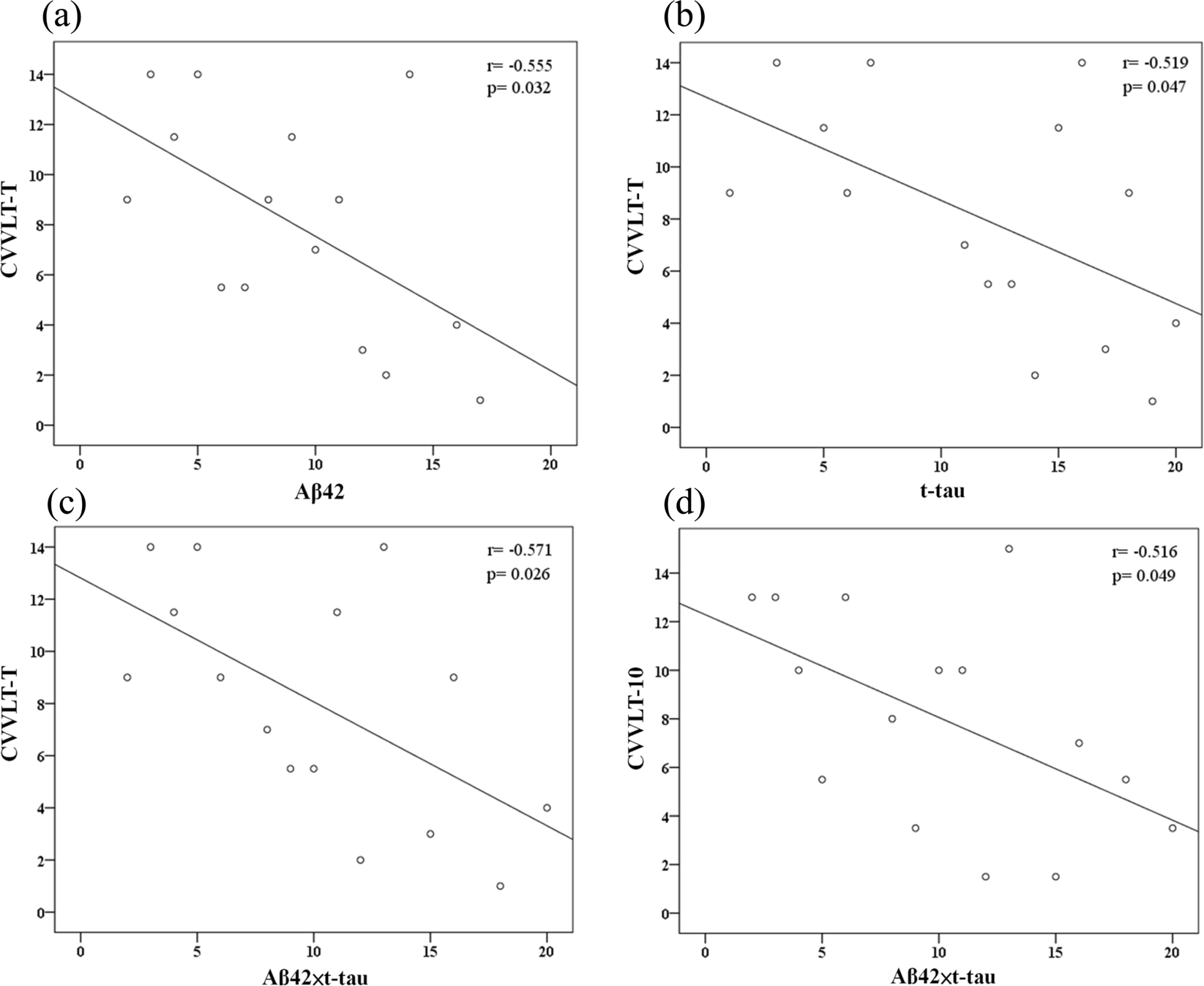
Abstract Levels of amyloid-β (Aβ) and tau peptides in brain have been associated with Alzheimer disease (AD). The current study investigated the abilities of plasma Aβ42 and total-tau (t-tau) levels in predicting cognitive decline in subjects with amnestic mild cognitive impairment (MCI). Plasma Aβ42 and t-tau levels were quantified in 22 participants with amnestic MCI through immunomagnetic reduction (IMR) assay at baseline. The cognitive performance of participants was measured through neuropsychological tests at baseline and annual follow-up (average follow-up period of 1.5 years). The predictive value of plasma Aβ42 and t-tau for cognitive status was evaluated. We found that higher levels of Aβ42 and t-tau are associated with lower episodic verbal memory performance at baseline and cognitive decline over the course of follow-up. While Aβ42 or t-tau alone had moderate-to-high discriminatory value in the identification of future cognitive decline, the product of Aβ42 and t-tau offered greater differential value. These preliminary results might suggest that high levels of plasma Aβ42 and t-tau in amnestic MCI are associated with later cognitive decline. A further replication with a larger sample over a longer time period to validate and determine their long-term predictive value is warranted. Introduction Mild cognitive impairment (MCI) refers to a transitional state on the continuum of cognitive function between normal aging and mild dementia. Amnestic MCI, characterized by an isolated deficit in episodic memory accompanied by intact general cognitive functioning, has been associated with biomarkers for Alzheimer disease (AD) and is now recognized as a risk factor for AD 1 , 2 , 3 , 4 . Early identification of subsequent cognitive decline in MCI patients is critical for prompt clinical intervention and therapeutic options. Thus, seeking validated biomarkers for risk of cognitive decline is crucial. To date, validated biomarkers associated with AD include measurement of brain Aβ […]
Coffee Fruit Extract Market to Discern Steadfast Expansion During 2019-2029
This press release was orginally distributed by SBWire Rockville, MD — ( SBWIRE ) — 09/27/2019 — Coffea Arabica, the fruit of the coffee plant, has high phytonutrient and phenolic antioxidant content and is a beneficial food ingredient. However, the coffee fruit has historically been castoff for the favored harvesting of the coffee bean. The coffee fruit extract is a natural brain-boosting supplement. The coffee fruit extract originates from the red fruit that covers coffee beans. Recently researchers have revealed that coffee fruit extract serves many health benefits to the human body such as it reduces anxiety, helps you learn faster (as brain enhancing compound), inhibits brain aging, and more. Request TOC of this Report- https://www.factmr.com/connectus/sample?flag=T&rep_id=3669 Further, the coffee fruit extract contains chlorogenic acid, which is an active anti-inflammatory agent, due to this agent, the coffee fruit extract protects the human brain from oxidative cellular stress. The global Coffee Fruit Extract Market is mainly driven due to its function which triggers new brain cell connections hippocampus (a small covered foundation of the brain which is involved in the formation of new memories related with emotions and learning) which may translate to better memory formation. Brain-derived neurotrophic factor of coffee fruit extract also reported helping with depression. According to article published on journal and food chemistry, coffee fruit extract may contains more than 10 times the chlorogenic acid (CGA) of the cup of brewed coffee. The global coffee fruit extract market is likely to boost due to its use in pharmaceutical industry as an antioxidant agent and brain booster. Reserchers and manufacturers have opportunities to increase the market of coffee fruit extract by introducing a new form of coffee fruit extract for food industry. Use of coffee fruit extract as a brain health supplement is growing due to increasing awareness […]
Do These 6 Things And Banish Career Burnout For Good

Welcome to generation burnout, population: you! If you’re finding yourself in a losing battle between work and play, whilst trying to land your dream job or score that promotion, then you’re going to want to keep reading… What Is It? Burn out, recognised in May 2019 by the World Health Organisation (WHO) as a medical condition , is classified as "a syndrome resulting from chronic workplace stress that has not been successfully managed”. WHO reports symptoms as ‘feelings of energy depletion’ and ‘increased mental distance from one’s job’ and ‘reduced professional efficacy’. Sound familiar? Who Experiences It? Gen Z and millennials are at particular risk. A recent Australian Psychological Society study found younger generations are currently experiencing the lowest levels of wellbeing—more than 35% suffer ‘significant distress’, greater than 26% have ‘above normal anxiety levels’ and higher than 26% live with ‘extremely severe depression’. Researchers pinpoint financial pressure, lifestyle comparison and fomo—largely from social media—as the driving forces. Here’s How To Fix It #1 Swap Booze For A Bath With Benefits According to studies 80% of individuals find bathing a relaxing experience. Our tip? Pop on your fave podcast and top up your tub with a few drops of magnesium oil. Clinical researchers say magnesium promotes physical recovery and mental stillness; whilst another academic study notes dead sea salt contains magnesium, calcium and potassium—all of which activate the parasympathetic nervous system, counterbalancing stress. #2 Improve Your Focus With White Noise White noise is a game changer for those that struggle to hold their attention for long periods (hello meetings) by improving concentration and memory. Academics also note white noise enhances the release of happiness hormone dopamine boosting your mood too. In doing so, this addresses two of the hallmark symptoms of burnout—emotional fatigue and inattention. There are a bunch […]
11 Health Hacks to Make Your Life Easier

A hack is any simple act that supposedly carries with it tremendous benefits – a shortcut if you will. For a hack to be a hack, it must require relatively minimal cost, effort, and time. Therefore, health hacks will make you healthier and save you time. We’re going to add one more requirement for the purpose of this article. Any hack mentioned here must be backed by science. Why? Because this article is about health and self care. While there is certainly a place for home remedies and complementary medicine, when it comes to health applications, there must be at least a modicum of proof. At least here. One look at the “health hacking” landscape, and it’s clear why evidence is necessary. Per an article published in the New York Post, Americans devise and partake in nearly 20,000 hacks over their lifetime. Some of these hacks are legit: eating more fruits and vegetables, limiting sugar intake, etc. Others, well, not so much. In this article, we’re going to focus on health hacks. These hacks are promised to do three things: (1) make you a healthier person… (2) … with less time and effort, and (3) make your life easier! So let’s get to it! Here are eleven health hacks that will help make your life easier: Get a water bottle with a wristband Yeah, you know what we’re getting at here! You resolve and promise to drink more water, but you don’t. Well, most people don’t: about 75 percent of Americans are chronically dehydrated. It’s not like people don’t try . But we can only keep so many things on our mind at once. And we’re terrible at remembering where we put things. Hence, the need for a wristband. It’s kind of hard to ignore something when it’s latched […]
THE INFLUENCE OF VAPING ON WRESTLERS
You probably don’t expect athletes like wrestlers to engage in activities that could affect their performance. Some people in contemporary society see vaping as a bad health habit. Therefore, they don’t expect their favorite wrestlers to be vapers. But, this is just a modern presumption. A quick search on Google will reveal that several wrestlers are fans of vaping. Some of them are even proponents of the act. Glenn Jacobs, also known as Kane, is a famous proponent of vaping. Modern society is constantly putting down vapes and portraying them as the cause of addiction to nicotine amongst kids. However, Kane has come out openly to speak against the notion. He has been quoted saying that vaping is a healthier alternative to the deadlier habit of smoking. However, the FDA is endangering it. Oscar Gutierrez, also known as Rey Mysterio, is another wrestler that vapes. You can easily find his vaping images on the internet. There are several images of him with a vape collection on Instagram. The Big Show is also another wrestler that vapes. Just like the other two, Paul Randall Wight Jr. likes vaping. He has been spotted with a weed pen on several occasions and it’s clear that he loves indulging in vaping. But, how does vaping influence the health of wrestlers, and why can they start vaping? Why Wrestlers Can Turn To Vaping Since its emergence, people have always been concerned about the effects of vaping on health. But, the habit became very popular when people heard that it had the potential to help them quit smoking traditional cigarettes. According to the American Cancer Society , the majority of the 44 million cigarette smokers in America want to stop. Some of these have tried many ways of quitting without success. It’s, therefore, obvious that […]
The New Yorker jumps the climate shark, claiming climate change can’t be stopped, no matter what global governments do… so why are climate alarmists still making so many demands?

( Natural News ) Climate change hysteria, once popular with young liberals, is no longer capturing the hearts and minds of rational adults. Every time climate change panic is promoted, the concept becomes a little more irrelevant than before. Coming out from under the climate change cult, journalists are slowly coming around to question the pretenses and agendas behind the big climate change sell. The New Yorker just jumped the climate shark , finally admitting that climate change is a natural phenomenon that can’t be stopped, no matter what global governance does to address it. As more people come to their senses, realizing that weather, temperature and climate are unpredictable and ever-changing, one must ask: Why are climate alarmists still making such grave demands? Climate change alarmists have a grave list of demands that lead to serfdom At the 2019 United Nations Climate Action Summit, globalists made their demands, propping a 16-year-old girl on stage to deliver climate panic. Like a puppet, the girl insisted upon urgent global action to control carbon levels and global temperature readings. Addressing the summit, the child demanded, “If you choose to fail us, I say we will never forgive you.” She also implied that those who disagree with her are “evil.” She even claimed that those who do not listen to her “have stolen her dreams and childhood.” Climate hysteria is an appeal to emotion, not logic and reason, and it is now being deployed as psychological terrorism onto the minds of children . The demands of climate alarmists include central economic planning, controlling energy production of all Nations, and instilling higher taxes to supposedly control the planet’s temperatures long term. These schemes will undoubtedly be used to implement continuous geo-engineering of the biosphere , unleashing new man-made consequences. In the end, climate […]
Climate change could impact omega-3 levels worldwide, University researchers find

Climate change won’t just bring rising sea levels and more extreme weather – it could also impact your dinner plate. A new University of Toronto study suggests that a warmer world will decrease the availability of a nutrient that is key to development and brain health. The study, published in the journal Ambio , investigates worldwide production of docosahexaenoic acid (DHA), a naturally occurring essential omega-3 fatty acid. The group of molecules is needed for higher-level brain functioning and cognition, memory, eyesight, particularly at crucial stages in fetal brain development. Most humans get their DHA from eating fish, which in turn get it from the algae that they eat. But Tim Rodgers, a PhD candidate in the department of chemical engineering and applied chemistry, says that as ocean temperatures rise, the need for algae to produce DHA decreases. “To counteract the effect of higher temperatures, which can make their cell membranes too fluid, algae typically produce fewer polyunsaturated fats (such as DHA) in a process known as homeoviscous adaptation,” says Rodgers (left), who is a first co-author of the study along with Stefanie Colombo of Dalhousie University. “Algae is the bedrock of aquatic food chains, so this decrease in DHA production works its way right up to the fish we eat, which make up a significant source of the long chain omega-3 fatty acids in the global diet.” Rodgers, who is also a graduate student in U of T’s Diamond Environmental Research Group under supervisor Professor Miriam Diamond, used a form of computer modelling known as Monte Carlo uncertainty analysis to predict the amount of DHA that will be available under various scenarios of climate change developed by the United Nations Intergovernmental Panel on Climate Change. Under the worst case scenario – known as RCP 8.5, which assumes that […]
More U of T News

Climate change won’t just bring rising sea levels and more extreme weather — it could also impact your dinner plate. A new University of Toronto study suggests that a warmer world will decrease the availability of a nutrient that is key to development and brain health. The study, published in the journal Ambio , investigates worldwide production of docosahexaenoic acid (DHA), a naturally occurring essential omega-3 fatty acid. The group of molecules is needed for higher-level brain functioning and cognition, memory, eyesight, particularly at crucial stages in fetal brain development. Most humans get their DHA from eating fish, which in turn get it from the algae that they eat. But Tim Rodgers , a PhD candidate in the department of chemical engineering and applied chemistry, says that as ocean temperatures rise, the need for algae to produce DHA decreases. “To counteract the effect of higher temperatures, which can make their cell membranes too fluid, algae typically produce fewer polyunsaturated fats (such as DHA) in a process known as homeoviscous adaptation,” says Rodgers (left), who is a first co-author of the study along with Stefanie Colombo of Dalhousie University. “Algae is the bedrock of aquatic food chains, so this decrease in DHA production works its way right up to the fish we eat, which make up a significant source of the long chain omega-3 fatty acids in the global diet.” Rodgers, who is also a graduate student in U of T’s Diamond Environmental Research Group under supervisor Professor Miriam Diamond , used a form of computer modelling known as Monte Carlo uncertainty analysis to predict the amount of DHA that will be available under various scenarios of climate change developed by the United Nations Intergovernmental Panel on Climate Change. Under the worst case scenario – known as RCP 8.5, which […]
Selenium and antioxidants: Health benefits of nutrient-rich Brazil nuts
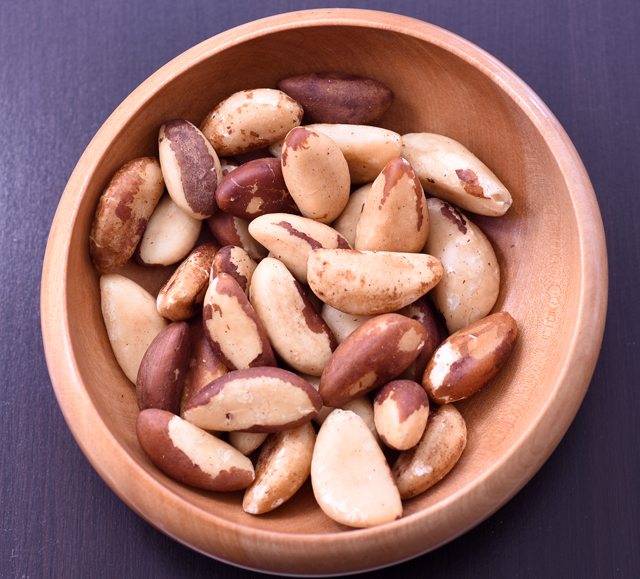
( Natural News ) Brazil nuts are not only tasty snacks — they provide plenty of selenium and important nutrients. Eating these seeds improves cardiovascular health, replenishes antioxidant in the body, and sharpens the brain. Brazil nuts are some of the best sources of selenium, an antioxidant mineral that is critical to metabolism, reproduction, and immune responses. Eating a single Brazil nut is enough to meet the recommended daily allowance (RDA) for selenium. Brazil nuts also contain plenty of other minerals, such as calcium, magnesium, potassium, and phosphorus. In addition, these nuts provide plenty of protein. Brazil nuts are good for the heart. The healthy fats they contain are called monounsaturated and polyunsaturated fats. Eating these good fats helps protect against heart disease and stroke. In addition to healthy fats, Brazil nuts also have lots of dietary fiber. Eating them and other fibrous foods not only improves cholesterol levels, it also decreases the risk of cardiovascular and metabolic diseases , such as atherosclerosis and Type 2 diabetes. People can benefit from eating Brazil nuts and other tree nuts as these offer considerable protection against many chronic diseases. (Related: More than honey: Honeycomb products with powerful natural health benefits .) The antioxidant activity of selenium confers many health benefits on Brazil nuts By replenishing and maintaining selenium levels, Brazil nuts ensure that the thyroid remains in good health. Otherwise, people may find it hard to rest and sleep, suffer from foul mood, and be unable to concentrate and metabolize food. Discover how to prevent and reverse heart disease (and other cardio related events) with this free ebook : Written by popular Natural News writer Vicki Batt, this book includes everything you need to know about preventing heart disease, reversing hypertension, and nurturing your cardiac health without medication. Learn More. Selenium […]
Delicious, nutritious, health-promoting: There are many reasons to eat an apple every day

( Natural News ) The old saying is indeed true: “An apple a day keeps the doctor away.” Many studies have explored the health benefits of apples. Here are just some evidence-based health benefits you can get from eating an apple: It can ward off cancers. Various studies examined the anti-cancer potential of apples . For example, a case-control study published in the Reviews on Environmental Health revealed that eating apples reduced the risk of colorectal cancer. Another study, which was published in the Journal of Agricultural and Food Chemistry , identified 12 triterpenoid compounds in apple peels that inhibited the spread of — or completely killed — various cancer cells , including liver, colon, and breast cancer cells. (Related: Antioxidant-rich organic apple peels possess potent anti-cancer benefits .) It aids in weight loss. You can add apples to your weight loss diet. A study on overweight women published in the journal Nutrition demonstrated that eating fruits like apples and pears every day for 12 weeks resulted in weight loss. It prevents atherosclerosis. Atherosclerosis , or the hardening of the arteries, can be prevented by eating apples or drinking apple juice. In an animal study published in the journal Nutrients , researchers found that polyphenols in apples prevented the formation of plaque within the arteries. Another animal study, which was published in the journal Lipids in Health and Disease , showed that drinking apple juice can prevent the progression of atherosclerosis induced by a high-fat diet because of its antioxidant and anti-inflammatory properties. It promotes hair growth. Apples can also be beneficial to people who suffer from hair loss. A study published in the journal Science of the Total Environment showed that a compound called procyanidin B-2 extracted from apples promoted hair growth in a cell model. It protects […]
ACTIVE AGE | How seniors can preserve brain health
Physical activity and proper diet and nutrition can help people age 50 and older maintain their physical health. But there are also ways aging men and women can preserve brain health in an effort to prevent or delay the cognitive decline that affects millions of seniors across the globe. It’s easy to overlook the importance of keeping the brain healthy. However, a decline in brain function can result in poor concentration, memory loss and a host of other issues. Sometimes, by the time symptoms present themselves, it may be too late to reverse any damage. Research suggests that a combination of nutrition and mental, social and physical activities may have a greater impact with regard to maintaining and improving brain health than any single activity. Harvard Medical School also states that volunteering, caring for others and pursuing hobbies may benefit the brains of older adults. A study published in the Archives of General Psychiatry found participants who reported higher levels of purpose in life exhibited superior cognitive function despite the accumulation of abnormal protein depositions (amyloid plaques and neurofibrillary tangles) in the brain, a hallmark of Alzheimer’s disease. Having a purpose also may help those who do not have Alzheimer’s disease. In addition to the suggestions mentioned above, those who want to boost brain health can consider these strategies. Start exercising the brain early on. A study published in 2012 in the British Medical Journal examined cognitive function in people ages 45 to 70. Researchers found evidence of cognitive decline in the 45-year-old participants as well as the older participants. It’s never too early to put a brain health plan into motion. Read more books. Reading can open individuals up to new vocabulary and scenarios that promote a stronger brain and recall ability. Enrolling in an education course at […]
Ways to Improve Memory Naturally

Why can’t I recall her name? Where is my cell phone? I just had it! What was I supposed to buy at the grocery store? Dr. Edward Group – When older adults notice their memory slipping, it’s natural to feel frustrated or nervous. You may even wonder: Am I getting dementia? The truth is that while some memory loss and cognitive decline are part of your body’s natural aging process, you also can take simple steps to keep your mind sharp — no matter your age. Nearly every aspect of your lifestyle — including diet, sleep, exercise, and other habits — can mean the difference between being forgetful and being able to remember information. What Causes Memory Decline? You have both long-term and short-term memory. Long-term memory is like a vault that you go in to get information. Short-term memory is like a list of items on a notepad that your brain continually updates — or forgets, as the case may be. [ 1 ] Your memory works like a computer. First, your brain takes in information through the senses. From these stimuli, your brain cells — aka neurons — form connections. Your brain sends messages through these connections and stores them as memories in the appropriate “place,” so you can access them later. Several brain regions work together to create memories and process information. Age-related physical and chemical changes in these areas slow down this activity. Fewer connections are made, and existing connections weaken. The brain may also generate fewer neurotransmitters with age, affecting memory. How to Improve Your Memory Whatever your age or health status, you can support the parts of your brain involved in memory. It’s never too late: The brain adapts by growing and rewiring new connections well into your golden years. Improving your memory […]
Anavex, Glovia, And India Globalization Capital: The Future Of Alzheimer’s Treatments

Summary Anavex 2-73, Glovia’s Feru-guard, and India Globalization Capital’s Hyalolex act as antioxidants which is likely the key to treating Alzheimer’s disease. Glovia is not currently a publicly traded company in the United States; regardless, its natural product holds considerable promise for the treatment of Alzheimer’s disease. India Globalization Capital’s management and products have come under sharp criticism. Results from Anavex’s current Alzheimer’s trial will not be available until March 2021. After each Alzheimer’s drug failure, the inevitable question is always asked what are we doing wrong. Anavex ( AVXL ), Glovia, and India Globalization Capital ( IGC ) are three companies that may have the correct answer. Each company’s drug candidate acts as an antioxidant and this is likely the key to treating Alzheimer’s disease. Following is compelling evidence that oxidation and nitration are the key factors behind the onset and progression of Alzheimer’s disease: The increase in oxidative stress and the decrease in the brain’s main antioxidant glutathione exactly parallels the onset and progression of Alzheimer’s disease ( glutathione depletion and Alzheimer’s disease ). All genetic mutations that lead to early onset of Alzheimer’s disease increase oxidative stress ( genetic mutations and oxidative stress ). Reducing that stress ( genetic mutations and environmental toxins ) and using specific antioxidants may delay the onset of Alzheimer’s disease in these cases by up to ten years. Oxidative stress leads to the formation of amyloid oligomers, hyperphosphorylated tau, and neuroinflammation all of which in turn increase oxidative stress, but without that stress each does relatively little damage to the brain ( amyloid , tau , neuroinflammation ). All of the main features of Alzheimer’s disease are the direct result of oxidation and nitration: mitochondrial dysfunction, DNA damage, the reduced synthesis and release of neurotransmitters needed for the retrieval of short-term […]

The amazing health benefits of turmeric
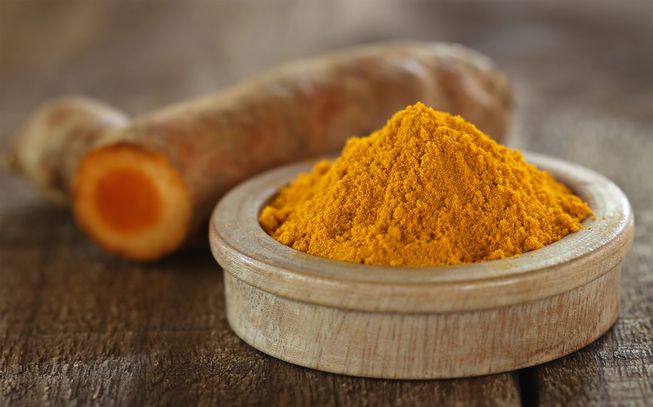
Inexpensive, mild-tasting turmeric may have health benefits for nearly every system in the body, say some nutritionists. (Photo: Swapan Photography/Shutterstock) Turmeric , an orange-colored spice imported from India, is part of the ginger family and has been a staple in Middle Eastern and Southeast Asian cooking for thousands of years. In addition, ayurvedic and Chinese medicines utilize turmeric to clear infections and inflammations on the inside and outside of the body. But beyond the holistic health community, Western medical practitioners have only recently come on board in recognizing the health benefits of turmeric. Here are some of the ways turmeric may benefit your body. Blocking cancer Doctors at UCLA found that curcumin, the main component in turmeric, appeared to block an enzyme that promotes the growth of head and neck cancer. In that study, 21 subjects with head and neck cancers chewed two tablets containing 1,000 milligrams of curcumin. An independent lab in Maryland evaluated the results and found that the cancer-promoting enzymes in the patients’ mouths were inhibited by the curcumin and thus prevented from advancing the spread of the malignant cells. Powerful antioxidant The University of Maryland’s Medical Center also states that turmeric’s powerful antioxidant properties fight cancer-causing free radicals, reducing or preventing some of the damage they can cause. While more research is necessary, early studies have indicated that curcumin may help prevent or treat several types of cancer including prostate, skin and colon. Lower risk of Alzheimer’s disease A study in the American Journal of Geriatric Psychiatry revealed that curcumin may improve memory and mood swings in people who suffer from mild cases of memory loss. Researchers had a group of 40 adults between the ages of 50 and 90 take either a curcumin or placebo pill for 18 months. At the end, the memory […]
The 4 Best—and Worst—Foods to Eat if You Suffer from Anxiety
Whether it’s acute or chronic, you know that anxiety can wreak havoc on your life—creating complications with those closest to you, rendering you incapable of functioning optimally (or functioning at all), and leaving your physical body in a state of discomfort and distress. But the condition—which affects roughly 40 million Americans (or 18% of the population)— can be mitigated with lifestyle changes. 4 Foods That Help With Anxiety (and 4 Foods to Avoid) Chief among them? Diet. Yes: What you eat directly impacts your mental health and your ability to cope with life’s inevitable stresses. With this in mind, we’ve pulled together the top four foods to help you manage anxiet y—and the 4 foods you should do your best to ditch. 1. The Good: Eggs Remember when eggs were deemed a diet no-no? Not so much anymore. Mounting research indicates that protein-packed eggs are one of the most perfect foods you can consume. Brimming with fat-soluble vitamins and essential fatty acids, the humble, versatile egg naturally enhances everything from immunity to muscle strength . They’re also a boon for those suffering from anxiety. This is thanks to the fact that eggs contain tryptophan —an amino acid, typically associated with turkey, that organically fosters serotonin production . (Serotonin is a powerful neurotransmitter that helps moderate mood, sleep, behavior, and memory.) What’s more, eggs are high in zinc, which, Harvard Health reports, lowers anxiety. They’re also rich in choline, a nutrient that’s required for the production of acetylcholine—another neurotransmitter that regulates mood and anxiety. The bad: It may be the very thing that countless people rely on to reduce stress, but that glass of wine or craft cocktail may be doing more harm than good. Alcohol can lead to dehydration and disrupted sleep, both of which can heighten anxiety. Alcohol […]
Cognitive ingredients Market: Regional Growth Trends Focusing on Manufacturers Recorded during 2019-
Cognitive ingredients are primarily used for developing memory, attention and improving health of the brain. Use of these cognitive ingredients in various supplements has been proven effective for depression, anti-aging, anxiety and sleep. Use of cognitive ingredients in various memory enhancer supplements is expected to create a lucrative opportunity for cognitive ingredients market in the forecast period. The growing desire to enhance memory by consuming memory enhancer supplement is further fueling the cognitive ingredients market Cognitive ingredients are primarily used for developing memory, attention and improving health of the brain. Use of these cognitive ingredients in various supplements has been proven effective for depression, anti-aging, anxiety and sleep. Use of cognitive ingredients in various memory enhancer supplements is expected to create a lucrative opportunity for cognitive ingredients market in the forecast period. The growing desire to enhance memory by consuming memory enhancer supplement is further fueling the cognitive ingredients market . Increasing awareness among parents and students about the importance of brain health supplements is projected to boost the overall market growth in the forecast period. Further, a study in Canada revealed that an increased intake of cognitive-ingredients-based supplements during pregnancy could improve motor function of the offspring. Further, rising interest in vegan and vegetarian alternatives is also expected to boost the market slightly. However, even with the healthy growth of the market, manufacturers face issue regarding the age of the consumers when it comes to the use of conventional cognitive ingredients. There are age restrictions for using specific cognitive ingredients. Researchers and manufacturers have an opportunity to develop a universal cognitive ingredient, which will boost the market in the forecast period. Request Brochure of this Report @ https://www.factmr.com/connectus/sample?flag=B&rep_id=3904 Rising desire to enhance cognitive health among people to boost the marker growth Globally, many people do various brain exercises […]

The Power Within by Corey Daniels book available for only $2.99
Mind has both conscious and subconscious halves. These are likened to a driver and the truck he drives. The driver plans the destination and observes road conditions, while the truck provides motive power. Your subconscious mind is like the truck and it only goes in the direction in which is a steered. This can be the road or off a cliff. Likewise, the consciousness paints a picture of what the world is and what your goals are and the subconscious acts on them through emotion, physical response and energy, whether these are correct, rational images or false negative ones. The subconscious is also like an emotional reservoir which your body and mind draw responses from to external stimuli.
The Power Within lays out a method of programming your subconscious and tapping into the Holy Spirit, God voice or what the Greeks called the daimon (godman).