Nature Knows and Psionic Success
God provides
These 6 fall superfoods will benefit your brain
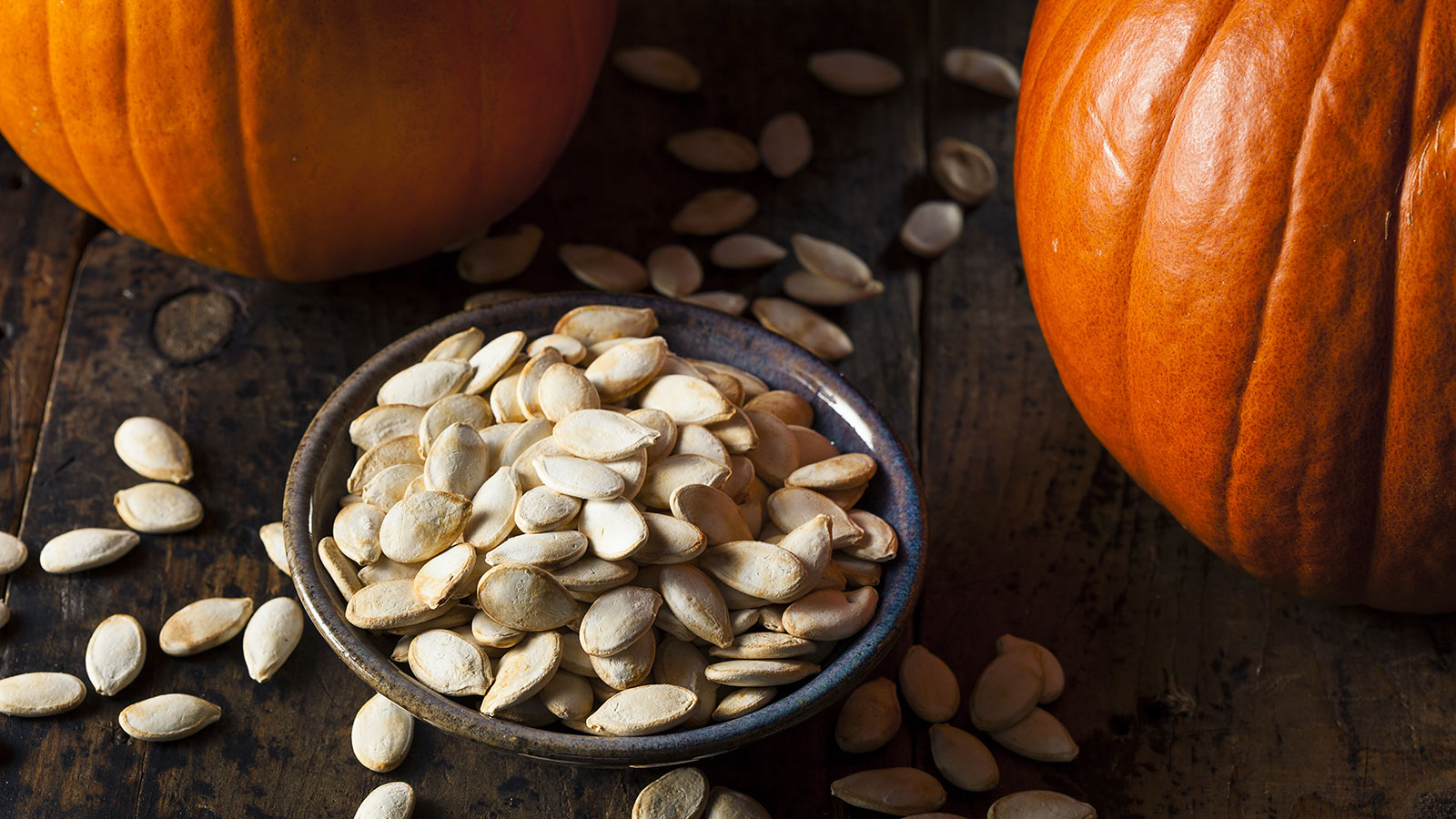
Shutterstock For those who are the Autumn’s biggest fans, it’s never too early to start dipping into the flavors, scents, and spices of the season. Even if sweater-weather, pumpkin picking, flannel shirts, apple ciders, and leaf-peeping isn’t your thing, you can tap into the resources of fall by implementing seasonally-fresh superfoods into your diet. By definition, this category is only given to those goodies from Mother Nature that overflow with nutrients, vitamins, and antioxidants. By stopping by your local farmer’s market, you can source everything from walnuts and beets to broccoli and more during this special time of the year. No matter if you incorporate them into a breakfast, lunch, dinner, or a snack, these bad boys will work overtime for your brain, increasing cognition and helping you to focus. Time to nibble. Pumpkin seeds Sure, you may need to Instagram the infamous Pumpkin Spice Latter (or the new guy in town this year, the Pumpkin Spice Cold Brew) — but the beverage won’t do much for your health. Instead, keep those seeds to the side when you carve a pumpkin with friends or family. Dr. Judy Ho, Ph.D. , a triple board-certified clinical and forensic neuropsychologist and author says these little guys contain powerful antioxidants that protect our body (and mind!) from free-radical damage. They are also considered a reliable source of zinc, which help to signal our nerves, as well as magnesium, which is essential for learning and memory. You’ll also get a dose of iron, which Dr. Ho says is essential to brain function since a deficiency in this nutrient will have you dragging. Broccoli It may have been your arch-nemesis as a child, but these days, it can be served in countless delicious ways. And it turns out your mom was right: it’s green and […]
Auburn University nutrition researchers investigate promising keys to unlocking the mysteries of Alzheimer’s disease
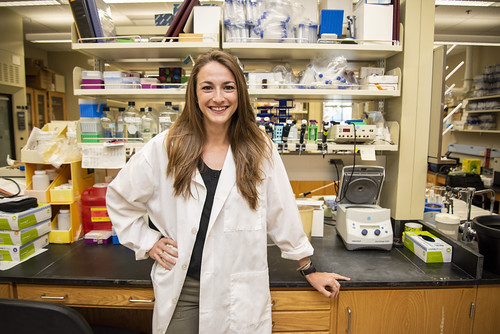
Font Size Alzheimer’s disease affects millions of lives around the world every year according to the 2018 World Alzheimer’s Report, but both the cause and cure to the disease remain a mystery to the medical field. Auburn University College of Human Sciences researchers are tapping into the study of food and diets to examine preventative measures, possible treatments and even potential cures to the disease. A promising avenue of research delves into the topic of meal-timing, which nutrition doctoral student Lauren Woodie studies in the lab of Associate Professor of Nutrition Mike Greene. The meal-timing principle explains how the time of day in which a person consumes food affects their metabolism. For example, eating very late at night may slow your nutrient uptake and lead to negative health effects. Circadian rhythm is this schedule by which the body’s internal clock is set. This rhythm keeps the peace in organs such as the liver, where the genes of the internal clock are regulated by nutrients and synchronized by the central clock in the brain. Researchers were surprised to find that the hippocampus, the brain’s center of memory, behaves in a similar fashion. So, the same principle applies—an irregular eating schedule or poor diet may have serious, lasting effects on memory. “When those two clocks are not working together, metabolic disruptions will happen. One clock remains set to the light, the other becomes set to food. A high-fat diet will disrupt the food regulated clock, and then you have this desynchronization, which is part of the development of metabolic diseases,” Woodie said. “Given the fact that the diet has such a big impact on the hippocampus and that circadian disruptions are a big part of Alzheimer’s disease, looking to see if Western diet-induced circadian disruptions can modulate some of the Alzheimer’s […]
13 best alternative menopause remedies to help you deal with symptoms

(Photo: Dagsmejan sleepwear) The menopause. It happens to every woman, but when symptoms hit, nothing quite prepares you for them. A natural part of ageing, the menopause and the transition towards it, the perimenopause, can strike at any age – but usually between 45 and 55 – with all sorts of unwanted side effects. These can last from four to 10 years. And any woman who is experiencing it, or has gone through it already, will tell you it can be a roller coaster ride of emotions and health issues. When you’re out the other side – the average age is 51 – there’s no more monthly misery to contend with but the journey there can be fraught with hot flushes, night sweats, mood changes, sleep problems and even anxiety. All this is caused by a natural drop in hormones as oestrogen levels decline, which can affect mood and also the skin, changing the elasticity and thickness. Annie Coleridge, head of strategy and operations at healthcare company Thriva says: “Each woman’s experience can be different. There are lots of different ways to manage your menopausal symptoms but, in general, some simple lifestyle changes can really help. These include having a balanced and nutrient-rich diet with enough fruit and vegetables. And regular exercise at least three times a week can help reduce hot flushes and manage your mood. Even making sure you’re getting at least six to eight hours sleep a night can really help with any associated stress and low mood.” While there are ways to manage the menopause medically, such as HRT, there are some simple and effective things you can try to help improve symptoms and to get you through the tough times. We’ve picked out some alternative ways to treat skin, keep calm, improve sleep and […]
Thrivous Upgrades Alpha with Phosphatidylserine for Healthy Brain Aging
"Thrivous is about continuous improvement," said Lincoln Cannon, CEO at Thrivous. "We improved the manufacturing of Alpha to decrease the encapsulation space required by the original formula. And that enabled us to strengthen the formula with the inclusion of phosphatidylserine. Alpha is a unique product. To the best of my knowledge, judging from what I know of the science and the industry, Alpha has the greatest potential of any product on the market to support healthy brain aging." Alpha formula 2 contains Phosphatidylserine, a premium nootropic geroprotector. Phosphatidylserine is a phospholipid that occurs naturally in human and other animal cells. Supplemental phosphatidylserine may support healthy brain aging, particularly improving memory, and may enhance the efficacy of Ginkgo Biloba. See the Summary of Clinical Studies for references. Alpha also contains Acetyl-L-Carnitine (ALCAR), Alpha-GPC, Alpha-Lipoic Acid, and Ginkgo Biloba. The recommended serving is four capsules that provide 500 mg ALCAR, 300 mg Alpha-GPC (from 600 mg of 50% Alpha-GPC material), 150 mg Alpha-Lipoic Acid, and 100 mg Ginkgo (standardized to 24% flavone glycoside and 6% terpene lactone). The recommended dosage is one to four servings daily, for a total of 4 to 16 capsules daily. At this dosage, ALCAR and Alpha-Lipoic Acid may protect the brain from cerebral toxins, Alpha-GPC may provide bioavailable choline to support healthy brain aging, and Ginkgo may complement Phosphatidylserine and improve cerebral circulation to support healthy brain aging. See the Summary of Clinical Studies for references. Thrivous formulates Alpha with guidance from science, and strives to improve the formula continuously. Researchers carefully select all ingredients, standardized bioactives, and dosages based on high levels of evidence for notable effect from peer-reviewed clinical studies on humans. This distinguishes Thrivous from many vendors, who select ingredients with little or no evidence of efficacy in human studies, or at dosages […]
All about Nootropics, the supplements that claim to make you smarter and faster
Vogue gets a medical opinion on the brain tonic that promises to maximise your attention and focus The concept of smart drugs that supersize your brain function can make you feel like you’ve entered the plot of a Hollywood movie—the 2011 Bradley Cooper-starrer, Limitless, to be precise. But it is not just showbiz lore. Nootropics are very real, and pledge some very quantifiable benefits for your cognitive powers. If 2018 was ruled by adaptogenic herbs, 2019 is seeing the shift towards compounds that give the brain an instant boost. So what do you need to know about this superhero supplement? Dr Nicole Avena, PhD and assistant professor of neuroscience at Mount Sinai School of Medicine in New York, deciphers the facts from the fiction. What can nootropics do for you? “Nootropics is a general term used for ‘smart drugs’, supplements or other substances that can serve as cognitive enhancers. The primary benefit of consuming nootropics is that they can improve executive functioning, memory, creativity, focus and motivation. They can also significantly improve accuracy and help individuals feel that they can accomplish tasks that are at hand,” she explains. However, it is worthwhile to note that nootropics won’t turn you into an overnight genius. The active substance merely boosts the brain’s attention and the ability to focus under stressful circumstances, thereby helping you get more done in lesser time. You won’t start running eight-digit calculations mentally in your head, but you will likely have that office presentation sent to your boss in less than usual time. The active substance at play generally includes a mix of natural as well as synthetic compounds that deliver specific neurotransmitters to the brain to enhance performance. Kin Euphorics bottles a heady cocktail of nootropics, adaptogens and botanicals into one non-alcoholic beverage that promises a […]
Sunflower seeds are a delicious, healthy source of vitamin E
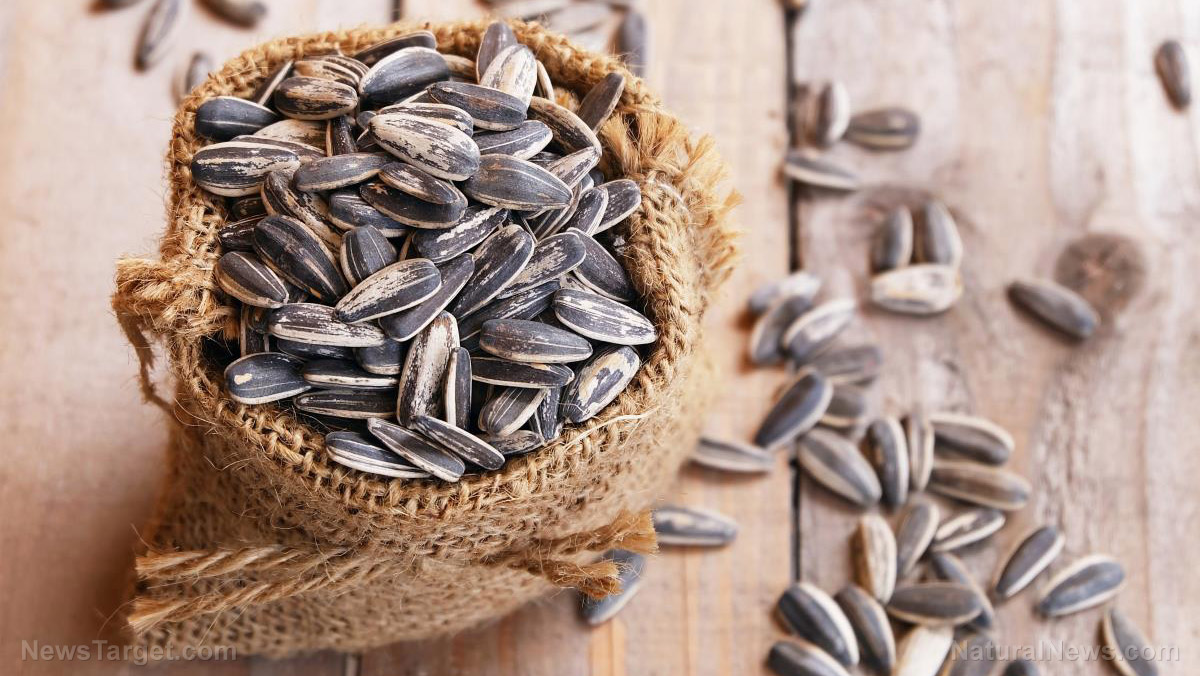
( Natural News ) Sunflower seeds are delicious, healthy superfoods that can be eaten on their own or added to other healthy snacks. They are particularly rich in vitamin E , providing nearly 40 percent of your recommended daily intake of the vitamin with one serving. Also known as alpha-tocopherol, vitamin E is a fat-soluble compound that has potent antioxidant properties. This means that it can protect the body from free radicals, which are metabolic byproducts that oxidize, damage, and age your cells and tissues. Vitamin E may also reduce your risk of heart disease. Studies found a link between vitamin E and a lower risk of cardiovascular disease . This effect may likely be due to its anti-inflammatory properties. Vitamin E also plays a role in many physiological and metabolic process in the body, such as immune function, cell communication, and gene expression. (Related: Vitamin E slows aging, grows hair, prevents diabetes, improves brain function and blood flow .) Other health benefits of sunflower seeds As a superfood, sunflower seeds offer many other health benefits alongside vitamin E. They contain other antioxidants – Sunflower seeds contain other antioxidants such as selenium . They are also a good source of beneficial plant compounds, such as phenolic acids and flavonoids, which also function as antioxidants. Antioxidants help prevent chronic diseases. They fight inflammation – A study published in the American Journal of Epidemiology found that in more than 6,000 adults, those who reported eating sunflower seeds and other seeds at least five times a week had 32 percent lower levels of C-reactive protein than those who did not eat seeds. C-reactive protein is an inflammatory marker linked to an increased risk of heart disease and Type 2 diabetes . The vitamin E in sunflower seeds is also known to help […]
The Science of Learning and Augmented Intelligence Program (SL)
Directorate for Social, Behavioral and Economic Sciences PROGRAM GUIDELINES Apply to PD 19-127Y as follows: For full proposals submitted via FastLane: standard NSF Proposal & Award Policies & Procedures Guide proposal preparation guidelines apply. For full proposals submitted via Grants.gov: the NSF Grants.gov Application Guide: A Guide for the Preparation and Submission of NSF Applications via Grants.gov Guidelines applies. (Note: The NSF Grants.gov Application Guide is available on the Grants.gov website and on the NSF website at: http://www.nsf.gov/publications/pub_summ.jsp?ods_key=grantsgovguide ) Important Information for Proposers A revised version of the NSF Proposal & Award Policies & Procedures Guide (PAPPG) (NSF 19-1), is effective for proposals submitted, or due, on or after February 25, 2019. Please be advised that, depending on the specified due date, the guidelines contained in NSF 19-1 may apply to proposals submitted in response to this funding opportunity. DUE DATES Full Proposal Target Date January 15, 2020 Third Wednesday in January, Annually Thereafter July 8, 2020 Second Wednesday in July, Annually Thereafter SYNOPSIS The Science of Learning and Augmented Intelligence Program (SL) supports potentially transformative research that develops basic theoretical insights and fundamental knowledge about principles, processes and mechanisms of learning, and about augmented intelligence – how human cognitive function can be augmented through interactions with others, contextual variations, and technological advances. The program supports research addressing learning in individuals and in groups, across a wide range of domains at one or more levels of analysis including: molecular/cellular mechanisms; brain systems; cognitive, affective, and behavioral processes; and social/cultural influences. The program also supports research on augmented intelligence that clearly articulates principled ways in which human approaches to learning and related processes, such as in design, complex decision-making and problem-solving, can be improved through interactions with others, and/or the use of artificial intelligence in technology. These could include ways […]
Women need more time at home: Working extra-long hours depresses women more than it does men

( Natural News ) Many people are often exposed to chronic stress because of their jobs. What’s even more alarming is that this could lead to depression. A study published in BMJ’s Journal of Epidemiology and Community Health found that women who work extra-long hours are more likely to suffer from depression – but it is not the case for men. That’s because men and women are different, of course. And they have different neurology, biology and physiology. Researchers from the University College London and the Queen Mary University of London in the U.K. collaborated to determine how working hours affect the mental health of both men and women. They examined data from the Understanding Society, the UK Household Longitudinal Study (UKHLS), which has been monitoring the health and well-being of a representative sample of 40,000 households across the U.K. since 2009. The research team gathered information about the working hours, weekend work, working conditions, and psychological distress from 11,215 working men and 12,188 working women between 2010 and 2012. The participants completed a general health questionnaire, so the researchers could measure their depressive symptoms, including feeling worthless or incapable. After taking age, income, health, and job characteristics into account, the researchers found that women who worked longer than 55 hours a week were more likely to suffer from depression than women working 35 to 40 hours each week. Specifically, women who worked overtime had 7.3 percent more depressive symptoms than those who worked standard hours. Women who worked on all or most of the weekend increased their depressive symptoms by 4.6 percent, on average, compared to women who only worked on Mondays to Fridays or on some weekends. Discover how to prevent and reverse heart disease (and other cardio related events) with this free ebook : Written by […]
Researchers discover that the spinal cord works with the brain to control complex motor functions
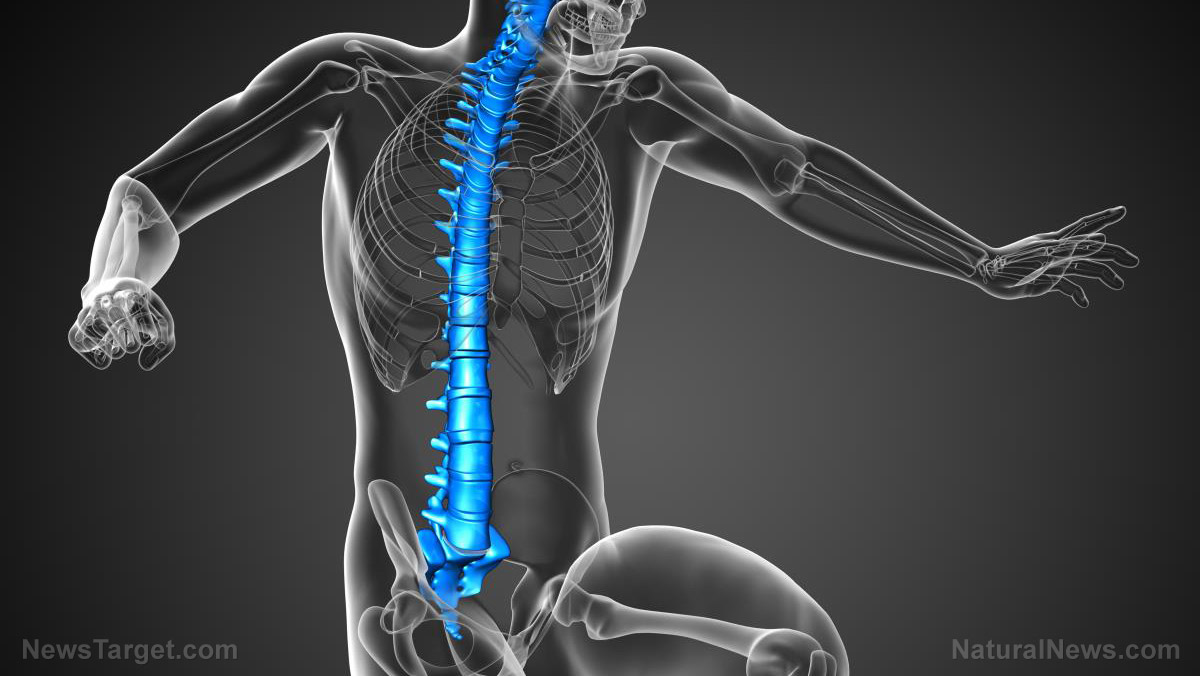
( Natural News ) The spinal cord displays more capability than most people give it credit for. A new study reported that this structure directly controls complicated motor functions in the arm. The spinal cord runs down the length of the spine. It is a large and important part of the central nervous system. In humans, its neural circuits govern the pain reflex. In animals, the spinal cord controls simple motor functions. Western University researchers reported that the spinal cord handles higher motor functions as well. For example, it controls the positioning of the hand in a space – a simple task that is more complicated than it sounds. “This research has shown that a least one important function is being done at the level of the spinal cord and it opens up a whole new area of investigation to say, ‘what else is done at the spinal level and what else have we potentially missed in this domain?’” asked Western researcher Dr. Andrew Pruszynski. As senior researcher and supervisor of the Western team, Pruszynski oversaw the investigation of the human spinal cord. The findings of their study were published in the journal Nature Neuroscience . (Related: Curcumin performs BETTER than drugs and surgery at treating spinal cord injuries – review .) Robotic exoskeleton helps researchers determine what controls the hand Manipulation of the positioning of a hand relies on sensory data from several nearby joints. The elbow and wrist, in particular, provide most of the data needed to determine the location of the appendage. 100% organic essential oil sets now available for your home and personal care, including Rosemary, Oregano, Eucalyptus, Tea Tree, Clary Sage and more, all 100% organic and laboratory tested for safety. A multitude of uses, from stress reduction to topical first aid. See the […]
Chinese skullcap herb found to kill ovarian cancer cells
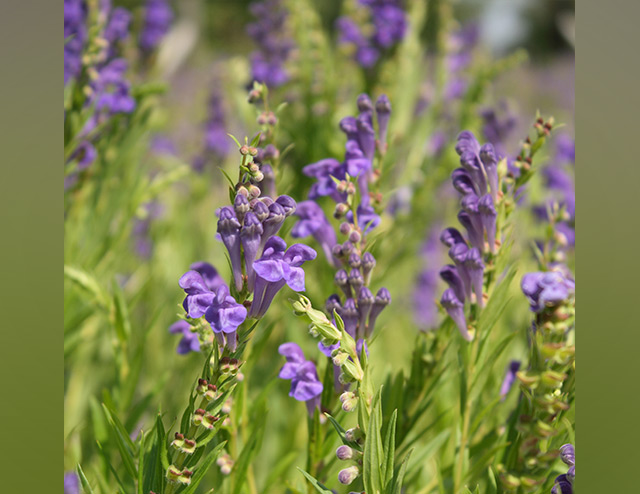
( Natural News ) Scutellaria baicalensis , also known as Chinese skullcap, is a flowering plant used in traditional Chinese medicine. Its roots have been used since ancient times to treat various conditions, such as inflammation, hypertension, psoriasis, and respiratory infections. S. baicalensis contains many active components, the most widely studied of which are the flavonoids baicalin and baicalein. Baicalin has been shown to have neuroprotective, cognitive-enhancing, and anti-cancer activities. In a recent study published in The American Journal of Chinese Medicine , researchers from the University of Macau investigated the bioactivity of the other flavonoid, baicalein (BA). They reported that BA also exhibits anti-cancer activity against ovarian cancer cells in vitro. The health benefits of Chinese skullcap S. baicalensis belongs to the mint family and is widely known as a rich source of antioxidants. In particular, the flavones found in S. baicalensis can significantly reduce the effects of oxidative stress on many tissues in the body. Its major active components, baicalin and BA, are also known to display a wide range of therapeutic activities. In traditional medicine, S. baicalensis is used to treat ailments related to the heart, liver, and brain. The herb is especially effective against conditions caused by inflammation. The compounds found in the roots of S. baicalensis also make them potent against viruses, bacteria, and certain cancers. (Related: Baicalin from Chinese skullcap inhibits growth of squamous cell skin carcinoma .) Discover how to prevent and reverse heart disease (and other cardio related events) with this free ebook : Written by popular Natural News writer Vicki Batt, this book includes everything you need to know about preventing heart disease, reversing hypertension, and nurturing your cardiac health without medication. Learn More. Due to its many health benefits , S. baicalensis has become a popular natural supplement. It […]
A risky treatment for depression: Experts warn against the dangers of DIY brain stimulation
( Natural News ) Depression can be a debilitating disease, and it’s not surprising that sufferers are desperate to get rid of it. However, if you’re jumping on the DIY brain stimulation trend, scientists have a very serious warning for you. Although some studies have shown that brain stimulation holds promise for people with depression, it’s not very accessible , limited mostly to those selected for clinical trials. This has led some people, especially those who live in rural areas, to try at-home brain stimulation devices. In fact, transcranial direct current stimulation (tDCS) devices can be made using simple parts and tools, which makes it a somewhat attractive option to those who are hoping to avoid the very serious and potentially deadly side effects of antidepressants. People are using these devices not only to alleviate depression , anxiety and attention deficit disorder; in some cases, they are simply doing it because they believe it might boost their memory or creativity. Consider the dangers The concept of modern brain stimulation might be more palatable than the electroshock therapy that was used in psychiatric hospitals in the past, but that doesn’t mean it’s safe – especially when it’s carried out by people without the proper training. There are countless ways that sending electrical currents into your brain without medical supervision could go wrong. In an open letter published in the Annals of Neurology , neuroscientists from the University of Pennsylvania Perelman School of Medicine and the Beth Israel Deaconess Medical Center outlined some very serious risks associated with the practice. Discover how to prevent and reverse heart disease (and other cardio related events) with this free ebook : Written by popular Natural News writer Vicki Batt, this book includes everything you need to know about preventing heart disease, reversing hypertension, and […]
Can Turmeric Help Treat Psoriatic Arthritis?
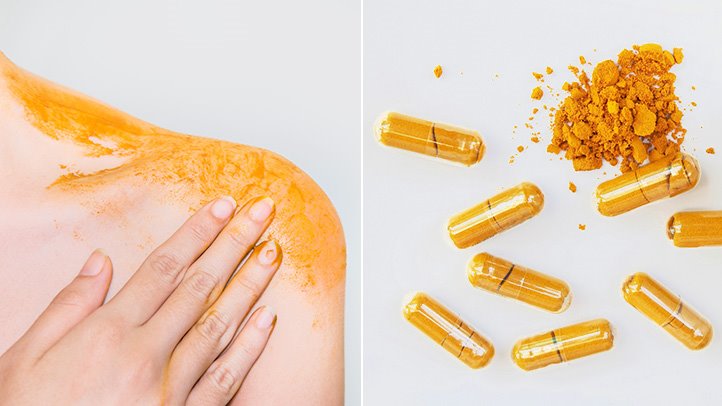
Turmeric can take many forms, including capsules and DIY salves. If you have psoriatic arthritis (PsA) and are considering adding a natural dietary supplement to your treatment regimen, you may want to consider turmeric, a golden-yellow powder that’s ground from the root of the turmeric plant. Practitioners of Chinese and Indian Ayurvedic medicine have used turmeric to treat arthritis for thousands of years — and now more and more research is emerging that finds turmeric can help allay pain caused by all kinds of arthritis. Why Does Turmeric Ease the Pain of Psoriatic Arthritis? Turmeric may help with PsA because of the powerful anti-inflammatory effects of its main active ingredient, curcumin. “Joint inflammation can be a painful symptom associated with psoriatic arthritis ,” says Nicole Avena, PhD , an assistant professor of neuroscience at the Ichan School of Medicine at Mount Sinai in New York City and visiting professor of health psychology at Princeton University in New Jersey. “Turmeric may block NF-kB, a molecule in our bodies that travels into the nuclei of cells to activate genes that increase inflammation.” Emily Tills, RDN , who works with patients in Syracuse, New York, adds, “Turmeric contains antioxidants , which are derivatives of vitamins and minerals. They can aid in fighting off free radicals in the body that can cause disease, pain, and deterioration of joints and bones.” Dr. Avena also points to a potential side benefit of turmeric: “It may help improve memory by boosting BDNF [brain-derived neurotropic factor] levels.” Turmeric Can Work as a Salve or Capsule Turmeric comes in many forms, including capsules. “But you can also make a salve and apply it topically to the area that’s bothering you,” Avena says. “Mix turmeric with ingredients like warm water, warm milk, or sesame oil to create a paste […]
5 Easy Ways to Boost Your Brain Health
Source: brain-1845962_1920 pixabay TheDigitalArtist Brain supplements are big business. In 2015, the supplement market specifically targeted toward boosting brain health was worth an estimated 2.3 billion dollars . By 2024, that number is expected to increase by 500 percent, reaching an estimated 11.6 billion dollars. More and more, people are turning to supplements to enhance their memory, alleviate depression and anxiety , increase their attention and focus, support longevity, and prevent dementia . Among the most popular of these supplements are carnitine, ginkgo, ginseng, fish oil , turmeric, and most recent to enter the market, CBD oil. But do any of these supplements actually work? Unfortunately, supplements are loosely regulated and good-quality research studies on their effectiveness are hard to come by. But the studies that have been conducted continue to find no evidence in support of their effectiveness. For example, a study published in The Lancet Neurology examined ginkgo biloba use among 2,854 older adults with memory complaints over the course of five years. In the end, the group who took ginkgo twice a day had the same number of Alzheimer’s cases as the group who took a placebo . So rather than wasting your hard-earned money on ineffective supplements, try these five tips for boosting your brain health. Not only are they backed by science, but they’re also easy to do and cost way less than supplements (many are even free). 1. Think Fork, Not Pill Supplements in pill form may be ineffective, but there are lots of benefits to adding them to your diet the natural way—through food. Research shows that better brain health is associated with a diet rich in green leafy vegetables, walnuts, berries, and fatty fish. For instance, a 2012 study on thousands of adults found that those who took fish oil pills […]
Inspiring Morning Routines for INFJs, INFPs, ENFJs and ENFPs

Intuitive-Feeling personality types crave a life of meaning, significance, and purpose. If you’re an NF type in the Myers-Briggs® system, you believe that each day is in service of a bigger picture or plan. You want to be a catalyst for change, an inspirer, a unifier, and someone who lives with authenticity. How can your morning routine propel you towards your vision in life? For so many of us, mornings are about rushing through breakfast, gulping down coffee, and driving to work in a flurry of stress, worry, or even boredom. But did you know that the morning can be the best part of your day? Did you know that the tone you set in the morning can stick with you throughout the whole day and make you productive, powerful, and creative? Stop “getting through” your mornings and start really LIVING them. For you, a healthy morning routine isn’t just about getting your vitamins and your favorite brand of coffee. This routine fills you with inspiration, sparks your imagination, and moves you further towards your personal goals. Inspiring Morning Routines for INFJs, INFPs, ENFJs and ENFPs Prepping for a Positive Morning (The Night Before): Pick a quote to put on your bedside table that will get you started in the right mindset. Here are a few examples: “Live the Life of Your Dreams. Be brave enough to live the life of your dreams according to your vision and purpose instead of the expectations and opinions of others.” – Roy T. Bennett “Acknowledging the good that you already have in your life is the foundation for all abundance.” – Eckhart Tolle “A year from now, you may wish you started today.” – Karen Lamb “He (God) gives strength to the weary and increases the power of the weak. Even youths […]
OpenAI and DeepMind teach AI teamwork by playing hide-and-seek
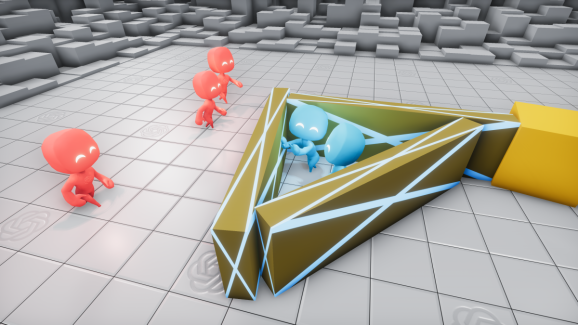
Above: OpenAI and DeepMind collaborated on AI that taught itself to play hide-and-seek. The age-old game of hide-and-seek can reveal a lot about how AI weighs decisions with which it’s faced, not to mention why it interacts the way it does with other AI within its sphere of influence — or its proximity. That’s the gist of a new paper published by researchers at Google parent company Alphabet subsidiary DeepMind and OpenAI, the San Francisco-based AI research firm that has backing from luminaries like LinkedIn cofounder Reid Hoffman. The paper describes how hordes of AI-controlled agents set loose in a virtual environment learned increasingly sophisticated ways to hide from and seek each other. Results from tests show that two-agent teams in competition self-improved at a rate faster than any single agent, which the coauthors say is an indication the forces at play could be harnessed and adapted to other AI domains to bolster efficiency. The hide-and-seek AI training environment, which was made available in open source today, joins the countless others OpenAI, DeepMind, and DeepMind sister company Google have contributed to crowdsource solutions to hard problems in AI. In December, OpenAI published CoinRun , which is designed to test the adaptability of reinforcement learning agents. More recently, it debuted Neural MMO , a massive reinforcement learning simulator that plops agents in the middle of an RPG-like world. For its part in June, Google’s Google Brain division open-sourced Research Football Environment , a 3D reinforcement learning simulator for training AI to master soccer. And DeepMind last month took the wraps off of OpenSpiel , a collection of AI training tools for video games. “Creating intelligent artificial agents that can solve a wide variety of complex human-relevant tasks has been a long-standing challenge in the artificial intelligence community,” wrote the coauthors […]
Booksmart column: 3 novels show compassion amid the chaos

The three novels below focus on a period of human history where compassion was at once both gravely lacking and mercifully abundant. Nonstop media coverage of disturbing hate crimes, senseless gun violence, and recurring natural disasters can lead us to begin to feel numb to the sorrow of those around us. Yet, social psychologists argue that we are a profoundly caretaking species and that compassion remains one of our strongest instincts. But what exactly is compassion and how is it different from empathy? Empathy refers to our ability to take the perspective of and feel the emotions of another person. Compassion is a feeling which arises upon witnessing or hearing about another’s suffering and which compels us to act in some way to help ease or alleviate their pain. The action component of compassion distinguishes it from empathy. Compassion appears to be a natural instinct that evolved because it enhances the survival of a species. Yet a number of recent studies have shown that it is also a skill that can be cultivated through learning and experience. While some of us behave more consistently compassionate than others due to upbringing, it is also teachable. Research suggests that repeatedly modeling compassionate behavior to very young children is a potent means of fostering a trajectory of lifelong compassion and kindness. Among adults, techniques such as compassion meditation training have been shown to actively increase brain activity in the inferior parietal cortex, an area of the brain associated with understanding for other people. Recent studies in The Journal of Emotion indicate that the compassion we feel for others is not solely a function of what befalls them. If we can be trained to draw an association or commonality between a victim and ourselves — even a relatively trivial one — the degree […]
Herbal remedies for improving dilation of blood vessels in the brain

( Natural News ) Reversible cerebral vasoconstriction syndrome (RCVS) is a rare condition caused by the sudden tightening of blood vessels that supply oxygen to the brain. It is characterized by severe ‘thunderclap’ headaches – with or without neurological symptoms – and in some cases, occasional seizures. RCVS can also lead to ischemic or hemorrhagic stroke. Traditionally, two medicinal plants, namely, Ginkgo biloba and Sophora japonica , are used to treat cerebral vasoconstriction . In a recent study, researchers from Kagoshima University in Japan and Vietnam National University of Agriculture investigated the mechanisms behind the biological activity of both these plants to understand why they are used in traditional medicine to address RCVS. Their findings were published in The American Journal of Chinese Medicine. G. biloba and S. japonica Ginkgo biloba is a traditional Chinese medicine used by the ancient Chinese to treat the symptoms of asthma and improve cognitive function. They also believed that it has strengthening properties so it was used to increase sexual energy. Other health benefits associated with ginkgo biloba include the treatment of blood disorders and memory problems, improvement of eye health, and the enhancement of cardiovascular function. (Related: Herbal supplement ginkgo biloba found to prevent cell death in the brain, improve recovery from stroke .) The ginkgo tree, also known as the maidenhair tree, is one of the oldest species of trees in the world. Extracts from this tree and its leaves are used to make tea. Ginkgo is said to contain high amounts of flavonoids and terpenoids, which are beneficial antioxidant compounds found mainly in plants. Today, ginkgo biloba extracts derived from its leaves can also be found in supplements that claim to improve blood circulation and brain function . Discover how to prevent and reverse heart disease (and other cardio related […]
Booksmart column: 3 novels show compassion amid the chaos

The three novels below focus on a period of human history where compassion was at once both gravely lacking and mercifully abundant. Nonstop media coverage of disturbing hate crimes, senseless gun violence, and recurring natural disasters can lead us to begin to feel numb to the sorrow of those around us. Yet, social psychologists argue that we are a profoundly caretaking species and that compassion remains one of our strongest instincts. But what exactly is compassion and how is it different from empathy? Empathy refers to our ability to take the perspective of and feel the emotions of another person. Compassion is a feeling which arises upon witnessing or hearing about another’s suffering and which compels us to act in some way to help ease or alleviate their pain. The action component of compassion distinguishes it from empathy. Compassion appears to be a natural instinct that evolved because it enhances the survival of a species. Yet a number of recent studies have shown that it is also a skill that can be cultivated through learning and experience. While some of us behave more consistently compassionate than others due to upbringing, it is also teachable. Research suggests that repeatedly modeling compassionate behavior to very young children is a potent means of fostering a trajectory of lifelong compassion and kindness. Among adults, techniques such as compassion meditation training have been shown to actively increase brain activity in the inferior parietal cortex, an area of the brain associated with understanding for other people. Recent studies in The Journal of Emotion indicate that the compassion we feel for others is not solely a function of what befalls them. If we can be trained to draw an association or commonality between a victim and ourselves — even a relatively trivial one — the degree […]
20 Reasons Why You Should Add Sea Buckthorn to Your Pantry
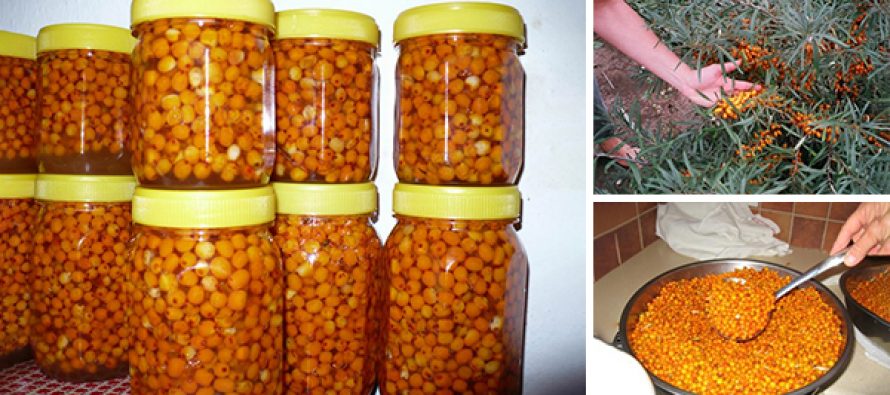
Sea Buckthorn, Hippophae Rhamnoides , produces a highly nutritious berry that has gained super fruit status. The fruit and seed oil are full of Omega 3, 6, 9, and 7, a rare fatty acid recently discovered. The fruit contains a host of antioxidants and healing nutrients, and is a superior source of vitamins and minerals. It has been touted as being particularly good for the skin and brain function, including memory. The fruit grows naturally on a shrub or small tree in the Himalayan Mountains, but is adaptable to growth in the US in zones 3 to 8. It is a nitrogen fixing plant that grows well in barren soil and possibly in your garden. The berries can be canned or dried for use year-round. . They can be used with sugar or natural sweeteners to make a wide variety of jams, jellies, desserts, and flavored drinks. Some people like to eat them straight off the bush, but most prefer them sweetened. After learning about these nutritious berries and stocking my pantry with them, I wondered if I even need those highly refined vitamins I have stashed. Here are just some of the nutritious and medicinal benefits of sea buckthorn: #1. Nutrition Benefits One tiny berry contains 12 times the vitamin C of an orange. Sea buckthorn is considered one of the most vitamin-packed foods on the planet. It is rich in protein, fiber, antioxidants, vitamins, and minerals. #2. Fights Inflammation The berries lower levels of C-reactive protein associated with inflammation and fight inflammation in all parts of the body. #3. Treats High Cholesterol Sea buckthorn berries and oil have properties that are naturally heart healthy. It lowers cholesterol levels naturally. #4. Promotes Healthy Bowel Function The fatty acids in sea buckthorn help lubricate the bowel and promote regular […]
5 Easy Ways to Boost Your Brain Health
Source: brain-1845962_1920 pixabay TheDigitalArtist Brain supplements are big business. In 2015, the supplement market specifically targeted toward boosting brain health was worth an estimated 2.3 billion dollars . By 2024, that number is expected to increase by 500 percent, reaching an estimated 11.6 billion dollars. More and more, people are turning to supplements to enhance their memory, alleviate depression and anxiety , increase their attention and focus, support longevity, and prevent dementia . Among the most popular of these supplements are carnitine, ginkgo, ginseng, fish oil , turmeric, and most recent to enter the market, CBD oil. But do any of these supplements actually work? Unfortunately, supplements are loosely regulated and good-quality research studies on their effectiveness are hard to come by. But the studies that have been conducted continue to find no evidence in support of their effectiveness. For example, a study published in The Lancet Neurology examined ginkgo biloba use among 2,854 older adults with memory complaints over the course of five years. In the end, the group who took ginkgo twice a day had the same number of Alzheimer’s cases as the group who took a placebo . So rather than wasting your hard-earned money on ineffective supplements, try these five tips for boosting your brain health. Not only are they backed by science, but they’re also easy to do and cost way less than supplements (many are even free). 1. Think Fork, Not Pill Supplements in pill form may be ineffective, but there are lots of benefits to adding them to your diet the natural way—through food. Research shows that better brain health is associated with a diet rich in green leafy vegetables, walnuts, berries, and fatty fish. For instance, a 2012 study on thousands of adults found that those who took fish oil pills […]

The Power Within by Corey Daniels book available for only $2.99
Mind has both conscious and subconscious halves. These are likened to a driver and the truck he drives. The driver plans the destination and observes road conditions, while the truck provides motive power. Your subconscious mind is like the truck and it only goes in the direction in which is a steered. This can be the road or off a cliff. Likewise, the consciousness paints a picture of what the world is and what your goals are and the subconscious acts on them through emotion, physical response and energy, whether these are correct, rational images or false negative ones. The subconscious is also like an emotional reservoir which your body and mind draw responses from to external stimuli.
The Power Within lays out a method of programming your subconscious and tapping into the Holy Spirit, God voice or what the Greeks called the daimon (godman).