Nature Knows and Psionic Success
God provides
New Research Finds Blue-Light Glasses Improve Workday Productivity

New study suggests blue light glasses can make a difference. Odds are you’re part of the larger whopping 52% of Americans who say work stress interferes with sleep. And if you’re not getting enough shut-eye, that can spell trouble. A long-term sleep study shows that people who sleep less than six hours at night have a decline in brain function equivalent to aging four to seven years. When you don’t doze enough, sleep deprivation lowers your resistance to stress and harms your brain.
Research shows that lack of sleep interferes with memory and learning. Your brain moves slower. You’re more forgetful. Your attention is short-circuited, and you’re grumpier. Plus, you’re more likely to nod off at your desk. It doesn’t take a rocket scientist to realize that these situations derail career success. Studies also show that if you don’t get enough sleep, you’re at greater risk of heart attack or stroke and your risk of death from heart disease more than doubles. Lack of sleep is linked to depression, impaired immune system function, weight gain, hypertension and Type 2 diabetes.
Screen Glow And Blue-Light Glasses
A National Sleep Foundation study showed that the glow from electronic devices suppresses melatonin and interferes with falling and staying asleep. A good night’s sleep not only benefits workers; it also helps an employer’s bottom line. During the pandemic, a lot has been written about zoom exhaustion. As remote working has become more commonplace, the amount of screen time for many people working and learning from home as well as binge-watching TV has sharply increased. New research published in the Journal of Applied Psychology found that wearing blue-light glasses just before sleeping can lead to a better night’s sleep, better career decision-making and contribute to a better day’s work productivity.
Most of the technology we commonly use—such as computer screens, smartphones and tablets—emits blue light, which past research has found can disrupt sleep. Workers have become more dependent on these devices, especially as we navigate remote work and school during the coronavirus pandemic. The media have recently reported on the benefits of blue-light glasses for those spending a lot of time in front of a computer screen. This new research extends understanding of the circadian rhythm, a natural, internal process that regulates the sleep-wake cycle and repeats roughly every 24 hours.
Research led by Cristiano Guarana at the Indiana University Kelley School of Business collected data from 63 company managers and 67 call center representatives at Brazil-based offices for a U.S. multinational financial firm and measured task performance from clients. Participants were randomly chosen to test glasses that filtered blue light or those that were placebo glasses. “Employees are often required to work early mornings, which may lead to a misalignment between their internal clock and the externally controlled work time,” the researchers said, adding that their analyses showed a general pattern that blue-light filtration can have a cumulative effect on job performance, at least in the short term.
According to Guarana, “We found that wearing blue-light-filtering glasses is an effective intervention to improve sleep, work engagement, task performance and organizational behavior, and reduced counterproductive work behavior.” The advantages of blue-light-filtering glasses were stronger for “night owls” than morning people because they encounter greater misalignments between their internal clock and the externally controlled work time.
“Blue-light exposure should also be of concern to organizations,” Guarana said. “The ubiquity of the phenomenon suggests that control of blue-light exposure may be a viable first step for organizations to protect the circadian cycles of their employees from disruption.”
Statin drugs used to fight cholesterol actually HARM your health, say experts
( Natural News ) When a doctor tells someone that their cholesterol levels are high enough to warrant a prescription for statins, many people are more than willing to comply in hopes of avoiding a heart attack. Statins are the second-most prescribed drugs on the planet, and one out of every five Americans aged 40 to 75 takes these drugs on a regular basis. Although doctors hand out prescriptions for statins like it’s not a big deal, this is one case where it is best to avoid emotional reactions and spend some time researching the situation very carefully.
Unfortunately, the statins used to fight cholesterol can actually harm your health quite significantly, and they don’t quite offer the benefits many people expect. In fact, explaining all the ways these drugs can put your health in danger goes beyond the scope of this article as at least 300 adverse health effects have been revealed in published literature so far. Some of the major categories include damage to the muscles, nerves and liver, endocrine disruption, cardiovascular damage and birth defects in addition to raising your risk of cancer and diabetes.
Myopathy, or muscle breakdown and pain, is one of the more well-known side effects of these drugs, affecting up to 40 percent of patients within the first month of treatment. Several trials have shown statistically significant rises in cancer incidence and deaths. In particular, the greater risk of breast cancer associated with these drugs means that women need to be extra careful with them.
Studies have also shown that statins can raise people’s risk of Type 2 diabetes . Doctors have long been aware of the connection, but many tend to attribute it to the fact that those taking statins often have more risk factors for diabetes in the first place. However, more recent studies have shown that the risk is indeed related to the use of these drugs. One study found that they can cause post-menopausal women’s diabetes risk to rise by 71 percent, even after making adjustments for other factors that might influence their diabetes risk such as body mass index, age and ethnicity.
The rise in Alzheimer’s disease that is being seen right now just as more Americans than ever are taking statins may be more than a coincidence. High cholesterol levels can actually protect elderly people against dementia and the inverse is also true; low cholesterol levels are linked to a higher risk of dementia. Memory loss is one of the documented side effects of statins, which reduce the body’s production of CoQ10, a nutrient that protects the brain and the heart. CoQ10 deficiency is also behind the muscle pain and fatigue that many of those taking statins experience. Keep your heart healthy naturally
Of course, there is no reason that anyone has to choose between potentially having a heart attack or suffering from the many side effects and risks of statins. There are several natural ways that you can improve your heart health that might require a bit more effort than taking a pill but can reap tremendous benefits in all areas of your physical and mental health. For example, physical exercise is a great way to improve your heart health. Start getting more active or increase the intensity of any activity you are doing already if your cholesterol numbers are concerning.
Yoga is another great way to enhance your heart health. You can also increase your intake of foods known to help fight high cholesterol, such as oats and fiber-rich foods. At the same time, it is important to avoid processed foods.
Unfortunately, statins are huge money maker for Big Pharma, and recent changes to the guidelines have broadened the definition of “high cholesterol” and mean many more Americans than before are being prescribed these drugs. The many potential drawbacks of these drugs, paired with their rather questionable benefits, should have everyone seeking alternative ways of keeping their heart in top shape.
Sources for this article include:
GreenMedInfo.com
What are the benefits of eating cannabis seeds?
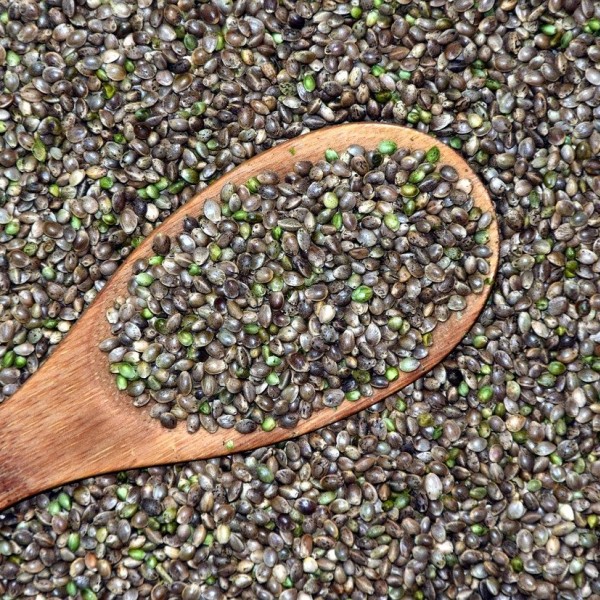
Cannabis sativa belongs to industrial hemp. Each part of the plant offers many advantages: Flower: has powerful medicinal and mood-changing properties
Seeds: are rich in essential fatty acids and vegetable amino acids, which are necessary for the body.
Stalk: belong to the most substantial natural production source of industrial fibres worldwide
Roots & leaves: enrich the soil with valuable nutrients so that a farmer can allow several cannabis plants to flourish per season.
With the rise of CBD products, we are now able to order and buy weed seeds in UK with some of the best companies and online stores such as SensorySeeds.com.
Besides, the cannabis plant is straightforward to grow. It withstands harsh winter months and thrives in almost any setting without pesticides and herbicides. But keep in mind that growing cannabis in the UK is still illegal!
Cannabis seeds’ special features
Hemp seeds are the small seeds of the hemp seed plant Cannabis sativa. They have an olive-green, glossy protective cover, a white pulp and are about 2-4mm long and wide.
In contrast to the Indian hemp Cannabis indica (also known as marijuana), cannabis seeds and hemp oil from Cannabis sativa are not intoxicating. The Cannabis sativa plant contains only a tiny amount (less than 0.2%) or no THC (tetrahydrocannabinol) at all.
Cannabis indica, on the other hand, plays a significant role in the manufacture of drugs and medicine.
Healthy cannabis seeds
Cannabis seeds strengthen the immune system, promote the elimination of toxins and support the healing process. They provide all of the essential amino acids that the human body cannot produce on its own, thereby increasing the building and repair of cells and reducing the susceptibility to disease.
Cannabis seeds are also rich in healthy omega-3 and omega-6 fatty acids. The human body needs both fatty acids for various cellular processes. They lower harmful triglycerides, promote heart health, boost immune activity, improve digestion, are suitable for the brain, and increase physical energy.
The body also uses the omega 6 fatty acids as a building block for anti-inflammatory hormones and supports the healing process of eczema, asthma, acne, allergies, fibromyalgia and rheumatoid arthritis. Omega-3 and -6 fatty acids also make it easier to burn fat, lower the bad cholesterol level and ensure shiny hair, beautiful skin and healthy nails.
Cannabis seeds also contain a lot of vitamin E, various minerals and trace elements (such as zinc, iron, magnesium, calcium and phosphorus), digestive fibre, antioxidants, chlorophyll and immune-supporting secondary plant substances.
Vitamin E and zinc have an antioxidant effect and protect the cells from the harmful effects of free radicals. Iron helps distribute oxygen-rich red blood cells throughout the body, and magnesium plays a massive role in hundreds of chemical reactions in the body.
The complex nutritional composition in cannabis seeds helps eliminate unwanted toxins from the body and stimulate fat burning. At the same time, the creation of a hormonal balance is supported, and a high cholesterol level is lowered.
In contrast to some whey or protein shakes, the protein in the hemp seeds is easily digestible for most. Whey and various protein shake often lead to air pockets and gas in the intestines.
The vegetable protein in cannabis seeds is easy to digest and, unlike soy products, does not contain any phytic acid.
Cannabis seed effects
1. Hemp seeds promote the regeneration of the muscles
After a strenuous exercise, the body is often over-acidic. The various minerals and vitamin E in cannabis seeds help to bring the body’s pH back into balance, and the essential fats have anti-inflammatory effects and support the regeneration and healing process of small muscle cells.
The muscle can regenerate faster, muscle soreness can be reduced, and the acidification of the body can be balanced out.
2. Hemp seeds increase testosterone levels
Testosterone is an important muscle stimulating hormone. It promotes muscle growth and muscle activity.
Besides, cannabis seeds contain various nutrients that support the function and production of testosterone.With the help of the magnesium in cannabis seeds, testosterone is released from the binding protein SHBG and becomes bioavailable to the body. It increases the level of testosterone in the blood and promotes muscle growth.Aspartic acid is a non-essential amino acid found in cannabis seeds and is used in the production of signaling molecules. These molecules promote testosterone levels and the number of sperm in the male body.Cannabis seeds provide magnesium and aspartic acid in large quantities.3. Cannabis seeds provide energy Cannabis seeds provide more energy if 4 tablespoons of raw hemp seeds are eaten with fresh fruit in the morning, productivity and the ability to concentrate increase.Cannabis seeds contain special fats that increase brain performance and proteins that stimulate cell activity. Both serve as a good source of energy for the body and reduce the need for other stimulants, such as coffee, sugar, chocolate, energy drinks or other sugary drinks.4. Cannabis seeds improve memory The brain needs various fats and vitamins to function optimally. The omega-3 fatty acids in cannabis seeds are converted through several processes in the body and used as an essential source of energy for the brain and the entire nervous system.It improves memory and mood and reduces symptoms of anxiety and depression. Regular consumption of cannabis seeds can also reduce the risk of diseases such as Parkinson’s and Alzheimer’s.5. Cannabis seeds help you lose weight The combination of nutrients in cannabis seeds ensures a faster feeling of satiety, increases metabolism, reduces cravings for sweets and increases motivation for training and physical activity. The fats they contain also help burn fat, and the fibre helps to excrete more toxins, making it easier to lose weight.In conclusion cannabis seeds have many beneficial properties and we hope that over time they will be more appreciated and marketed, so that more people can easily include them in their daily diet. It is now easy to find them online as on the Sensoryseed shop and we hope that over time they will become more and more known by lovers of healfy food. Keep up with the top stories from Reader’s Digest by subscribing to our […]
Cognitive health is top of mind
The current world population of 7.7 billion is expected to reach 8.5 billion in 2030, 9.7 billion in 2050 and 10.9 billion in 2100, according to the U.N. Department of Economic and Social Affairs. These projections are increasingly discussed for their possible impact on the environment, food security and beyond.
However, equally significant but not as extensively discussed is the decrease in compound annual growth rate (CAGR), indicating an increase in the aging population. Between 2015 and 2050, the proportion of the world’s population over 60 years will nearly double from 12% to 22%, per the World Health Organization (WHO). This growth is going to be primarily driven by developed countries—those that have more discretionary income. The size of this demographic, coupled with its spending power, will greatly impact spending on health and transform the respective
markets, creating a range of new opportunities. The food, beverage, and dietary supplement industries, especially those in developed markets, can take part in these new opportunities by addressing the future concerns of the aging population today.
One such concern is cognitive health. Cognitive health encompasses a multitude of facets, including the prevention of normal cognitive aging and the gradual decline in awareness, information handling, memory and reasoning. Cognitive aging affects everyone—it is not a disease or a disorder, it is a natural process of life. Not only is there a growing aging population, but that aging population is living longer, working longer and staying active longer, both mentally and physically. Due to this increase in life expectancy and productivity, prevention of normal cognitive aging has never been more top of mind.
An AARP survey on brain health revealed 98% of U.S. adults age 40 and older noted it is important to maintain or improve brain health, which has prompted many individuals to take action to do so. Common approaches are physical exercise, participation in cognitive-stimulating activities (e.g., crossword puzzles, reading), and eating a diet rich in fruits and vegetables. Another approach that can still be advanced is the consumption of food, beverages and dietary supplements specifically formulated for brain health. This segment within the food, beverage, and dietary supplement industries has been underdeveloped and overshadowed by more popular segments, such as energy and sports nutrition. However, more brands are starting to focus on meeting these needs with targeted botanical and nutritional ingredients.
Popular botanicals for cognitive health include tea, blueberries and ginkgo. Tea drinking has been found to have a positive contribution to brain structure, suggesting a protective effect on age-related decline in brain organization.(1) It also has been shown to have beneficial effects on cognitive function of elderly persons, which could be due to catechins, L-theanine and other compounds in tea leaves.(2)
In blueberries, flavonoids such as anthocyanins and flavanols may hold the key to potential benefits. Both berries and well-characterized polyphenols such as flavanols, anthocyanins and resveratrol can have beneficial effects on the brain, and more broadly, have been shown to display important biological properties.(3) For instance, a study showed moderate-term blueberry supplementation improved memory function in older adults with early memory decline.(4)
Ginkgo biloba , an herb used in China since the 15 th century, was traditionally used for a wide variety of reasons, which the American Herbal Products Association (AHPA) noted included “benefiting the brain.” The organization added, recent studies on the extracts have explored the botanical’s potential effect on circulation to the brain in the elderly, as well as memory function in early stages of age-related problems.
In addition to these popular botanicals gaining more prevalence in cognitive health products, new ingredients are also popping up. Two types of ingredients especially trending—and not just in the cognitive health segment—are nootropics and adaptogens. Nootropics are substances that enhance cognition and memory, as well as facilitate learning. Nootropics vary in range, from synthetic to natural ingredients and active compounds to whole food powders. Some of the more common active compounds found in brain health products are B vitamins, L-theanine and omega-3s. As for whole food powders, ginseng has been historically used for improving memory, and Bacopa, for increasing concentration and enhancing cognitive function.
Unlike nootropics, adaptogens— traditional tonics or rejuvenators known to aid the body in adapting to both mental and physical stress— do not have a direct effect on cognitive function, but may do so indirectly. A daptogens are different than nootropics in that they are all plant-based. A few making their way into cognitive health products are Withania somnifera (ashwagandha), Rhodiola and Schisandra .
As the aging population continues to increase, so does the demand for products catered to their specific needs. One such need is cognitive health improvement—for which the current food, beverage and supplement industries can do more. Of U.S. adults age 40 and older, AARP data showed more than three-fourths of those surveyed would be encouraged to take vitamins or supplements upon learning they may be good for brain health. This indicates the market for cognitive health products may still be in its infancy because consumers lack options, not because they are unwilling. Plus, these statistics only account for the “40 and older” age demographic in the U.S.; the potential for cognitive health supplements as well as food and beverage multiplies when applied to all ages worldwide.
Rikka Cornelia is the product manager for Martin Bauer . She has a bachelor’s degree in economics from the University of California, Irvine.
References
1 Li J et al. “Habitual tea drinking modulates brain efficiency: evidence from brain connectivity evaluation.” Aging . 2019;11(11):3876-3890.
2 Song J et al . “Tea and cognitive health in late life: Current evidence and future directions.” J Nutr Health Aging. 2012;16:31-34.
3 Bensalem J et al. “Protective effects of berry polyphenols against age-related cognitive impairment.” Nutr Aging . 2015;3(2-4):89-106.
4 Krikorian R et al. “Blueberry supplementation improves memory in older adults.” J Agric Food Chem . 2010;58(7):3996-4000.
Preclinical Study of Neumentix™ Illuminates Mechanism of Action in the Natural Antioxidant for Cognitive Performance
DES MOINES, Iowa, Oct. 27, 2020 /PRNewswire/ — Kemin Industries, a global ingredient manufacturer that strives to sustainably transform the quality of life every day for 80 percent of the world with its products and services, announced today new preclinical research that expands the scientific understanding of the mechanism of action of Neumentix ™ , a natural dietary ingredient shown to support cognitive and physical performance. The study results have been published in the peer-reviewed Journal of Stroke and Cerebrovascular Diseases and Current Neurovascular Research .
The new study found that Neumentix helped improve or restore cognitive and motor performance of mice following a mid-brain ischemic stroke. Animals treated with Neumentix before and after the procedure scored better in a sensory-motor functional assessment (“corner test”) and presented less motor impairment than untreated animals.
Brain tissue analysis showed that Neumentix protected neurons by reducing the expression of markers of oxidative stress (4-HNE, CML, 8-OHdG) and inflammation (Iba-1, MCP-1, TNF-a). The markers over express following a stroke and may worsen brain damage. In addition, the study demonstrated that Neumentix improved the integrity of the blood-brain barrier. The positive results for the Neumentix group in the study were statistically significant compared with the control group.
“The present study provides evidence of Neumentix’s anti-inflammatory and neuroprotective properties,” said Koji Abe, M.D., Ph.D., Professor and Chairman of Neurology at Okayama University Medical School in Japan and lead researcher for the study. “This research further illuminates the mechanisms by which Neumentix supports brain health and cognitive function.”
Neumentix’s anti-inflammatory benefits result from its potent blend of more than 50 polyphenols. Extracted from a patented strain of spearmint, Neumentix contains high concentrations of rosmarinic acid as well as salvianolic, lithospermic and caftaric acids. These antioxidants protect brain and other cells against free radicals, which are unstable molecules produced naturally in the body as cells turn food into energy, or as a result of exposure to environmental toxins or radiation. Free radicals can damage healthy cells, proteins and DNA – all of which can lead to disease. In addition to reducing oxidative stress and the associated inflammation, research shows that Neumentix protects neurons and supports growth of new neurons. The key polyphenols present in Neumentix also help modulate the level of one of the neurotransmitters involved in learning, memory and neuroprotection.
Neumentix is a natural, patented spearmint ( Mentha spicata ) extract containing a unique, well-characterized phenolic complex rich in powerful antioxidants. Previous clinical research shows that Neumentix may improve working memory, the ability to concentrate and physical performance associated with agility and reaction time. Generally Recognized as Safe (GRAS) by the U.S. Food and Drug Administration and non-GMO Project Verified, Neumentix delivers lasting health benefits without disrupting sleep at night, as is common with stimulants.
“This important new research provides further evidence of the antioxidant strength of Neumentix, which protects neurons and gets to the right areas of the brain to enhance the ability to focus and support short-term memory and physical agility,” said Kim Edwards, Global Product Manager, Kemin Human Nutrition and Health. “These multiple health benefits can differentiate products and enable a wide range of science-based marketing claims.”
Neumentix was honored as a 2020 NutraIngredients-USA Award finalist in the category of cognitive function. Neumentix is naturally sourced from a patented line of Sustainably Grown Certified ® by SCS Global Services spearmint, which is selected from more than 5,000 varieties for its extraordinary concentration of brain-supporting phenolic acids.
About Kemin Industries
Kemin Industries ( www.kemin.com ) is a global ingredient manufacturer that strives to sustainably transform the quality of life every day for 80 percent of the world with its products and services. The company supplies over 500 specialty ingredients for human and animal health and nutrition, pet food, aquaculture, nutraceutical, food technologies, crop technologies and textile industries.
For over half a century, Kemin has been dedicated to using applied science to address industry challenges and offer product solutions to customers in more than 120 countries. Kemin provides ingredients to feed a growing population with its commitment to the quality, safety and efficacy of food, feed and health-related products.
Established in 1961, Kemin is a privately held, family-owned-and-operated company with more than 2,800 global employees and operations in 90 countries, including manufacturing facilities in Belgium, Brazil, China, India, Italy, Russia, San Marino, Singapore, South Africa and the United States.
Media Contact:
Kim Edwards, Global Product Manager, Kim.Edwards@kemin.com , +1 515 559 5407
© Kemin Industries, Inc. and its group of companies 2020. All rights reserved. ® TM Trademarks of Kemin Industries, Inc., U.S.A.
Certain statements, product labeling and claims may differ by geography or as required by government requirements.
SOURCE Kemin Industries Related Links
http://www.kemin.com
Mushrooms Prevent Alzheimer’s, Study Finds

Mushrooms contain compounds that boost brain nerves, increase gray matter, and prevent Alzheimer’s disease. [1]
That’s the conclusion of an exhaustive review of studies examining the effects of mushrooms on brain health. Scientists found that eating the fungi have a “preventive function against the development of Alzheimer’s disease.” [2]
The researchers say mushrooms contain antioxidant chemicals that protect against the inflammation that leads to cognitive decline.
Compounds in mushrooms increase gray matter by boosting production of a chemical called nerve growth factor. Nerve growth factor increases the lifespan of brain cells while helping them function better.
Researchers cited a small Japanese pilot study as an illustration of the powerful cognitive benefits mushrooms can have on Alzheimer’s patients. The study looked at seven dementia sufferers who ranged in age from 50 to 80. For six months, the patients ate 5 grams of dried lion’s mane mushrooms a day.
All patients were evaluated before and after the treatment period for their Functional Independence Measure (FIM). This is a barometer of physical and mental capabilities. It assesses how well a person performs ordinary functions like eating, dressing, walking, communicating, remembering, and learning.
Six of the seven showed dramatic improvement. All seven improved their FIM scores. [3]
A Chinese study showed that rats eating a mushroom extract displayed superior memory of mazes. And the mushroom diet caused increased neurite growth. This is a marker of brain health. The rats also experienced a 134% increase in CREB protein, a substance that is vital to brain cell health.
A human study published in the journal Preventive Nutrition and Food Science found that consuming reishi mushrooms improves cognitive function and learning. Mushrooms: The New Super Food
Professor Vikineswary Sabaratnam of Malaya University in Kuala Lumpur was one of the authors of the review. He said his research found “mushrooms contain diverse yet exclusive bioactive compounds” which “improve brain function.”
In addition to brain benefits, mushrooms: Detoxify your body. Mushrooms are high in niacin, also known as vitamin B3. This nutrient helps your body dispose of toxins.
Fight cancer. In a Japanese animal study, mice with sarcoma had complete tumor regression when fed a mushroom supplement.
Lower blood pressure. Mushrooms are loaded with potassium, which helps prevent high blood pressure.
Mushrooms also contain selenium, iron, and copper. All three minerals are vital for optimal health. [4 3 Healthiest Mushroom Varieties
All mushrooms have health benefits. But three varieties have particularly high concentrations of bioactive compounds:
Shitake. They protect your liver and relieve stomach ailments. They have shown promise against stomach cancer. Shitakes also have antiviral and antibacterial properties. They are used against the common cold in traditional Asian medicine.
Reishi. Asian cultures call it the “Mushroom of Immortality.” They promote prostate health, boost the immune system, lower blood pressure levels, and ease arthritis pain.
Himematsutake . This is a relative of the common white button mushroom. They help decrease insulin resistance in diabetics. They have shown promising anticancer properties as well.
Shitake mushrooms are widely available at supermarkets. You can find reishi and himematsutake mushrooms at Asian markets.
Add mushrooms to your diet to protect your brain—and improve your overall health and wellness.
Editor’s Note: Discover neurogenesis , the new science of brain cell creation that allows you to stay mentally sharp for the rest of your life. Get all the details in our monthly journal Independent Healing . It’s your best source for unbiased, science-based health information. Go HERE.
Related Articles
[1] http://www.mirror.co.uk/lifestyle/health/mushrooms-could-newest-superfood-study-9690609
[2] http://nypost.com/2017/01/25/eat-more-mushrooms-if-you-want-to-avoid-dementia/
[3] http://online.liebertpub.com/doi/full/10.1089/jmf.2016.3740
[4] https://www.verywell.com/b-complex-vitamins-89411

3 Top Drinks that Can Sharpen Your Mind

MANY of us do various ways to stay focused and active, especially when we are in the office to complete various tasks.
Apart from coffee which is a favorite of many people, it turns out that there are various other drinks that can keep your eyes fresh and energetic all day long.
> Green Tea
The caffeine content in green tea is lower than coffee but this drink has nootropics such as L-theanine and epigallocatechin gallate (EGCG).
Studies show that L-theanine can induce calmness and in combination with caffeine, it can increase a person’s awareness as well as focus, attention, and memory.
Orange Juice
Many people find it strange to drink orange juice in the morning but in fact, orange juice is rich in vitamin C which can improve concentration, memory, and better communication skills.
However, orange juice is high in calories. The added sugar mixed in it can trigger diseases such as diabetes, heart problems, and even obesity.
Ideally, make your own orange juice to make it healthier.
Blueberry Juice
Berries are rich in polyphenols which can improve brain function through their antioxidant anthocyanin content.
Several studies have found that blueberry juice can improve both short and long-term memory.
Turmeric milk
Turmeric contains curcumin which can increase the production of neurotrophic from the brain which can prevent mental and neurological disorders.
Turmeric milk is also good enough to improve brain function and intelligence.
Kefir (Fermented Milk)
Kefir is a fermented drink containing probiotics made from milk. Kefir is known to help brain function by encouraging the growth of healthy bacteria in the gut.
Know The Power Of Brahmi Herb In Keeping Mental Well-being

Brahmi is a potent Ayurvedic herb that provides many health benefits. Here are some reasons why brahmi is good for mental health. If this coronavirus pandemic situation and home quarantine is taking a toll on your mental health, you must go the Ayurveda way to secure it. Admittedly, we are feeling under the blue, frustrated and agitated all these days due to the pandemic situation and restrictions. We aren’t taking breaks as we used to on normal days, no going on weekend brunches, no monthly road trips, nothing! This is making our mental health suffer the most. If you are looking to restore mental peace and sanity, Ayurveda has a solution in Brahmi or Bacopa Monneiri.
Brahmi is a powerful herb that can unlock the shackles of mental health woes including stress and anxiety. The Journal of Frontiers in Pharmacology published a study according to which Brahmi has therapeutic properties that can restore mental health. This Ayurvedic herb improves nerve transmission in the brain to boost cognitive functions.
Here are five mental health benefits of Bacopa Monneiri aka Brahmi. Stress and Anxiety Relief
The two most common issues that people are facing these days are stress and anxiety. Blame it on pandemic pressure or lockdown restrictions, our stress and anxiety levels have touched the seventh sky. From mood swings to unnecessary arguments to fights, we are facing it all due to stress. Consuming Brahmi herb can help. It has anti-anxiety and antidepressant properties to release stress and reduce anxiety.
Also Read: Ayurvedic Ashwagandha Essential Oil Is The Solution Of Most Health Problems Reduce the risk of Alzheimer’s
Elderly people are at a greater risk of developing Alzheimer’s condition. This is a serious disease that cannot be treated by any means and older adults are at maximum risk. Not only do they suffer memory loss but also depression and hallucinations that are difficult to cope with. If you have older people living with you, give them Brahmi every day to prevent this risk . A study claimed that Brahmi has the power to prevent mental decline and avert forgetfulness issues. Improves memory, focus and concentration
Many people who are working from home are complaining about poor concentration, loss of focus and forgetfulness. They are unable to memorize things that may create complications in later life. You can boost your brain cells by consuming Brahmi daily. Get yourself a bottle of herbal capsules for ease of consumption. Brahmi helps with epilepsy condition
The Journal of Frontiers in Pharmacology published this study on Brahmi which finds that this herb has stroke therapy effects. It may help the patients of epilepsy in controlling inflammation, convulsions, nervous breakdown, strokes and seizures in the patients of epilepsy. Since seizures can get triggered at any time and may turn fatal, it is necessary to aid the problem with a proven natural solution like this Ayurvedic herb. Calms and relaxes the mind
At the end of the day, all we need is a calm and relaxed mind with no stress and worries. Brahmi has the power to do it as it effectively calms the nerves and relaxes the mind by boosting oxygenation. It makes us feel good even after a tiring day. It also keeps our heart and lungs healthy to promote holistic wellness.
This humble herb surely deserves to be in your daily routine.
Read More in Ayurveda
Best Foods as You Age
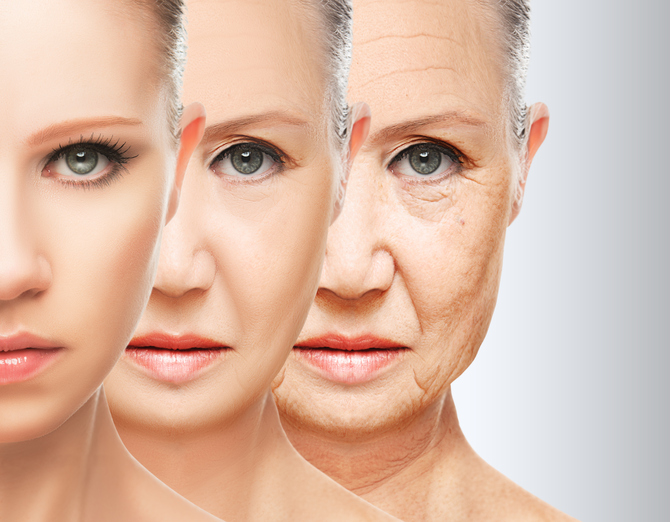
Related Research says that we are expanding our lifespan, but we are not expanding healthy lifespan. We live longer, but also have more diseases for longer.
If our goal is to live not just longer but with a maximum health then taking care of what we eat to optimise our risk of certain diseases can make all the difference. Always should be an essential part of your diet.
Fibre
Foods that are high in fibre – like fruits and vegetables, oatmeal, nuts, and legumes — can help with constipation that becomes more common as you age.
They’re also able to help lower your cholesterol levels, manage your blood sugar, and keep you at a healthy weight. Women over 51 need around 21 grams daily, but men need more – around 30 grams a day.
Whole grains
They’re a great source of fibre and rich in B-vitamins, which you’ll need more of as you age. In particular B-6 and folate are key to keeping your brain healthy.
Even a small shortage can make a subtle difference. Whole grains could also cut your chances of getting heart disease, cancer, and diabetes.
Go for variety, not just wholemeal bread, though but Quinoa, wheat berries, and wholewheat couscous are tasty options, too.
Nuts
Many women try to avoid having too many nuts because yes they can rack up the calories but nuts like almonds, walnuts, cashews, pecans, and pistachios have big anti-aging powers.
They contain special nutrients that can help delay or prevent age-related heart disease, stroke, type 2 diabetes, nerve disease, and some types of cancer. Nuts also protect your brain as you age.
Water
One of the things that is most noticeable as we age is that not only does your body lose water, but your sense of thirst starts to fade. That means it will take you longer to know when you’re low on fluids and it is easy to become dehydrated.
Water is food for your health in lots of ways. It cushions your joints, helps control your body temperature, affects your mood and how well you focus. Make eight glasses of water each day your goal.
Fish
Fatty fish like salmon, tuna, herring, and farmed trout should be on your menu twice a week because they’re high in DHA, an omega-3 fatty acid that’s good for your brain.
Low levels of DHA have been linked to Alzheimer’s disease, but get enough of it, and you may improve your memory and ability to learn new things.
If you don’t eat or like fish, algae, walnuts, flaxseed, and chia seeds are also good sources of DHA.
Lean protein
Protein-rich foods fight the natural muscle loss that happens as you get older. As much as you can, enjoy your protein in food like eggs, lean meat, and dairy products.
Although protein powders are popular as a weight loss alternative meal, that may not give you as many nutrients as the direct protein source.
Dairy products
The calcium in dairy keeps your bones healthy. As you get older, it can also lower your risk of osteoporosis, colon cancer, and high blood pressure.
After age 50, you’ll need around 1,000 milligrams of calcium each day, but remember your body also requires vitamin D to absorb calcium properly.
The National Osteoporosis Foundation recommends that women aged 50 or younger and men 70 or younger should get 1,000 milligrams (mg) of calcium per day. Men and women as they age may need more, up to 1,200 mg daily.
Good sources are not just milk and cheese aren’t your only options but you also get it through things like yoghurt, rice and soy drinks, fortified orange juice, and tofu. Blueberries Blueberries contain polyphenols — compounds that lower inflammation throughout your body and lessen damage to your DNA that can make some diseases more likely.They’re a good way to protect your brain as you age as they also improve how well your brain cells “talk” to each other.Fresh blueberries are best, since their polyphenol content goes down when you bake them into muffins, breads, or pies. Red/orange produce Watermelon, strawberries, tomatoes, red and orange bell peppers – all these are rich in a natural compound called lycopene. Studies show foods that have it could lower your risk of some types of cancer and may protect you against strokes, too. Cruciferous vegetables One of the things that happens as we age is that our immune system becomes weaker. That is the body’s first defence against germs and how we can protect ourselves.Cruciferous vegetables like broccoli, Brussels sprouts, and cauliflower all contain a chemical called sulforaphane that switches on your immune cells so they’re better able to attack toxins that damage your cells and cause disease over time.Eat them often, and you may lower your risk of some types of cancer. Dark leafy greens To keep your eyes healthy, eat more spinach, kale, and collard greens – members of the cabbage family that feature dark green leaves . The antioxidants they contain can lower your chances of getting cataracts and macular degeneration.Eat at least one serving a day, and you’ll also help stave off the slow-down in memory, thinking, and judgment that can happen as you get older. Avocado Studies show that the antioxidants in avocado could improve your memory and help you solve problems faster. Avocados may also lower your cholesterol, cut your chance of getting arthritis, help you stick to a healthy weight, and protect your skin from sun damage. Sweet potato These have plenty of beta carotene, which your body turns into vitamin A. This vitamin is key for healthy eyesight and skin and keeps your immune system strong.You’d have to eat 23 cups of cooked broccoli to get as much vitamin A as you’ll find in one medium sweet potato. For an extra boost, choose a purple variety. The compounds that give it a bright color may slow down age-related changes in your brain. Spices They do more than give your food flavour. Spices have antioxidants that help you stay healthy through the years. […]
The 7 Worst Foods For Your Anxiety And 6 Foods To Eat Instead

The phrase you are what you eat can also be applied to your mental health. With around 264 million people worldwide who are battling with anxiety, it’s important that they make the appropriate food choices as the wrong foods can serve to worsen symptoms of anxiety and depression.
Granted, your diet cannot cure your mental health disorder, but there are foods that can either have a calming effect on the body or trigger anxiety symptoms. With that said, read on for foods that may be worsening your anxiety, as well as which foods you can start eating instead.
Firstly, while alcohol can help you fall asleep quicker, it can actually reduce REM sleep, which is a vital part of your sleep cycle that stimulates the areas of your brain responsible for cognitive learning and memory. Additionally, alcohol is a diuretic, which means that it dehydrates the body and a dehydrated body can cause stress and anxiety. 2. Coffee and caffeinated drinks
There are better ways to start off your morning than with a cup of coffee, especially if you battle with anxiety.
According to a review of eight studies , caffeine can aggravate symptoms of anxiety and panic disorder. This can be because caffeine not only causes you to be more jittery, but it also decreases the production of serotonin in the body, which can then leave you in an anxious and depressed mood.
According to a study in Neuroscience & Biobehavioral Reviews, a diet high in sugars has been linked to emotional disorders such as anxiety and depression.
That said, it’s not only desserts and sweet treats that contain added sugars. In fact, foods such as salad dressings, flavored yogurt, granola bars, and breakfast cereal each contain hidden added sugars.
Soy-based foods are touted as meat alternatives for those following a plant-based diet. However, you may want to seek other milk alternatives as soy might not be great for anxiety. In fact, one animal study found that soy supplements were linked to more anxious behavior in male rats.
In addition, soybeans also contain copper, and research has indicated that in large amounts, copper can trigger symptoms of anxiety.
Chips, cereal, biscuits, noodles – eating anything processed can be one of the worst things for your health, as well as your anxiety.
Canned foods may be triggering your anxiety symptoms due to the fact that they might also contain Bisphenol A (BPA). According to a study , boys who were exposed prenatally to BPA may be more likely to develop symptoms of anxiety and depression at age 10-12.
Tryptophan is an amino acid found in turkey and the body uses it to produce the brain chemical serotonin, which helps regulate sleep and mood. According to researchers, tryptophan may help reduce anxious feelings.
Fatty fish, which include salmon, mackerel, sardines, trout, and herring, are each high in omega-3 . Eating these foods won’t only help to reduce your risk of heart disease, but it could also help you better manage your anxiety.
A study published in Nutrients found a positive association between omega 3 consumption and anxiety disorders. Additionally, a separate study published in the same journal found that men who ate salmon three times a week reduced their self-reported anxiety.
There’s a reason why dark chocolate ups your mood when you’re feeling down.
Chocolate has a high tryptophan content, which we know can help to ease anxiety feelings but it’s also rich in magnesium, which has been found to have anti-anxiety effects.
When buying dark chocolate, go for 70 percent or more and try to stay clear of brands that contain added sugars.
Green tea lovers unite!
For those who regularly enjoy a cup of green tea or matcha tea , you’re in luck. Green tea contains the amino acid theanine, which research has found may contain anti-anxiety properties ( 1 ).
Instead of indulging in sodas, coffee, or alcohol, try incorporating more green tea into your day.
Probiotic foods include pickles, sauerkraut, and kefir , and being rich in probiotics, these foods can help to boost gut health. As we know, the state of our gut influences our health, and this includes our mental health.
For one, research published in the journal Psychiatry Research suggested a correlation between probiotic foods and a lowering of social anxiety.
If you’re looking to improve your gut health, there’s how to do it.
Boyle, N. B., Lawton, C., & Dye, L. (2017). The Effects of Magnesium Supplementation on Subjective Anxiety and Stress-A Systematic Review. Nutrients , 9 (5), 429. https://doi.org/10.3390/nu9050429
Choudhary, A. K., & Lee, Y. Y. (2018). Neurophysiological symptoms and aspartame: What is the connection?. Nutritional neuroscience , 21 (5), 306–316. https://doi.org/10.1080/1028415X.2017.1288340
Dietz, C., & Dekker, M. (2017). Effect of Green Tea Phytochemicals on Mood and Cognition. Current pharmaceutical design , 23 (19), 2876–2905. https://doi.org/10.2174/1381612823666170105151800Hansen, A. L., Olson, G., Dahl, L., Thornton, D., Grung, B., Graff, I. E., Frøyland, L., & Thayer, J. F. (2014). Reduced anxiety in forensic inpatients after a long-term intervention with Atlantic salmon. Nutrients , 6 (12), 5405–5418. https://doi.org/10.3390/nu6125405Holmes, A., Fitzgerald, P., MacPherson, K. et al. (2012). Chronic alcohol remodels prefrontal neurons and disrupts NMDAR-mediated fear extinction encoding. Nat Neurosci 15, 1359–1361. https://doi.org/10.1038/nn.3204Jacques, A., Chaaya, N., Beecher, K., Ali, S. A., Belmer, A., & Bartlett, S. (2019). The impact of sugar consumption on stress driven, emotional and addictive behaviors. Neuroscience and biobehavioral reviews , 103 , 178–199. https://doi.org/10.1016/j.neubiorev.2019.05.021Lee, J. B., & Kim, T. W. (2019). Ingestion of caffeine links dopamine and 5-hydroxytryptamine release during half immersion in 42°C hot water in a humans. Journal of exercise rehabilitation , 15 (4), 571–575. https://doi.org/10.12965/jer.1938236.118Lindseth, G., Helland, B., & Caspers, J. (2015). The effects of dietary tryptophan on affective disorders. Archives of psychiatric nursing , 29 (2), 102–107. https://doi.org/10.1016/j.apnu.2014.11.008Natacci, L., M Marchioni, D., C Goulart, A., Nunes, M. A., B Moreno, A., O Cardoso, L., Giatti, L., B Molina, M., S Santos, I., Brunoni, A. R., A Lotufo, P., & M Bensenor, I. (2018). Omega 3 Consumption and Anxiety Disorders: A Cross-Sectional Analysis of the Brazilian Longitudinal Study of Adult Health (ELSA-Brasil). Nutrients , 10 (6), 663. https://doi.org/10.3390/nu10060663Patisaul, H. B., Blum, A., […]
Benefits of premium teas

There’s nothing that a nice cup of tea can’t fix. From providing a boost of energy in the morning to relaxing our nerves at night – a hot cup of tea that is brewed to perfection offers oodles of benefits.
And with the addition of some medicinal herbs and spices in the right proportions, tea becomes an antidote to many health ailments and does wonders for boosting our immunity. Anubha Jhawar, Founder/CEO, Celes te tells more about it. In fact, several health experts often recommend tea (including the herbal variants) for enhancing the body’s defence mechanism against various infections and diseases.
There are certain people who are absolute tea lovers and cannot start their day without it. However, premium teas offer more than just good taste. They contribute massively to improving one’s well-being and overall health. The presence of certain important herbs and natural ingredients in these tea variants makes it a soothing and therapeutic drink.
These components help alleviate stress and exhaustion. They also prevent diseases by improving the body’s immune system. Some healthier varieties of tea also help strengthen bones.
Apart from its savoury taste, drinking premium tea is good for improving the overall digestive health of the body.
Some of its major advantages are:
1) Improves Functioning of the Brain
Presence of the chemical L-Theanine in premium teas proves immensely beneficial for brain health. It improves the functionality of the brain and helps eliminate stress and anxiety, thus allowing one to relax. In addition to theanine, the minimum caffeine content also helps improve cognitive functions. They enhance attention span, memory, judgment and evaluation powers, reasoning, comprehension, problem-solving and decision-making.
2) Improves Heart Health
There is strong evidence to suggest that the antioxidants in tea work to enhance heart health. Flavonoids, present in both black and green tea, prevent oxidation of LDL (known as ‘bad’ cholesterol), cause a reduction in blood clotting and help improve widening of blood vessels of the heart. Studies that examined the relationship between black tea intake and heart health reported declining incidences of heart attack, low cholesterol levels and markedly lower blood pressure.
3) Boosts Immunity
The natural, bioactive compounds found in premium teas like green tea and black tea are useful for keeping our immune systems healthy so that we can stay young and active for a long time. Studies have shown that tea can facilitate immune cells to make them reach their targets quickly. For centuries together, Ayurveda practitioners have been consuming Tulsi tea to strengthen the immune system against illnesses and injuries, thanks to its anti-bacterial, anti-inflammatory and anti-fungal properties.
4) Boosts Digestion
Tea also boosts digestive processes in the body. Many people tend to have tea subsequent to their meal for better digestion. Herbal teas, specifically chamomile, can be good for people suffering from irritable bowel syndrome as it is an antispasmodic. While ginger teas can help calm nausea in many cases.
5) Helps in Weight Loss
Tea can significantly aid in weight loss as well. Evidence that supports this thesis is derived from studies conducted using tea extracts such as ECGC and other flavanols, catechins, polyphenols and caffeine. Consuming tea catechins for long can prove beneficial against obesity and type 2 diabetes as well as decrease the risk of coronary disease.
6) Helps Prevent Loss of Teeth
Studies have suggested that at least one cup of green tea daily could significantly lessen the odds of tooth loss. Other studies have reported that tea can also lower the pH balance of the tooth surface, suppressing the development of harmful bacteria that causes tooth decay. The fluoride content in tea works to help keep teeth healthy. The fluoride levels in green, black, and oolong teas are usually comparable to the ones recommended for preventing cavities.
Summing It Up
From green tea to black tea, from chamomile tea to oolong tea, all kinds of teas are full of flavonoids and many healthy goodies. Although more in-depth research is required to pinpoint its benefits in entirety, still tea can be made a part of a healthy eating pattern. For a powerful punch, one should steep their own tea and be careful about how sweetened it is to avoid excess sugars.
Scientists Just Discovered A Way To Treat Down Syndrome Prenatally — In Mice

White mouse getty For humans, a drug made from a plant compound that has anti-inflammatory properties represents a possibility for prenatal treatments that are personalized to meet the needs and metabolisms of individual babies.
In humans, Down Syndrome is also called Trisomy 21 — with “trisomy” meaning a third instance of any paired chromosome, and “21” referring specifically to the human chromosome number 21 (of 46). Quite literally, all of the neurological, muscular, cardiac, dental, endocrine, gastrointestinal, sensory, oncological, and fertility symptoms that can manifest with Down Syndrome are caused by the extra chromosome 21 in the genetic makeup of a baby.
Not all of these physiological systems are disordered in everyone with Down, though common to the syndrome is some degree of developmental delay and intellectual disability. Historically, treatments in humans have had disappointing results, perhaps because most have been applied during the late teen years or during adulthood. Newborn with Down Syndrome. getty As Diana Bianchi, Director of the National Institute of Child Health and Human Development and a senior researcher at the National Human Genome Research Institute, explained in a phone call, “The brains of teens and adults may be less flexible (and therefore potentially less responsive to interventions) than the brains of fetuses. Amniocentesis and other prenatal screenings that reveal fairly early in a pregnancy if a fetus has Trisomy 21 are almost universally available to women in the United States. This presents an opportunity; before birth may be the ideal time to try to intervene.”
Bianchi acknowledged that medical interventions on fetuses are fraught with ethical complications because of the potential for further damaging a baby before it is even born. “Safety, she said, “is paramount.”
Bianchi is senior author of a paper published today in the American Journal of Human Genetics . It details a trial conducted on mice that were bred to have Down Syndrome characteristics. The trial is of the prenatal use of apigenin, a plant compound found in chamomile, celery, parsley, peppermint, and citrus fruits.
According to Bianchi, prenatal imaging studies of human fetuses with Down Syndrome show neurological abnormalities. Typically with Down, over the course of a pregnancy production of new brain cells is slowed, as is production of the nerve fibers connecting the cells, the myelin (or cellular insulation) that protects nerve fibers, and the synapses that permit nerve cells to pass electrical and chemical signals to each other.
The evidence of these early impairments suggests that Down Syndrome is not a neurodegenerative disorder but a developmental one. Baby girl with Down Syndrome. getty Suspecting that inflammation during brain development might be to blame, Bianchi and her team of investigators set out to address neurological inflammation in mice fetuses. Mice have a vastly different genome from humans. In mice the rough equivalent of Down doesn’t result from a trisomy of chromosome 21. The mice model used in Bianchi’s trial (it is called Ts1Cje), represents a partial triplication of the mouse chromosome numbered MMU16.
Bianchi’s team hopes that, within several years, they can run trials of treatments for human fetuses. Because of this, in their mouse trial they took extra care to do no harm to the Ts1Cje mice. Additionally, they were diligent about creating an intervention that could be delivered humanely to mouse mothers. They knew that any medicine or compound they used would need to infuse into fetuses from placenta. It would also need to cross the fetus’ blood-brain barrier, which is the cellular layer that protects the brain by allowing only certain substances to cross into it.
Bianchi’s team used publicly available software to help them select apigenin from a range of nine possible compounds. “We had no intention of limiting ourselves to a natural substance approach,” Bianchi explained. “Our goal was simply to find a compound that had genetic markers that met all of our chemical and functional criteria. The software identified for us which of the nine compounds to use in our trail.”
Bianchi did note in the call that, in other studies, apigenin has been shown to have anti-inflammatory properties.
The research team incorporated apigenin into the chow of the pregnant and nursing Ts1Cje mothers. They later fed it to the weaned Ts1Cje pups. The mice that were given apigenin scored better in tests of spatial and olfactory memory than did control-group mice. The team also found that apigenin-treated mice had benefitted from more blood vessel and nervous system growth and that they had less inflammation overall.
Importantly, apigenin appeared to do no harm. The investigators found no significant increase in birth defects or deaths among Ts1Cje pups treated prenatally and postnatally with apigenin. Amniocentesis. (Photo by: BSIP/Universal Images Group via Getty Images) According to Bianchi, the trial depicted in today’s issue of The American Journal of Human Genetics was a proof-of-principle trial for an approach that ultimately could provide interventions that are personalized for individual human fetuses. To explore this possibility, the researchers tested the effect of apigenin on cells sloughed off by human fetuses and harvested during routine amniocentesis. They found that, in the lab, apigenin had anti-inflammatory effects on those cells.
Bianchi says that, ultimately, she hopes to identify several compounds that can work safely and effectively to calm inflammation in human Down Syndrome fetuses. “Not everyone metabolizes any given drug or food in the same way,” she pointed out in the phone interview. “Ideally we can eventually know of several compounds that have a moderating effect on Down. We can test each one on sloughed-off cells gathered during routine prenatal screening, and then select the single approach most appropriate for any given fetus.”
A lot of preclinical work remains to be done, even with apigenin, before that scenario can become a reality. Bianchi specified that she and her researchers still want to test different doses of apigenin. They want to identify any measures in which mouse fetuses treated with apigenin do more poorly than fetuses who aren’t treated. They want to supplement their work with the Ts1Cje mice with trials conducted on other models of Down Syndrome in mice. They want […]
IBM and Pfizer claim AI can predict Alzheimer’s onset with 71% accuracy

Pfizer and IBM researchers claim to have developed a machine learning technique that can predict Alzheimer’s disease years before symptoms develop. By analyzing small samples of language data obtained from clinical verbal tests, the team says their approach achieved 71% accuracy when tested against a group of cognitively healthy people.
Alzheimer’s disease begins with vague, often misinterpreted signs of mild memory loss followed by a slow, progressively serious decline in cognitive ability and quality of life. According to the nonprofit Alzheimer’s Association, more than 5 million Americans of all ages have Alzheimer’s, and every state is expected to see at least a 14% rise in the prevalence of Alzheimer’s between 2017 and 2025. Due to the nature of Alzheimer’s disease and how it takes hold in the brain, it’s likely that the best way to delay its onset is through early intervention. But the disease is often detected too late to prevent it from accelerating. IBM previously explored using AI to identify proteins that can predict the concentration of amyloid-beta, a peptide that changes before Alzheimer’s-related memory issues are apparent. And beyond IBM, others have investigated AI’s ability to spot the hallmarks of Alzheimer’s and dementia. For example, researchers at Unlearn.AI , a startup that designs software tools for clinical research, recently published a paper laying out a system that can anticipate the disease’s progression, projecting the symptoms that patients will experience. Another paper coauthored by researchers at the University of California, Berkeley, describes an AI system that can ostensibly predict Alzheimer’s disease from brain scans up to six years before clinical diagnosis.
But IBM and Pfizer claim this latest work differs “significantly” from previous research and the application of AI to aid in predicting Alzheimer’s. In contrast to studies predicting onset that focus on subjects showing signs of cognitive impairment, the researchers worked with samples that were collected before subjects in the study experienced the first signs of impairment. They also assessed the risk of Alzheimer’s in the general population instead of solely targeting high-risk groups, capturing a spectrum of people including those without a family history of the disease or other risk factors.
The study included 703 samples from 270 participants, half of whom developed Alzheimer’s symptoms before the age of 85. (The mean time to diagnosis of mild Alzheimer’s was about seven-and-a-half years.) From a language perspective, the researchers considered over 87 variables including misspellings, use of punctuation, uppercasing, verbosity, lexical richness, and repetitiveness. Beyond this, they looked at age, gender, education, visuospatial and executive reasoning, object naming, memory, attention, abstraction, and test results from the Montreal cognitive assessment MoCA .
The IBM and Pfizer team analyzed the transcriptions of participants’ samples with natural language processing, which allowed them to tap into AI to pick up subtleties and changes in discourse they might have otherwise missed. And after obtaining consent and approval from the Institutional Review Board of Boston University, they drew on data from original subjects (and their offspring and spouses) in the Framingham Heart Study, a population-based study overseen by the U.S. Public Health Service to investigate the epidemiology and risks for cardiovascular disease. In the Framingham study, enrolled people are assessed with the two-minute Mini-Mental State Examination speech test every four years and neuropsychological exams every year when possible cognitive decline is reported by a family member.
These steps resulted in a larger dataset than those used in other studies and made it possible to verify projections with real-life results. For example, if the model developed by the IBM and Pfizer coauthors predicted a 65-year-old Framingham subject would develop Alzheimer’s by age 85, they could check that person’s records to find out whether the subject had been diagnosed with the disease and when the diagnosis occurred.
It should be noted that Framingham only canvassed thousands of adults in the city of Framingham, Massachusetts. Research has shown that much of the data used to train algorithms for diagnosing diseases may perpetuate inequalities. Recently, a team of U.K. scientists found that almost all eye disease datasets come from patients in North America, Europe, and China, meaning eye disease-diagnosing algorithms are less certain to work well for racial groups from underrepresented countries. In another study, Stanford University researchers claimed that most of the U.S. data for studies involving medical uses of AI come from California, New York, and Massachusetts.
Indeed, the researchers found evidence of bias within their own model, which predicted Alzheimer’s onset for participants without a college degree more accurately than for those with (76% versus 70%). It also attained higher accuracy with women compared with men (83% versus 64%), performing on average 2.61 times better for female subjects compared with males.
Cognizant of this, the IBM and Pfizer researchers say they plan to use datasets that expand on the geographic, socioeconomic, and racial diversity of subjects as their work continues. “This breadth of data is often very difficult to come by in terms of disease prediction, and access to it allowed us to train these models with precision,” they wrote in a blog post. “We [will] continue to train our algorithms while always respecting core principles of privacy, transparency, and consent.”
The team believes that if their work — which is published in The Lancet eClinicalMedicine — were to eventually reach production systems, it could help doctors determine the need for more complex and demanding psychiatric assessments, testing, and monitoring. It might also open up the door to more successful clinical trials, as those deemed at a high likelihood of developing the disease could enter trials for preventative therapies.
“Our vision is that one day clinicians will have multiple AI and machine learning tools to help identify if an individual is at risk of developing Alzheimer’s disease. [Our model’s accuracy] is a significant increase over predictions based on clinical scales (59%), which is a prediction based on other available biomedical data from a patient,” the team continued. “One day, doctors might be able to use speech and blood tests in conjunction with each other, leveraging AI to help them predict the risk of […]
Dicaffeoylquinic acids alleviate memory loss via reduction of oxidative stress in stress-hormone-induced depressive mice.
Chronic stress can lead to depression due to elevated levels of stress hormones such as glucocorticoid. This is accompanied by an increase in reactive oxygen species (ROS) levels in the brain, which can cause dendritic spine loss and atrophy in neurons, followed by memory loss. Dicaffeoylquinic acids (diCQAs) are naturally occurring polyphenolic antioxidant compounds in Arctium lappa extracts (AL). The effects of natural derivatives of cafferoylqunic acid on stress hormone-induced depressive behavior and their underlying mechanisms are uncertain. In the current study, we showed that diCQAs reduced depressive behaviors including memory loss in corticosterone (CORT) treated mice. The mechanism of anti-depressants of diCQAs is likely through reduction of ROS production by inhibiting the activity of monoamine oxidase (MAO) type A and B in neurons and astrocytes. Among diCQAs, 3,4- and 3,5-diCQA significantly inhibited the activity of MAO enzymes followed by the reduction of ROS in neurons and astrocytes and also protected neuronal atrophy and synaptic transmission against stress hormone. These results suggest that 3,4- and 3,5-diCQAs effectively reduced depressive symptoms and inhibited ROS production to alleviate memory loss in stress hormone-induced depressive mice and hence, which provide some potential natural antidepressants.
Copyright © 2020. Published by Elsevier Ltd. References
PubMed
Music and medicine

Burst/Pexels.com
It’s been said that music fills the gaps left by language. It sets the mood. When you watch a movie, the dark minor chords prepare you for the shark to surge out of the water. Sweet violins drift into that first kiss, a soft lullaby sends the baby adrift on a cloud, and we all cheer when trumpets announce that our favorite underdog Rocky Balboa has conquered the steps of the Art Museum. Tune in to “ Your Radio Doctor ” this Sunday at 10 a.m. to learn the fascinating science that supports the use of music as medicine.
Dr. Alexander Pantelyat, Assistant Professor of Neurology, is the Co-Director of the Johns Hopkins Center for Music and Medicine Center. He explains that singing, playing an instrument or just listening to music, can activate more areas of the brain at the same time than almost any other human activity. About 50 different areas of the brain are activated in response to listening or playing music.
For example, in the Emotion and Reward Pathway of the brain – listening to a pleasant song will activate some of the same areas that are activated by drugs of abuse like cocaine and alcohol. It can be activated by music just as strongly. Marianne Ritchie, MD In addition, listening and playing can activate a host of other areas that are involved in paying attention and speech production. Often, we think of music, (especially with prior musical training) as another language. It can activate areas that produce movement, as well as other areas that process sound, help us pay attention and help us remember. Autobiographical memory is linked strongly to listening to music.
Emerging studies also indicate long term benefits. Taking music or singing lessons (especially when you’re young) can actually protect from some aspects of hearing loss later in life. A study from Chile this month (Frontiers in Neuroscience) showed that after as little as two years of music lessons and attending orchestra, children have measurable changes in the brain that show that their attention skills are better than their peers who were not exposed to lessons. An increase in attention improves their performance in math and science and enhances language skills, both with a primary language and learning a secondary language.
In older people, patients with Parkinson’s disease who sing in a choir can improve the loudness of their voice, which has a positive impact on their ability to communicate. They report better moods and reduced anxiety as a result of participating in group music activities such as guitar lessons, singing in a choir or being in a drum circle.
A number of studies that include different illnesses, including dementia (particularly Alzheimer’s), show that mood and anxiety can be improved.
Rhythm-based therapies have also shown promise. Just as rhythm provides order in a piece of music, our own inner ‘timing’ gives order to our natural body movements and is also connected to the basics of language. Listening to music recruits motor associated regions of the brain, further connecting it to movement and development, and is showing promise as therapy for patients with autism spectrum disorder (Journal of Exercise Rehabilitation).
Think of it this way. When you’re at a concert and the band claps, you join within 3 seconds. Hearing a beat makes you ‘tap’ because your brain is tapping. The sound fires activity in the brain that has been seen in studies including EEG and MRI.
This synchronized tapping can be therapeutic. Rhythmic entertainment can help patients with Parkinson’s, stroke, or multiple sclerosis walk better by improving some aspects of their walking and balance. In a study of Parkinson’s patients last year, this kind of rhythmic auditory stimulation (walking to a metronome) with a strong march-like beat, can actually reduce occurrence of falls.
Classical music has historically been used in clinical research. Mozart’s “Sonata for Two Pianos” (K448) has been included in many studies and shown to enhance cognitive function, reducing epilepsy in children. But the choice of music may vary with each patient.
Dr. Pantelyat is an accomplished musician himself, and playing the violin takes his mind off anything that’s adding stress on a given day.
After learning the basic science, you’ll also hear from two members of Philadelphia Royalty – Mr. Sid Mark, legendary host of “The Sounds of Sinatra” and the one and only “Geator with the Heater,”Mr. Jerry Blavat. These are men who provide the music and we welcome the therapy.
Personally, I am always reassured by the calming voice of Sid Mark when he brings the “Sounds of Sinatra” every Sunday morning, helping us relax before we face another busy week. And I’m always in a better mood after being energized by the “The Geator.” His timeless tunes gets you up on your feet as your brain ‘taps’ to his discophonic beat. Also worth noting, these positive therapies have no negative side effects!
The future is very bright. The National Institute of Health is paying attention to the idea of music for the purpose of healing. Last year they funded $20 million in projects that study music, its impact on the brain and the entire body, and how it can be harnessed to benefit humanity.
Tune in at 10 a.m. every Sunday morning to “Your Radio Doctor” on WPHT, talk radio station 1210 AM or listen on Radio.com. All shows are posted on yourradiodoctor.com .
Natural Ways to Combat Age-Related Memory Loss

Some brain cells are lost with age, but significant memory loss is not an inevitable consequence of aging. At any time of life, it isn’t uncommon to be temporarily forgetful as a result of insufficient sleep, jet lag, or exceptionally stressful or challenging situations, but serious, persistent memory lapses indicate an underlying condition — not necessarily any type of dementia.
At the same time, some people maintain exceptional abilities to remember throughout a long life.
Chronic inflammation is a major contributing factor in what is technically called “minimal cognitive impairment,” or MCI for short — “senior moments.” In such situations, there is a link between low-grade, chronic brain inflammation and excitotoxicity. A growing number of triggers for such inflammation occur throughout life, including chronic infections, repeated injury, recurrent mini-strokes, stress, autoimmune diseases, excessive vaccination, and exposure to a number of toxic substances. Older people frequently take a number of prescription drugs, many of which impair brain function.
Over 50? Serious Brain Nutrition Combats Scary Mental Decline
Conventional Treatment
There is no drug or other medical treatment to prevent memory loss or improve memory. If forgetfulness becomes a problem, it should be treated as a symptom, rather than a disease, and a competent doctor should evaluate the individual’s overall health, including possible prescription drugs that could be causing the problem. Medical situations that may affect memory include brain injuries and disorders, imbalances of sex or thyroid hormones, stroke, severe illness, surgery, and cancer treatment.
Another Approach
There are two basic principles of protection — avoid the things that damage the brain and take more of the things that protect the brain.
For example, these are things to avoid: toxic metals such as mercury, aluminum, cadmium, lead, and excess manganese; pesticides, herbicides, and fungicides; toxic industrial chemicals; black and other mold toxins; and toxins in food. Dietary toxic substances include inflammatory omega-6 oils (corn, safflower, sunflower, peanut, and soybean oils); excess sugar; excess red meats; foods and additives high in glutamate; and fluoridated drinking water.
Regular, moderate exercise is important — at least 30 minutes a day. Establishing good friendships is very important and this includes maintaining close family ties.
Will You Outlive Your Memory?
Reading, learning new things, such as a new language or playing a musical instrument, and just exploring the world around you can bring great stress relief. One should develop a proper perspective regarding the time to relax and the time to work. It is important not to let material goals dominate your life.
As for food, vegetables and fruits are among the most powerful brain-protecting foods, especially high-nutrient ones. Such vegetables include kale, broccoli, Brussels sprouts, cabbage, cauliflower, garlic, onions, and spinach. Fruits to choose include strawberries, blueberries, blackberries, raspberries, and acai berries. Eat organically grown ones, as they are far superior to conventionally grown varieties.
Natural Supplements
: In fish oil, which contains beneficial omega-3 fats, there are two major components, EPA and DHA. Of these, DHA is most concentrated in the brain, and is essential for maintaining fluidity, flexibility, and integrity of brain cell connections and membranes. DHA (and EPA) must be obtained from diet, since our bodies do not make these. Not all fish oil supplements contain high doses of DHA. One that does is Norwegian Fish Oil, made by Carlson, in a liquid supplement with natural lemon or orange flavors, which makes it easy to take a high dose without having to take many pills.
: Take two teaspoons, twice a day. Pure DHA is also available in capsules, but is more expensive for a comparable dose.
Worried About Forgetting Things? Try Dr. Blaylock’s Brain Boosters
: Magnesium reduces excitotoxicity and brain inflammation, improves blood flow to the brain, and raises levels of our chief internal antioxidant, glutathione, in brain cells. For best absorption, use a slowrelease version of magnesium malate, such as Magnesium w/SRT, made by Jigsaw Health. Two caplets contain 250 mg. L-threonate enters the brain better and comes in a 2,000 mg per capsule dose. Try using both.
: Take two caplets of the Jigsaw brand, twice a day with meals. Take two capsules of the magnesium L-threonate two to three times a day.
: Also called vitamin B3, niacinamide plays a major role in energy production by all cells, including brain cells.
: Take 500 mg, two to three times a day with meals.
: This is the most absorbable and beneficial form of vitamin B12, which is essential for energy production in the brain but often in short supply among older people. A sublingual form is preferred.
: Take 10,000 mcg a day of a sublingual form.
© 2020 Newsmax. All rights reserved.
Why doctors may start prescribing nicotine to help beat disease: New research shows the addictive element of cigarettes may be a potential treatment for Parkinson’s, dementia and even Covid-19

Nicotine- main addictive element of cigarette- emerging as promising treatment
May also be useful for brain disorders such as dementia and schizophrenia
In the case of Parkinson’s, nicotine, has been shown to activate the cells that produce dopamine
Matt Eagles smoked his first cigarettes — which he bought quite easily from the local newsagent — aged 12.
‘I was the sort of kid who just liked being naughty, but it soon became a regular habit,’ says the 51-year-old from Cuddington, Cheshire.
It’s a story familiar to millions, but while smoking is universally regarded as bad for health, in Matt’s case he believes the nicotine from the cigarettes may have had an unexpected benefit. Matt, who works in public relations, was diagnosed with the degenerative nerve condition Parkinson’s disease unusually early, aged eight, a year after strange symptoms appeared. Nicotine – the main addictive element of cigarettes – is emerging in studies as a promising treatment for Parkinson’s, ADHD, dementia, schizophrenia and even coronavirus. (Stock image) ‘I lost my sense of balance and at first they thought it was arthritis or a brain tumour,’ says Matt.
‘My left hand was developing a life of its own and kept shaking and moving, which was a problem because I’m left-handed. I felt as though my wrist was going to drop off, and I’d walk on tiptoes.
‘I love sport and was a goalkeeper, but it got to a stage where I was diving for the ball after it had gone into the net. It was very frustrating but I just moved on to do other things instead. In the end they worked out it was Parkinson’s.’
The disease, which causes uncontrollable tremor, stiffness and difficulty walking, affects about 145,000 people in Britain. As well as the physical symptoms, most patients develop memory loss as the disease progresses.
The condition occurs when cells that produce dopamine, a chemical messenger in the brain which helps control body movements, progressively die off.
There have been no new effective treatments for Parkinson’s for more than 20 years and current therapy merely reduces symptoms, rather than tackling the causes.
Now nicotine — the main addictive element of cigarettes — is emerging in studies as a promising treatment. And it may also be useful for some other brain disorders, such as attention deficit hyperactivity disorder (ADHD), dementia and schizophrenia — and even Covid.
In the case of Parkinson’s, nicotine, a chemical found in many plants, not just tobacco, has been shown to activate the cells that produce dopamine.
Research suggests that people whose diets contain a lot of tomatoes, peppers and aubergines — all of which contain nicotine — have a 30 per cent lower chance of developing Parkinson’s.
Separately, Dr Mohammed Shoaib, head of the psychopharmacology research group at Newcastle University, is leading a project to develop a nicotine-based treatment he hopes will work on the movement and memory degeneration that is caused by Parkinson’s disease.
Studies in the U.S. have also suggested that the receptors nicotine binds to increase the amount of calcium entering cells in the bones, which appears to reduce the bone loss associated with Parkinson’s.
Matt quit smoking aged 36, when offered deep brain stimulation treatment, where an implant delivers high-frequency electrical signals via electrodes into the brain to control symptoms. Bad, Good, Best: How to get the most out of food choices
This week: Parsnips
Bad: In soup A typical parsnip soup recipe contains butter and whole milk Creamy parsnip soup may well count as one of your five-a-day, but a typical recipe contains butter and whole milk and provides around 300 calories per bowl.
It also contains 6g or 30 per cent of your daily recommended allowance of saturated fat.
Good: Roasted. Roasted parsnips supplies nearly half of your RDI of vitamin B12 A 100g portion of roasted parsnips has 133 calories and 0.7g of saturated fat.
It supplies nearly half of your RDI of vitamin B12, which staves off fatigue.
However, over-roasting can increase the chemical acrylamide that is linked to cancer.
Best: Mashed Mashed parsnips provides 20 per cent of your RDI of potassium There are just 89 calories in 3 tbsp (135g) of boiled mashed parsnips — which rises to 124 calories with 1 tsp of heart-healthy olive oil.
It also provides 20 per cent of your RDI of potassium, needed for healthy blood pressure. Mash with carrots to boost your vitamin A intake.
‘Before the operation, I was on 25 different tablets a day,’ he says. ‘I found eating anything slowed the absorption of the medication but if I had a cigarette after a meal I would feel better sooner.’While he had to stop smoking ahead of the complex six-hour procedure and hasn’t smoked since, Matt is convinced nicotine had helped him: ‘Since I’ve had the implant, things have been much better, so I don’t know what difference cigarettes might have made.’No one is suggesting people take up smoking, and there is no doubt that the use of nicotine as a drug is controversial, with different views on whether it’s addictive as a treatment, for instance.Dr Shoaib says a number of promising nicotine compounds have been investigated as treatments for Alzheimer’s and schizophrenia, but some have had to be abandoned due to side-effects.A trial of one drug, encenicline, was stopped because the treatment caused serious stomach problems in some people.’Patients have had their hopes raised so many times, but it wouldn’t surprise me if there’s a nicotine compound owned by some pharmaceutical company that’s the golden bullet, but we can’t get access to it,’ he says.But if support for nicotine-based research has been lukewarm over fears of side-effects and its addictive nature, one advance that may encourage more studies is the discovery that it seems to protect people from Covid-19 — with smokers 80 per cent less likely to develop the infection (although they are more likely to suffer badly if they do catch it).Research by Konstantinos Farsalinos, a professor of public health at the University of Patras, Greece, found that although China has high smoking rates, relatively few smokers ended up in hospital.’We thought […]
Balance blood sugar to think, learn and remember better – study
Controlling blood sugar levels helped improve thinking, learning and memory in overweight people with type 2 diabetes, a new study has found.
The US study examined 1100 diabetics and those with better blood sugar control had improved cognition, short-term memory, planning, impulse control, attention, and the ability to switch between tasks.
“Every little improvement in blood sugar control was associated with a little better cognition,” noted researchers from the Pennington Biomedical Research Centre in the US.
Lead study author, Owen Carmichael said: “It’s important to properly control your blood sugar to avoid the bad brain effects of your diabetes.”
“Don’t think you can simply let yourself get all the way to the obese range, lose some of the weight, and everything in the brain is fine. The brain might have already turned a corner that it can’t turn back from,” added Carmichael.
Diabetes is considered a global pandemic , affects up to 3.5 million South Africans and is the second most common cause of death in SA. It is reported as a risk factor for severe Covid-19 cases because high blood sugar levels may weaken the immune system.
The US study follows research in the UK which found that 30% of 24,000 people who reportedly died from Covid-19-related factors from March 1 – May 11 were diabetics.
“…Type 1 and Type 2 diabetes were both independently associated with a significant increased odds of in-hospital death with Covid-19,” noted a report on the study published recently in The Lancet .
Health and wellness expert, Vanessa Ascencao, says poor blood sugar control and bad management of diabetes may contribute to various infections. In addition to eating healthily and exercising, diabetics should explore the various powerful natural supplements available to help balance blood sugar, she added.
“Berberine for example is a powerful plant compound , supported by scores of published studies and shown to help lower blood sugar, support weight loss and improve heart health. Bio-Berberine Complex is further enhanced by polyphenol rich SA green tea extract, Origine 8 , to help improve insulin sensitivity and enhance metabolism,” she said.

The Power Within by Corey Daniels book available for only $2.99
Mind has both conscious and subconscious halves. These are likened to a driver and the truck he drives. The driver plans the destination and observes road conditions, while the truck provides motive power. Your subconscious mind is like the truck and it only goes in the direction in which is a steered. This can be the road or off a cliff. Likewise, the consciousness paints a picture of what the world is and what your goals are and the subconscious acts on them through emotion, physical response and energy, whether these are correct, rational images or false negative ones. The subconscious is also like an emotional reservoir which your body and mind draw responses from to external stimuli.
The Power Within lays out a method of programming your subconscious and tapping into the Holy Spirit, God voice or what the Greeks called the daimon (godman).